
Why The Broads stands out
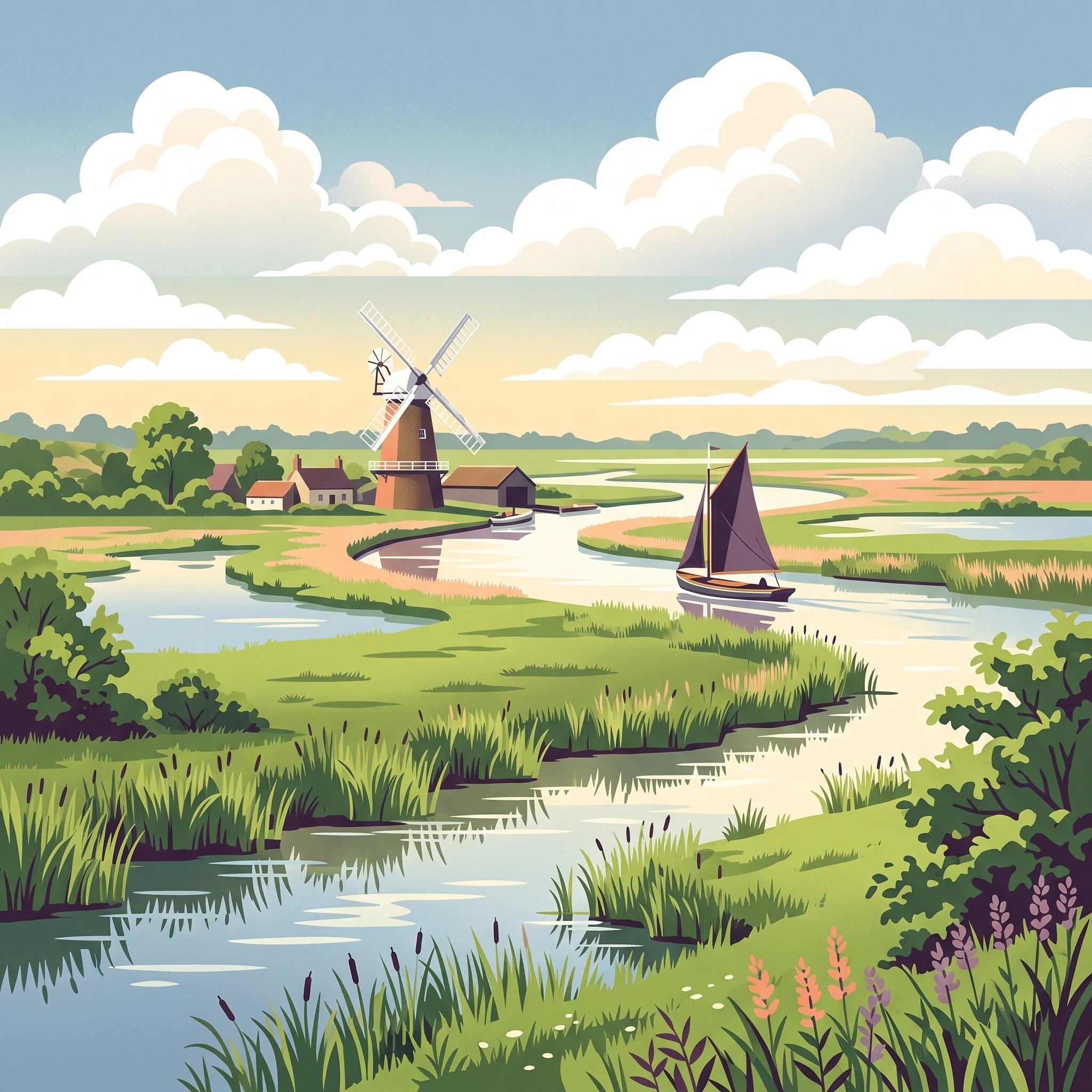
The Broads is best known as Britain's premier wetland landscape, distinguished by its network of shallow, peat-carved lakes called broads and its extensive reedbed systems. The area is famous for its historic drainage windmills that dot the landscape, the traditional Norfolk wherry boats that still sail the waterways, and its exceptional birdwatching opportunities including breeding populations of marsh harriers, bitterns, and cranes. The Broads represents a unique example of a cultural landscape where human activity, medieval peat extraction, combined with natural processes to create a wholly distinctive wetland environment that now supports exceptional biodiversity.
The Broads history and protected-area timeline
The origins of the Broads remained mysterious for centuries, with the shallow lakes long assumed to be natural features of the East Anglian landscape. It was not until the 1960s that botanist Joyce Lambert proved the broads were in fact artificial, created by the flooding of medieval peat excavations. During the Middle Ages, local monasteries operated extensive turbary businesses, digging peat from the wetlands to sell as fuel to Norwich and Great Yarmouth—with Norwich Cathedral alone reportedly taking 320,000 tonnes annually. When sea levels began rising, the abandoned peat pits flooded, and despite the construction of windpumps and dykes to drain the land, the flooding continued and gradually created the characteristic Broads landscape of today. The area's waterways were also subject to various historical attempts to extend navigation, including projects on the River Waveney in the 17th century, the River Bure in the late 18th century where locks were built to bypass mills between Coltishall and Aylsham, and the North Walsham and Dilham Canal in the early 19th century. The Broads have been a boating holiday destination since the late 19th century, with the first yachts available for hire in 1878 and the creation of holiday agencies in the early 1900s.
The Broads landscape and geographic character
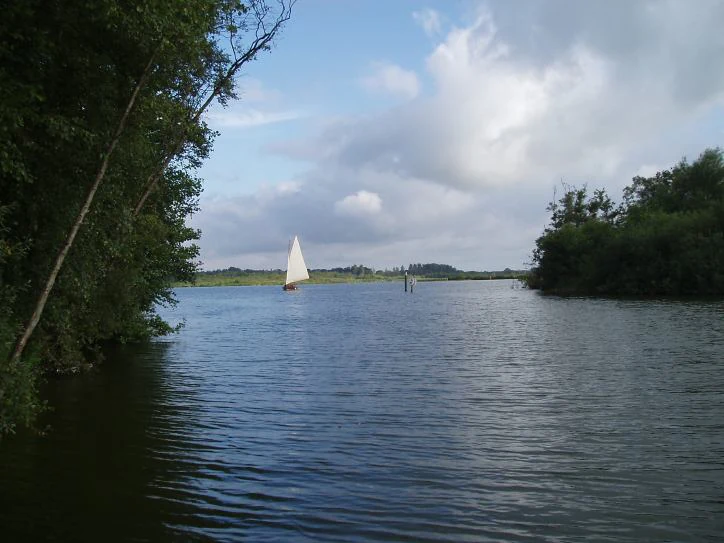
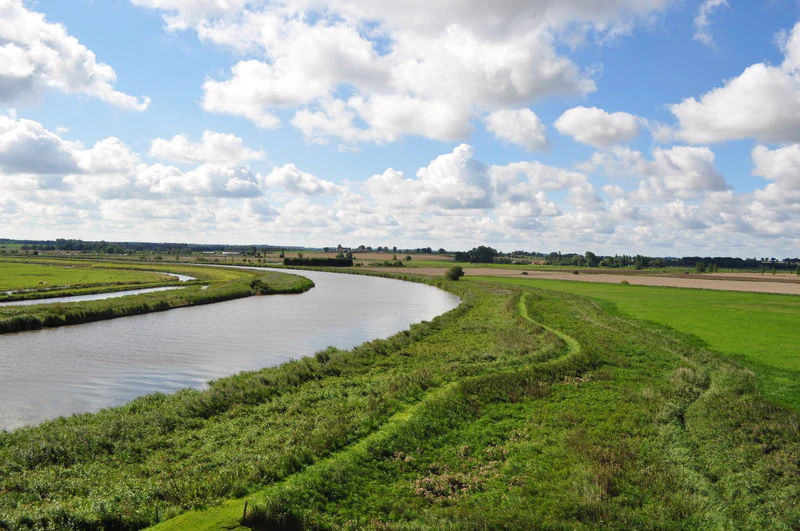
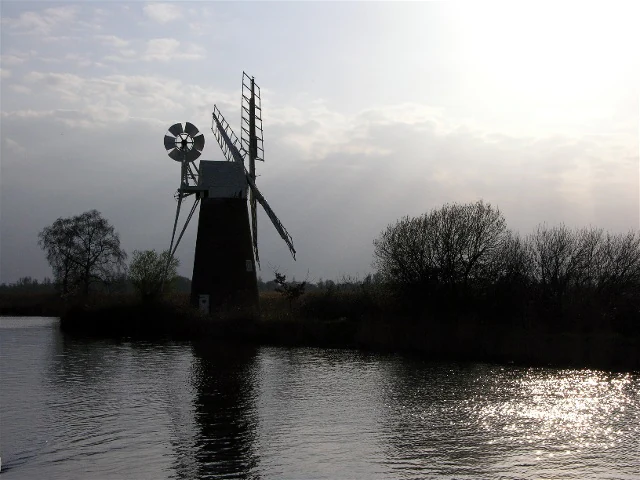
The Broads presents a distinctive low-lying wetland landscape shaped by water, peat, and centuries of human modification. The terrain consists mostly of flat or gently rolling grazing marshes, shallow lake basins, and extensive reedbeds that create a landscape of remarkable openness and big skies. The individual broads range in size from small pools to the large expanses of Hickling Broad, Barton Broad, and Breydon Water, with the majority lying in the northern half of Broadland around the Rivers Bure, Thurne and Ant. The rivers themselves are largely lock-free and subject to tidal influence, with the tidal range decreasing as one travels upstream from the sea. Notable geographical features include the Haddiscoe Cut—a modern canal connecting the Rivers Yare and Waveney—and the Trinity Broads, a separate group of lakes that have no navigable connection to the main system. The landscape is punctuated by historic drainage windmills, some still standing and others in various states of preservation, that were once essential to managing water levels in this reclaimed wetland.
The Broads ecosystems, habitats, and plant life
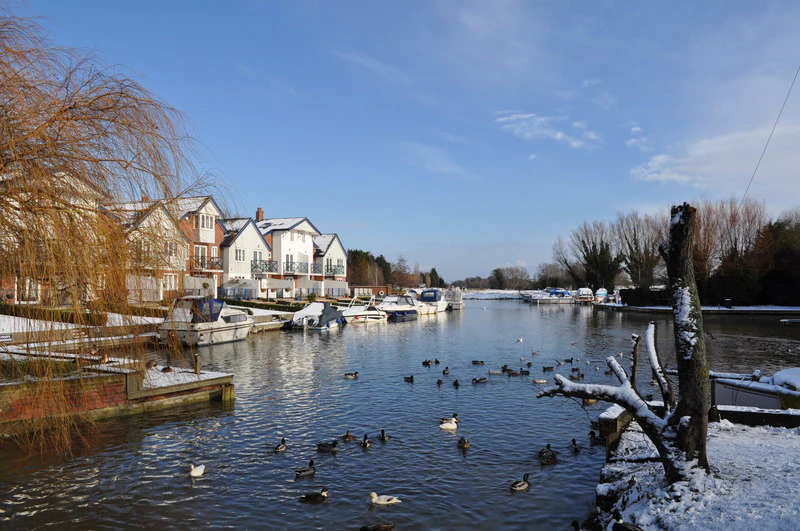
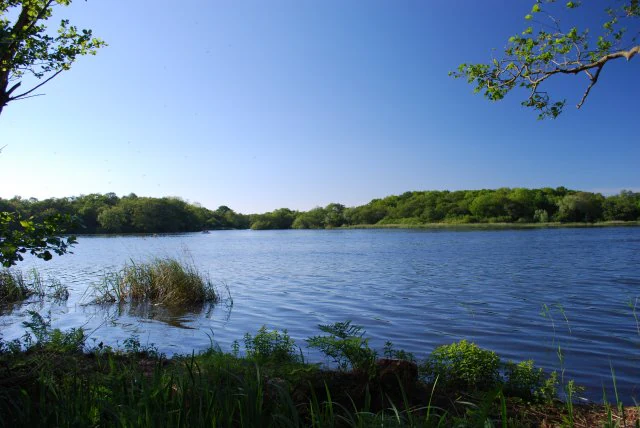
The Broads represents Britain's largest protected wetland, a complex ecosystem of shallow lakes, reedbeds, fens, grazing marshes, and wet woodland that supports exceptional biodiversity. The shallow, nutrient-rich waters of the broads create ideal conditions for diverse aquatic vegetation, while the surrounding fens—dominated by reeds and sedges—provide crucial habitat for specialist wetland species. Norfolk reed from the broads has long been harvested for thatching, representing a traditional use of the landscape that continues today. The area's conservation designations include Special Protection Area status for Broadland, multiple National Nature Reserves, and numerous Sites of Special Scientific Interest, reflecting the national and international importance of its ecological communities. The wetland system's biodiversity faces challenges from eutrophication resulting from agricultural runoff and sewage disposal changes in the mid-20th century, with the Broads Authority and Environment Agency working since the 1960s to restore water quality through nutrient reduction, sediment removal, and biomanipulation techniques.
The Broads wildlife and species highlights
The Broads supports an impressive array of birdlife, with the wetland habitats providing crucial breeding and feeding grounds for both common and scarce species. Waterfowl including mallard, coot, moorhen, great crested grebe, greylag goose, Canada goose, and Egyptian goose are frequently encountered across the waterways and marshes. Raptors such as marsh harrier, kestrel, and sparrowhawk hunt over the reedbeds and grazing marshes, while grey herons and cormorants fish the shallow waters. The Broads is particularly notable for populations of bitterns—those secretive, camouflaged herons whose booming calls echo across the reedbeds in spring—and for supporting breeding common cranes, a rare sight in Britain. The scarce Cetti's warbler also breeds here, its distinctive explosive song a characteristic sound of the wetland. Among invertebrates, the Broads is home to the Norfolk hawker dragonfly—a species specific to certain lowland fens—and the British subspecies of the Swallowtail butterfly, making the area significant for rare insect conservation.
The Broads conservation status and protection priorities
The Broads holds significant conservation status as Britain's largest protected wetland and a Ramsar Convention site, with much of the area designated under multiple national and European conservation frameworks. The Broads Authority works alongside Natural England and the Environment Agency to manage this complex landscape, balancing wildlife protection with public access and navigation responsibilities. Major conservation challenges include eutrophication of the waterways from historical phosphate and nitrate inputs, which has required extensive remediation including sewage treatment improvements, sediment dredging, and biomanipulation to restore ecological balance. Several broads and their surrounding marshes have been designated as National Nature Reserves, protecting the finest examples of wetland habitat, while the broader landscape benefits from Special Protection Area status under the EU Birds Directive. Ongoing projects under the UK Biodiversity Action Plan include considerations for reintroducing the large copper butterfly to suitable fen habitat.
The Broads cultural meaning and human context
The Broads landscape reflects centuries of human interaction with the wetland environment, from medieval peat extraction through to the development of the area as a premier recreational boating destination. The distinctive Norfolk wherry—traditional cargo barges that once transported goods across the waterways—remains a cultural symbol of the region, with several preserved specimens still sailing and available for charter. The area has inspired artists and writers for generations, and the Broads have been described by naturalists as 'the breathing space for the cure of souls.' Historic features including the ruins of St. Benet's Abbey and numerous drainage windmills punctuate the landscape, representing the religious and engineering history of the wetlands. The local communities throughout Norfolk and Suffolk have long maintained connections to the waterways for transport, fishing, and reed harvesting, creating a cultural fabric that remains evident in the place names, traditions, and ongoing use of the Broads for recreation.
Top sights and standout views in The Broads
The Broads offers a unique combination of wetland wilderness, historic vessels, and wildlife-watching opportunities found nowhere else in Britain. The opportunity to sail behind a traditional Norfolk wherry or hire a private yacht evokes a distinctly Edwardian era of boating holidays. Birdwatchers can seek out marsh harriers quartering over reedbeds, listen for the distant boom of bitterns in spring, and observe breeding cranes in protected sanctuaries. The network of seven rivers and over sixty broads provides endless exploration by boat, while the surrounding wetlands support walking routes through some of England's finest fens and grazing marshes. The historic drainage windmills that remain standing across the landscape serve as visible reminders of the human effort to manage this wetland over centuries. The area's status as both a national park equivalent and a working navigation network creates a rare blend of protected landscape and living waterway.
Best time to visit The Broads
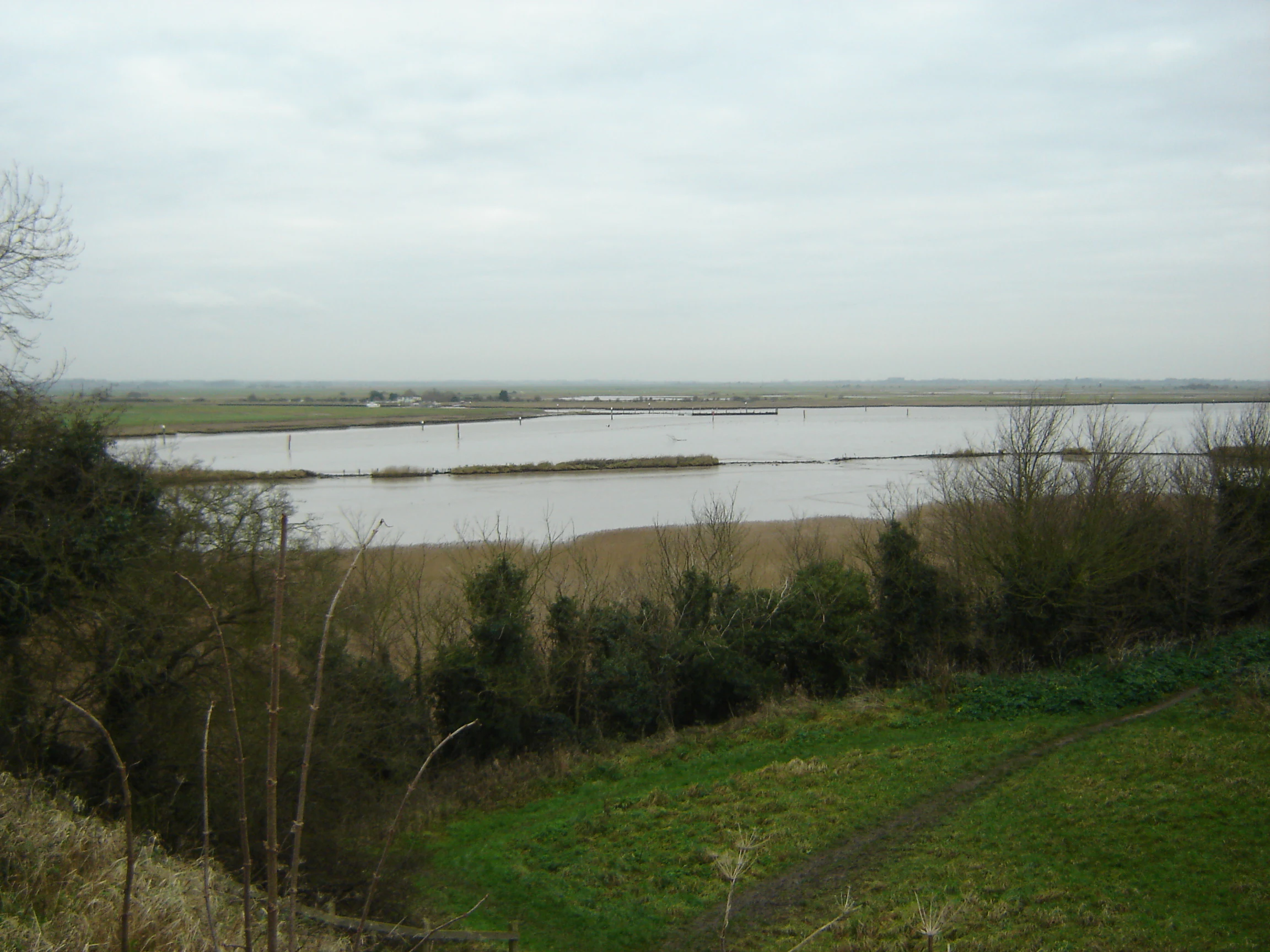
The Broads can be enjoyed throughout the year, though each season offers a distinctly different character. Spring brings the return of migrant birds, with marsh harriers displaying over reedbeds and bitterns becoming more vocal as the breeding season begins—April and May offer particularly rewarding wildlife watching. Summer months see the waterways at their busiest, with the reedbeds in full growth and dragonflies, including the rare Norfolk hawker, active around the margins. Autumn can be excellent for birdwatching as species gather before migration, and the dying back of vegetation often reveals more open views across the broads. Winter, while quieter, offers a different experience with stark beauty in the bare fenland and the chance to see hunting raptors against emptier skies. The Broads' tidal nature means that water levels and navigation conditions vary with the seasons, though the waterways remain accessible year-round for those prepared for cooler conditions.