Why Zwin stands out
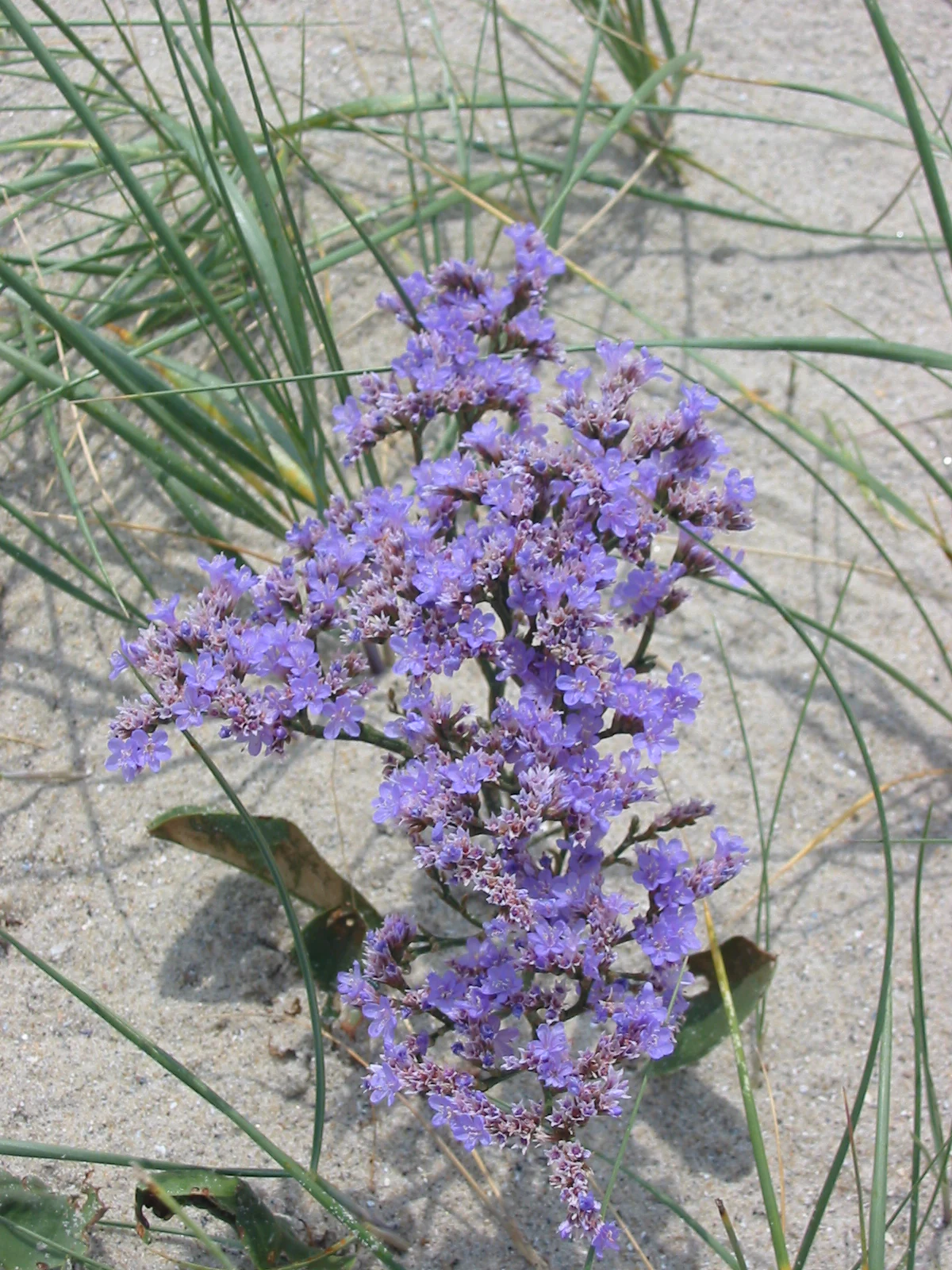
The Zwin is best known for its exceptional salt marsh ecosystem and remarkable plant diversity. The reserve harbors a large variety of halophyte species adapted to the saline coastal environment, with sea lavender being particularly celebrated for its striking purple blossoms that carpet the area in late summer. The wetland's position along the East Atlantic Flyway makes it a prime birdwatching location, attracting both amateur and professional ornithologists. The site also preserves the legacy of Bruges' maritime history as the ancient waterway that transformed a small trading settlement into one of medieval Europe's most powerful port cities.
Zwin history and protected-area timeline
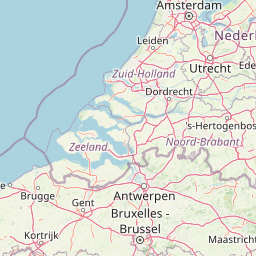
The Zwin's history is inseparable from the rise and fall of medieval Bruges as a European trading power. The tidal inlet's formation in 1134 created a maritime connection that would shape the economic destiny of the entire region for centuries. Bruges leveraged its access to North Sea trade routes to become the northern counterpart to Mediterranean powers like Venice and Genoa, hosting the famous wool market and attracting banking interests that established early financial institutions.
The establishment of auxiliary ports along the Zwin reflects the progressive challenge of maintaining maritime access as the channel silted. Damme served as the first outport, followed by Hoeke, then Mude (present-day Sint Anna ter Muiden), and finally Sluis as the waterway pushed progressively closer to the sea. Each transition marked another stage in the inexorable shoaling that would ultimately abandon Bruges to landlocked status.
Several significant naval engagements occurred within the Zwin's waters across different historical periods. The Battle of Damme in May 1213 saw English forces raid the French fleet anchored in the inlet, successfully preventing a planned invasion of England. The Battle of Sluys in June 1340 represented one of the opening engagements of the Hundred Years' War, with English king Edward III decisively defeating a French fleet. During the Eighty Years' War between the Dutch Republic and Spain, the Battle of Sluis in 1603 involved Spanish galleys attempting to break through a Dutch blockade. These engagements underscore the Zwin's strategic importance across centuries of conflict.
The nature reserve was formally established in 1952, creating protected status for the remaining wetland ecosystem. International recognition followed with Ramsar designation in 1986, acknowledging the site's ecological significance as a coastal wetland of international importance.
Zwin landscape and geographic character
The Zwin landscape embodies the characteristic features of a tidal creek system on a subsiding coastal plain. The terrain comprises a network of interconnected channels, mudflats, and salt marsh zones that experience twice-daily tidal inundation. Sandy deposits accumulate along the creek margins, while established salt marsh vegetation stabilizes higher elevations. The system includes beach ridges and embryonic dune formations that develop where wind-blown sand accumulates above the high-tide line.
The creek system's morphology reflects its origin as a major medieval waterway now reduced by sedimentation to a fraction of its historical scale. Originally, the inlet mouth measured over six kilometers in width, with the towers of Westkapelle and Knokke serving as navigational beacons for vessels approaching Bruges. Today, the remaining channel is considerably narrower, though it retains its functional tidal character.
The Dutch-language sources note the area as a known locality for fossil shark teeth approximately 40 million years old, indicating the geological antiquity of the coastal sediments. This paleontological interest adds another dimension to the site's natural heritage beyond its active ecological processes.
Zwin ecosystems, habitats, and plant life
The Zwin's ecological character is defined by the interface between marine and terrestrial environments, creating a gradient of habitats from genuinely marine mudflats through increasingly terrestrial salt marshes to dune and grassland communities. The site's saline conditions support a distinctive flora adapted to tolerate regular saltwater exposure, earning the reserve its reputation for exceptional plant diversity.
Sea lavender dominates the late summer landscape, producing dense stands of purple flowers that attract considerable attention from nature enthusiasts. This species represents just one component of a broader community of halophytic plants that have evolved specialized mechanisms for dealing with high soil salinity, periodic inundation, and exposure to coastal weather. The salt marsh vegetation zone provides important ecosystem functions including sediment stabilization, nutrient cycling, and habitat provision for specialized invertebrates.
The wetland's position along major migratory flyways makes it ecologically significant as a seasonal staging area for numerous bird species. While the English source mentions popularity among bird watchers, the specific avian communities and seasonal patterns would support ongoing ornithological interest. The presence of a white stork population distinguishes the site within Belgium, as these iconic birds have limited established ranges within the country.
Zwin wildlife and species highlights
The Zwin supports characteristic wetland wildlife communities adapted to the dynamic tidal environment. The site's avian interest centers on both resident species and migratory visitors that utilize the wetland as a feeding and resting area during their seasonal movements along the East Atlantic Flyway. The presence of white storks represents a particular conservation success, as this species has precarious status in Belgium with limited breeding populations.
The mudflats and shallow channels provide feeding habitat for wading birds and waterfowl, while the salt marsh and dune areas offer nesting opportunities for species adapted to coastal grassland and shrub communities. The small zoo present within the reserve maintains domestic bird species, though this represents a separate visitor amenity rather than a core conservation function.
Invertebrate communities in the mudflats and salt marsh support food chains that sustain the bird populations, with specialized salt-tolerant insects and crustaceans occupying ecological niches unique to coastal wetland environments. The fossil shark teeth noted in the Dutch source indicate the site's geological interest but represent paleontological rather than living wildlife.
Zwin conservation status and protection priorities
The Zwin's conservation significance is formally recognized through its designation as a Ramsar Wetland of International Importance, achieved on March 4, 1986. This international designation acknowledges the site's value as a coastal wetland ecosystem supporting biodiversity and providing ecosystem services including water filtration, sediment stabilization, and carbon sequestration. The Ramsar framework commits Belgium and the Netherlands to maintaining the ecological character of the protected area.
The transboundary nature of the reserve presents both challenges and opportunities for conservation management. The 2019 expansion of the protected area through the breaching of the international dike demonstrates active management aimed at restoring natural tidal processes and expanding habitat availability. This restoration work added approximately 120 hectares to the combined protected area, improving the ecological functionality of the creek system.
The site's value for salt-resistant flora and as a birdwatching destination creates opportunities for conservation through sustainable tourism, generating public interest in coastal wetland preservation while providing economic justification for ongoing protection efforts.
Zwin cultural meaning and human context
The Zwin embodies the intersection of natural processes and human history along the medieval Flemish coast. The inlet's formation in 1134 and its subsequent development as the maritime approach to Bruges created economic conditions that built one of medieval Europe's wealthiest cities. The network of ports that developed along the Zwin channel, from Damme to Sluis, represents the material remains of a maritime trading system that connected northern European commerce with Mediterranean networks.
The border between Belgium and the Netherlands follows the creek system in this area, with the unusual situation of marker 369 sitting entirely on Dutch territory due to erosion dynamics. This reflects the ongoing natural processes that continue to shape the landscape, just as they created the inlet centuries ago.
The historical sea battles that occurred within the Zwin's waters connect the site to broader narratives of medieval warfare and the geopolitical struggles between England, France, the Dutch Republic, and Spain. These engagements transformed the quiet waterway into a stage for some of the period's most significant naval confrontations.
Top sights and standout views in Zwin
The Zwin stands out as a transboundary wetland where medieval commercial history meets living coastal ecology. Its legacy as the maritime gateway that enabled Bruges' Golden Age contrasts with the dynamic natural processes of erosion and sedimentation that eventually ended that chapter. The reserve protects one of Europe's more accessible tidal creek systems, allowing visitors to experience the rhythms of tidal inundation and discover salt marsh environments at close range. The spectacular displays of sea lavender in late summer, the presence of breeding white storks, and the site's popularity among bird enthusiasts all contribute to its identity as a nature destination that combines historical depth with ecological vitality.
Best time to visit Zwin
The Zwin can be visited throughout the year, though different seasons offer distinct experiences. Late summer, particularly August and September, brings the bloom of sea lavender when the salt marshes display their most famous floral show. This period coincides with peak bird migration along the East Atlantic Flyway, making it particularly rewarding for birdwatchers. The winter months expose more of the mudflat and creek system as vegetation dies back, offering different perspectives on the landscape's structure. Tidal conditions affect the visitor experience regardless of season, with low water allowing access to areas that remain submerged at high tide. Spring brings the return of migratory birds and the fresh green growth of salt marsh vegetation, while autumn offers the departing spectacle of southward migration.