
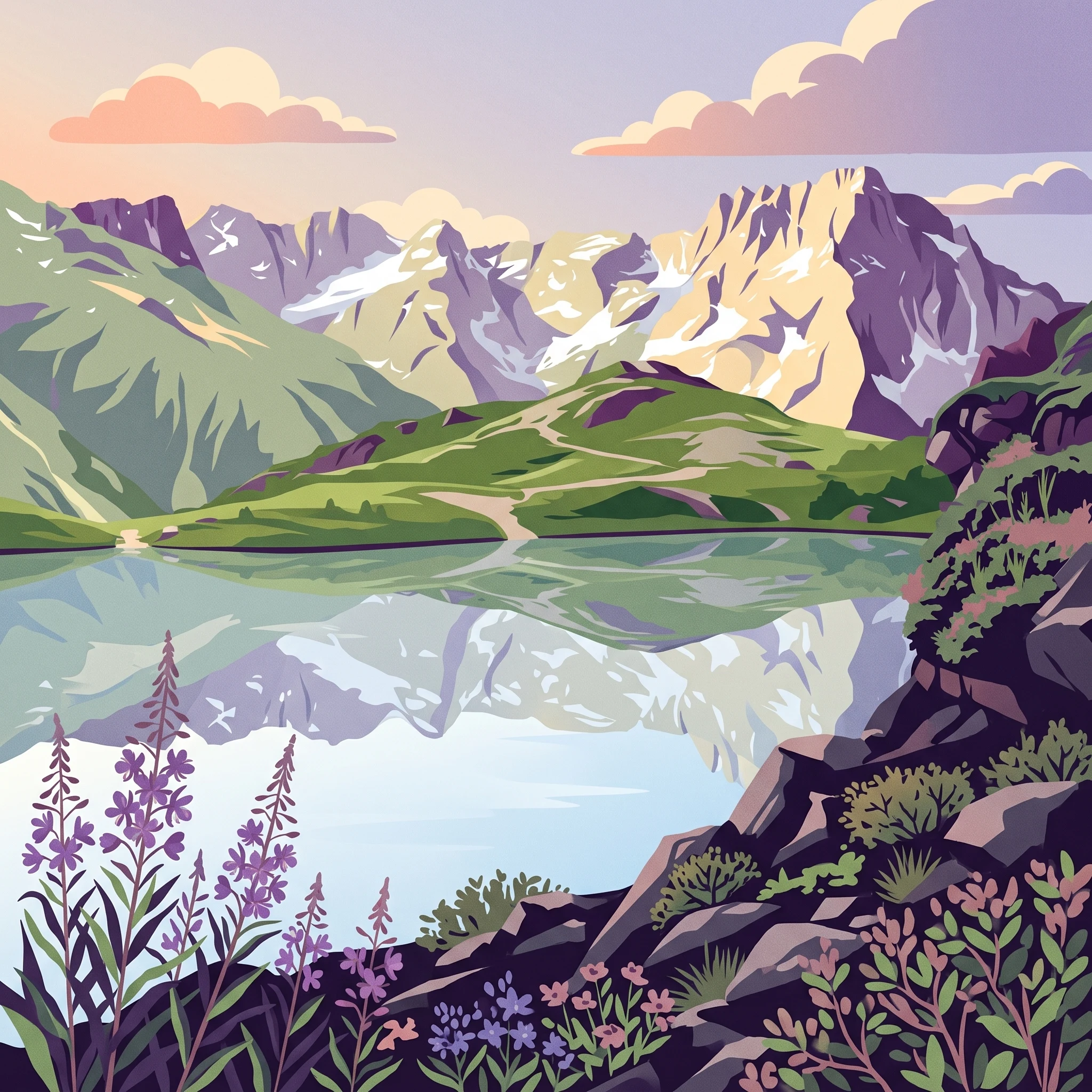
Trip Timing
When is the best time to visit Écrins National Park?
Deciding on the best time to visit Écrins National Park requires balancing the physical demands of high-altitude alpine terrain against the seasonal window for reliable trail access. Because the park features dramatic elevations ranging from 800 meters in the valleys to the 4,102-meter summit of the Barre des Écrins, weather conditions are rarely uniform across the landscape. The most effective way to approach your trip timing is to prioritize either the high-mountain accessibility of the summer months or the quieter, snow-covered landscape of the winter season, understanding that the shoulder seasons often involve rapid, unpredictable weather transitions.
The Relationship Between Elevation and Accessibility
In this park, timing is dictated by the interaction between temperature and altitude. While valley floors may experience moderate temperatures throughout the year, the high-altitude core of the Massif des Écrins remains subject to prolonged winter conditions. Summer is the only period when high-altitude hiking and technical climbing become broadly accessible, as snowmelt significantly reduces risks on established routes and passes. If your objective involves trekking the extensive network of marked trails, including the iconic GR 54 circuit, you must align your visit with these stable mid-summer months. Outside of this window, high mountain passes often remain impassable, and the risk of snow-related hazards increases significantly.
Balancing Weather with Visitor Priorities
Temperature profiles within the park demonstrate a stark contrast between seasons, with mean temperatures at higher elevations frequently dropping below freezing. Visitors who prioritize extended daylight hours and warmer conditions for outdoor activities will find that the months from June through September offer the most reliable weather patterns. Conversely, those seeking a landscape for winter sports or a remote, quiet experience must be prepared for much colder temperatures, reduced daylight, and the physical challenges of navigating deep snow.
It is important to recognize that the park's climate normals are not forecasts. Even during the peak of summer, visitors should anticipate that rapid shifts in wind and precipitation can occur at any time, especially near the massif's summits and glaciers. The transition between the primary summer and winter seasons is not a binary switch but a gradual shift, often marked by fluctuating trail conditions that necessitate flexible planning. Before finalize your dates, you should always consult current conditions and official updates from park authorities to ensure that your intended routes and experiences match the reality of the season. Your choice of timing serves as the foundation for your visit, as it ultimately determines which areas of the 925-square-kilometer territory are safely reachable and what level of equipment you will need to navigate this rugged alpine environment.
Seasonal Planning
Best Months to Experience Écrins National Park by Activity
Peak Mountaineering and High-Altitude Access: July and August
The most consistent window for reaching the highest elevations of the massif, including routes near the Barre des Ecrins, occurs during July and August. These months provide the most favorable thermal conditions for navigating glaciated terrain and high-mountain passes. Daytime maximums during this period typically reach their annual peak, averaging above 22 degrees Celsius at mid-altitude sampling points. For mountaineers and experienced trekkers planning to cross high cols or access remote glacial zones, this represents the safest window in terms of minimizing unexpected late-season snow cover. The trade-off for these warmer temperatures is the potential for increased afternoon convective activity, which is common in alpine environments. Travellers should expect the highest concentrations of visitors during these months, reflecting the period when high-altitude huts and mountain routes are most frequently utilized.
Extended Trekking and Moderate Temperatures: June and September
For those focusing on the park's extensive network of over 700 kilometers of marked trails, June and September often offer a more temperate experience. June benefits from the longest daylight hours of the year, providing significant flexibility for long-distance hikers. While valleys may be lush, hikers should remain aware that higher-elevation sections may still retain remnants of winter snow, requiring careful route planning. September, by contrast, often brings more stable atmospheric conditions as the heat of summer dissipates. Daytime temperatures in September remain mild, typically staying near 20 degrees Celsius, but the nights see a sharper decline in temperature compared to the height of summer. This period is often favored by hikers who prefer avoiding the most intense peak-season heat and density, though it requires a readiness for the shorter daylight windows as the month progresses toward October.
Spring Transitions and Low-Valley Exploration: April and May
Spring offers a unique window for visitors interested in lower-altitude exploration, including the valleys and peripheral zones of the park. During April and May, the park experiences a rapid transition. Average temperatures begin a steady climb, with mean levels rising from near freezing to roughly 6 degrees Celsius by May. This is a period of dramatic environmental change as snow melt influences stream flow and lower meadows begin to bloom. Travellers should expect highly variable conditions, where mountain passes remain largely impassable due to deep snow and potential avalanche risk, rendering this time unsuitable for high-alpine trekking. It is best suited for those focusing on cultural or ecological exploration in the valleys, provided they are prepared for the unpredictable precipitation patterns that characterize this transitional time.
Annual Climate Analysis
Weather and Climate Trends in Écrins National Park by Month
Understanding the climate of the Massif des Écrins requires acknowledging that environmental conditions are driven primarily by the park's significant vertical relief. The following observations are based on long-term climate normals (1991 to 2020) recorded at an elevation of approximately 1,937 meters. These values represent aggregate trends for high-alpine research and monitoring, which serve as a baseline for understanding the environmental rhythm rather than a substitute for real-time mountain forecasts or daily site-specific weather.
The Shift from Deep Winter to Alpine Spring
Winter in the high reaches of the park is defined by extended periods of sub-zero temperatures and high humidity, with January and February acting as the coldest months. Average minimum temperatures during this time consistently drop below -19°C. While these months offer the most stable cold, the limited daylight,averaging around 9 hours in January,constrains the time available for outdoor activity. As the calendar turns to March and April, the park experiences a critical transition. While nighttime lows remain frigid, often in the double digits below zero, the maximum daytime temperatures begin a steady climb, reaching toward 12°C by April. This warming trend, coupled with an increase to over 13 hours of daylight, marks the start of the spring thaw in lower and mid-elevation zones.
The Peak Summer Climatic Window
June through August represents the park's most temperate period. June acts as a bridge month, where mean temperatures climb to 10°C, and maximums reach 21°C. By July and August, the climate stabilizes at its warmest, with mean temperatures peaking around 12°C. These months are characterized by the highest levels of solar exposure and the most consistent daytime warmth, often exceeding 22°C at the monitored altitude. Notably, humidity levels drop significantly during this period, falling to their annual lows of approximately 69 percent in August. This drier, clearer window provides the most reliable conditions for high-altitude visibility, though travelers should always expect rapid shifts in wind and atmospheric pressure common to mountain massifs.
Autumn Cooling and the Return of Moisture
As daylight hours retreat from over 15 hours in July to just over 10 hours by October, the park enters a phase of rapid cooling. September acts as a mild final stage of the summer season, maintaining average maximums near 20°C, but the shift toward winter is signaled by an increase in precipitation and rising relative humidity. By November, moisture levels,measured as precipitation per day,reach their annual peak at 3 mm. This is the period where the park moves from late-season autumnal conditions back into a cycle of freeze and thaw. The volatility of weather in these transitional shoulder months often brings unpredictable cloud cover and localized precipitation that can obscure high peaks, distinguishing these months from the clearer, more predictable windows of mid-summer.
Interpreting Mountain Normals for Travel
It is essential to view these climate normals as indicators of broader cycles rather than guarantees. Because the park spans from 800 meters to over 4,100 meters, temperatures and precipitation patterns vary drastically between the valley floors and the glaciated summits. Travelers should expect that any movement in elevation will result in a corresponding shift in temperature and weather exposure. Always prioritize current meteorological reports and official park bulletins before undertaking high-altitude routes, as the average climate data cannot account for localized storms, persistent snowpack, or the volatile wind patterns that define the Dauphiné Alps.
Seasonal dynamics
Understanding Seasonal Weather Patterns and Transition Phases in Écrins National Park
Transitioning from the Extended Winter Phase
The climate of this high-altitude range is defined more by its vertical relief than by a traditional four-season calendar. From December through April, the massif remains firmly in a deep winter state, characterized by persistent cold at the 1,937-meter elevation mark. During this period, mean temperatures frequently hover below freezing, and the landscape is dominated by snowpack and glacial conditions. This phase is not merely a few months of cold but an extended environmental state where high-mountain accessibility is restricted to those equipped for snow-based travel. As April transitions into May, the daily maximum temperatures begin a noticeable climb toward the teens, yet the nights remain biting, ensuring that snowmelt is a slow, gradual process rather than a sudden spring thaw.
The Short Alpine Summer Window
The most stable environmental window exists from June through August. This period represents the thermal peak of the year, with July and August consistently recording the highest mean temperatures. While daylight hours are at their longest in June, the heat accumulation is slightly delayed, making late summer the period of most consistent warmth. This is the only phase where the persistent snow at higher elevations retracts enough to clear many of the marked high-altitude trails, though visitors should expect significant variation in surface conditions based on recent snowfall and specific slope exposure. Humidity reaches its annual low during this period, providing the driest and most predictable atmospheric conditions for trekking, though afternoon convective clouds remain a constant factor in alpine meteorology.
The Autumnal Shift and Early Freeze
September acts as a critical transition month, signaling the rapid end of the summer peak. While daytime temperatures can still reach upwards of 20 degrees Celsius, the drop in average nightly temperatures back toward freezing marks a distinct shift. This month is defined by shorter, more manageable daylight hours and an increase in cloud cover compared to the peak of August. By October, the mountain environment undergoes a swift metamorphosis as mean temperatures plummet and the cycle of precipitation shifts toward potential early-season snowfall. The transition from the relative stability of late summer to the volatile, cooling environment of late autumn happens rapidly, often within a few weeks, catching many visitors off guard who expect the lingering warmth of the valleys to extend into the higher peaks.
Understanding Microclimate Volatility
Because the terrain rises from 800 meters in the valley floors to over 4,100 meters at the summits, visitors should avoid applying a singular seasonal label to any specific month. A period categorized as a warm summer phase at the base of the massif may still exhibit near-freezing, winter-like conditions at higher mountain passes. The transition phases, particularly the late spring thawing period and the early autumn cooling period, are when this altitude-driven discrepancy is most pronounced. These months require the highest degree of preparation, as the lower slopes may feel pleasant and spring-like, while the higher alpine zones remain encased in the residual winter patterns that define the core massif for the vast majority of the year.
Seasonal Experiences
Experiencing the Alpine Landscape of Écrins National Park Through the Seasons
Navigating the High Alpine Terrain Through the Seasons
The experience of Écrins National Park shifts dramatically based on the seasonal reach of the snowpack and the accessibility of high-altitude landmarks. Because much of the park exists well above 2,000 meters, the landscape is defined by its glacial systems and alpine peaks that remain largely sequestered under winter conditions for a significant portion of the year. Visitors who plan their trips during the peak summer months gain access to the park's most iconic features, such as the trails leading toward the Glacier Blanc. During these weeks, the daylight and temperature profiles at mid-elevation elevations typically allow for sustained activity on the 700 kilometers of marked trails, making this the only period where high-mountain trekking is feasible for most visitors.
Seasonal Wildlife and Ecological Observations
The park is a critical sanctuary for the alpine ibex, and the timing of your visit impacts the likelihood of observing these animals in their natural habitats. As the snow recedes in late spring and early summer, populations often move to higher, rocky slopes to graze on fresh vegetation. Conversely, as temperatures drop and the autumn transition arrives, these animals move toward lower altitudes to escape the initial onset of winter conditions. While wildlife is present throughout the year, the stability provided by the core summer window allows for the best visibility as the animals frequent the exposed slopes near the park's trail networks. Visitors should note that specific areas, including the Réserve Intégrale du Lauvitel, are managed for strict protection, and access is inherently limited regardless of the season to ensure the security of these sensitive ecosystems.
Accessing Glacial Features and Remote Lakes
Visiting the park’s unique glacial landscapes requires careful timing. The Glacier d'Arsine and other remote alpine lakes are often inaccessible or obscured by snowpack until well into the summer season. In early summer, high-altitude hiking paths may still hold significant snow patches, requiring specialized equipment or caution. For those interested in viewing the park's largest lake, Lac du Lauvitel, the transition from late spring to summer provides the clearest access as the lake ice thaws. During the winter months, these glacial features become part of a frozen, expansive wilderness that is better suited for specialized winter mountaineering rather than casual trekking. It is essential to remember that even in months with higher temperatures, high-altitude conditions can deteriorate rapidly due to sudden weather shifts. Always consult current conditions through the park authorities, as seasonal access to specific remote valleys and high mountain passes depends on snow clearing and safety evaluations that go far beyond standard climate expectations.
Travel Priorities
Choosing the Best Time to Visit Écrins National Park Based on Your Priorities
Prioritizing Warmth and Longer Daylight for Alpine Exploration
For travelers who prioritize stable, warmer conditions and the longest possible days for mountain activities, July and August serve as the primary windows. During these two months, the mean temperatures at 1937 meters hover around 12 degrees Celsius, with average maximums climbing past 22 degrees. This period offers the most reliable daylight, peaking at over 15 hours in July, which significantly expands the time available for movement across complex terrain. The core trade-off here is the intensity of the sun at high altitudes and the reality that these months represent the peak of the visitor season across the French Alps. While the valleys remain pleasant, the high-altitude heat can lead to rapid snowmelt, impacting glacier stability and increasing the risk of rockfall on specific slopes by the late afternoon.
Timing Your Trip for Cooler, Comfortable Walking Temperatures
If your primary goal is hiking through the lower and mid-elevation valleys without the persistent heat of mid-summer, the shoulder months of June and September offer the most comfortable conditions. June acts as a transitional month where temperatures are warming but the landscape still retains a sense of freshness from the spring melt. The mean temperature is approximately 10 degrees Celsius. September is often favored by experienced hikers because the atmosphere is frequently more stable than in July or August, with cooler, crisper air. The trade-off for these quieter months is the reduced amount of daylight, which drops to around 12 hours by late September, and the increased likelihood of sudden weather shifts as the autumn transition begins to take hold of the massif.
Minimizing Precipitation for High-Altitude Stability
Travelers seeking to minimize the risk of rain or unstable, moisture-heavy conditions should look toward the late summer window of August. Climate data indicates that precipitation levels remain relatively modest during this time, averaging under 2 millimeters per day. While mountain weather is inherently unpredictable and cannot be guaranteed, this window often provides the longest period of sustained dry conditions. The compromise for choosing this period is that you are also aligning your visit with the peak of alpine growth and biological activity, which necessitates strict adherence to park trails to protect fragile ecosystems. Visitors should be aware that even in the driest months, high-altitude peaks act as orographic barriers, meaning storms can develop rapidly regardless of the regional forecast.
Planning for Spring Valley Exploration
For those who prefer to explore the lower reaches of the massif while the high peaks remain under deep winter snow, the month of April offers a unique, albeit chilly, perspective. With average maximum temperatures around 12 degrees Celsius at 1937 meters, the valleys begin to see daylight lengths stretching past 13 hours. This period is not suitable for high-altitude climbing or traversing mountain passes due to the snowpack, but it is an ideal time for those focused on photography or low-elevation scenery, provided they are prepared for frequent temperature fluctuations and the reality that many high-altitude mountain huts and secondary access roads remain closed until late spring or early summer.
Access and Logistics
Seasonal Access and Practical Trip Planning for Écrins National Park
Navigating Seasonal Entry and Road Access
Access to the park is dictated by a network of entry points that connect local valley infrastructure to the core mountainous area. While numerous roads lead from the surrounding regions into the massif, the most common entry points for travellers often include the southwest via Chabottes. It is essential to recognize that mountain roads are subject to significant variations based on the time of year. During winter and early spring, higher-elevation mountain passes may experience temporary closures due to snow accumulation or ice, necessitating adherence to local road authorities. Always check with regional tourism offices or the park administration for current road status before setting out, as seasonal access is not guaranteed by climate patterns alone.
Rules for Protected Alpine Terrain
As with other national parks in France, management of the landscape is rigorous to ensure long-term conservation. Regulations prohibit travelling via your own vehicle off marked roads to prevent degradation of the sensitive alpine ecosystem. This policy is strictly enforced to protect the integrity of the core zone. When planning your route, rely on the established trail network, which covers over 700 kilometers. Visitors should verify any specific regulations regarding motor vehicle usage or parking near the park boundaries with official park sources, as these rules are durable components of the park's management plan.
Planning for High Mountain Hut Logistics
For those intending to engage in multi-day trekking or alpinism, access to high-altitude mountain huts is a critical logistical factor. These facilities typically operate on seasonal schedules that align with the arrival of summer and the receding snowpack, generally opening during the warmer months when the high-altitude trails become accessible. Because the operational periods for these huts can vary significantly from one year to the next based on snow conditions and staffing, you must confirm booking requirements and opening status directly through the official park or refuge management entities. Relying on historical patterns to assume a hut is open can lead to dangerous situations if you encounter unexpected closures or lack of service.
Verifying Permits and Activity Restrictions
While the park encourages exploration, certain areas are subject to heightened protection, such as the integral nature reserve at Lauvitel. Before finalizing your itinerary, confirm whether your intended activities require specific permits or are subject to seasonal restrictions designed to protect local wildlife or habitats. Information on current regulatory requirements can be found through the official park website or visitor centers located near the main entry points. Planning your trip requires active verification of these details to ensure full compliance with current management directives.
Safety and Preparation
Seasonal Safety and Packing for High Alpine Conditions in Écrins National Park
Navigating Extreme Temperature Fluctuations
Preparation for a visit to the park centers on the reality that alpine environments exhibit intense temperature shifts. Even during the height of summer in July and August, mean temperatures at elevation remain modest, while nighttime lows can approach or drop below freezing. Visitors should anticipate that ambient temperatures in the valleys will be significantly higher than at the high-altitude passes or near glaciers. Because climate normals demonstrate such a narrow thermal window, layering is the standard for managing these conditions. Clothing should be selected based on the ability to add or remove layers rapidly as the sun moves behind peaks or as you transition between sun-exposed slopes and shaded couloirs.
Preparing for Rapid Weather and Light Changes
Beyond temperature, the park is subject to unpredictable weather patterns that can shift within a single afternoon. While precipitation averages are relatively consistent throughout the warmer months, the intensity and timing of mountain storms are highly variable. Daylight hours are also a critical planning factor; summer provides the longest windows for activity, with over 15 hours of daylight, but this drops significantly in the shoulder seasons. Hikers should time their departures to ensure they return to secure locations well before sunset, as visibility drops sharply once shadows fill the deep glacial valleys. Always review the latest mountain-specific forecasts and regional warnings, as these provide the current data that historical averages cannot predict.
Seasonal Hazards and Terrain Awareness
Safety in the high alpine terrain of the park is intrinsically linked to the season and the condition of the snowpack. During the spring and early summer, lingering snow can obscure trail markings and hide terrain hazards. Preparedness requires an understanding that trail conditions change as the season progresses, meaning a route that is clear in August may be treacherous or impassable in June. When planning, consider the elevation of your objective, as higher trails remain in winter conditions long after the valleys have bloomed. If your itinerary includes technical routes or high-altitude crossings, you must check local trail reports and the status of mountain huts, which act as vital points of safety and communication. If you encounter unexpected snow, ice, or rapid weather degradation, the most effective safety measure is to adjust your route or return to the valley. Always consult official park notices regarding specific alerts, such as seasonal rockfall risks or maintenance closures, before starting any trek.
Final Planning
Deciding the Best Time for Your Visit to Écrins National Park
Deciding when to travel to the high alpine landscape of the Ecrins involves balancing your physical objectives against the predictable volatility of mountain climates. The core decision hinges on whether your priority is reliable access to the high-altitude peaks and glaciers, or the pursuit of quieter trails during the shoulder seasons. While the summer months of July and August provide the most consistent conditions for reaching higher elevations, they also coincide with the busiest period for mountain refuges and popular trailheads. If your focus is high-alpine trekking or mountaineering, this narrow window is essential to avoid lingering snowfields and the increased risk of weather-related hazards that persist well into June.
Conversely, those seeking a more solitary experience in the valleys or lower mountain circuits often find late spring or early autumn to be the most rewarding periods. These times offer a distinct change in the atmosphere of the Dauphine range, as the intensity of the summer heat recedes and the trails clear of the peak-season rush. However, this shift requires a higher tolerance for unpredictability. Even during relatively mild months like September, the rapid transition toward winter conditions can bring early snowfall or plummeting temperatures overnight. Choosing these dates means prioritizing a specific type of alpine serenity over the guarantee of fair weather.
Ultimately, there is no single best time to visit because the park reveals different facets of its character based on the season. If you are planning a trip, define your primary goal first. If that goal is conquering technical summits, aim for the mid-summer peak. If you prefer long, quiet walks through autumn-colored valleys or spring meadows, plan for the transition months but remain flexible in your itinerary. Always remember that climate normals provide a baseline for what to expect, not a forecast for your specific dates. Before you depart, verify current road closures, mountain hut status, and regional weather alerts to ensure that your plans align with the reality on the ground during your visit.