
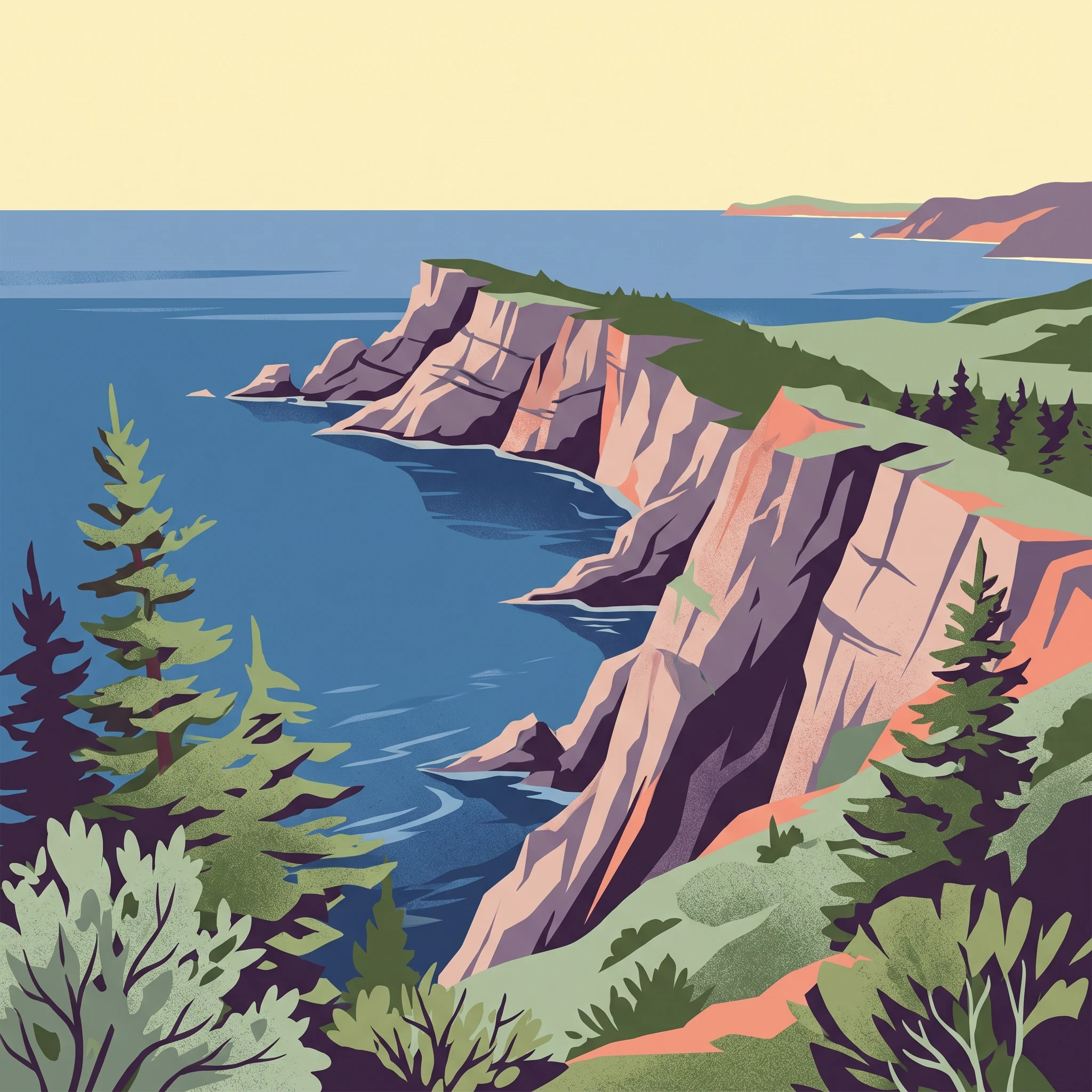
Seasonal Planning
When is the Best Time to Visit Forillon National Park
For most visitors, the best time to visit Forillon National Park falls between June and September. This four-month window offers the most reliable access to the park's maritime and terrestrial attractions, as the moderating influence of the Gulf of St. Lawrence provides comfortable temperatures that rarely become stifling. By planning your trip during this period, you align your visit with the reopening of park facilities and the full availability of infrastructure necessary to explore the dramatic cliffside trails and coastal waters.
Balancing Weather and Accessibility
While summer provides the most accessible experience, deciding when to visit depends heavily on how you prioritize weather comfort against the desire for solitude. The park operates on a distinct rhythm dictated by its northerly latitude. In the height of summer, daytime highs generally remain pleasant, often peaking near 24 degrees Celsius. However, this is also when the park sees its most consistent visitor activity. If you prefer quieter trails and the shifting beauty of the landscape during transitional months, the shoulder periods of late spring or early autumn offer a compelling alternative. During these times, you may encounter cooler air and fewer services, but you gain the chance to experience the Appalachian forest ecosystems and the rugged Gaspé coastline with significantly fewer crowds.
Understanding Environmental Trade-offs
Environmental factors play a major role in shaping your visit beyond mere temperature. Daylight hours and local wind patterns are critical considerations for anyone planning maritime excursions or coastal hikes. The park experiences a dramatic shift in daylight, ranging from the short, cold days of winter to the long, bright evenings of mid-June. Furthermore, visitors should be aware of the thermal breezes that influence the south shore. These winds, created by the interaction between warmer bay waters and cooler open sea air, can reach significant speeds during the midday hours in summer.
Ultimately, there is no single best time to visit Forillon National Park that suits every traveller. Those who prioritize whale watching, swimming, and full access to cultural heritage sites like the Grande-Grave fishing village will find their needs best met by the peak summer months. Conversely, those seeking to photograph the fall foliage or walk the trails in near-isolation may find the early weeks of autumn more rewarding, provided they are prepared for the cooling temperatures and changing weather patterns that characterize the transition toward winter. Your choice should balance these seasonal shifts with your specific tolerance for variable coastal conditions.
Seasonal Planning
Best Months to Visit Forillon National Park for Optimal Conditions
Peak Summer for Maritime Exploration
For travellers prioritizing full access to water-based activities and the longest daylight hours, the window between July and August offers the most stable conditions. During these two months, temperatures reach their annual peak, with daily maximums averaging near 24°C. This period coincides with the most significant daylight availability, providing over 15 hours of light in early July to maximize time spent on coastal trails or observing marine life in the Gulf of St. Lawrence. The trade-off for these favorable conditions is a higher probability of encountering other visitors at popular coastal viewpoints and trailheads, as this is the busiest window for regional tourism.
Early Summer and Late Autumn Transitions
June and September serve as the primary shoulder periods for those seeking a balance between accessibility and lower visitor density. June provides a vibrant landscape as the park emerges from the cooler spring, though mornings remain crisp, with average minimum temperatures hovering around 5°C. This month offers the advantage of long daylight hours similar to mid-summer but with a distinct shift in park atmosphere. Conversely, September presents a transition into autumn, characterized by slightly cooler air and reduced daylight as the month progresses toward its 12-hour mark. These months are often preferred by hikers who want to avoid the heat of mid-July and mid-August while still benefiting from clear weather and accessible terrestrial paths.
Factors Influencing Your Timing Choice
When selecting a window between June and September, consider the interplay of wind and daily temperature shifts that characterize this coastal environment. Even during the peak of summer, the influence of the Gulf of St. Lawrence creates thermal breezes, particularly along the south shore, which can lower perceived temperatures significantly during the afternoon hours. While these breezes are a natural phenomenon for local sailors, they impact the climate experience for hikers and those planning extended stays on the coast. Travellers who prefer mild, consistent conditions for inland forest exploration may find the end of June and the entirety of September better suited to their needs than the occasionally warmer, more humid peak of July. Regardless of the month chosen, visitors should be prepared for the reality that maritime weather remains dynamic, with precipitation occurring throughout the summer months. Always verify local access and current conditions before travel, as the transition periods in late spring and early autumn can experience rapid changes in park operations and facility availability compared to the height of the season.
Annual Climate Overview
Forillon National Park Weather and Climate Patterns by Month
The Maritime Influence on Annual Temperature Shifts
Forillon National Park experiences a climate defined by the intersection of continental patterns and the immediate proximity of the Gulf of St. Lawrence. While inland areas of Quebec often face sharper temperature extremes, the marine influence here acts as a stabilizing force, slightly tempering the heat of summer and moderating the absolute floor of winter cold. The annual cycle reveals a rapid warming phase beginning in late spring, as the ice and lingering winter chill give way to the reliable warmth of June. Peak summer temperatures typically arrive in July and August, when average maximums hover near 24 degrees Celsius. It is during these months that the cooling effect of the water is most palpable, as coastal thermal breezes often prevent the sweltering heat waves found further inland, creating a comfortable environment for outdoor exploration.
Patterns of Daylight and Seasonal Transitions
The annual shift in daylight duration is a defining aspect of the park environment, dictating the practical length of the day for visitors. The summer solstice period in June provides the longest days, with daylight reaching nearly 16 hours. This abundant light facilitates extended periods for coastal hiking and wildlife observation. Conversely, as the calendar moves toward December, daylight diminishes significantly to just over 8 hours. This dramatic contraction of available light means that the rhythm of a visit must change drastically depending on the time of year. While mid-summer visitors benefit from early sunrises and late sunsets, those planning a trip in the shoulder months or during the colder periods must contend with a much shorter window of visibility for all terrain and activities.
Humidity, Wind, and Precipitation Trends
Precipitation in this region is relatively consistent throughout the year, with a slight uptick in the total volume observed as autumn approaches. October often sees the highest average precipitation of the year, which coincides with the transition into the windier conditions of late autumn and early winter. Humidity remains high throughout most of the year, a reflection of the maritime setting. Because the park is situated on a peninsula, it remains exposed to wind at all times, with average wind speeds noticeably climbing from the calmer summer period to the more turbulent winter months. Visitors should note that these measurements are based on long-term climate normals and do not represent a local forecast. Real-time conditions in coastal areas can be highly variable, and the exposed nature of the terrain means that wind chill or localized storms can make the actual environment feel significantly harsher than the monthly averages might suggest.
Understanding the Limits of Climate Normals
It is important to emphasize that these climatic data represent multi-year averages, which serve as a helpful baseline for planning, not a guarantee of weather conditions during a specific week. The elevation of the sample site,roughly 97 meters above sea level,means that temperatures on the high cliffs of Mount St. Alban or the open shoreline may differ from these averages. Readers should approach these figures as a reference for expected seasonal behavior, such as the predictable trend of warming from May to June and the cooling that begins to take hold in September, rather than as a substitute for checking current forecasts immediately before travel. The transition between seasons, particularly in spring and late autumn, is when weather is most susceptible to sudden shifts that depart from the long-term averages.
Seasonal dynamics
Understanding Seasonal Weather Transitions at Forillon National Park
Defining the Maritime Summer Phase
The park experiences a distinct, short-lived maritime summer that spans from late June through late August. This phase is characterized by the highest temperature averages of the year, with daily highs reaching the low 20s Celsius. Unlike inland regions of Quebec, the Gulf of St. Lawrence serves as a critical heat sink, preventing extreme heat waves and maintaining a comfortable, albeit variable, environment. During this period, the influence of the cold gulf waters creates a reliable rhythm of thermal breezes, particularly along the southern coast. These winds typically gain strength in the early afternoon, tempering what would otherwise be warmer days and ensuring that even in the peak of summer, the air remains fresh and brisk. Visitors should view this window as the only truly stable period for accessing higher elevation trails and exposed coastal paths without the threat of lingering frost or late-season storm instability.
Transitioning to the Autumnal Cooling Window
September serves as a critical transition month, marking the shift from the maritime summer into an extended cooling period that persists through October. During this time, the landscape undergoes a subtle but rapid environmental change. While September maintains moderate daytime temperatures near the low 20s, the drop in overnight lows and the significant reduction in daylight hours create a sharper divide between daytime activity and nighttime rest. By October, the influence of the Gulf becomes more pronounced as the water temperature begins to dictate the air quality, leading to increased wind speeds and higher precipitation frequency. This period is not defined by a simple shift to autumn, but rather by the loss of the summer thermal regulation, leading to a much more unpredictable meteorological environment that requires higher levels of readiness for sudden weather changes.
The Long Winter and the Vernal Melt
From November through May, the park enters an extended phase of winter-dominated conditions. This period is not merely a few months of cold weather, but a prolonged cycle that encompasses early winter storms, the depth of mid-winter, and a slow, messy vernal melt. The climate data confirms that significant precipitation, often falling as snow, is a constant threat throughout this phase. While the park is not entirely frozen from the start, the temperatures consistently drop below freezing, and the coastal winds become substantially more biting as the heat capacity of the Gulf waters diminishes. The late spring, particularly April and May, is a phase of thawing rather than a traditional blooming season. During these months, the ground remains saturated and temperatures frequently hover near the freezing point, making the transition into the summer season highly dependent on the specific annual weather patterns of that year rather than fixed calendar dates. This season is characterized by a lack of operational accessibility, as the park services effectively withdraw, leaving the rugged landscape to its natural winter rhythm.
Seasonal Experiences
Experiencing the Diverse Landscapes of Forillon National Park Throughout the Year
Navigating Seasonal Terrain and Hiking Access
The timing of your visit directly dictates the accessibility of the park's diverse trail network, which ranges from flat, coastal sand spits to the steep, forested slopes of the Appalachian range. During the warmer months from late June through early September, the entire trail system is typically open and free of snow. This period is the most suitable for exploring moderate to difficult routes like the Mont-Saint-Alban Trail, where reaching the summit provides sweeping vistas of the Gulf of St. Lawrence. The drier, warmer ground conditions during these months are particularly beneficial for navigating the steeper sections and rockier paths where traction can be compromised by moisture or late-spring runoff.
For those interested in unique ecological experiences, the La Taïga Trail on the La Penouille sand spit is best visited when the ground is thawed and stable. This fragile habitat, which represents one of the northernmost reaches of certain boreal species, requires strict adherence to designated paths. Visiting in mid-summer allows for optimal visibility of the salt marshes and brackish offshore shallows, where birdlife is most active. Conversely, early spring may see saturated ground or lingering mud that necessitates caution to prevent damage to these sensitive environments.
Heritage Sites and Coastal Exploration
The Grande-Grave National Heritage Site provides a distinct cultural window into the park's past as a fishing community. Walking through the restored saltbox houses and the Hyman and Sons warehouse is an experience best suited for the primary visiting season when interpretive programs are fully operational. During the shoulder months of late spring or early autumn, the sites remain physically accessible for exterior viewing, but the availability of specific historical exhibits and indoor interpretation modules often follows the park's main visitor facility schedules. Visitors planning to immerse themselves in the social history of the Gaspé Peninsula should prioritize the core summer months to ensure the full interpretive experience is available.
Winter and Shoulder Season Transitions
While the primary park visitor experience peaks in summer, a different set of activities emerges during the colder months. Since 2014, specific trails like La Vallée and Le Portage have been groomed for cross-country skiing and snowshoeing, transforming the park into a winter recreation destination. Unlike the summer hiking season, these winter activities rely on consistent snowpack, typically stabilizing from mid-winter onward. Access is focused on specific, plowed parking areas near the south sector, and the availability of warm-up shelters provides a critical, albeit limited, service for winter visitors. Because these winter operations lack the comprehensive maintenance presence of the peak season, visitors must be self-sufficient and strictly follow leave-no-trace principles, as the park transitions from a hub of maritime activity to a silent, snow-covered coastal landscape.
Travel Priorities
When to Visit Forillon National Park Based on Your Travel Priorities
Selecting a Window for Optimal Hiking and Exploration
For those prioritizing the expansive trail network, such as the ridges of the Mont-Saint-Alban or the coastal reaches of Les Graves, the most productive period typically falls between mid-June and early September. This window provides the best balance of daylight hours and stable, manageable ground conditions. By mid-June, most trails have finished their spring thaw, reducing the risk of encountering muddy or impassable sections that often persist on interior forest paths through late May. The longer daylight hours, peaking in June, provide the necessary cushion for multi-hour treks like the hike to the Cap-Gaspé lighthouse, allowing for a slower pace without the pressure of an early sunset.
Prioritizing Milder Temperatures and Coastal Comfort
If your primary goal is avoiding the extremes of heat or cold, mid-July through mid-August offers the most consistent thermal environment. During these weeks, the influence of the Gulf of St. Lawrence acts as a buffer, preventing the inland temperatures from reaching the volatile highs seen in more continental regions. However, this comfort comes with a specific trade-off: coastal fog is common during these peak summer weeks. Travelers who prefer clear, crisp visibility for photography or viewing the sea cliffs should consider September. While the average daytime temperatures begin to drop from the August peak of approximately 24 degrees Celsius, the air is frequently drier, and the probability of persistent maritime fog decreases significantly, providing clearer views of the Appalachian coastline and the Gulf waters.
Timing for Wildlife Observations and Marine Encounters
Visitors specifically aiming to witness marine life, such as whales and harbour seals, should target the core operational window of the park boat tours, which typically begins in June and extends through the Thanksgiving weekend in October. July and August are generally the most active months for marine excursions due to calm water conditions and higher frequency of departures. The compromise here is the density of fellow travelers, as these months coincide with the busiest period for park services. Those who prioritize a more solitary observation experience might find early September favorable, as the marine mammals remain present, but the volume of tour boat traffic decreases, potentially offering a more serene environment from the decks of authorized vessels.
Navigating the Trade-offs of the Shoulder Seasons
If you prefer to avoid the highest humidity levels of July and August, the shoulder months of June and September offer distinct advantages. June is often marked by the awakening of the park’s flora, though you must accept that water temperatures in the Gulf remain quite cold, and some peripheral visitor services may still be in the process of ramping up. September offers a different appeal, with the forest beginning its transition into autumn colors. While the days are shorter than in June, the absence of summer humidity often makes for the most comfortable weather for strenuous hiking, provided you are prepared for a sharper drop in temperatures once the sun sets.
Operational Access
Seasonal Access and Operational Considerations for Forillon National Park
Navigating Seasonal Infrastructure and Service Windows
Planning your visit requires understanding that infrastructure at Forillon National Park is highly seasonal. While the park itself remains accessible throughout the year, the scope of available services, road access, and facility operations fluctuates significantly based on the time of your arrival. The core visitor season typically aligns with the arrival of stable, warmer weather in late June and concludes in early autumn. During these months, two primary visitor centres, L'Anse-au-Griffon and La Penouille, operate to provide maps, expert guidance, and essential travel information. Outside of this window, these centres generally close their doors, shifting the responsibility for self-sufficiency onto the visitor.
Campground Availability and Booking Realities
The park offers a variety of accommodation styles, from primitive cliffside tent spots to serviced sites with full hookups and ready-to-camp oTENTik units. These facilities do not share a uniform opening schedule. For instance, specific campgrounds such as Cap Bon-Ami and Petit-Gaspé have historically operated within the core summer months, while others like Des-Rosiers offer a slightly extended period of service. Because management schedules, site availability, and booking systems are subject to annual adjustments and Parks Canada policy updates, you must confirm current status on the official park website before finalizing your travel dates. Relying on past years as a guarantee for current access can lead to unexpected challenges, particularly when planning for specific amenities like electric hookups or oTENTik site rentals.
Access Considerations for Remote Hiking and Backcountry Routes
For those intending to explore the park's more remote trails, such as the Les Lacs or Les Crêtes routes, logistical planning is essential. These backcountry areas feature limited infrastructure, including designated campsites that provide basic amenities like dry toilets and picnic tables. Some of these locations offer lean-to shelters, which provide a degree of protection from the elements. Accessing these sites often requires advance reservation. It is important to note that open-air wood fires are strictly prohibited in these areas, and visitors must carry their own portable cookstoves. As regulations regarding backcountry access, fire bans, and reservation requirements can change based on park conditions and conservation priorities, verify all rules directly with park authorities or at a visitor centre upon your arrival. Relying on current official channels is the only way to ensure your intended route remains open and that you have secured the necessary permits for your stay.
Safety and Preparation
Seasonal Weather Safety and Preparation for Forillon National Park
Preparing for Maritime Weather and Temperature Swings
Forillon National Park experiences significant temperature fluctuations due to its exposed location on the Gaspé Peninsula. While summer temperatures are generally mild, the maritime climate means conditions can shift rapidly. Visitors should expect cooler temperatures near the coast compared to inland forest areas, especially when the wind comes off the Gulf of St. Lawrence. Even in the peak summer months of July and August, when daytime maximums reach the low 20s Celsius, morning and evening temperatures can be considerably lower. Packing versatile layers is the most effective way to adapt to these shifts. Carrying a windproof and water-resistant outer layer is recommended throughout the season, as humidity combined with coastal wind often creates a cooling effect that feels colder than the ambient air temperature suggests.
Seasonal Wildlife Awareness and Road Safety
The park is a natural habitat for diverse wildlife, including black bears and moose, which requires proactive behavior from visitors. During late summer and early autumn, moose activity increases, particularly near park roads. Drivers should remain vigilant, maintain moderate speeds, and use high beams when conditions allow for safe visibility at night. If you are hiking in the backcountry, it is essential to follow established practices for food storage to avoid attracting wildlife to your campsite. This includes keeping trash, scented toiletries, and food in sealed, odor-resistant containers and storing them according to park guidelines. If you encounter wildlife, maintain a respectful distance and follow the official safety signage posted at trailheads and visitor centers. Loud noises can be an effective way to discourage bears from approaching, but the primary rule remains to observe from a safe distance and never attempt to feed or interact with animals.
Navigating Terrain and Daylight Shifts
As the season progresses from the long daylight hours of June and July toward the shorter days of September and October, your itinerary should be adjusted to ensure you return from trails before sunset. The terrain at Forillon is varied, ranging from gentle coastal paths to steeper climbs like the Mont-Saint-Alban trail. For all hiking activities, sturdy footwear and an awareness of your own physical limits are important. Because mobile phone service is inconsistent throughout the park, do not rely on digital maps or connectivity for navigation in remote areas. Always carry a physical topographic map if you plan to explore the backcountry and ensure someone outside the park knows your planned route and expected return time. Check local park alerts daily, as trail conditions can change based on recent rainfall or seasonal maintenance, and always verify if specific areas require permits before you begin your journey.
Final Planning
Deciding the Best Time for Your Forillon National Park Visit
Selecting the best time to experience the distinct maritime and Appalachian landscapes of Forillon National Park requires balancing your tolerance for cooler coastal temperatures against your desire for full service access. Because the park operates on a distinct seasonal rhythm, your choice of dates essentially dictates the scope of your itinerary. If your primary goal is to access the widest range of guided programs, fully operational visitor centres, and organized historical tours, the window from late June through early September is your most reliable choice. This period provides the warmest daily temperatures and the longest daylight hours, which are essential for exploring the coastal cliffs and forest trails comfortably.
Those who prefer to avoid the peak activity levels of mid-summer will find that the shoulder months offer a different but equally rewarding experience. June and September function as transitional periods where the crowds begin to thin and the maritime environment feels more remote. In these months, you must weigh the benefit of solitude against the likelihood of lower ambient temperatures and reduced service availability. It is important to remember that even in the height of summer, the Gulf of St. Lawrence exerts a cooling influence on the park, meaning evenings remain crisp and the coastal winds can change the feel of the day significantly. Your planning should prioritize layers of clothing regardless of when you visit, as reliance on a single weather expectation is rarely successful in this environment.
Ultimately, there is no single month that satisfies every traveller, as the park’s appeal changes fundamentally with the seasons. If you are prioritizing hiking and coastal observation, the warmer, longer days of July and August provide the necessary window. If you are seeking a quieter experience and are comfortable with self-reliance, the cooler shoulder seasons offer distinct benefits. Before finalizing your travel dates, always verify the current status of park infrastructure, road access, and seasonal services through official sources. Climate normals provide a helpful baseline for planning, but they are not daily forecasts. Your final decision should integrate your personal priorities for weather and service levels with a realistic expectation of the shifting conditions inherent to the Gaspé Peninsula.