
Why Fuchswiese bei Stettbach stands out
Fuchswiese bei Stettbach is best known for protecting a wet meadow that is critical habitat for the Dark Large Blue (Dunkler Wiesenknopf-Ameisenbläuling) and the Scarce Large Blue (Heller Wiesenknopf-Ameisenbläuling), two threatened butterfly species whose larvae depend on the Great Burnet flower and on host ant colonies during part of their development. The reserve's management is closely tied to this life cycle, with mowing restrictions between early June and the end of August to prevent disturbance during the butterflies' larval and pupation stages. The combination of rare invertebrate conservation, traditional meadow management, and a restricted land-use regime makes the site a notable example of small-scale, species-focused nature conservation in Hesse.
Fuchswiese bei Stettbach history and protected-area timeline
Fuchswiese bei Stettbach was first designated as a nature reserve on 9 September 2010 by the Darmstadt-Dieburg district administration as a small-scale reserve (Klein-Naturschutzgebiet) with an area of about 1.6 hectares. The establishment reflected local recognition of the site's importance as a wet meadow supporting threatened butterfly species.
On 24 August 2013, the reserve was expanded through a new regulation, increasing its area to roughly 3 hectares and broadening the habitat protected around the original meadow. This expansion reinforced the site's role in conserving the wet meadow habitat and its associated species, giving the reserve its current extent. The reserve is listed in the World Database on Protected Areas under ID 555514018 and is referenced in the German national protected-area system under the identifier 1432029.
Fuchswiese bei Stettbach landscape and geographic character
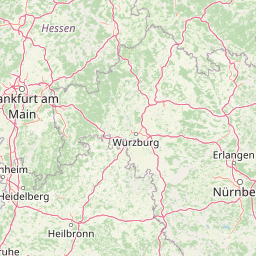
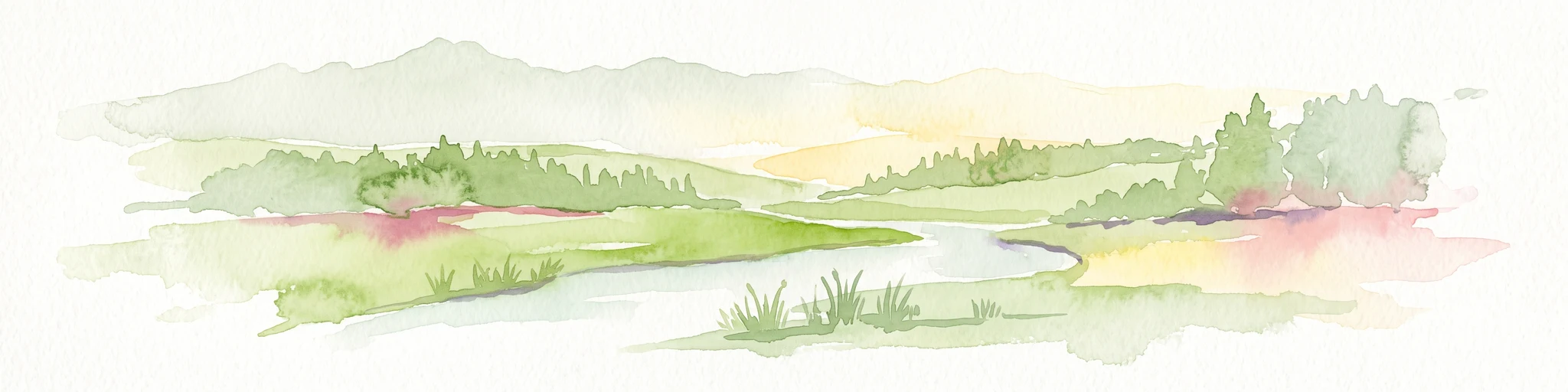
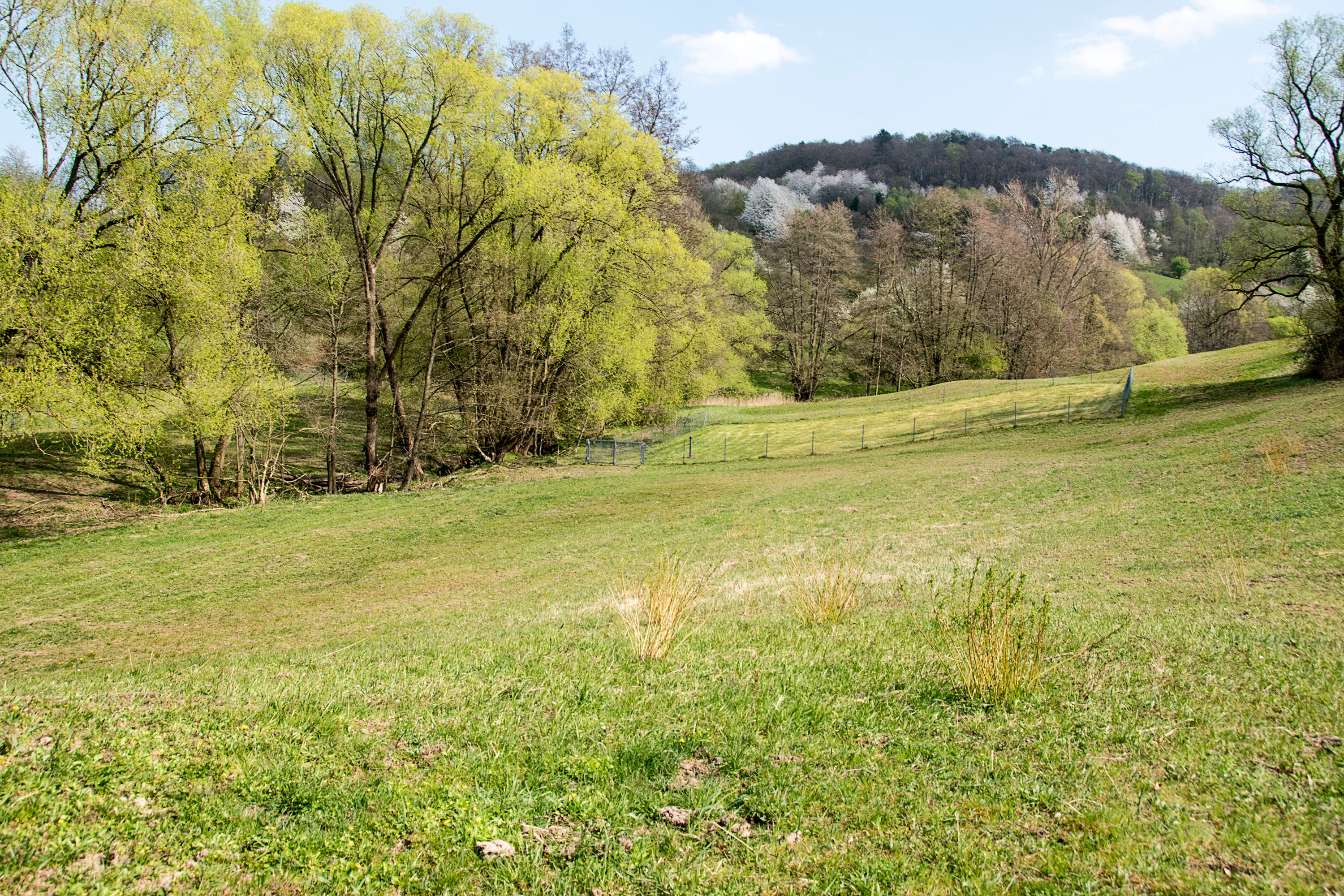
The landscape of Fuchswiese bei Stettbach is shaped by a moist, species-rich meadow habitat set within the rolling terrain of the northern Odenwald fringe. The protected area sits northwest of the village of Stettbach and lies within the cadastral district of Ober-Beerbach, where fields and forested ridges alternate along the transition between the Rhine-Main lowlands and the uplands of the Odenwald.
The wet meadow (Feuchtwiese) itself is the defining landscape element of the reserve. Saturated soils and slow-moving surface water support moisture-loving vegetation, while surrounding slopes and small woodland patches typical of the region frame the open ground. The resulting mosaic of wet meadow, drier grassland, and adjacent mixed land cover creates the physical conditions that the reserve's protected species rely on.
The reserve is small in extent, but the contrast between the flat, damp meadow floor and the gently undulating surroundings is ecologically meaningful. It is precisely these conditions, rather than dramatic scenery, that define the site's character and determine how the reserve is managed.
Fuchswiese bei Stettbach ecosystems, habitats, and plant life
Ecologically, Fuchswiese bei Stettbach is a wet meadow ecosystem of considerable species richness for its size. The plant community includes meadow species characteristic of moisture-influenced grassland in central Europe, with the Great Burnet (Großer Wiesenknopf) playing a particularly important role as a host plant for the reserve's signature insects.
The habitat value of the reserve extends well beyond its two flagship butterfly species. A wide range of invertebrates is associated with the meadow, including the Wasp Spider (Wespenspinne), which is among the more conspicuous animals recorded on the site. Together, these species illustrate how a small mosaic of wet meadow, drier ground, and edge habitat can support a diverse invertebrate community over just a few hectares.
Management of the meadow is closely tailored to the ecology of the site. Mowing is not permitted between 1 June and 31 August, the period that overlaps with the caterpillars' development inside host ant nests and their pupation near the nest entrances. From October onward, the area may be grazed as a follow-up measure to maintain the open meadow structure. This management approach reflects the principle that the meadow's ecological integrity depends as much on timing as on the physical extent of protection.
Fuchswiese bei Stettbach wildlife and species highlights
The wildlife significance of Fuchswiese bei Stettbach centers on its invertebrate fauna, particularly two threatened Large Blue butterflies: the Dark Large Blue (Dunkler Wiesenknopf-Ameisenbläuling) and the Scarce Large Blue (Heller Wiesenknopf-Ameisenbläuling). Both species use the Great Burnet as their initial host plant for egg laying and as a food plant for young larvae. As caterpillars grow, they are taken into the nests of host ants and feed on ant brood before pupating and emerging as adult butterflies the following June.
This dependence on a complex of plants and ants makes the habitat materially important for rare meadow invertebrates. The reserve's mowing and grazing rules are specifically designed to keep the timing of disturbance compatible with the butterflies' multi-stage life cycle, protecting them while the larvae are inside the ant nests and during pupation.
Other invertebrates also benefit from the protected wet meadow. The Wasp Spider is recorded on the reserve, and the broader species richness of the meadow likely supports a community of meadow-specialist insects, spiders, and other small animals typical of well-managed wet grasslands in central Europe.
Fuchswiese bei Stettbach conservation status and protection priorities
Fuchswiese bei Stettbach is conserved primarily as habitat for endangered meadow butterflies and as a representative example of a southern Hessian wet meadow under formal protection. Its small size and expansion in 2013 reflect an approach in which modest but well-targeted reserves can play an outsized role in safeguarding vulnerable species. The reserve is registered internationally in the World Database on Protected Areas and forms part of a larger network of protected sites in the Darmstadt-Dieburg district, where similar small reserves conserve individual meadow, wetland, and forest fragments.
Top sights and standout views in Fuchswiese bei Stettbach
Fuchswiese bei Stettbach stands out as a small, species-rich wet meadow reserve designed around the specific life cycle of two rare Large Blue butterflies, with management rules that deliberately align mowing and grazing with the insects' vulnerable life stages. Its expansion in 2013 from about 1.6 to around 3 hectares strengthened the protection of the meadow habitat and the broader community of meadow invertebrates, demonstrating the value of targeted landscape-scale conservation in intensively used parts of southern Hesse.
Best time to visit Fuchswiese bei Stettbach
The reserve is most meaningful to visit during the warmer months, when the wet meadow is in active growth and the butterfly species that depend on the site are most conspicuous. Adult Large Blue butterflies emerge in June at the nest entrances of the host ants, making early to mid-summer a particularly relevant period for understanding the reserve's ecology. From October onward, the meadow may also be grazed, and the landscape reflects that management cycle. Because mowing is restricted from early June through the end of August, observers should expect the meadow to remain uncut during the height of summer, which corresponds to the active season of many of its invertebrates.