Mori Atlas logo
Nature reserveGroßer Kranichsee

A historic transboundary raised bog landscape shaping the watershed across the Saxon and Bohemian high plateau.

Großer Kranichsee Nature Reserve: Exploring the Geography and Mapped Boundaries of this Ore Mountain High Moor

(Naturschutzgebiet Großer Kranichsee)

Großer Kranichsee represents one of the oldest and most significant nature reserves in Saxony, situated on the high plateau of the Ore Mountains along the German-Czech border. This raised bog functions as a crucial watershed moor, with water draining toward the Große Pyra, the Wilzsch, and the Rolava river systems. Recognized for its active peat-forming habitats and unique mountain pine bog forests, the area provides a window into the cold, wet highland geography that defines this protected high moorland.

raised bogHochmoorOre MountainsErzgebirgeSaxonytransboundary nature reserve
A flat-style digital illustration showing a mountain valley with tall pine trees in the foreground, a winding stream with a small waterfall, and distant rocky cliffs and peaks.

Großer Kranichsee

Nature reserve

Park overview

Structured park overview, official facts, and landscape profile for Großer Kranichsee

Großer Kranichsee park facts, protected area profile, and essential visitor context

Review the core facts for Großer Kranichsee, including designation, size, terrain, visitor scale, habitats, and operating context in one park-focused overview.

About Großer Kranichsee

Großer Kranichsee is a high-elevation raised bog complex on the crest of the Ore Mountains, where the Saxon-Bohemian border runs across the watershed. Its position at roughly 950 m on the mountain ridge gives it one of the coldest and wettest local climates in Saxony, conditions that have allowed peat-forming processes to continue for thousands of years. The protected area extends across the municipalities of Muldenhammer and Eibenstock, so it falls within both the Erzgebirgskreis and the Vogtlandkreis.

The bog occupies a watershed position high in the landscape. To the west its waters feed the Große Pyra, to the east the Wilzsch rises from the neighboring Wilzschmoor, and to the south drainage crosses into the Czech Republic toward the Rolava. This hydrological role, together with its capacity to store water slowly and release it to surrounding streams, was emphasized by the regional historian Siegfried Sieber, who noted its relevance for groundwater levels and local drinking water supply. A former lake feature west of the bog, known as the Schwarzer Teich, has since silted into the peatland system.

Ecologically, the reserve hosts eleven habitat types listed under the EU Habitats Directive, four of which are designated as priority habitats requiring special conservation attention. These include species-rich Borstgrasrasen grasslands, active raised bogs, mountain pine (Bergkiefer) bog woodlands with Pinus mugo and bog pine stands, and spruce-dominated bog forests. Beyond its formal habitat classification, the bog supports relict and cold-adapted species such as mountain pine, Scheidiges Wollgras, crowberry, bog bilberry, cloudberry relatives, bog rosemary, arnica, and Bärwurz, marking it as one of the more botanically distinctive sites in the Saxon uplands.

Within the broader European conservation network, Großer Kranichsee sits at the heart of the Natura 2000 site 'Erzgebirgskamm am Großen Kranichsee', whose proposal was initiated by the Saxon state government and accepted by the European Commission. It is also embedded in the larger Special Protection Area 'Westerzgebirge', which covers migratory and resident bird species across a wider section of the western Ore Mountains. This dual recognition under both the Habitats Directive and the Birds Directive gives the bog protection status that extends well beyond domestic German nature reserve law.

Quick facts and research context for Großer Kranichsee

Großer Kranichsee is a protected raised bog and surrounding nature reserve in the upper Ore Mountains, on the ridge at roughly 950 m elevation on the German-Czech border. It was first placed under protection in 1912, with major expansions in 1961, 1967, and 2008, making it among the oldest nature reserves in Saxony. The reserve covers around 611 hectares and contains eleven FFH habitat types, four of which are classified as priority habitats under EU law.

The site serves as the central component of the Natura 2000 area 'Erzgebirgskamm am Großen Kranichsee' and falls within the Special Protection Area (SPA) 'Westerzgebirge'. It is administered across the municipal territories of Muldenhammer and Eibenstock, spanning parts of both the Erzgebirgskreis and the Vogtlandkreis in Saxony.

Protection and recognition

Examine official database records, WDPA identifiers, and conservation frameworks.

Großer Kranichsee Protection Status and Official Designation Records

Protected area records for Großer Kranichsee outline documented designation details, administrative frameworks, and official database entries. Structured conservation data provides reliable reference points for international protected landscapes and regional natural reserves.

Protection details

WDPA ID
14531
Park context

Deeper park guide and search-rich context for Großer Kranichsee

Großer Kranichsee history, landscape, wildlife, and travel context

Explore Großer Kranichsee through its history, landscape character, ecosystems, wildlife, conservation priorities, cultural context, and seasonal travel timing in a structured park guide built for atlas discovery and search intent.

Why Großer Kranichsee stands out

Großer Kranichsee is best known for being one of the most important raised bogs (Hochmoore) of the Ore Mountains, and for its long history of formal protection dating back to 1912. The reserve is recognized for the unusual concentration of intact bog habitats and priority habitat types in the German-Czech border region. The bog is also notable for its role as a watershed high moor, feeding the Große Pyra, the Wilzsch, and the Rolava, and for its ecological significance within the EU Natura 2000 network spanning both Saxony and Bohemia.
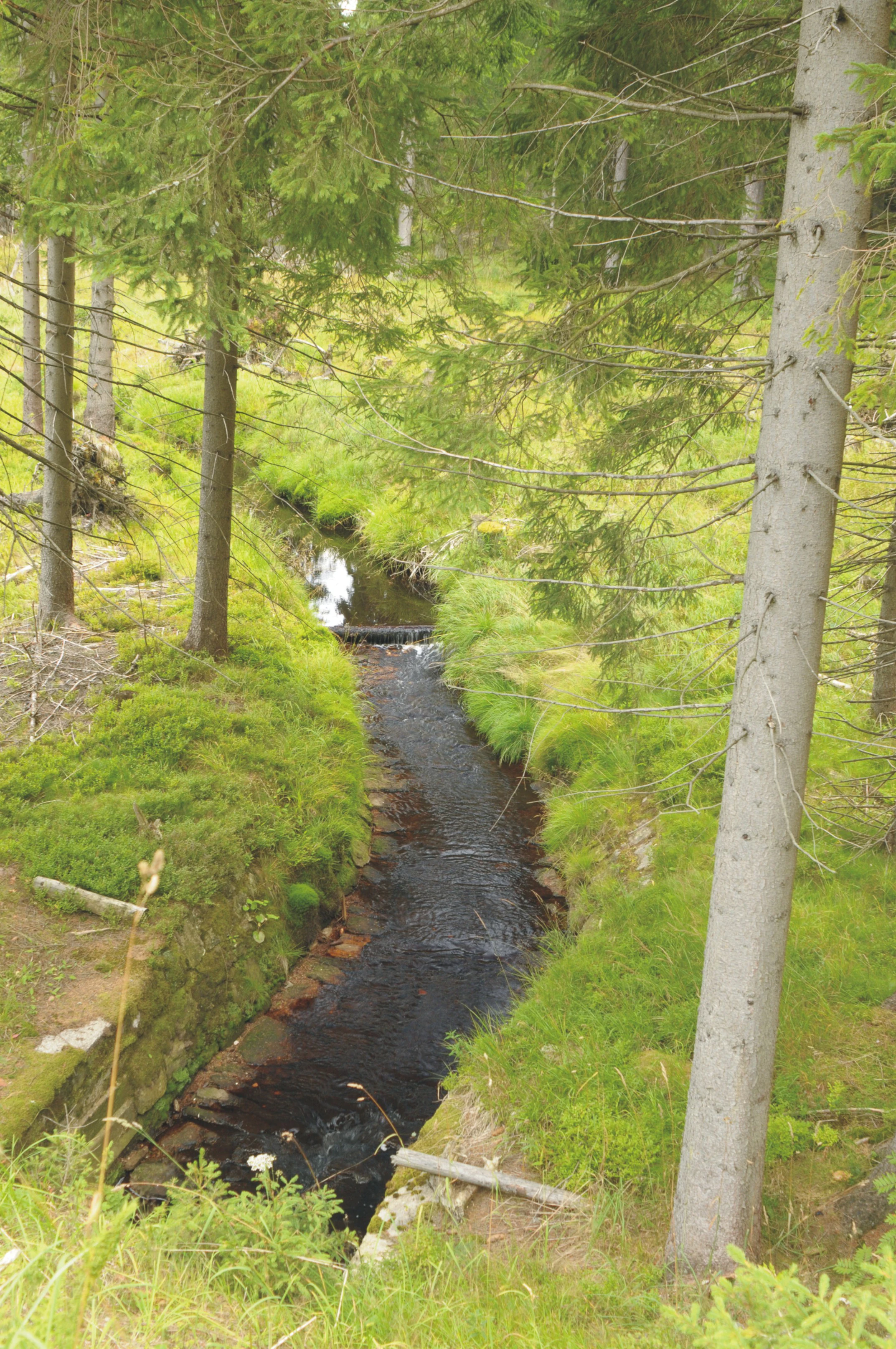
A narrow stream flows through a forested moorland area, framed by tall evergreen trees and mossy banks.
The Wilzsch stream flowing through the lush, moorland forest of Großer Kranichsee.

Großer Kranichsee history and protected-area timeline

Großer Kranichsee is among the oldest formal nature reserves in Saxony. Its core bog area was placed under protection as early as 1912, establishing one of the earliest examples of systematic peatland conservation in the Ore Mountains. The reserve was expanded and reaffirmed three times during the twentieth and early twenty-first centuries, with notable extensions in 1961, 1967, and 2008, gradually broadening the area around the original bog core to encompass surrounding highland habitats.

The protection history of the site coincided with growing scientific and public interest in Saxon peatlands during the early twentieth century. A 1913 publication by Arno Naumann in the journal of the Landesverein Sächsischer Heimatschutz described the Kranichseemoor as an important Saxon nature reserve, and a 1927 contribution by A. Marx included a popular account of the site. A 1967 monograph in the 'Werte der Deutschen Heimat' series treated the Großer Kranichsee as part of the mining landscape around Schneeberg and Eibenstock, reflecting its place within a broader Erzgebirge cultural geography. The 2012 commemorative publication by the Erzgebirgskreis marked the centenary of the original 1912 protection order.

In parallel with domestic protection, the site gained European significance through the Natura 2000 process. Following the Saxon government's submission, the European Commission accepted the designation of the 'Erzgebirgskamm am Großen Kranichsee' site, embedding Großer Kranichsee within the EU network of protected nature areas and reinforcing its role in transboundary conservation between Saxony and Bohemia.

Großer Kranichsee landscape and geographic character

The landscape of Großer Kranichsee is dominated by a flat, waterlogged high moor perched near the top of the Ore Mountain ridge. Unlike the steep valley terrain that characterizes much of the surrounding Erzgebirge, the bog occupies a gently undulating high plateau at roughly 950 m elevation, where poor drainage, cool temperatures, and high precipitation have allowed thick peat deposits to accumulate. The result is a quiet, open, treeless or sparsely treed expanse that contrasts sharply with the forested slopes typical of the mountain range.

The reserve's topography is shaped by its position on the continental watershed. To the west the bog drains toward the Große Pyra, to the east toward the Wilzsch, whose headwaters lie in the closely related Wilzschmoor immediately north of the reserve, and to the south, across the Czech border, toward the Rolava. This triple drainage pattern gives the site a distinctive geographic identity: it is simultaneously a Saxon and a Bohemian landscape, and a meeting point of three river systems.

Around the bog core, the protected area transitions into a mosaic of stunted woodlands, wet heath-like vegetation, and small bog hollows. Mountain pine (Pinus mugo) and spruce form the characteristic krummholz and bog forest transitions at the bog margins, while reedy and grassy vegetation marks the wetter hollows. North of the reserve, the Wilzschmoor forms a closely related peatland landscape, and to the east the smaller Kleiner Kranichsee extends the bog system further along the ridge, although its peat core lies on the German side rather than crossing the border.

Großer Kranichsee ecosystems, habitats, and plant life

Großer Kranichsee represents one of the clearest examples of an intact high-elevation raised bog ecosystem in the Ore Mountains. The protected area combines actively peat-forming bog surfaces with surrounding bog woodlands and small patches of nutrient-poor grassland, producing a habitat mosaic that is rare this far south in Central Europe. The site's eleven FFH habitat types and four priority habitat categories reflect the unusual ecological density concentrated in such a small high-moor area.

Among the priority habitats are species-rich Borstgrasrasen, acidic mat-grass grasslands typical of upland sites with shallow, nutrient-poor soils, together with active raised bogs and two distinct types of bog forest: mountain pine moor woodland with Pinus mugo and bog pine, and spruce-dominated bog forest. Non-priority but ecologically significant habitats include transitions to wet heath and other mire community types, all of which depend on the persistent wetness of the peat body.

Botanically, the flora is dominated by cold-adapted, bog-specialist species. Mountain pine forms distinctive krummholz stands along the bog margins, while the bog surface supports Scheidiges Wollgras (Eriophorum vaginatum), crowberry (Empetrum nigrum), bog whortleberry (Vaccinium uliginosum), small cranberry (Vaccinium microcarpum), and bog rosemary (Andromeda polifolia). Arnica (Arnica montana) and Bärwurz (Meum athamanticum) occur in the surrounding drier grassland transitions, marking the presence of species with strong ecological indicator value for traditional, low-intensity mountain landscapes.

Großer Kranichsee wildlife and species highlights

The wildlife profile of Großer Kranichsee reflects the cold, wet, acidic conditions of the high moor and its surrounding coniferous forest. Although the area is not primarily described as a large-mammal reserve, the bog and bog-forest complex supports a distinctive assemblage of boreal and sub-arctic relict species that have survived here from the post-glacial period.

Among the characteristic bog fauna are two specialized dragonflies, the Hochmoor-Mosaikjungfer (Aeshna subarctica) and the Arktische Smaragdlibelle (Somatochlora arctica), both of which depend on the bog's acidic, fish-free pools for their larval development. Reptiles are represented by the Kreuzotter (Vipera berus), the Bergeidechse (Lacerta vivipara), and the Waldeidechse (Zootoca vivipara), all of which are cold-adapted and typical of open peatland and bog-margin habitats.

The surrounding spruce and mountain pine forests provide habitat for coniferous woodland birds of conservation interest, including the Raufußkauz (Aegolius funereus, Tengmalm's owl) and the Sperlingskauz (Glaucidium passerinum, Eurasian pygmy owl). Their presence, together with the broader upland bird community of the Westerzgebirge Special Protection Area, is a key reason for the site's inclusion in the EU Birds Directive network.

Großer Kranichsee conservation status and protection priorities

Großer Kranichsee is one of the most formally recognized conservation sites in Saxony, with protection history extending back to 1912. It is listed among the Naturschutzgebiete of both the Erzgebirgskreis and the Vogtlandkreis, and repeated expansions in 1961, 1967, and 2008 have progressively strengthened its protected status. Its conservation significance has been summarized by the Erzgebirgskreis itself, which describes the reserve's biodiversity and habitat quality as a 'special jewel' of the Ore Mountain ridge.

At the European level, the site sits at the core of the Natura 2000 area 'Erzgebirgskamm am Großen Kranichsee', accepted by the European Commission after a proposal initiated by the Saxon state government. This designation brings the site under the EU Habitats Directive, with eleven habitat types protected, four of which are priority types requiring active conservation measures. These include active raised bogs and both mountain pine and spruce bog forest types, habitats that are increasingly rare across Central Europe.

The reserve is also part of the larger Special Protection Area 'Westerzgebirge' under the EU Birds Directive, which protects migratory and resident bird populations across a broader landscape. Within the protected area, designated 'total reserves' (Totalreservate) with strict access prohibitions protect the most sensitive bog cores, while a boardwalk allows visitors to experience the surrounding moorland without damaging the peat-forming surface. Hydrologically, the bog's function as a slow water-release buffer has also been highlighted as a conservation-relevant ecosystem service, relevant for both groundwater recharge and local drinking water supplies.

Großer Kranichsee cultural meaning and human context

Großer Kranichsee lies in a landscape shaped by centuries of Erzgebirge mining culture, and although the bog itself was never mined, it sits within a region whose identity is closely bound up with the history of Saxon ore mining and upland settlement. The nearby Carlsfeld reservoir and the mining towns of Schneeberg and Eibenstock form part of the broader cultural geography in which the reserve is embedded. A 1967 publication in the 'Werte der Deutschen Heimat' series framed the bog in relation to the surrounding 'Bergbaulandschaft', the mining landscape, linking natural and industrial heritage.

The name of the bog itself carries a cultural echo of the region's early medieval history. According to documented etymology, 'Kranichsee' derives from the Slavic word 'granica', meaning border, combined with an old term for moorland, so that the name effectively means 'border moor'. This etymology is reinforced by the 1791 Sächsische Meilenblatt map, which records the site as 'der Grosse Cranich See'. The name is therefore not simply descriptive of wildlife, as modern German might suggest, but a linguistic memorial to the bog's position on the historic Slavic-Germanic linguistic boundary.

Top sights and standout views in Großer Kranichsee

Großer Kranichsee stands out as one of the oldest, ecologically richest, and most formally protected raised bogs anywhere in the Ore Mountains. Its priorities are the active peat-forming bog surfaces, mountain pine and spruce bog forests, and the surrounding Borstgrasrasen grasslands, all of which fall under the strictest categories of the EU Habitats Directive.

The reserve's combination of watershed function, transboundary Saxon-Bohemian geography, and nearly continuous protection since 1912 gives it an unusually clear conservation profile. Its inclusion in both the 'Erzgebirgskamm am Großen Kranichsee' Natura 2000 site and the larger 'Westerzgebirge' Special Protection Area ties it into both habitat and bird conservation frameworks across two countries.

Best time to visit Großer Kranichsee

Großer Kranichsee is at its most atmospheric in the warmer months, when the bog surface is snow-free and the specialized bog flora, including cotton grass in flower and the broader cloudberry and cranberry communities, is most visible. Late spring through early autumn generally offers the best conditions for bog boardwalk access and for observing dragonflies, bog-margin reptiles, and woodland bird species such as Tengmalm's owl.

In winter, snowfall transforms the high plateau into a quiet, white landscape typical of the upper Erzgebirge, but the underlying peat and the strict 'Totalreservat' restrictions mean the bog's surface itself is better appreciated from the surrounding boardwalks rather than walked on. Visitors interested in the bog's hydrology and water-peakside function may find early summer, when snowmelt is still feeding the system, particularly informative.
Monthly climate preview

Long-term temperature and precipitation averages recorded at reference coordinates in Saxony

Großer Kranichsee Climate Normals and Monthly Weather Statistics

Representative coordinate records show monthly mean temperatures shifting from negative winter lows to midsummer maximums alongside consistent daily precipitation averages. Examining the complete twelve-month climatology profile reveals detailed patterns across all measured seasonal intervals.
Annual mean7 °C
-3 °C17 °C
Jan-3°
Feb-2°
Mar
Apr
May12°
Jun15°
Jul17°
Aug17°
Sep13°
Oct
Nov
Dec-1°
Warmest month
July

17.5 °C

Coolest month
January

-2.5 °C

Wettest month
July

2.8 mm/day

Driest month
April

1.4 mm/day

Park location guide

Geography guide, regional context, and park location map for Großer Kranichsee

Großer Kranichsee park geography, regions, and map view in Germany

Understand where Großer Kranichsee sits in Germany through a broader geographic reading of the surrounding landscape, nearby location context, and its mapped position within the national park landscape.

How Großer Kranichsee fits into Germany

Germany is a federal republic in Western and Central Europe with a population of over 83 million across sixteen constituent states. It is Europe's largest economy by nominal GDP and a major global exporter and importer. The capital is Berlin, and the country borders Denmark, Poland, Czech Republic, Austria, Switzerland, France, Luxembourg, Belgium, and the Netherlands.

Wider geography shaping Großer Kranichsee in Germany

Germany is located in Western and Central Europe, spanning 357,022 km². It borders Denmark to the north, Poland and the Czech Republic to the east, Austria and Switzerland to the south, and France, Luxembourg, Belgium, and the Netherlands to the west. The country has coastlines on the Baltic Sea and North Sea to the north, with the Alps located in the southern region.

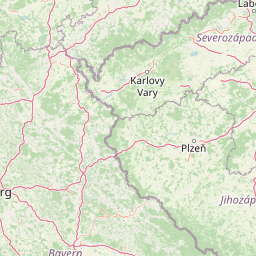
Map view of Großer Kranichsee

Use this park location map to pinpoint Großer Kranichsee in Germany, understand its exact geographic position, and read its mapped placement within the surrounding landscape more clearly.

Pigeon | © OpenStreetMap contributors

Location context for Großer Kranichsee

Saxony

Explore detailed visual records of raised bog habitats, mountain pine woodland, and peatland terrain.

Großer Kranichsee Photos and Landscape Scenery: Visualizing the Ore Mountain High Moor

Visual records capture the open expanse and waterlogged high plateau of Großer Kranichsee across the Ore Mountain ridge. Detailed imagery reveals the rare structure of active raised bogs, stunted bog forests, and watershed moor environments.

A narrow stream flows through a forested moorland area, framed by tall evergreen trees and mossy banks.

A wide view of a marshy moorland landscape with low-lying grasses, shrubs, and patches of water, backed by a dense line of coniferous forest under a clear blue sky.

Park atlas

Compare adjacent highland reserves and connected mountain wilderness areas across the ridge

Other Parks Near Großer Kranichsee and Surrounding Regional Protected Landscapes

Browsing other parks near Großer Kranichsee reveals connected highland reserves across the Ore Mountain ridge. Comparing adjacent protected areas provides broader geographic context for regional peatlands and mountain ecosystems.
A horizontal watercolor painting showing rolling green hills and distant mountain ridgelines behind a foreground of grassy meadows and trees.
Nature reserveSaxony
About 3.3 km away#1 closest

West

Dreibächel Nature Reserve: Mapping the Old-Growth Spruce Stands of the Western Ore Mountains

A historic protected landscape and mountain watershed in Saxony, Germany

Dreibächel serves as a living archive of traditional forest management, holding the distinction of containing the oldest spruce trees in Saxony. Located on the slopes of the Schneehübel, the reserve is characterized by a dense, multi-layered mountain forest canopy and the confluence of three vital streams. The area remains a essential site for observing historical plenterwald ecology and the natural hydrology of the Westerzgebirge region.

Area
0.147 km²
Established
1961
IUCN
IV
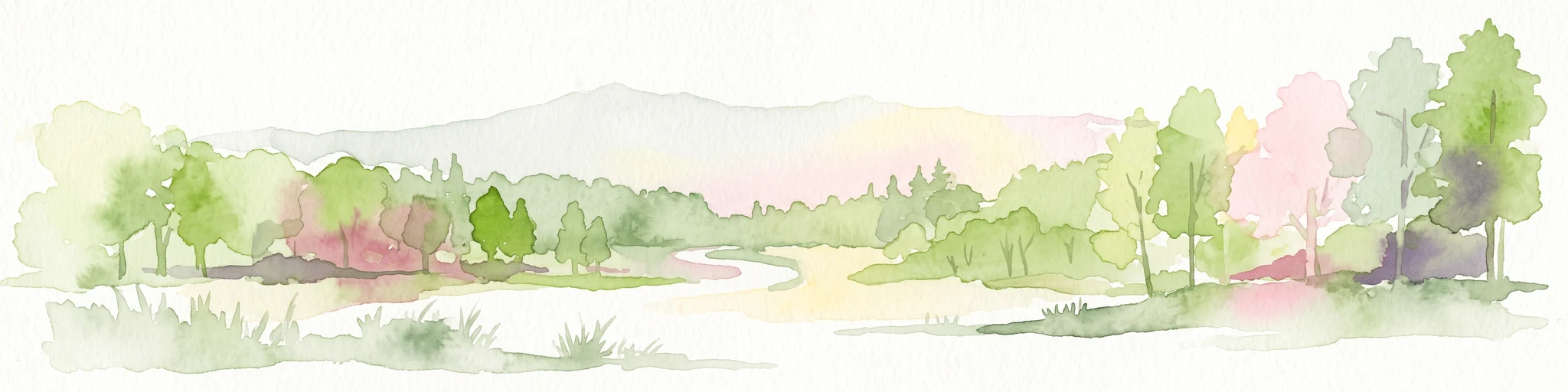
A horizontal watercolor illustration of a gentle landscape with scattered trees, soft green foliage, and faint mountain outlines in the background.
Nature reserveSaxony
About 6.4 km away#2 closest

Northwest

Am Riedert Nature Reserve: Protected Mountain Forest Geography in Saxony, Germany

Analyzing the ecological boundaries and Hercynian mountain mixed forest terrain

Am Riedert is a compact but ecologically important nature reserve situated on the rugged slopes of the western Erzgebirge. This site protects a significant example of mountain mixed forest, characterized by its mature silver fir populations and active natural regeneration. By examining its location south of the Zwickauer Mulde river, visitors can trace the intersection of Saxon history and conservation within this unique protected landscape.

Area
0.185 km²
Established
1961
IUCN
IV
Relief
Mountain
Nature reserveSachsen
About 8.1 km away#3 closest

Northeast

Friedrichsheider Hochmoor Nature Reserve: Geography and Protected Bog Landscape in Sachsen

High-elevation peatland and bog pine forest mapping

Situated at 800 meters above sea level near Sosa, Friedrichsheider Hochmoor serves as a cornerstone of peatland conservation in the Erzgebirge. This reserve is defined by its thick peat body and dense Spirken moor forest, offering a rare look at near-intact mire ecosystems that support diverse Sphagnum mosses and subarctic plant communities within a protected regional framework.

Area
0.19 km²
Established
1967
IUCN
IV
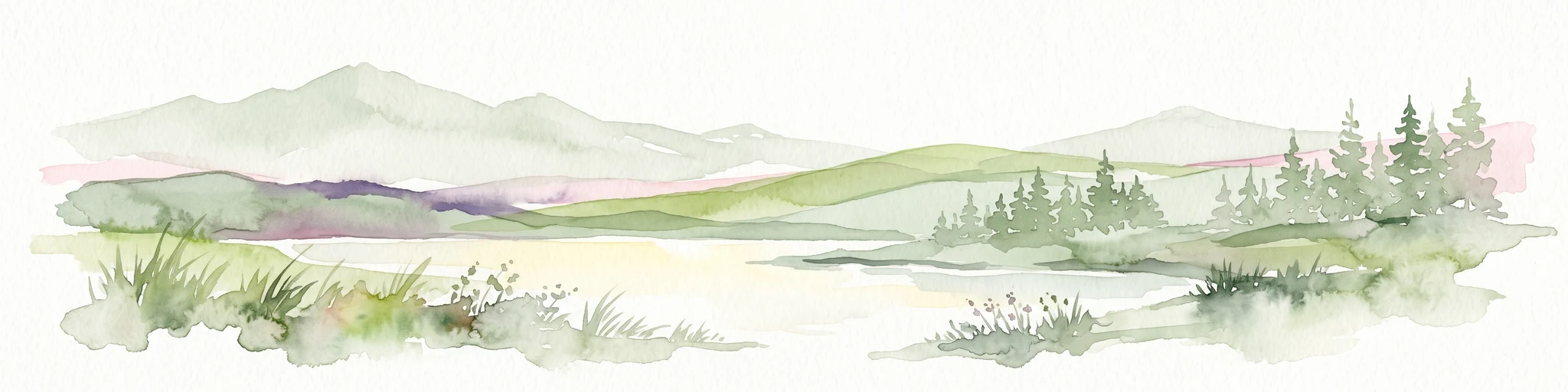
A horizontal watercolor illustration depicting a soft, green, mountain landscape with hills, conifers, and a waterlogged meadow.
Natural monumentKarlovy Vary Region
About 8.7 km away#4 closest

Southeast

Rudenská luční prameniště Natural Monument: Protected Mountain Wetland Atlas

Karlovy Vary Region Ore Mountains landscape mapping

Rudenská luční prameniště is a protected mountain wetland in the Ore Mountains, defined by a distinct mosaic of spring fens, peat deposits, and mountain meadows. Its geographic layout, spanning twenty three hectares across sloping terrain, creates a vital drainage system for the local landscape. By examining this protected site, you can better understand the unique hydrological and botanical features that distinguish these rare mountain mire complexes from the surrounding highland forests.

Area
0.232 km²
Established
2020
IUCN
IV
Relief
Mountain
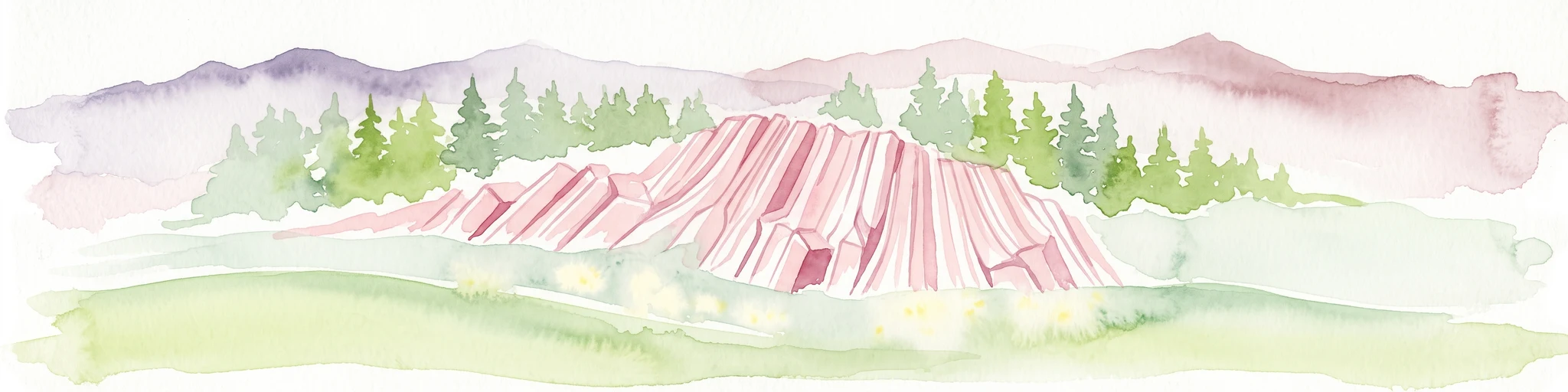
Watercolor painting of columnar basalt formations surrounded by a pine forest and soft, layered hills in the background.
Natural monumentKarlovarský kraj
About 13 km away#5 closest

South

Rotava Natural Monument: Geological Landforms and Basalt Outcrops in the Karlovarský kraj Region

Protected volcanic terrain and rare botanical habitats in the Czech Republic

Rotava Natural Monument showcases remarkable vertical basalt columns formed by ancient volcanic activity. Located in the Karlovarský kraj region, this site provides a dense, concentrated look at columnar jointing and the specific meadow flora that thrives in its mineral-rich, acidic soil conditions, serving as a landmark for regional geological study.

Area
0.003 km²
Established
1978
IUCN
IV
Relief
Mountain
Natural monumentKarlovarský kraj
About 13 km away#6 closest

East

Vlčí jámy Natural Monument: Protected Geological and Industrial Heritage in Bohemia

Ore Mountains mining collapse and relict microclimate landscape

Vlčí jámy protects a rare intersection of medieval mining history and environmental significance in the Karlovarský kraj. The site is defined by two deep collapse features, Ledová jáma and Vlčí jáma, which function as persistent cold traps. These geological anomalies support critically endangered mosses and bat colonies, illustrating how abandoned industrial landscapes in the Ore Mountains evolve into essential, small-scale protected habitats.

Area
0.014 km²
Established
1975
IUCN
III
Relief
Mountain
Nature reserveSachsen
About 16 km away#7 closest

Northeast

Conradswiese Nature Reserve: Geographic Overview of the Saxon Ore Mountains Forest Meadow

Protected mountain meadow and mixed forest terrain in Sachsen.

Conradswiese encompasses a distinct Waldwiese clearing embedded within the Bergmischwald of the western Ore Mountains. Located near the Morgenleithe, this nature reserve is positioned along a watershed boundary between two river systems, making it a point of geographic interest for those exploring the natural heritage and silvicultural history of Germany.

Area
38.97 km²
IUCN
IV
Nature reserveSaxony
About 16 km away#8 closest

North

Heide und Moorwald am Filzteich: Nature Reserve and Bog Landscape in Saxony

Protected moorland forest and heathland geographic context

Heide und Moorwald am Filzteich provides a unique look at habitat management in the Erzgebirge region. This nature reserve, adjacent to the Filzteich reservoir, encompasses a protected mosaic of open heath, remnant bog systems, and historical peatland terrain. Its geographic boundaries offer insights into the transitional landscapes of the Saxon uplands and local water table influences on wetland biodiversity.

Area
3.14 km²
Established
2010
IUCN
IV

Common questions about visiting, size, designation, and location context for Großer Kranichsee

Großer Kranichsee FAQs for park facts, access, geography, and protected area context

Find quick answers about Großer Kranichsee, including protected-area facts, park geography, trail and visitor context, and how the park fits into its surrounding country and regional landscape.
MoriAtlas Explorer

Continue Your Protected Areas Search Across the Global Atlas

Deepen your exploration by continuing the structured search for national parks and protected areas worldwide. Utilize the comprehensive filtering capabilities to compare different conservation landscapes and refine your understanding of global park geography. Discover more about the distribution and characteristics of protected natural areas.

Global natural geography