
Trip Timing Fundamentals
When Is the Best Time to Visit Hortobágy National Park for Your Needs
Navigating the Puszta Landscape
The best time to visit Hortobágy National Park is fundamentally defined by your tolerance for the extreme continental climate of the Great Hungarian Plain and your specific interest in the region's migration cycles. Because the park features a vast, open, and largely treeless steppe, there is little shelter from the elements. This means the transition between spring and summer, or autumn and winter, dictates the experience far more than in forested or mountainous environments.
The Impact of Seasonal Migration and Climate
For most visitors, the primary planning trade-off lies between the active, wildlife-rich migration periods and the intense, sun-drenched pastoral character of the summer months. Spring and autumn are the peak periods for observing the park's internationally significant bird migration, where thousands of cranes and geese transit through the wetlands. During these windows, the weather is generally more temperate, providing the most comfortable conditions for walking or cycling along the park's limited but scenic paths. However, these shoulder seasons are also subject to shifting weather patterns, and the marshy grounds can be less accessible after periods of spring rain.
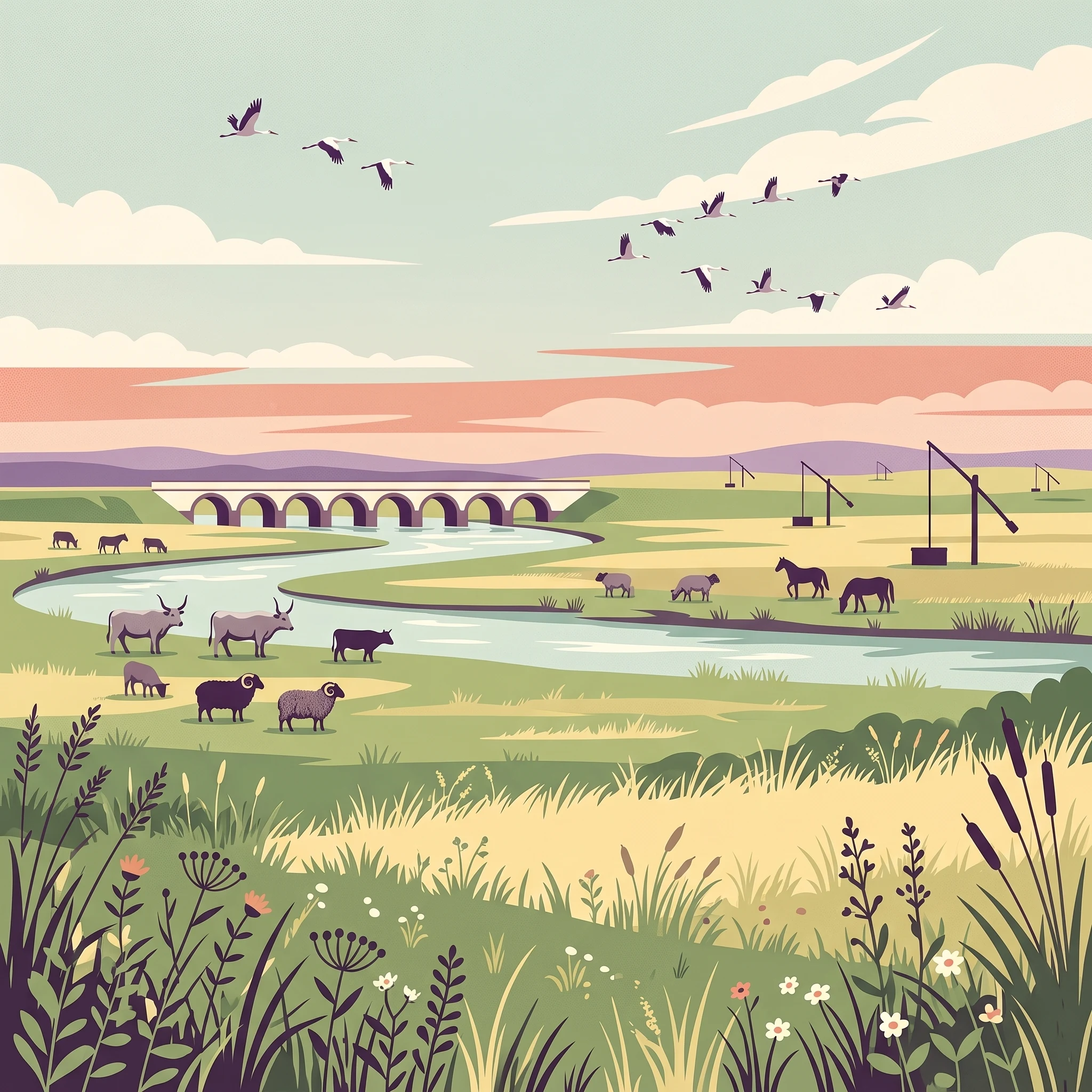
In contrast, summer transforms the Hortobágy into a landscape of stark, sun-baked horizons. This is the period when the traditional pastoral culture, featuring mounted herdsmen tending Hungarian Grey cattle and Racka sheep, is most visible and active across the open range. While the heat can be intense, with mean temperatures climbing significantly in June and July, this is the authentic season for experiencing the iconic puszta in its most iconic state. The lack of shade makes the midday sun a significant factor for any outdoor activity, requiring careful planning around morning and late afternoon hours.
Understanding Exposure and Environmental Variability
Visitors must consider that the flat, expansive topography of the park amplifies the effects of wind and sunlight. The region is known for its frequent winds, which can stir up dust during dry spells, particularly in the warmer months. Because the area has low elevation and minimal vertical relief, the weather can change rapidly across the steppe, and visibility can be high or dramatically altered by seasonal mists or storms.
Ultimately, there is no single month that serves as a universal recommendation. Those prioritizing bird watching should focus on the migration peaks of spring and autumn, acknowledging the potential for cooler temperatures and increased rainfall. Those who wish to immerse themselves in the deep cultural heritage of the Hungarian shepherds and the dramatic, sweeping vistas of the puszta should look toward the warmth of summer, provided they are prepared for the high heat and sun exposure that characterize the peak of the growing season.
Seasonal Planning
Best Months for Visiting Hortobágy National Park
Spring and Autumn Migration Windows
For wildlife observers and photographers, the months of April, May, September, and October represent the most rewarding periods to visit the Puszta. These months anchor the primary bird migration spectacles. During the spring shift in April and May, the landscape begins to transition from the cool remnants of winter into the verdant greens of the warming steppe. You will find more moderate temperatures than in mid-summer, although these shoulder months bring an increased likelihood of periodic rainfall as the weather patterns shift.
Autumn, specifically September and October, offers a distinct atmospheric shift. The heat of the summer has dissipated, leaving the landscape drier and often more wind-exposed. This is a primary window for viewing the massive flocks of migratory cranes and geese that utilize the park as a vital stopover point. While the daylight hours shorten compared to the peak of summer, these months provide the most stable climate for walking the flat terrain of the Great Hungarian Plain without the intense solar exposure that characterizes the hotter parts of the year.
The Peak Summer Experience
June, July, and August constitute the hottest period in the region, with average maximum temperatures frequently exceeding 30 degrees Celsius. This window is ideal for travelers interested in the authentic, living culture of the Hungarian herdsmen and the traditional grazing patterns of the Grey cattle and Racka sheep. Visiting during this time allows you to witness the traditional puszta in its most active, sun-drenched state. However, the compromise is significant: the lack of shade across the open grassland makes mid-day exploration demanding. Visitors choosing these months must prioritize early morning or late evening activities to avoid the peak heat and the potential for dusty, wind-driven conditions that often arise during the dry height of summer.
Winter and Early Spring Transitions
December through March are characterized by much lower temperatures, frequently dipping below freezing, and the shortest daylight hours of the year. While the park remains accessible, the landscape is stark and dormant. This period serves a different traveler, perhaps one interested in the profound silence of the open steppe or the specific cultural heritage events that may occur away from the peak tourist cycle. The trade-off is limited outdoor comfort and a higher reliance on indoor or vehicle-based exploration, as the harsh winds and cold can make prolonged time on the open plains challenging. If your priority is mild weather and high visibility for photography, these months are generally avoided in favor of the more temperate windows in spring or autumn.
Annual Climate Analysis
Monthly Weather and Climate Patterns at Hortobágy National Park
Understanding the Continental Climate Cycle
Hortobágy National Park experiences a distinct continental climate, which is defined by significant temperature variations across the calendar year. While these climate normals provide a baseline for planning, they reflect long-term averages from 1991 to 2020 at a specific elevation. Visitors should interpret these figures as general indicators of the environment rather than precise forecasts for any particular day or week of their visit. The flat, open landscape of the Great Hungarian Plain acts as a thermal amplifier, meaning both the intensity of the summer sun and the bite of winter winds are felt more acutely here than in areas with complex topography or dense forest cover.
The Transition from Winter Chill to Spring Awakening
Winter in the park is marked by extended periods of low daylight and high relative humidity, often hovering near 90 percent in December and January. Mean temperatures during these months frequently sit below freezing, with average minimums dropping to approximately -12.66 degrees Celsius in January. This is not a time for casual outdoor exploration, as the treeless expanse offers little shelter from the wind.
As spring approaches in March and April, the landscape undergoes a rapid shift. Daylight hours increase significantly, moving from roughly 8.7 hours in January to over 13.4 hours by April. While average maximums climb steadily, reaching near 24.56 degrees Celsius in April, the nights remain cool. Travelers should anticipate a high degree of daily temperature volatility during this period, where daytime warmth can be quickly replaced by a sharp evening chill. Rainfall remains relatively moderate, but the increased evaporation rates as temperatures rise begin to dry out the steppe, influencing the surface conditions for early season visitors.
Summer Heat on the Puszta
The summer months, spanning June through August, define the most intense phase of the annual climate cycle. Mean temperatures reach their peak in July, often averaging 23.23 degrees Celsius, with average maximums frequently exceeding 35 degrees Celsius. This is the period of maximum daylight, which offers the longest window for observing the pastoral life that characterizes the park. However, the high temperatures combined with a landscape that lacks shade can make midday exposure difficult.
Humidity levels are at their lowest during the height of summer, often dipping below 60 percent in July and August. While the lower humidity can make the heat feel less stifling than in more tropical environments, the lack of cover means that the wind, while light, does little to mitigate the sun. Visitors should note that while summer is a primary season for cultural activities, the climatic reality is one of harsh, dry heat that requires careful physical preparation and hydration management.
Autumn Cooling and the Return of Humidity
September marks a definitive cooling trend, with average maximums dropping from over 35 degrees Celsius in late summer to roughly 30.65 degrees Celsius by the month's end. As the year progresses into October and November, the daylight hours shorten rapidly, and humidity begins to climb back toward the high levels seen in winter. This transition period is characterized by more frequent overcast days and the gradual return of freezing overnight temperatures. By November, the average maximum has fallen to roughly 18 degrees Celsius, signaling the end of the mild period and the onset of the colder, darker months. This seasonal pivot is critical for travelers to observe, as it drastically alters the comfortable duration of outdoor activities and requires a transition in gear and safety focus.
Seasonal Dynamics
Defining the Puszta Climate and Seasonal Transitions in Hortobágy
The Continental Rhythm of the Puszta
The climate of Hortobágy is defined by its extreme continental nature, where the absence of natural windbreaks allows the air to swing between intense, stagnant heat and biting, raw cold. Rather than adhering to a standard four-season calendar, the park functions through three distinct environmental phases that dictate the visitor experience. These periods are governed less by calendar months and more by the shift between the dormant, frost-prone steppe and the high-energy, sun-exposed cycles of the warmer months.
The Dormant Steppe: Late Autumn to Early Spring
Spanning roughly from November through early March, this period is characterized by low solar intensity and high humidity levels, often trapped near the ground in a flat landscape. Visitors will encounter a quiet, muted environment where temperatures frequently dip well below freezing. This is the time when the puszta feels most isolated. The ground can remain unforgivingly cold, and the frequent wind, which is a constant across all seasons here, feels significantly more piercing during these months. There is little respite from the elements, as the treeless horizon offers no shelter for those exploring the heritage sites or the wider grasslands. Planning for this time requires acknowledging that the pastoral activity, which defines the region, is largely absent or moved to winter housing.
The Spring Awakening and Thermal Transition
March marks the beginning of a rapid transition that lasts through May. This is perhaps the most volatile phase of the annual cycle. The shift from the winter dormancy to the onset of warming brings about significant instability in temperatures. While daytime maximums begin to climb steadily, the soil remains slow to warm, and overnight lows can still fall near or below freezing. This period is the most active transition window, where the park moves from the grey, dormant phase into the greening of the grasslands. For the visitor, this means rapidly changing conditions where a sunny, mild afternoon can be followed by a sharp drop in temperature as the sun sets over the unobstructed plain. It is the primary window for avian activity, as the environment begins to recover from the harshness of winter.
The High-Heat Summer Cycle
From June through August, the puszta enters a sustained period of intense heat and maximum daylight. This season is marked by the highest evaporation rates and the most stable, albeit punishing, thermal conditions. The landscape is fully exposed to the sun, and average daily maximums often reach well into the 30s in Celsius. This phase is defined by the resilience of the traditional grazing culture, as the Hungarian Grey cattle and other breeds endure the heat of the open range. For the visitor, this is a period where heat management becomes the primary practical concern. The stillness of the early morning is often the only time when conditions feel truly comfortable for extended outdoor activity, as the afternoon heat builds across the flat terrain, often creating shimmering haze that stretches to the horizon.
Seasonal Experiences
Experiencing the Puszta Landscapes and Traditions Throughout the Year
Navigating the Puszta Landscape Through the Seasons
The experience of exploring Hortobágy is fundamentally dictated by the interplay between the exposed, flat steppe and the shifting intensity of the continental climate. Because the park lacks significant natural cover, your comfort and ability to engage with the landscape will fluctuate significantly based on the time of year. During the peak summer months, the high-heat cycle transforms the puszta into a realm of shimmering horizons, where the primary challenge is managing extended exposure to sunlight. Conversely, the cooler, transitionary shoulder months provide a more tempered environment for exploring the cultural landmarks, such as the Nine-holed Bridge, without the thermal intensity that characterizes July and August.
Timing for Pastoral and Cultural Encounters
The living heritage of the puszta is deeply linked to the rhythms of traditional animal husbandry. Observations of mounted herdsmen, known as csikos, and the tending of Hungarian Grey cattle, Racka sheep, and Nonius horses occur most consistently during the warmer months when these animals are actively grazing the open plains. If your priority is to witness these pastoral traditions, visiting between late spring and early autumn aligns with the period when grazing is most intensive. The Mátai Ménes area serves as a focal point for these cultural demonstrations, where you can observe the daily life of the central stud farm. Since these activities rely on outdoor settings, checking the current status of these programs before arrival is essential, as schedules often shift throughout the year.
Aligning Bird Migration with Seasonal Access
Hortobágy is defined globally by its significance as a migratory stopover, with the common crane serving as a major seasonal indicator. The most spectacular wildlife experiences occur during the spring and autumn migration pulses. In the autumn, tens of thousands of cranes congregate in the park, utilizing the wetlands and fishponds for foraging. This is a time-specific phenomenon, occurring as daylight hours begin their transition toward the shorter periods of late autumn and winter. The park maintains bird hides and viewpoints specifically positioned to observe this activity, but these are most effective when the birds are actively using the puszta as a transit hub. The presence of other species, such as the great bustard, requires a different approach, as their visibility is often tied to their breeding cycles during the spring. Visitors interested in these wildlife patterns should prioritize the transition months when moisture levels in the wetlands are supportive of congregation.
Stargazing and Dark Sky Opportunities
The park's status as a dark sky preserve is best experienced when atmospheric conditions allow for extended, clear observation. While the winter months offer the longest periods of darkness due to the short daylight hours, the cold can be prohibitive for sustained outdoor activity. Mid-to-late autumn often provides an ideal compromise, offering earlier sunsets than the summer months while maintaining temperatures that are manageable for lingering at designated astronomy spots. Because the park is largely devoid of light pollution, selecting a period with lower humidity,which can sometimes be found during the cooling phases of autumn,often results in better clarity for stargazing than the more humid mid-summer period.
Visitor Priorities
Optimizing Your Visit to Hortobágy National Park by Personal Interest
Planning for Mild Temperatures and Longer Daylight
For travelers seeking a balance between comfortable daytime temperatures and extended sunlight, late spring, specifically May, provides the most favorable conditions. During May, the park transitions into the early summer growth phase with average daily maximums reaching near 29.5 degrees Celsius, yet the presence of humidity around 67 percent and lingering spring breezes often prevents the intense, stagnant heat typical of July and August. With nearly 15 hours of daylight, visitors have ample time for outdoor exploration across the expansive grasslands. The primary trade-off is the high volatility of weather during this month, as the transition from cooler spring mornings to warmer afternoons can involve rapid changes in wind direction and occasional precipitation, requiring versatile layers that are easy to adjust throughout the day.
Targeting the Drier Periods for Exploration
Those prioritizing drier conditions for hiking or cycling across the puszta should look toward the late summer window, specifically August. While August is one of the warmest months, it is characterized by lower precipitation levels compared to the peak spring moisture, with an average of 1.64 millimeters per day. This period offers the most stability for traversing the park's unpaved tracks, as the soil is significantly drier and firmer. The sacrifice here is the extreme thermal profile, where daytime maximums often exceed 35 degrees Celsius. Visitors must contend with the lack of natural shade in the open steppe environment, meaning that outdoor activities must be planned for the early morning or late evening hours to avoid the heat of the day, significantly compressing the usable time for movement during the middle of the afternoon.
Selecting Windows for Specialized Bird Observation
If the objective is to witness the peak avian migration spectacles, the windows are narrowed by the biological rhythm of the species rather than climate comfort. The spring migration brings birds to the wetlands from late March through April, while the famous crane migration occurs predominantly in October. In October, visitors must prepare for the onset of cooler, more stable air, with average temperatures dropping to a mean of 11 degrees Celsius and daylight shrinking to just over 10 hours. This period offers the best opportunity for observing wildlife, but it necessitates a significant compromise in thermal comfort and outdoor activity hours. The wind speeds in autumn remain consistent, and the moisture levels begin to rise compared to the late summer, meaning that observation at the hides requires durable, wind-resistant gear and patience for colder conditions than those found in the high summer season.
Visitor Access
Seasonal Access and Practical Planning for Hortobágy National Park
Navigating the Puszta Landscape
Reaching and traversing the expansive grasslands of Hortobágy requires practical coordination, as the park’s sheer scale and remote character contrast with the ease of urban transit in other parts of Hungary. The primary gateway to the park is the village of Hortobágy itself, which sits directly along National Road 33. This route is the main artery connecting the regional center of Debrecen to the town of Tiszafüred. Travellers arriving by car or bus will find that this highway serves as the central hub for most visitor-facing facilities, including the main visitor center and the iconic Nine-holed Bridge.
Public transport connectivity is generally structured around this corridor. Buses operate throughout the year between Debrecen and the park, typically taking around 40 minutes. Because transit frequency and specific departure times can fluctuate based on seasonal demand or local schedule adjustments, it is essential to verify current bus timetables through official Hungarian transport providers before departing. relying on outdated static schedules may lead to missed connections or extended wait times in the open landscape.
Seasonal Access and Physical Terrain
While the climate normals indicate significant shifts between the bitter, humid cold of December and the intense, dry heat of July, the park itself does not have a formal seasonal closure date. The puszta remains accessible throughout the year, yet the ease of movement across the landscape changes drastically with the weather. Following periods of heavy rainfall, unpaved service roads and tracks within the protected areas can become soft, muddy, or entirely impassable. The alkaline soil, characteristic of this steppe environment, holds water differently than typical ground, often turning paths into difficult terrain even when the surface appears dry.
If you plan to explore beyond the main visitor areas and established paths, verify current road conditions with the park authorities. This is particularly relevant during the volatile transitions of spring or late autumn when precipitation patterns are less predictable. Access to specific nature trails, specialized wildlife hides, or protected zones may require prior authorization or permit arrangements, which can change depending on current conservation priorities or nesting cycles. Never assume that a path or viewing area mentioned in older travel literature is currently open to the public without checking the park’s official website or visiting the primary information center upon arrival.
Planning for Local Services
Most essential facilities are centered in the village of Hortobágy. During the peak tourism months of spring and summer, visitor services, including exhibition centers and specialized tour operators, are more active. In the colder months of winter, many of these auxiliary services operate on a reduced schedule or may be closed to the public. If your visit involves specific activities like guided horse-riding, traditional carriage tours, or visits to the fishpond railway, you must contact the relevant service providers or the national park directorate in advance. Confirming these details in the weeks leading up to your trip prevents disappointment, as operational status is subject to change based on staffing, group booking requirements, and seasonal demand.
Safety and Preparation
Seasonal Weather and Safety Preparation for Hortobágy National Park
Navigating the Open Puszta Climate
The defining characteristic of the landscape, which is its vast, treeless exposure, dictates your preparation needs. Because there is no natural canopy to provide shade or wind resistance across the steppe, the intensity of weather conditions is significantly amplified compared to forested regions. During the high-heat months of June, July, and August, daytime temperatures often climb well into the thirties, and the relentless sunshine on the flat terrain requires proactive management of sun exposure. Conversely, the open horizon offers no shelter from the winds that frequently sweep across the plains, which can make temperatures feel much colder than the thermometer reading in the shoulder seasons and winter. Preparation should center on modular layering and ensuring you have reliable protection from the elements regardless of the season.
Seasonal Thermal Management
Adapting to the continental climate of the Great Hungarian Plain requires a flexible approach to clothing and daily planning. In spring and autumn, daily temperature ranges can be substantial. You may experience a sharp, chilly start to the day that warms significantly by mid-afternoon. Wearing multiple lightweight, breathable layers is the most effective strategy, as it allows you to adjust to these swings without needing specialized heavy equipment.
When visiting during the peak heat of summer, prioritize loose-fitting clothing that covers the skin. The lack of natural cover means you will be fully exposed to solar radiation for the duration of any outdoor exploration. While specific health advice should always come from your own medical professionals, the practical reality of the puszta is that visitors who prepare for long periods of direct sun exposure fare much better than those who are caught unprepared by the local intensity of the climate.
Safety in an Exposed Environment
Safety in the park is largely a matter of managing your exposure to the environment rather than navigating terrain hazards or steep slopes. The primary considerations are related to visibility and stamina. Because the landscape is exceptionally flat and expansive, it is easy to underestimate the distance to the horizon or the time required to return to a trailhead or vehicle. Always carry a physical map or a reliable digital navigation tool, as the lack of distinct landmarks in some sections of the grasslands can make orientation challenging if visibility drops or if you venture off marked paths.
Before heading into the field, check current regional weather alerts, as sudden, intense summer storms or rapid changes in wind patterns can occur. The park authorities and local visitor centers provide the most current information regarding weather-related cautions. Always prioritize official guidance for any closures or safety warnings related to specific trails or protected bird nesting areas, as these can change to accommodate seasonal ecological needs or maintenance. By remaining flexible and staying updated via local resources, you can enjoy the unique openness of the puszta while minimizing environmental risks.
Final Planning
How to Select Your Ideal Time to Visit Hortobágy National Park
Choosing the right time to experience Hortobágy National Park requires weighing your tolerance for thermal intensity against your specific interest in the puszta cultural and wildlife cycles. Because the park is a vast, open, and treeless steppe, there is little natural shelter from the elements. Your primary decision centers on whether the iconic summer pastoral scenes outweigh the necessity of managing significant heat exposure. If you prioritize bird migration, the timing becomes dictated by the specific seasonal movements of cranes and other avian species, which are most concentrated during the transition months of spring and autumn. These periods offer the most balanced temperatures for long hours of outdoor exploration but come with higher risks of ground saturation and unpredictable weather transitions. Conversely, summer provides the most authentic view of traditional herding life on the open plains, yet visitors must be prepared to navigate the mid-day heat that is common across this low-lying continental region. If you prefer stargazing or require a quieter environment for reflection, the cooling, shorter days of late autumn provide a distinct advantage over the high-visitor volume of mid-summer. There is no single universal window for a perfect visit, as the landscape shifts its character fundamentally between the dormant winter months, the volatile greening of spring, the sun-baked summer, and the crisp, golden hues of autumn. Ultimately, you should evaluate your travel dates by checking whether your primary goal is active wildlife viewing or cultural immersion, and then determine if you have the proper preparation to handle the specific environmental conditions associated with that season. Before finalising your travel arrangements, remember that long-term climate normals represent statistical averages rather than predictive forecasts for any specific year. Always consult official park authorities for current accessibility, temporary trail closures due to ground conditions, and local weather alerts, as these factors remain dynamic and subject to change independent of seasonal trends.