
Why Hortobágy National Park stands out
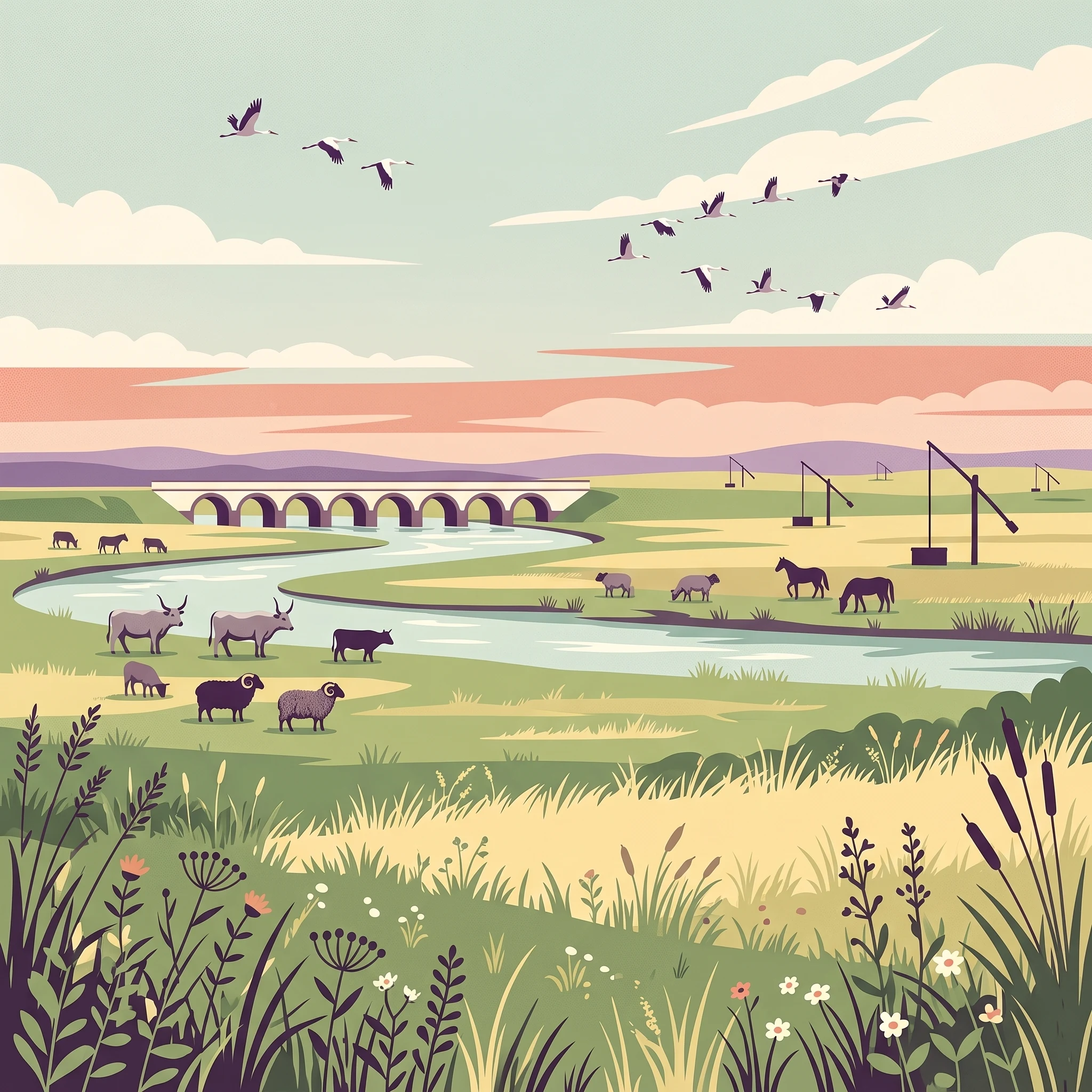
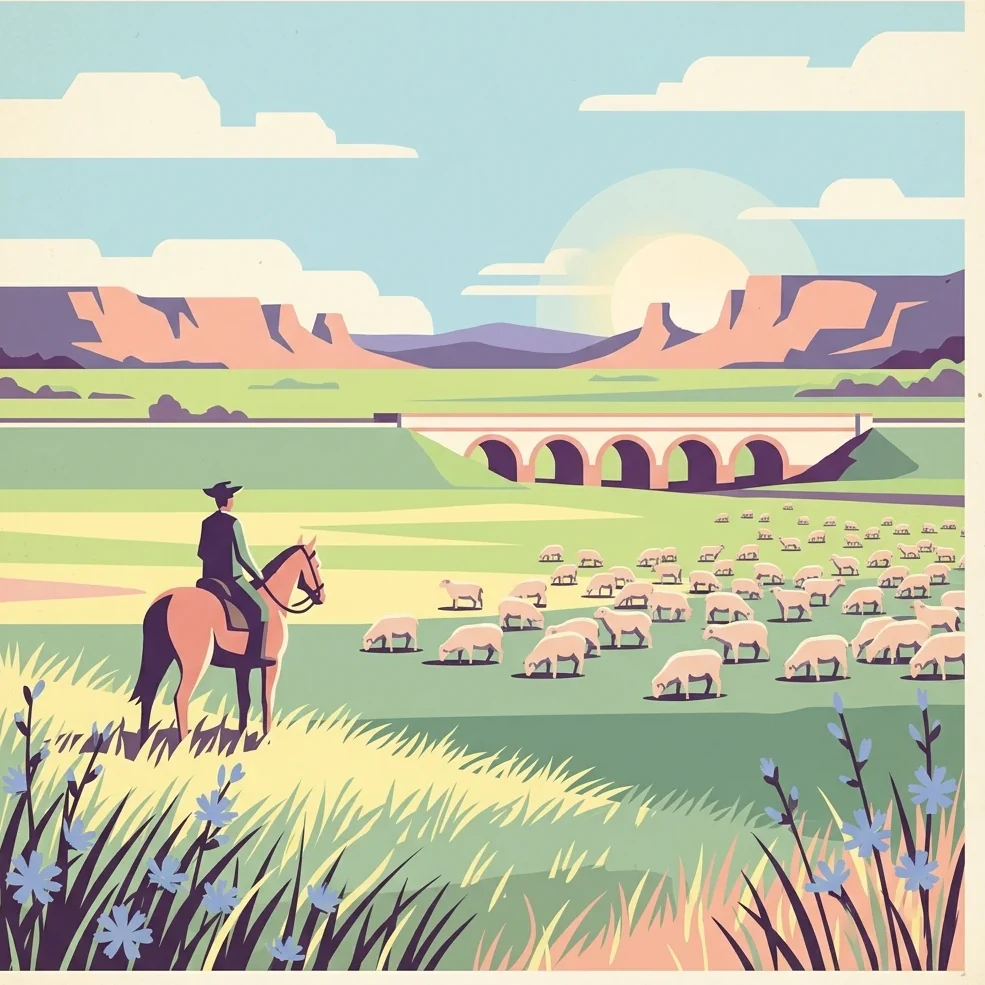
Hortobágy is best known for its intact puszta landscape, a rolling, treeless steppe that represents one of the last remaining semi-natural grasslands of its kind in Europe. The park preserves one of the continent's most significant bird migration stopover sites, with over 340 species recorded, including the red-footed falcon, great bustard, and white stork. The traditional pastoral practices remain active, with mounted herdsmen (csikós) still tending Hungarian Grey cattle, Racka sheep, and water buffalo across the open ranges. The Nine-holed Bridge, a traditional stone bridge with nine arches, stands as an iconic symbol of the park, while T-shaped sweep wells (gémeskút) punctuate the landscape as distinctive cultural landmarks.
Hortobágy National Park history and protected-area timeline
The formation of the Hortobágy landscape is considerably older than previously assumed. While it was long believed that the alkaline steppe resulted from medieval deforestation followed by river control measures, current understanding indicates that alkalinization began approximately ten thousand years ago when the Tisza River first found its path through the Great Hungarian Plain, cutting off streams from their sources in the Northern Mountains. The distinctive soil characteristics were further developed by grazing animals and wild horses during the Ice Age, followed by domesticated livestock. The site has supported human habitation and pastoral activity for over four millennia, with archaeological evidence of continuous cultural presence. Under the communist regime, the park unfortunately served as a site of forced labor, a dark chapter in its history that has been acknowledged but does not define the park's broader significance. The establishment of the national park in 1973 marked a turning point in Hungarian nature conservation, creating an institutional framework for protecting this unique landscape. The UNESCO World Heritage inscription in 1999 elevated the park's international recognition, while the Ramsar designation in 1979 acknowledged the importance of its wetland habitats.
Hortobágy National Park landscape and geographic character
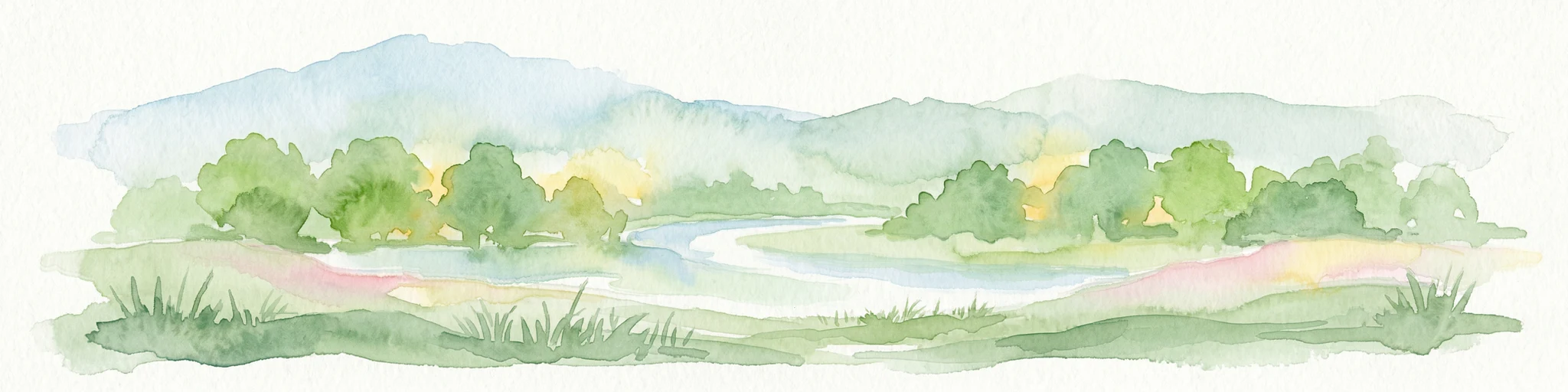
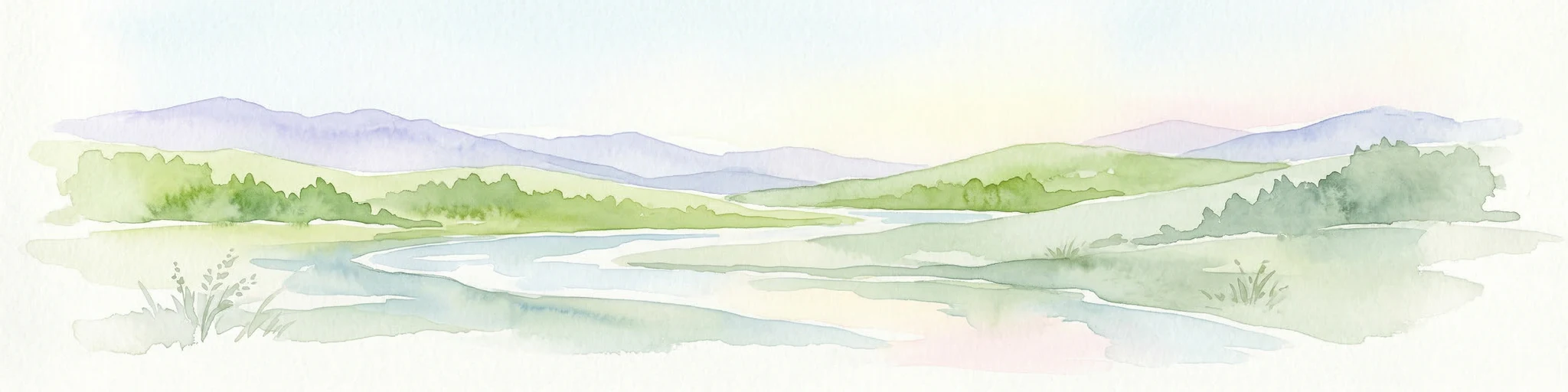
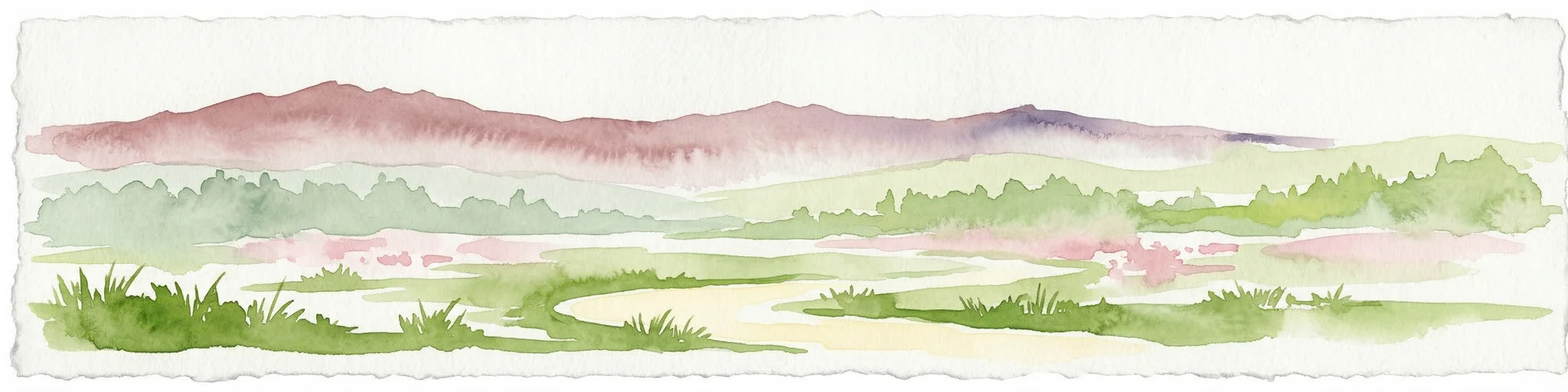
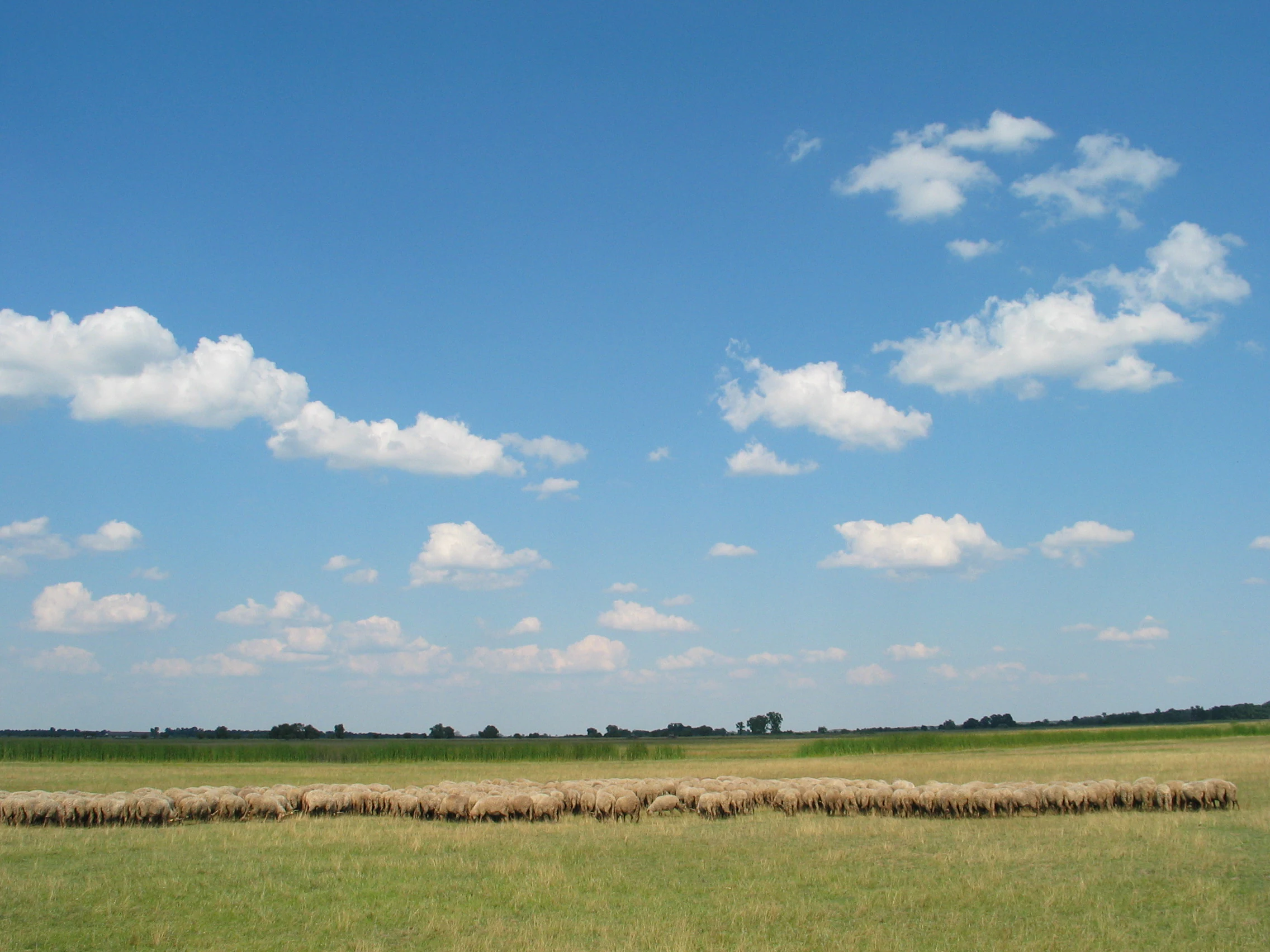
The physical landscape of Hortobágy presents an expansive, nearly flat terrain that stretches to the horizon in all directions, broken only by occasional low mounds and the distinctive features of traditional human structures. The terrain is almost completely flat, with the landscape resembling a vast carpet across which the Hortobágy River winds as a silvery ribbon through its center. The most notable topographic features are the kunhalmok, or kurgans—artificial mounds created by nomadic peoples arriving from the eastern steppes during the Middle Copper Age, serving as watchtowers, burial sites, and territorial markers. The soil composition is predominantly alkaline (szikesek), with mineral salts accumulating in the upper soil layers following the extensive drainage and river regulation projects of the 19th century. The landscape supports four primary habitat types: alkaline puszta, loess puszta, marshes, and floodplains. The fishpond systems, particularly around the Kondás area, create extensive bodies of shallow water that support rich aquatic and birdlife communities.
Hortobágy National Park ecosystems, habitats, and plant life
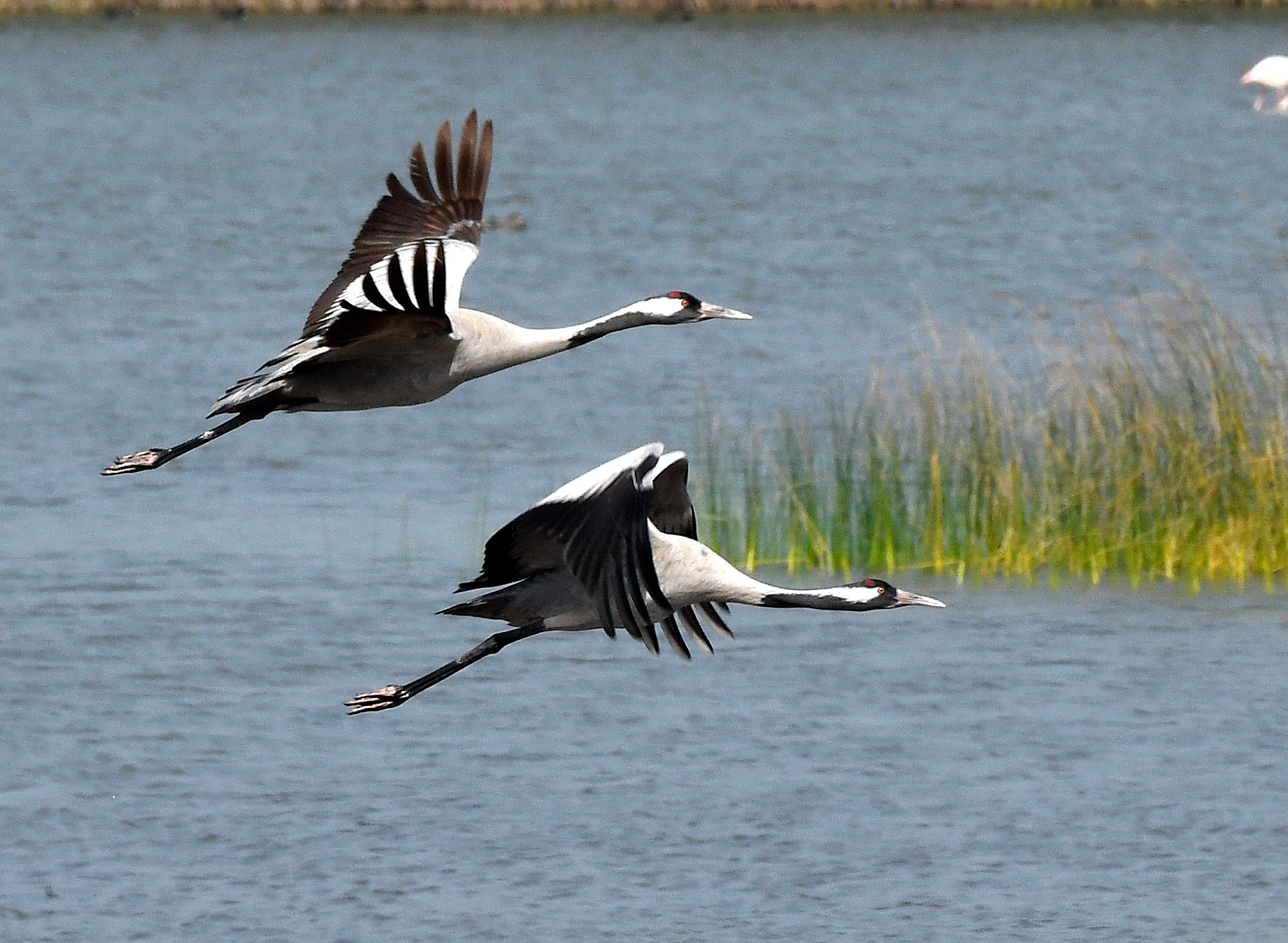
The ecological character of Hortobágy is defined by its steppe vegetation communities, which persist despite the region not being a true climatic steppe—the distinctive alkaline conditions created by the soil's chemical properties allow grassland communities to thrive. The vegetation includes loess steppe grasslands on the flatter ridges and kunhalom mounds, characterized by species such as Festuca rupicola, Elymus hispidus, and Stipa capillata. The alkaline puszta communities support salt-tolerant species including Aster tripolium ssp. pannonicum and Peucedanum officinale. The marshes and fishpond margins support reed beds, sedge communities, and aquatic vegetation including water lily species. Remnant oak woodlands (sziki tölgyesek) survive at the park's edges, particularly in the Ohat Forest and the Tilalmas Forest near Újszentmargita, where spring wildflowers including Pulsatilla, Corydalis, and Iris species create seasonal displays. The alkaline conditions have produced a distinctive flora with species adapted to high pH and salinity, creating vegetation communities found nowhere else in Hungary.
Hortobágy National Park wildlife and species highlights
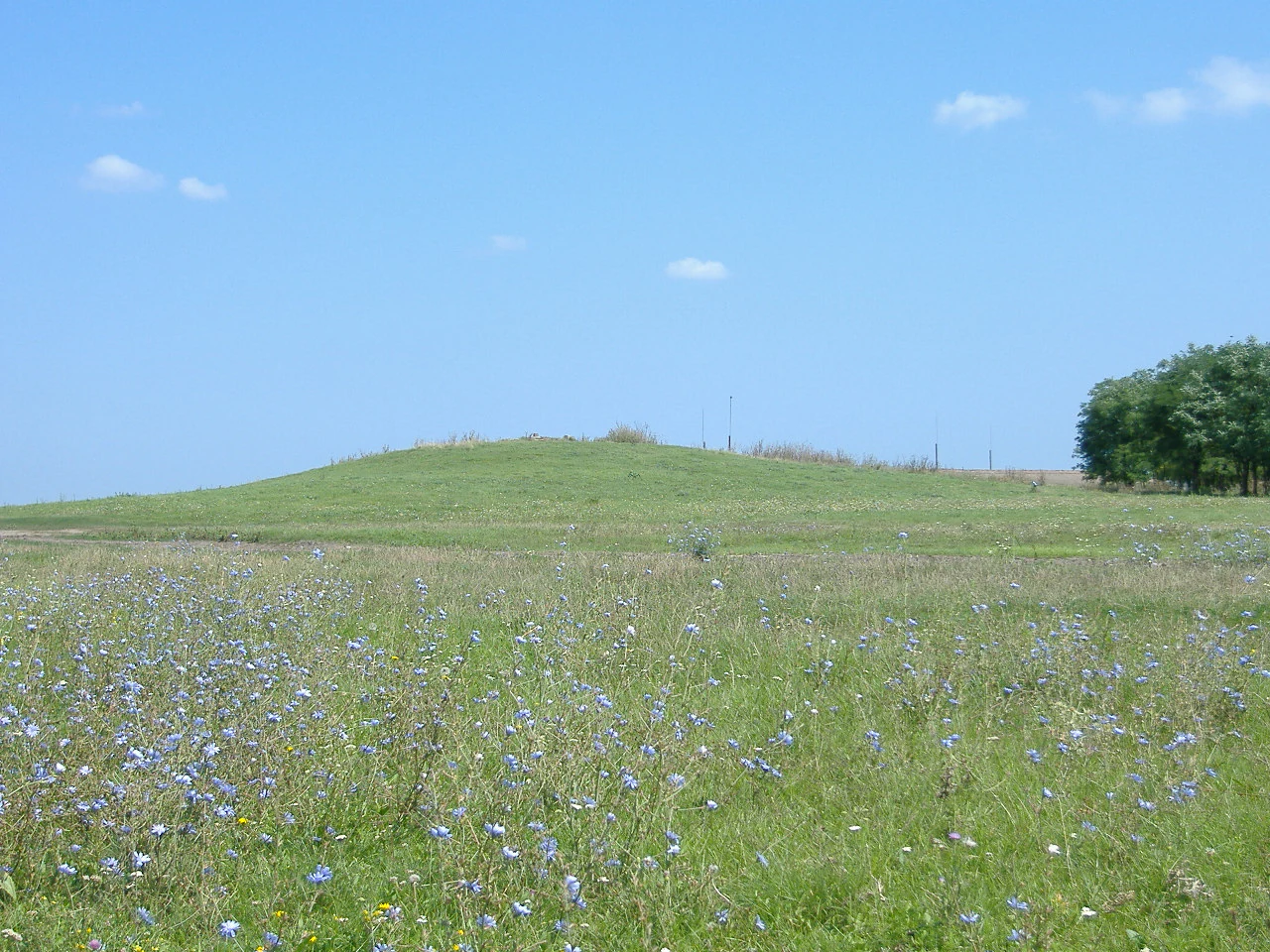
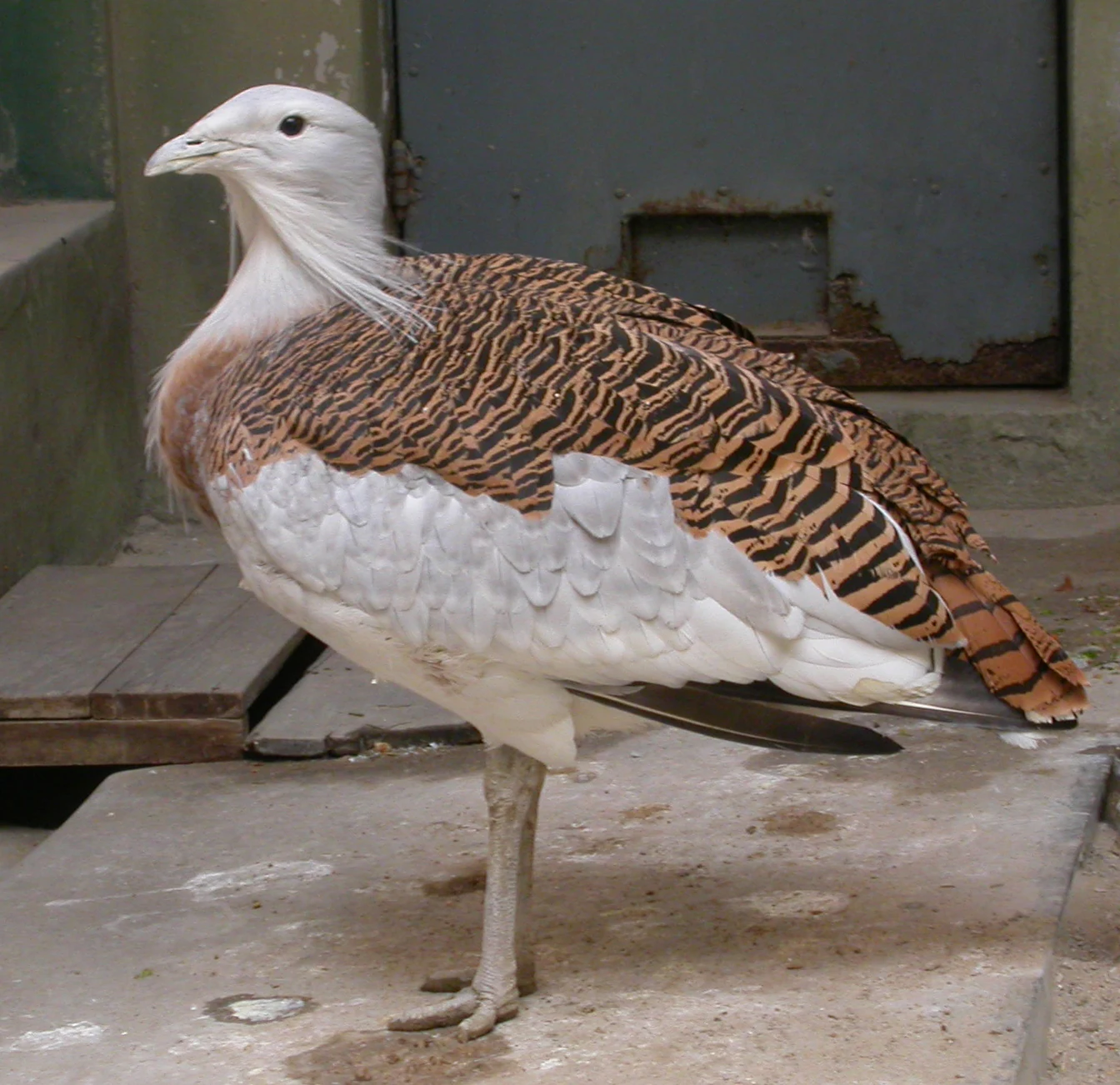
Hortobágy supports an extraordinary diversity of wildlife, with particular significance attached to its bird communities. Over 340 bird species have been recorded within the park, making it one of the most important ornithological sites in Europe. The breeding bird community includes significant populations of red-footed falcon, stone curlew, great bustard, European roller, saker falcon, eastern imperial eagle, European bee-eater, great egret, white stork, black stork, and many others. The wetlands and fishponds support heronries, cormorant colonies, and diverse waterbird communities. The park serves as a critical stopover site for migratory species, with tens of thousands of birds passing through during spring and autumn migrations, including common crane, dotterel, and lesser white-fronted goose. The mammalian fauna includes roe deer, European wildcat, red fox, and European ground squirrel. The park maintains conservation herds of traditional domestic animals including Hungarian Grey cattle, Racka sheep, water buffalo, and Nonius horses. A small herd of approximately 25 Przewalski's horses has been established, representing efforts to maintain the ecological roles of wild equids. The park also supports a breeding program for Taurus cattle, one of several projects attempting to recreate the extinct aurochs.
Hortobágy National Park conservation status and protection priorities
Hortobágy's conservation significance stems from its role as Europe's largest remaining semi-natural grassland and a model of cultural landscape preservation. The UNESCO World Heritage designation specifically recognized the site's testimony to traditional pastoralism and its outstanding universal value as a cultural landscape. As a Ramsar Wetland site, the park's aquatic habitats receive international protection under the Convention on Wetlands, with waterbird hunting prohibited throughout the year in designated areas. The park's status as a biosphere reserve integrates nature conservation with sustainable traditional land uses, allowing for the continuation of grazing practices that maintain the open grassland character. The conservation approach acknowledges that the puszta is not a pristine wilderness but a cultural landscape where traditional pastoral practices are essential for maintaining the ecological character—the continued presence of grazing animals prevents the succession to scrub and woodland that would otherwise occur. The park participates in European conservation networks and supports research into steppe ecology, traditional breed conservation, and sustainable pastoral management.
Hortobágy National Park cultural meaning and human context
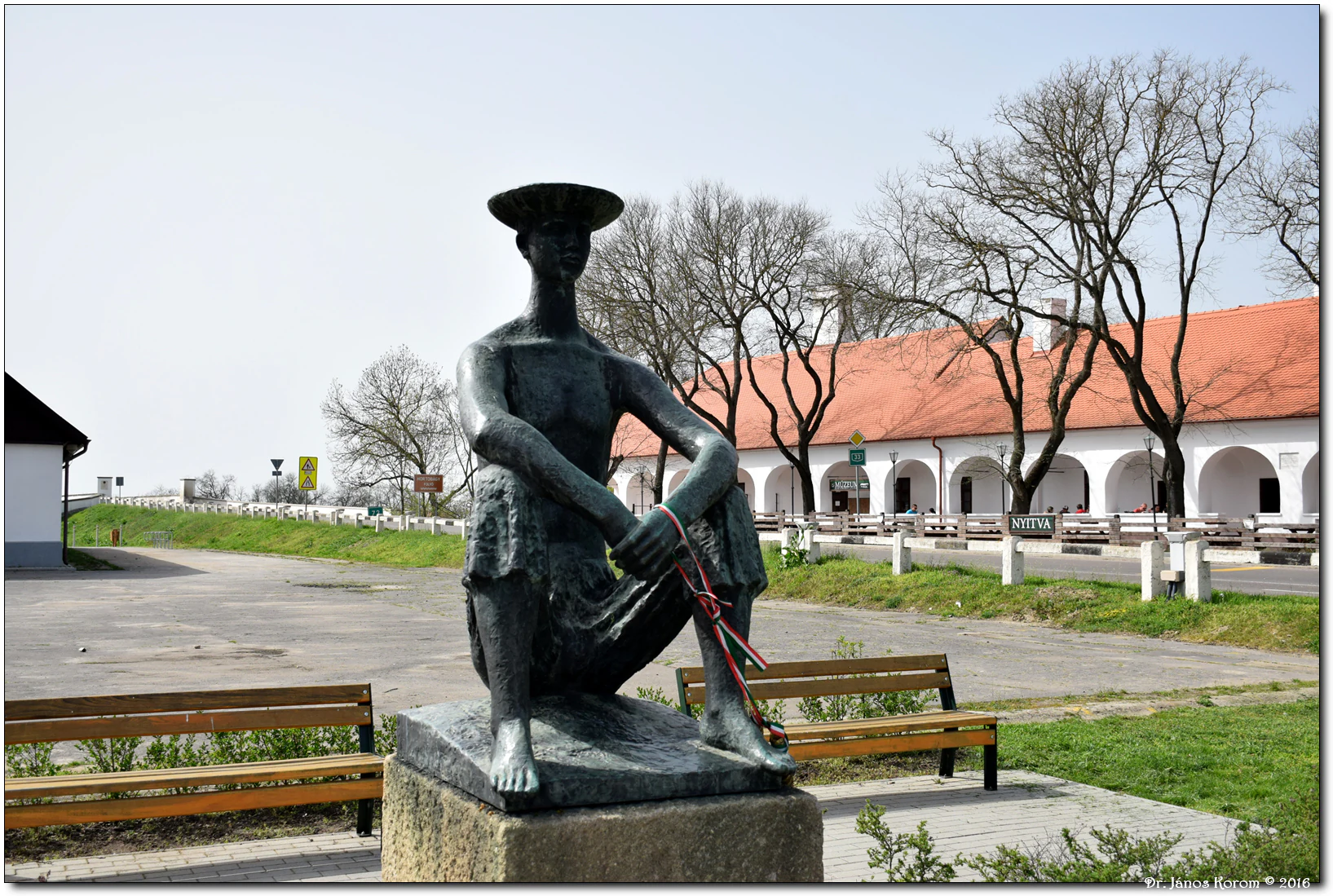
The cultural landscape of Hortobágy represents one of Europe's most intact expressions of traditional pastoral life, a heritage that defines Hungarian national identity. The puszta has been shaped by generations of herders, with the csikós (mounted herdsmen) remaining an iconic figure in Hungarian folklore and cultural imagination. The landscape preserves numerous traditional structures including the distinctive T-shaped sweep wells (gémeskút), which were essential for watering livestock, and the Nine-holed Bridge (Kilenclyukú híd), a stone bridge with nine arches that has become the park's most recognizable landmark. The region retains traditional animal breeds including the Hungarian Grey cattle, known for their distinctive curved horns, the Racka sheep with its double-horned profile, and the Nonius horse breed. The cuisine, music, and traditions of the puszta have profoundly influenced Hungarian cultural identity. The name Hortobágy itself derives from Hungarian words meaning 'long and wide' or 'extended grazing land,' directly referencing the landscape's pastoral heritage.
Top sights and standout views in Hortobágy National Park
The Nine-holed Bridge stands as the park's most iconic structure, a nine-arch stone bridge that has become synonymous with the Hortobágy landscape. The traditional sweep wells, with their distinctive T-shaped wooden frames, dot the puszta as functional cultural landmarks. The bird migration spectacle in spring and autumn draws tens of thousands of cranes and geese, creating one of Europe's most impressive wildlife spectacles. The traditional animal breeds—Hungarian Grey cattle, Racka sheep, and Nonius horses—still graze the open ranges in patterns that have changed little for centuries. The park's dark sky preserve offers exceptional opportunities for stargazing in one of Europe's few truly dark locations. The narrow-gauge railway connecting the park to the Kondás fishpond provides a unique visitor experience while serving as a working fishpond railway.
Best time to visit Hortobágy National Park
The park can be enjoyed throughout the year, though each season offers distinct characteristics. Spring brings the bird migration spectacle, with cranes, geese, and numerous waterfowl passing through in large numbers, while the warmer months see active pastoral activities with herds grazing across the open puszta. Summer offers long daylight hours and the classic puszta atmosphere, though mid-summer heat can be intense on the exposed plain. Autumn again features impressive bird migrations, particularly the crane and goose passages, and the golden light creates particularly striking landscapes. Winter reveals a different character, with snow-covered puszta offering stark, minimalist beauty, though some facilities may have reduced operations. The shoulder seasons of late spring and early autumn generally offer the most comfortable conditions for exploration and wildlife observation.