Why Slovak Karst National Park stands out
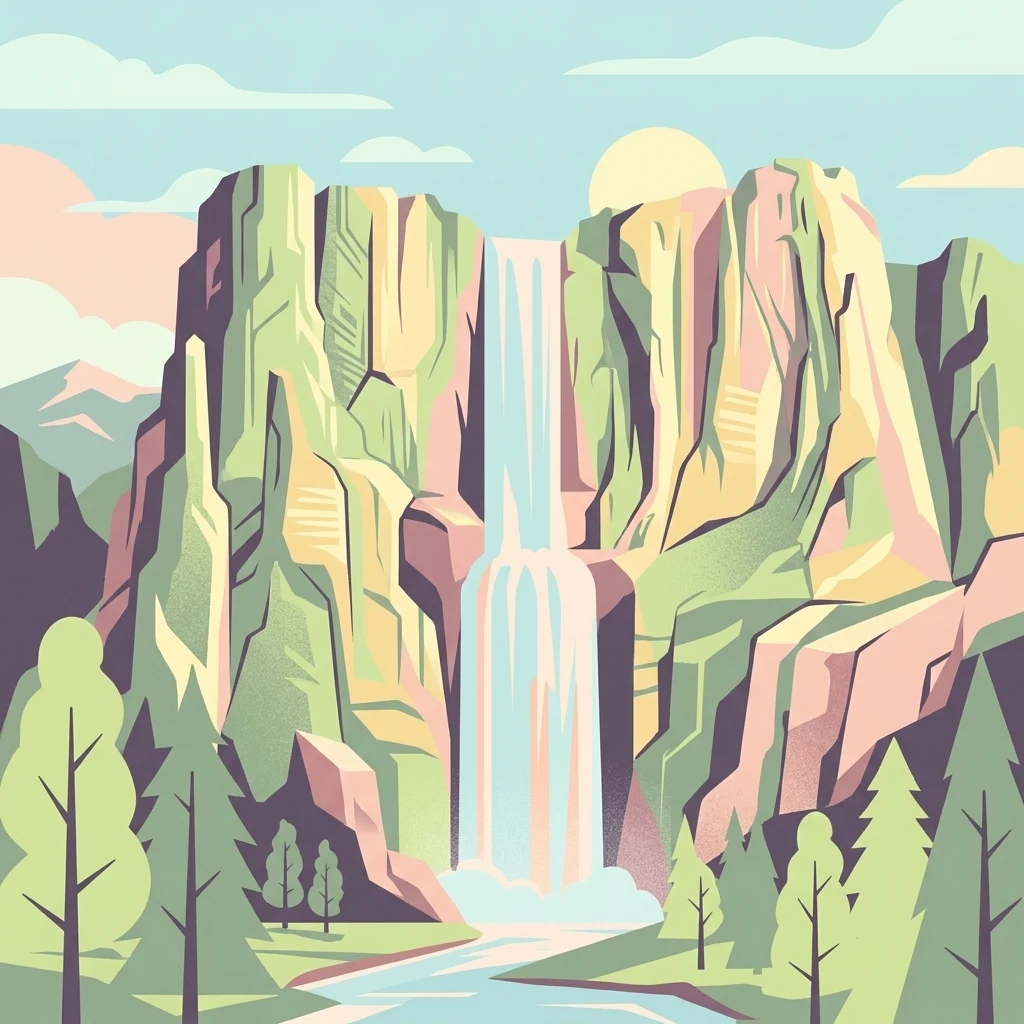
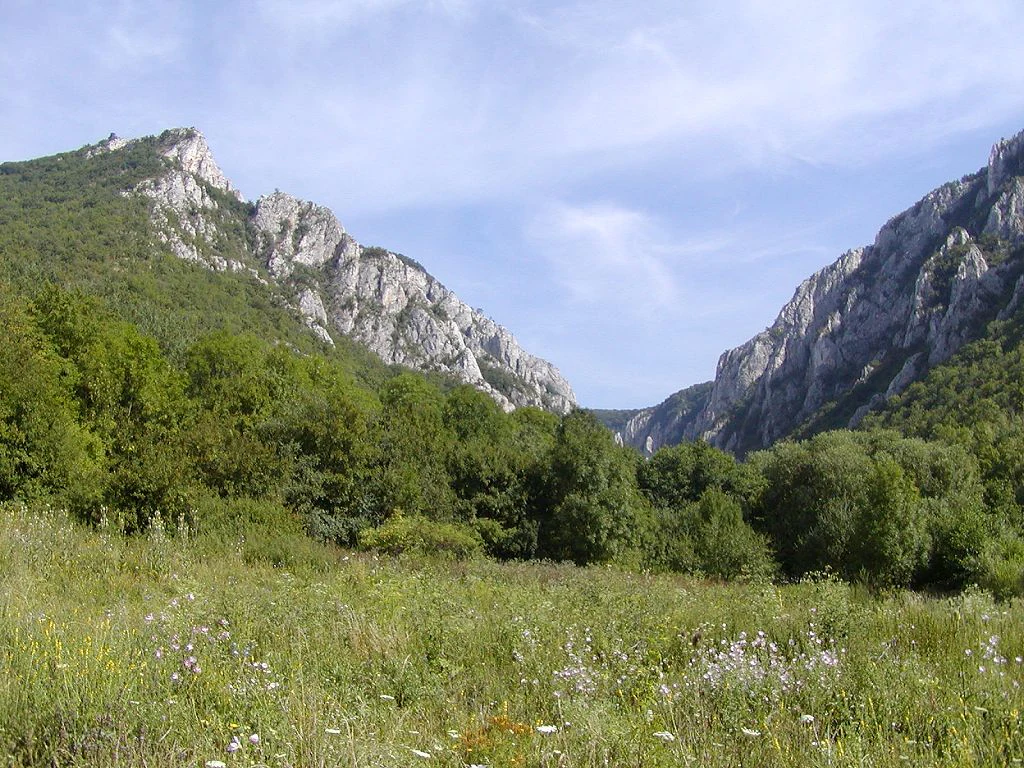
Slovak Karst is best known for its extraordinary karst geology, featuring one of the most complex and well-developed cave systems in Central Europe. The Zádielska tiesňava canyon represents one of the park's most spectacular surface features, with its sheer limestone walls and dramatic gorge. The underground realm is equally impressive, the Skalistý potok cave system stretches over 7.9 kilometers with a vertical depth of 373 meters, making it the longest and deepest cave in the Slovak Karst region. Twelve caves within the park form part of the UNESCO World Heritage Site recognized in 1995. The region also stands out for its biological diversity, supporting all of Slovakia's large carnivores including brown bears, wolves, and lynx, alongside remarkable populations of birds of prey and bats.
Slovak Karst National Park history and protected-area timeline
The protection of Slovak Karst evolved over several decades before achieving national park status in 2002. The area was first designated as a protected landscape area (CHKO) in 1973, recognizing the region's outstanding natural and geological values. This initial protection came after decades of increasing scientific documentation of the area's caves and karst features. A pivotal moment in the region's recognition came on March 1, 1977, when Slovak Karst became Slovakia's first biosphere reserve under UNESCO's Programme on Man and the Biosphere, acknowledging both the ecological significance and the traditional human relationships with this landscape. In 1995, the caves of Slovak Karst and the neighboring Aggtelek Karst in Hungary were inscribed as a UNESCO World Heritage Site, recognizing their outstanding universal value as one of the world's most significant cave systems. The transition to national park status in 2002 reflected Slovakia's commitment to stronger conservation measures for its most valuable landscapes. The park administration, based in Brzotín, manages not only the core national park territory but also numerous small protected areas within its boundaries, including ten national nature reserves, six nature reserves, and sixteen national nature monuments, most of which are cave systems.
Slovak Karst National Park landscape and geographic character
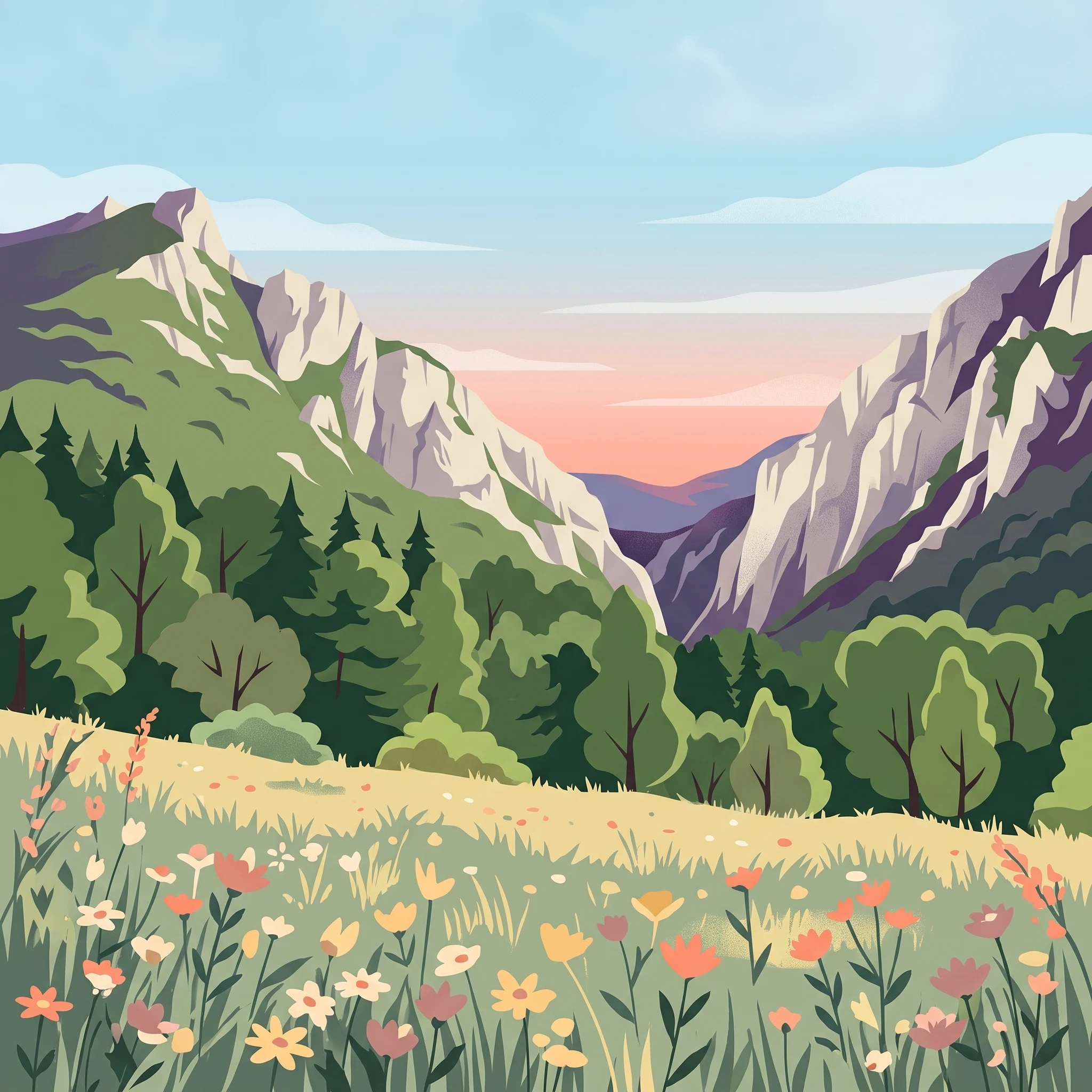
The landscape of Slovak Karst National Park is defined by its karst geology—limestone and dolomite bedrock that has been sculpted by water into a complex terrain of caves, sinkholes, disappearing streams, and karst springs. The terrain is characterized by a succession of elevated limestone plateaus separated by deep valleys and canyons. The Silická planina, Horný vrch, and Dolný vrch represent the main plateau formations, their surfaces marked by karst features including karren fields, sinkholes, and disappearing streams. Between these plateaus, the landscape drops into steep-sided valleys, none more dramatic than Zádielska tiesňava, a spectacular gorge with limestone walls rising tens of meters above the stream below. The highest point in the park, Matesova skala, reaches 925 meters above sea level, though most of the protected area lies at moderate elevations. The underlying geology creates distinctive drainage patterns—surface streams frequently disappear underground through swallow holes, traveling through cave systems before reemerging as springs in valleys or at the bases of cliffs. This karst hydrology supports unique ecosystems both above and below ground, with the caves providing stable environments for specialized species and the surface landscapes hosting diverse habitats from forested slopes to rocky cliffs and karst meadows.
Slovak Karst National Park ecosystems, habitats, and plant life
The ecological diversity of Slovak Karst reflects both its varied surface terrain and the unique underground environments created by its karst geology. Forest covers approximately 78 percent of the park, with mixed deciduous and coniferous forestsclimbing the slopes between the limestone plateaus. These forests transition with elevation, supporting species typical of central European mountain environments. The karst landscape creates highly specialized habitats—the bare limestone surfaces of cliffs and plateaus support communities of drought-resistant plants, while the cool, humid environments of cave entrances host entirely different assemblages. The region's position at the meeting point of different climatic influences contributes to species diversity, with elements from western, eastern, and southern Europe meeting here. Particularly notable is the subterranean ecosystem, where cave systems support specialized fauna adapted to life in complete darkness, including numerous species of bats, cave-dwelling invertebrates, and unique troglobitic organisms. The karst wetlands, though limited in extent, provide critical habitats for specialized plants and invertebrates adapted to temporary flooding and the unique chemistry of karst water.
Slovak Karst National Park wildlife and species highlights
Slovak Karst supports an impressive community of wildlife, with all of Slovakia's large carnivores present within the park's boundaries. Brown bears, wolves, and Eurasian lynx all maintain populations here, representing some of the most significant predator communities in central Europe. These species benefit from the park's extensive forest cover and the connectivity to surrounding landscapes that allows for natural movement and genetic exchange. The bird population is particularly notable, with golden eagles, white-tailed sea eagles, and black storks among the characteristic species of the rocky cliffs and forest edges. The bat fauna is exceptionally rich—nearly all species found in Slovakia have been recorded in the park, with the numerous caves providing critical roosting and hibernation sites. Reptiles and amphibians are well represented, including both tree and smooth snakes, several lizard species, and diverse amphibian communities ranging from common frogs to fire salamanders. The cave systems themselves support specialized subterranean fauna, with various invertebrate species adapted to life in the dark, damp underground environment. This rich wildlife community reflects both the quality of protection within the park and the importance of the broader karst landscape as a wildlife corridor through the eastern Slovak lowlands.
Slovak Karst National Park conservation status and protection priorities
Slovak Karst holds exceptional conservation significance at both national and international levels. As Slovakia's first biosphere reserve, designated by UNESCO in 1977, the park demonstrates a model of integrating conservation with sustainable human use of the surrounding landscape. The inscription of twelve caves as a UNESCO World Heritage Site in 1995, as part of the transboundary Slovak and Aggtelek Karst World Heritage Site, recognizes the outstanding universal value of the region's cave systems. These caves contain significant geological formations including stalactites, stalagmites, flowstones, and other speleothems, as well as evidence of prehistoric and historic human occupation. The park's protected area network includes multiple designations for the most significant features—ten national nature reserves protect outstanding examples of the park's geological and ecological diversity, while six nature reserves and sixteen national nature monuments, primarily caves, provide additional protection. The conservation challenge in karst landscapes is particularly acute because underground ecosystems are vulnerable to water quality changes, and the connection between surface and subsurface environments means that impacts on one directly affect the other. The park's management must balance scientific access, which allows research and education, with protection of sensitive cave environments and their unique biological communities.
Slovak Karst National Park cultural meaning and human context
The Slovak Karst region has been inhabited for thousands of years, with evidence of human presence in caves spanning from the Paleolithic period through medieval times. Several caves in the park have yielded archaeological artifacts demonstrating their use as shelters, ritual sites, and occasionally as places of refuge during times of conflict. The landscape surrounding the park maintains traditional agricultural practices that have shaped the region for centuries—small villages scattered through the valleys practice livestock raising and modest agriculture, with fields and pastures carved from the surrounding forest. These traditional practices have created a cultural landscape that, while modified by human activity, remains compatible with conservation goals and contributed to the park's recognition as a biosphere reserve. The park's location in the Slovak part of the broader Carpathian mountain system places it within a region of significant cultural complexity, where Slovak, Hungarian, and other cultural traditions have interacted over centuries. Place names throughout the region reflect this cultural layering, with Slovak, Hungarian, and German historical names all present in the landscape.
Top sights and standout views in Slovak Karst National Park
The underground world remains the primary draw for scientific visitors and speleologists, with cave systems like the Skalistý potok cave offering remarkable exploration opportunities. The cave system's 7.9 kilometers of passages and 373-meter depth make it the most significant in the Slovak Karst. For above-ground visitors, the Zádielska tiesňava canyon provides an accessible but spectacular example of karst landscape beauty, with its towering walls and intimate scale creating an immersive wilderness experience. The plateau landscapes of Silická planina offer hiking opportunities across terrain that feels like a karst moonscape, with extensive karren fields and sinkholes creating a distinctive hiking environment. Wildlife viewing opportunities center on the valley floors and forest edges where chances of encountering signs of bears, wolves, or lynx are higher than in more accessible terrain. The bat colonies that roost in the park's caves, particularly in autumn when large numbers gather before hibernation, represent a unique wildlife spectacle. The integration of surface and underground experiences—from walking plateau trails to descending into decorated caves—makes Slovak Karst one of Europe's most complete karst destinations.
Best time to visit Slovak Karst National Park
The karst landscape can be explored throughout the year, though each season offers distinct advantages. Summer brings the most reliable conditions for hiking the plateau trails and exploring the Zádielska tiesňava canyon, though this is also the busiest period. Spring and autumn offer cooler temperatures and fewer visitors, with autumn particularly beautiful as the forests change color. Winter access to some higher trails may be limited by snow, but the caves maintain relatively stable temperatures year-round, making underground exploration possible in any season. The caves are generally cooler than the surface, so those exploring underground passages year-round will need appropriate clothing regardless of the season above ground. Wildlife activity is highest in early morning and evening regardless of season, with dawn offering the best chances for encountering larger mammals in the valley areas.