
Why Tatra National Park stands out
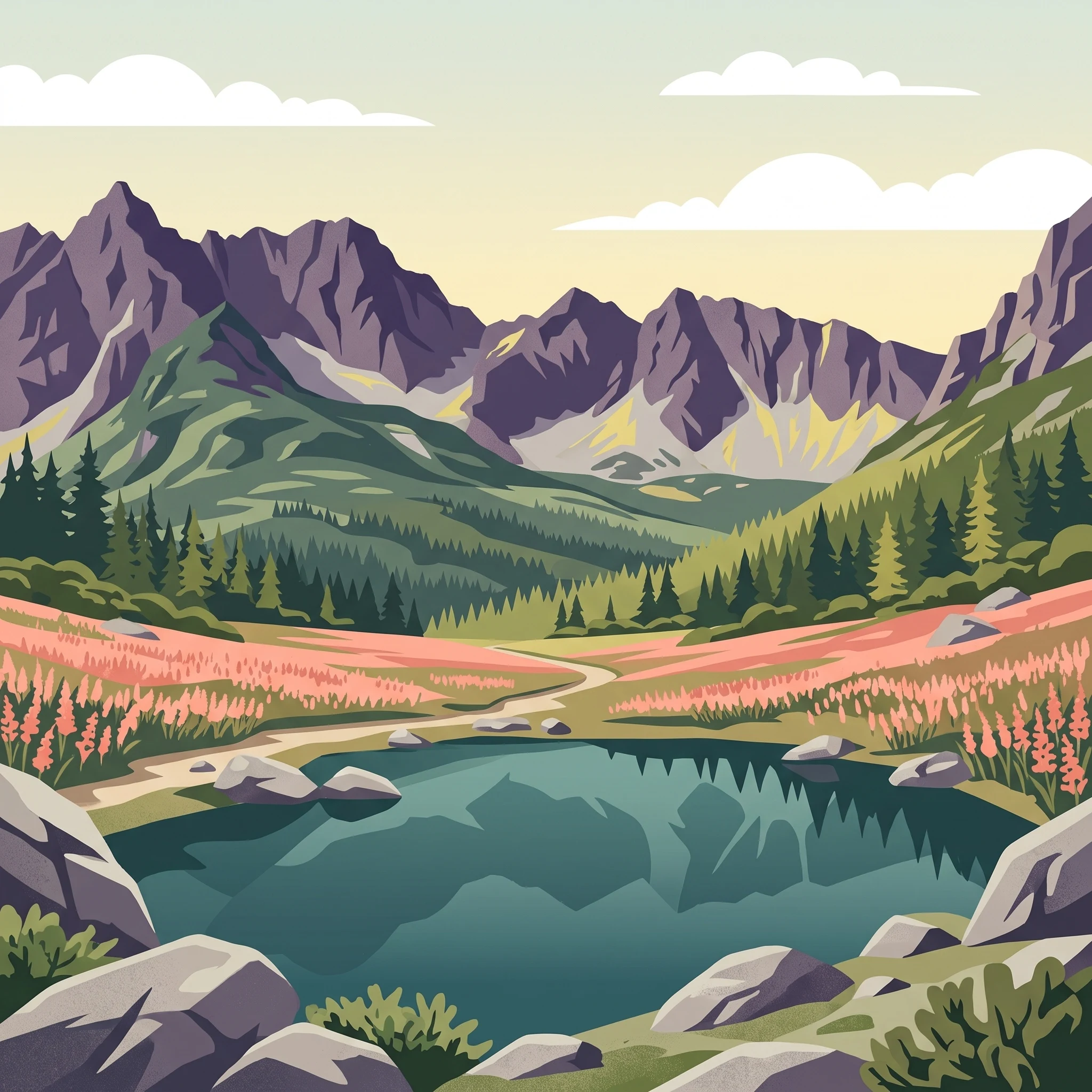
Tatra National Park is renowned for its dramatic Alpine scenery, protecting the only mountains of true Alpine character in Poland. The park is famous for its iconic glacial lakes, particularly Morskie Oko and Wielki Staw Polski, which rank among the most beautiful mountain lakes in Europe. The Tatra chamois, a distinctive endemic subspecies of Alpine chamois, has become a symbol of the park and can often be spotted on rocky slopes. The extensive cave system, with over 650 documented caves including the 23.7-kilometer Wielka Śnieżna system, attracts speleologists and adventure seekers. The network of challenging hiking trails through dramatic terrain, including the popular routes to Morskie Oko and Dolina Pięciu Stawów, provides access to some of Poland's most spectacular mountain landscapes.
Tatra National Park history and protected-area timeline
The conservation movement in the Tatras began in the late 19th century as recognition grew that the mountains were suffering significant environmental degradation from mining, logging, pastoral activities, and unregulated hunting. In 1868, the Galician Sejm (regional parliament) passed pioneering legislation protecting Alpine chamois and marmots, making these among the earliest wildlife protection laws in Europe. The establishment of the Tatra Society (Towarzystwo Tatrzańskie) in 1873 expanded conservation efforts to include certain plant species and initiated efforts to acquire land for a future national park.
The first serious attempt to establish a national park came in 1925 through cooperation with Czechoslovakia, reflecting the shared nature of the Tatra ecosystem across the border. After years of effort, the park was formally created in 1937, though initial protection was limited. Following World War II, efforts to establish a comprehensive protected area resumed, and in 1947 a dedicated administrative unit called Tatra Park was created. The current Tatra National Park was established in 1954 by government decision, initially covering 215.56 km² and later reduced to the present 211.64 km².
A significant challenge involved resolving complex property rights issues, particularly regarding the alpine pastures (hale) traditionally owned by local Górale communities. In 1960, the government initiated compulsory purchase of private properties in the Tatras, completing the acquisition by 1964 and effectively consolidating the protected area. Currently, approximately 85% of the park territory is owned by the park administration, with smaller areas held by the Polish Tourist and Country Lovers' Society and the Forest Community of Eight Villages.
In 1992, the Polish and Slovakian national parks in the Tatras were jointly designated as a transboundary biosphere reserve by UNESCO under its Man and the Biosphere Programme, recognizing the ecological unity of the Tatra range and strengthening cooperation in conservation efforts.
Tatra National Park landscape and geographic character
The landscape of Tatra National Park exemplifies classic Alpine terrain shaped by glacial processes. The park encompasses two main sections of the Tatra Mountains: the High Tatras (Tatry Wysokie) characterized by sharp, craggy peaks and dramatic rock formations, and the Western Tatras (Tatry Zachodnie) featuring more rounded summits and extensive alpine meadows. The highest peak in Poland, Rysy, rises to 2,499 meters within the park and offers sweeping views of the glacial landscape below.
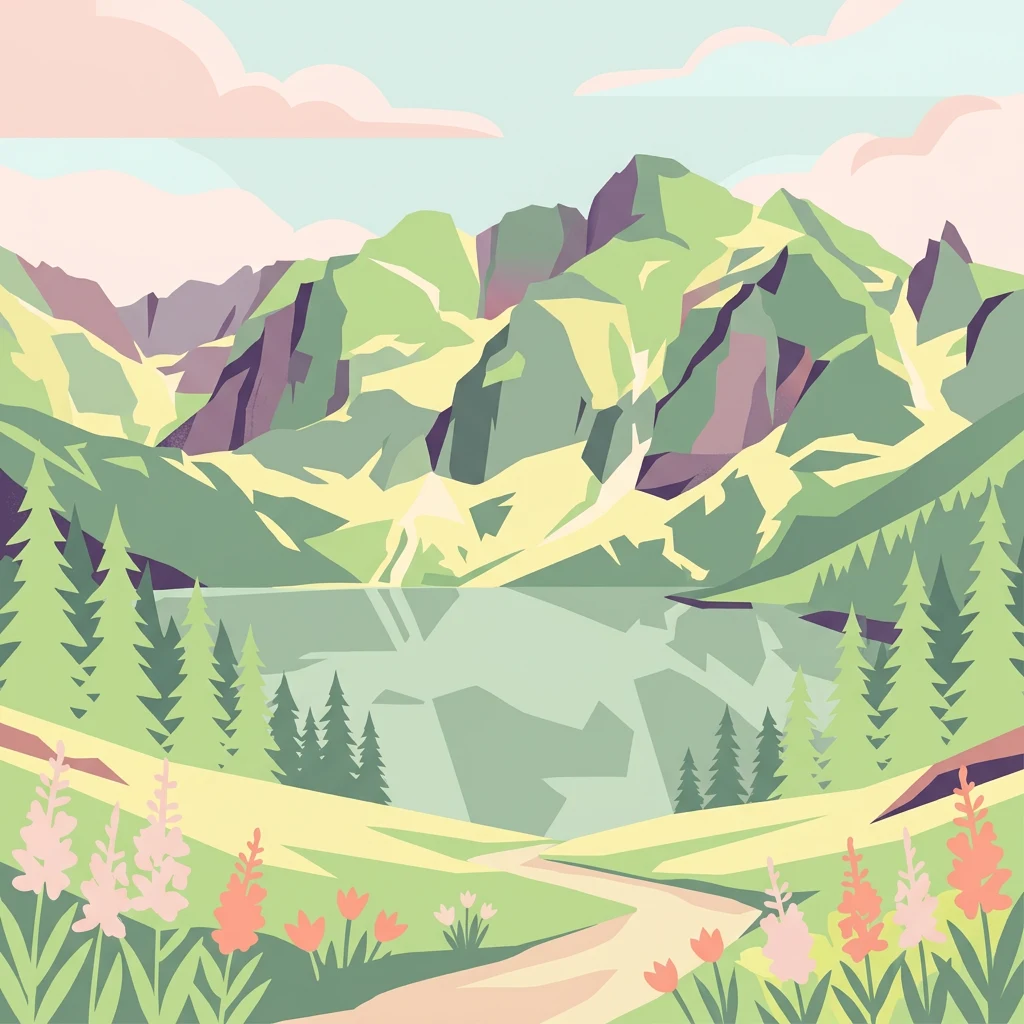
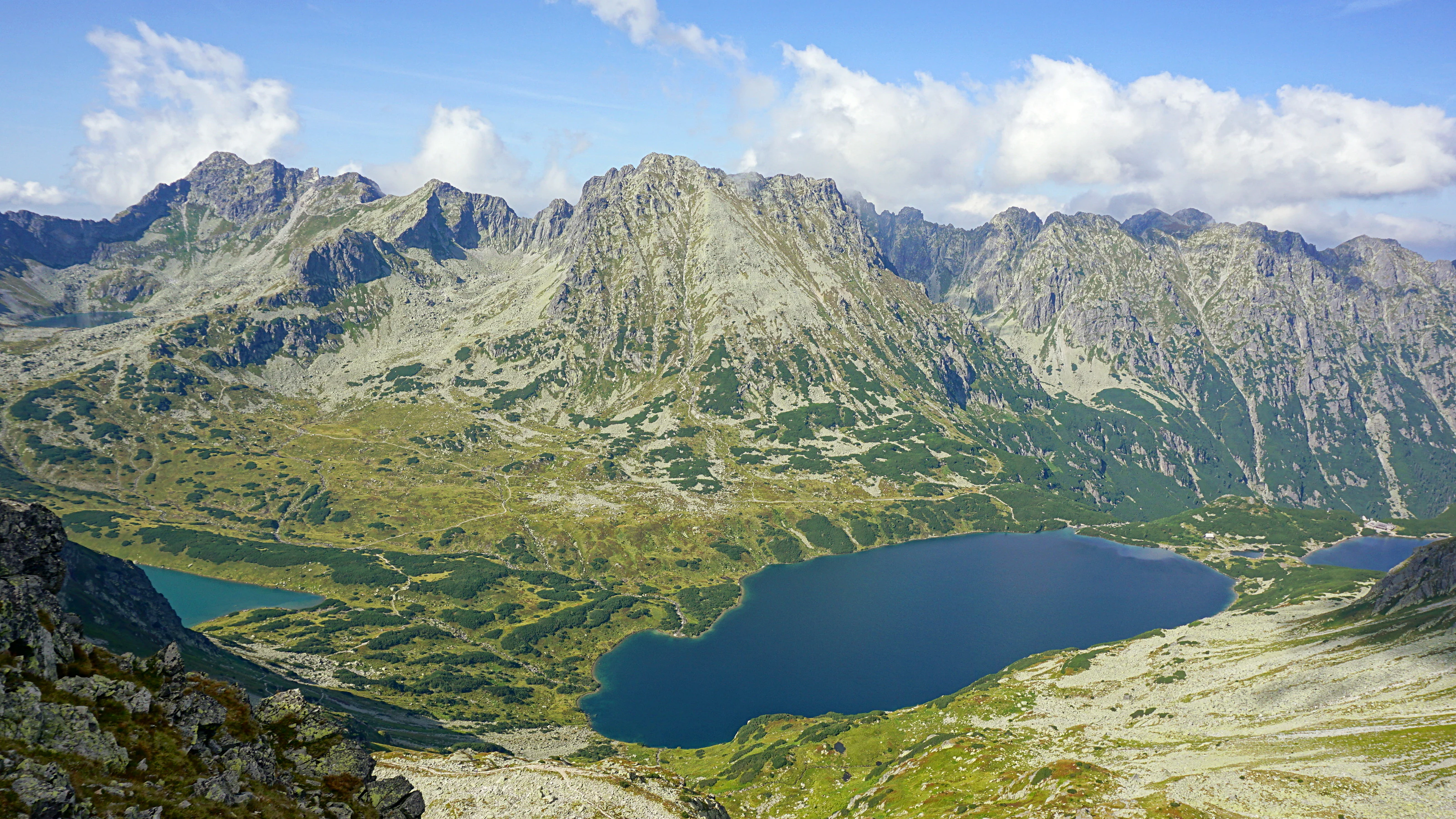
The park contains over 30 mountain lakes, locally called staw, which are among the most striking features of the Tatra landscape. These glacial lakes occupy cirques and valley floors, their deep blue waters contrasting with the surrounding granite walls. Morskie Oko, with an area of 349,000 m² and maximum depth of 50.8 meters, is the largest and most famous, while Wielki Staw Polski reaches 79.3 meters in depth, making it the deepest lake in the Polish Tatras. The Dolina Pięciu Stawów Polskich (Valley of Five Polish Lakes) contains a chain of lakes in a spectacular high glacial basin.
Waterfalls add to the dramatic scenery, with Siklawa Falls at 70 meters being the highest in the Polish Tatras, followed by Black Lake Falls at 40 meters and Siklawica Falls at 24 meters. The park contains approximately 650 caves, with the Wielka Śnieżna cave system being the longest at 23.7 kilometers and the deepest at 808 meters. Six caves are open to the public, offering visitors opportunities to explore the subterranean dimension of this mountain landscape.
The terrain features numerous streams and rivers, with the longest watercourse measuring approximately 20 kilometers. The landscape transitions from forested valleys through increasingly open terrain as elevation increases, with the characteristic zonation of vegetation reflecting the harsh high-mountain environment.
Tatra National Park ecosystems, habitats, and plant life
The ecology of Tatra National Park is defined by pronounced altitudinal zonation, creating distinct habitat bands from base to summit. The lower elevations up to 1,250 meters support silver fir and European beech forests, transitioning to European spruce-dominated forests in the upper forest zone up to 1,550 meters. Above the tree line, krummholz communities of dwarf pine (kosodrzewina) dominate from approximately 1,550 to 1,800 meters, above which alpine meadows and grasslands give way to bare rock and permanent snow at the highest elevations.
The flora of the Tatras exhibits exceptional biodiversity and endemism, with the mountains serving as the only Polish location for approximately 200 vascular plant species. Notable species include the Swiss pine (Pinus cembra), edelweiss (Leontopodium alpinum), and stemless carline thistle (Carlina acaulis). The spring bloom of giant crocus (Crocus vernus) in the Kościeliska Valley creates spectacular displays, while numerous gentian species color the alpine meadows during summer. The endemic Warzucha tatrzańska (Tatra wart-cress) represents one of several plant species found only in these mountains within Poland.
The cave system supports specialized subterranean ecosystems, while the various aquatic habitats host distinctive communities adapted to the cold, oligotrophic conditions. The combination of geological diversity, altitudinal range, and geographic isolation has produced an ecosystem of exceptional conservation importance, recognized through the UNESCO biosphere reserve designation and Ramsar wetland listings.
Tatra National Park wildlife and species highlights
Tatra National Park protects several endemic animal species that are found nowhere else in the world. The Tatra chamois (Rupicapra rupicapra tatrica), a subspecies of Alpine chamois, is perhaps the most iconic symbol of the park and can be observed on rocky slopes throughout the high mountains. The Tatra marmot (Marmota marmota latirostris), a distinct subspecies of Alpine marmot, inhabits alpine meadows and is protected in the park.
The mammalian fauna includes significant predator populations: brown bears (Ursus arctos), Eurasian lynx (Lynx lynx), and gray wolves (Canis lupus) maintain viable populations in this mountain environment, representing apex predators essential for ecosystem balance. The European otter (Lutra lutra) occupies aquatic habitats throughout the park. These large predators and the overall ecological integrity of the Tatra ecosystem depend on the transboundary connectivity with the Slovakian park.
Among birds, the lesser spotted eagle (Cliaetus pennatus) and the golden eagle (Aquila chrysaetos) are notable raptors nesting in the park. The snow finch (Montifringilla nivalis) and wallcreeper (Tephrophila pyrrhonota) are characteristic high-altitude bird species. The avifauna includes 192 species recorded in the park, with the first documented observation of an imperial eagle (Aquila heliaca) occurring in 2023.
The invertebrate fauna is equally significant, with numerous endemic species adapted to the specific conditions of this mountain environment. The park's wildlife reflects both the Alpine character of the ecosystem and the unique isolation of these mountains within the Carpathian arc.
Tatra National Park conservation status and protection priorities
Tatra National Park serves as the centerpiece of conservation efforts for one of Europe's most significant mountain ecosystems. The park's protection status encompasses strict protection zones covering approximately 115 km², where human intervention is minimized to allow natural processes to proceed. The park is categorized as IUCN Level II (National Park), reflecting its primary purpose of protecting ecological processes and biodiversity.
The UNESCO transboundary biosphere reserve designation in 1992 recognized the ecological unity of the Tatra Mountains spanning the Polish-Slovak border. This international framework facilitates coordinated conservation efforts and enables wildlife movements across the border, which is essential for maintaining viable populations of large mammals including bears, lynx, and wolves. The biosphere reserve concept acknowledges both the strict protection core areas and the need for sustainable human use in surrounding buffer zones.
The Ramsar Convention designations for the park's glacial lakes and peat bogs, formalized in 2017, recognize the international importance of these wetland habitats. These high-mountain wetlands support distinctive ecological communities and play important roles in water regulation and carbon storage.
Contemporary conservation challenges include managing the intense visitor pressure on sensitive ecosystems, addressing trail erosion and habitat fragmentation, and mitigating threats from air pollution originating from industrial regions. The park also works to address historical conservation issues, including restoring native forest composition and managing populations of large herbivores whose numbers were reduced by historical overexploitation.
Tatra National Park cultural meaning and human context
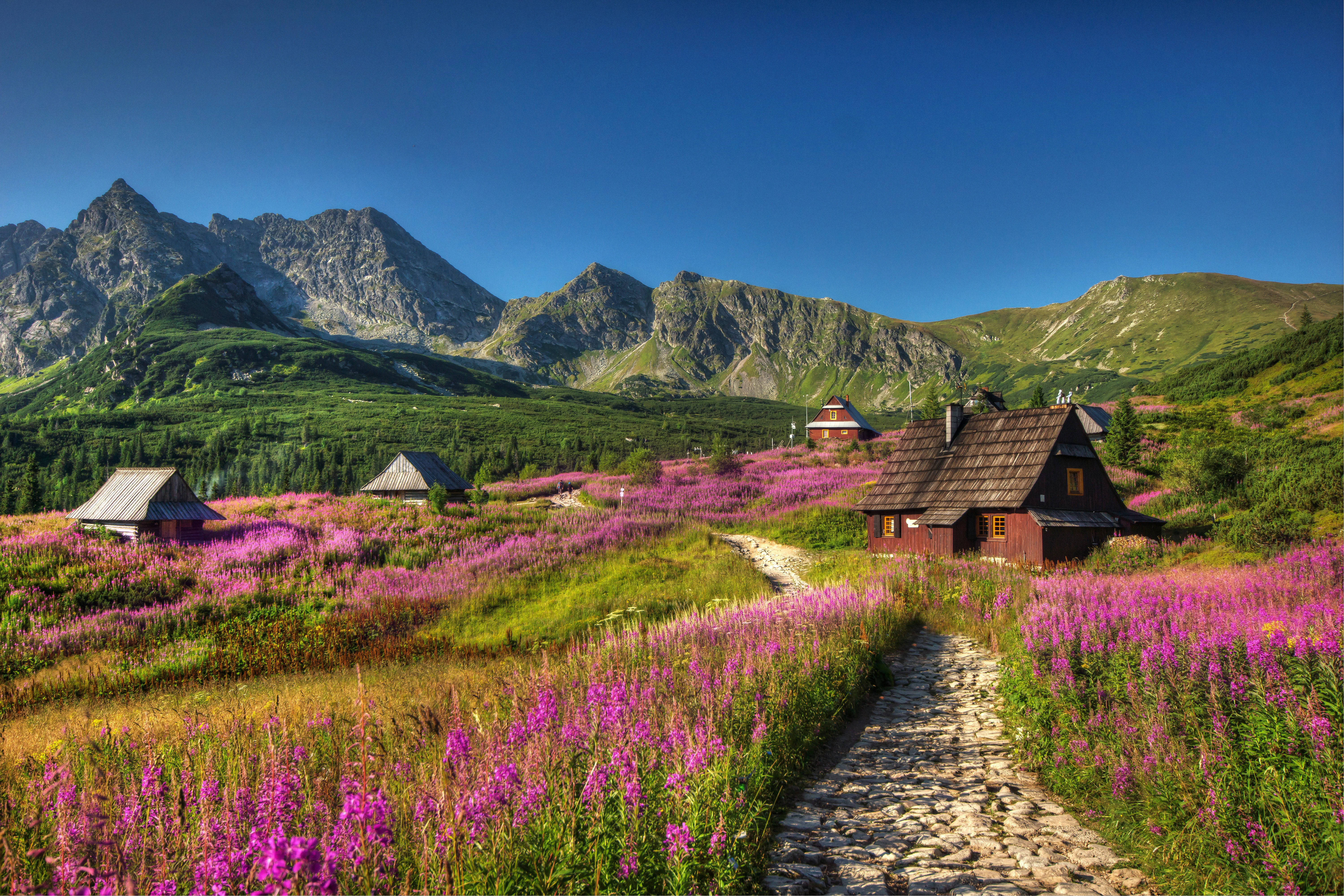
The Tatra Mountains are intimately connected with the cultural heritage of the Górale, the highland people of the Podhale region. This distinctive ethnic group has maintained a unique cultural identity characterized by the Podhale dialect, traditional music, and artisan crafts that differ significantly from lowland Polish culture. The traditional wooden architecture known as Zakopane Style, developed in the late 19th century and inspired by Tatra mountain forms, represents a significant contribution to Polish architectural heritage.
Shepherding traditions have shaped the Tatra landscape for centuries, with the alpine pastures (hale) created through clearing of forest and maintained through grazing. The traditional practice of producing oscypek, a smoked cheese made from sheep's milk, remains culturally significant, though the scale of pastoral activity has declined from historical levels. The Górale historically passed their cultural knowledge through oral traditions, maintaining connection to the mountain environment that defined their lives.
Historical exploitation of the Tatras included mining for iron ore and timber harvesting for mining operations and ironworks in the 18th and 19th centuries. These activities caused significant environmental degradation, depleting the original beech forests that once covered the lower slopes and disrupting natural ecological processes. The conservation movement emerged partly in response to these impacts, reflecting recognition that the mountain environment required active protection from extractive uses. Today, the park represents both a natural preserve and a cultural landscape shaped by centuries of human interaction with the mountain environment.
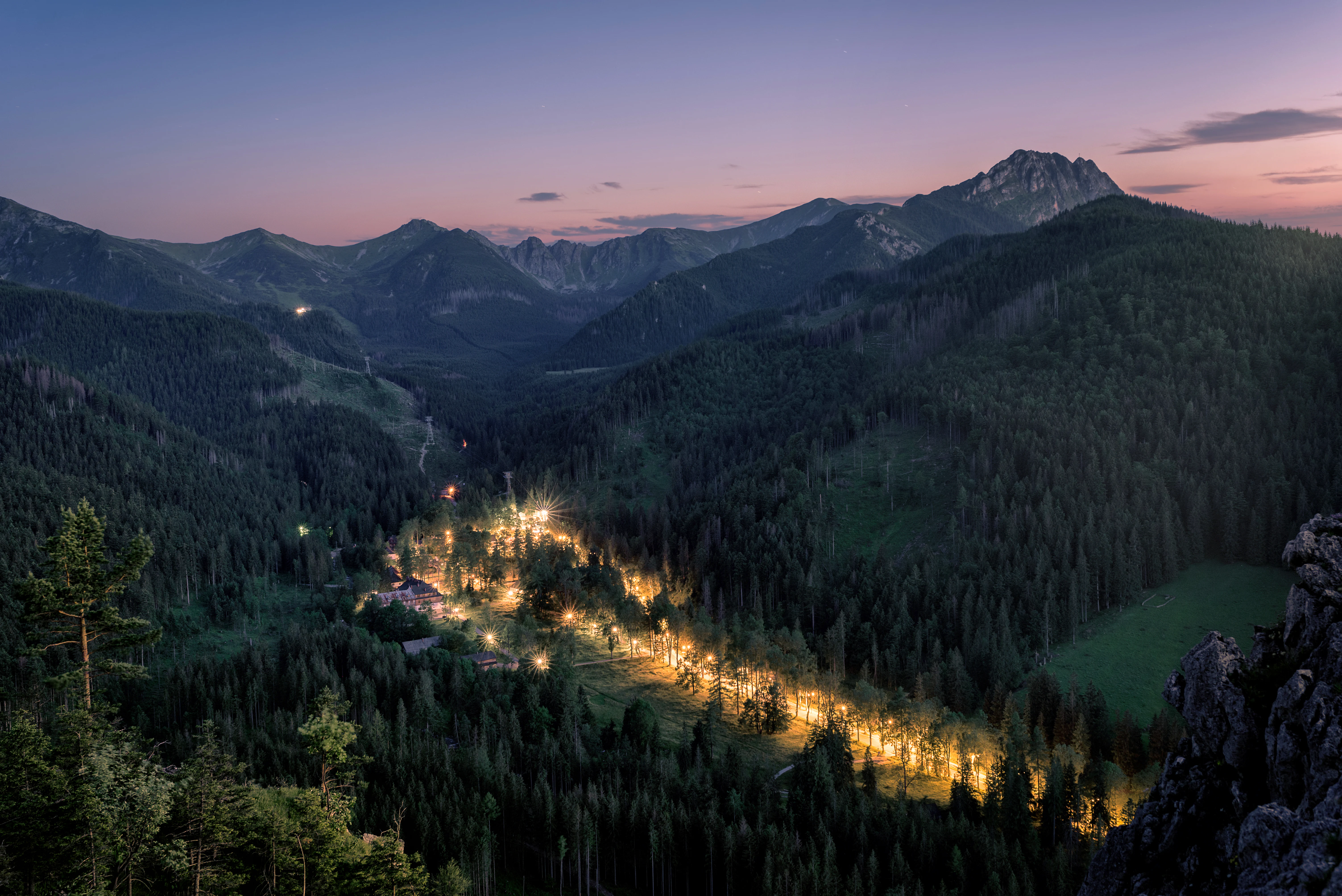
Top sights and standout views in Tatra National Park
Tatra National Park offers an exceptional combination of Alpine landscapes, endemic biodiversity, and cultural heritage within Poland's mountain environment. The glacial lakes, particularly Morskie Oko with its dramatic setting beneath towering cliffs, rank among Europe's most beautiful mountain lakes and attract visitors from around the world. The network of over 270 kilometers of hiking trails provides access to diverse terrain, from gentle valley walks to challenging alpine routes requiring scrambling equipment. The presence of the Tatra chamois, easily observed on rocky slopes, provides wildlife viewing opportunities found nowhere else in Poland. The transboundary biosphere reserve status connects the Polish park with its Slovakian counterpart, creating one of Europe's largest protected mountain areas. The park's cave system, with six caves open to the public, offers subterranean exploration opportunities. Spring crocus blooms in the valleys and diverse alpine flora throughout the summer months provide botanical interest, while the dramatic autumn colors of the mountain landscape offer yet another season of beauty.
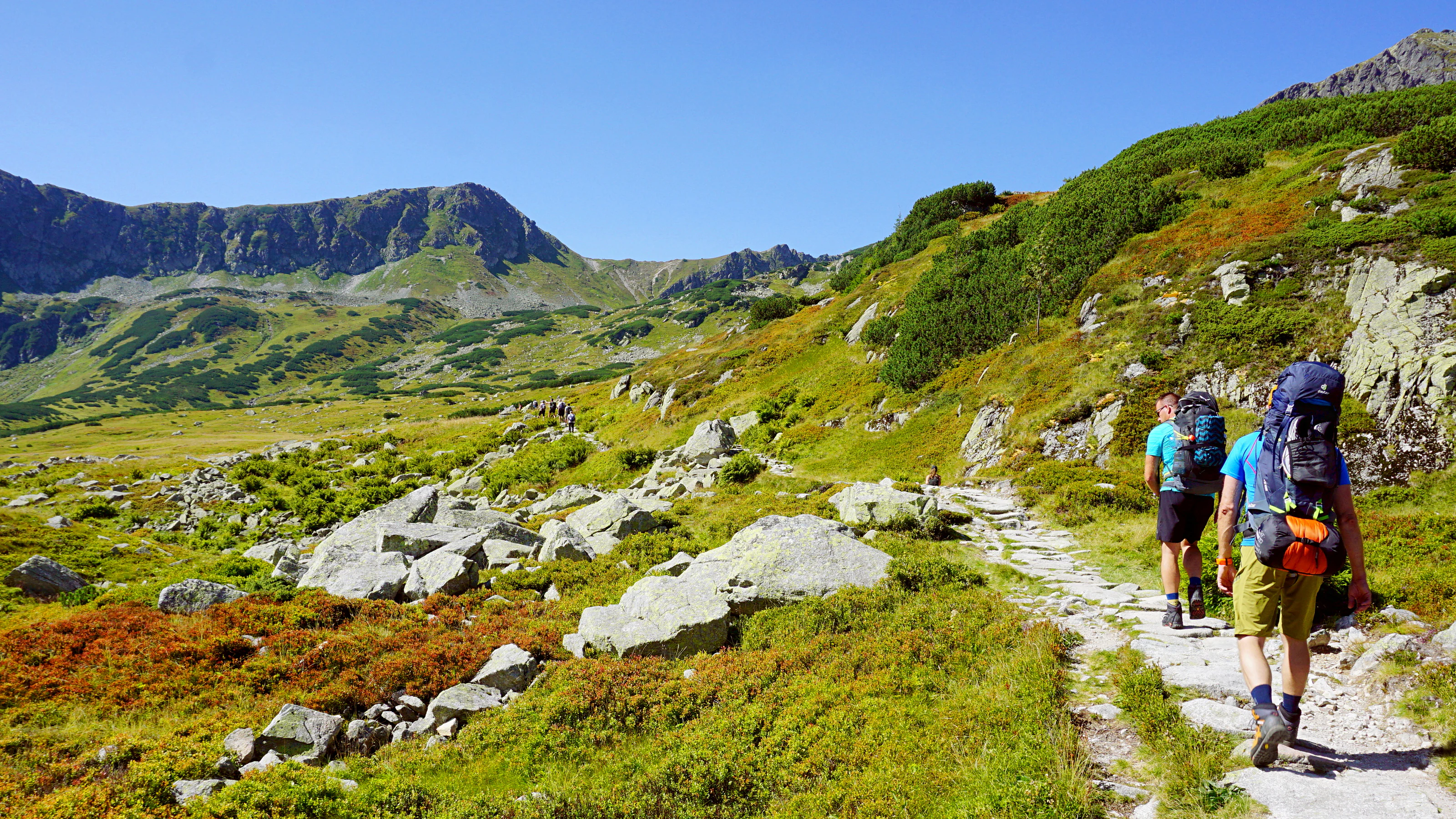
Best time to visit Tatra National Park
The Tatra Mountains can be visited throughout the year, each season offering distinct experiences and challenges. The summer months of July through September bring the highest visitor numbers and the most accessible trail conditions, with all routes generally open and favorable weather typical for mountain hiking. However, this period also corresponds with the busiest season, with Morskie Oko and other popular destinations experiencing significant crowding, particularly in August when visitor numbers can approach one million per month.
The shoulder seasons of spring and autumn offer more tranquil experiences and the opportunity to witness the landscape in different phases. May brings the spectacular crocus bloom in the Kościeliska Valley, while autumn colors transform the forest zones in September and October. These seasons can involve more variable weather and some trail closures, particularly at higher elevations where snow may persist into spring.
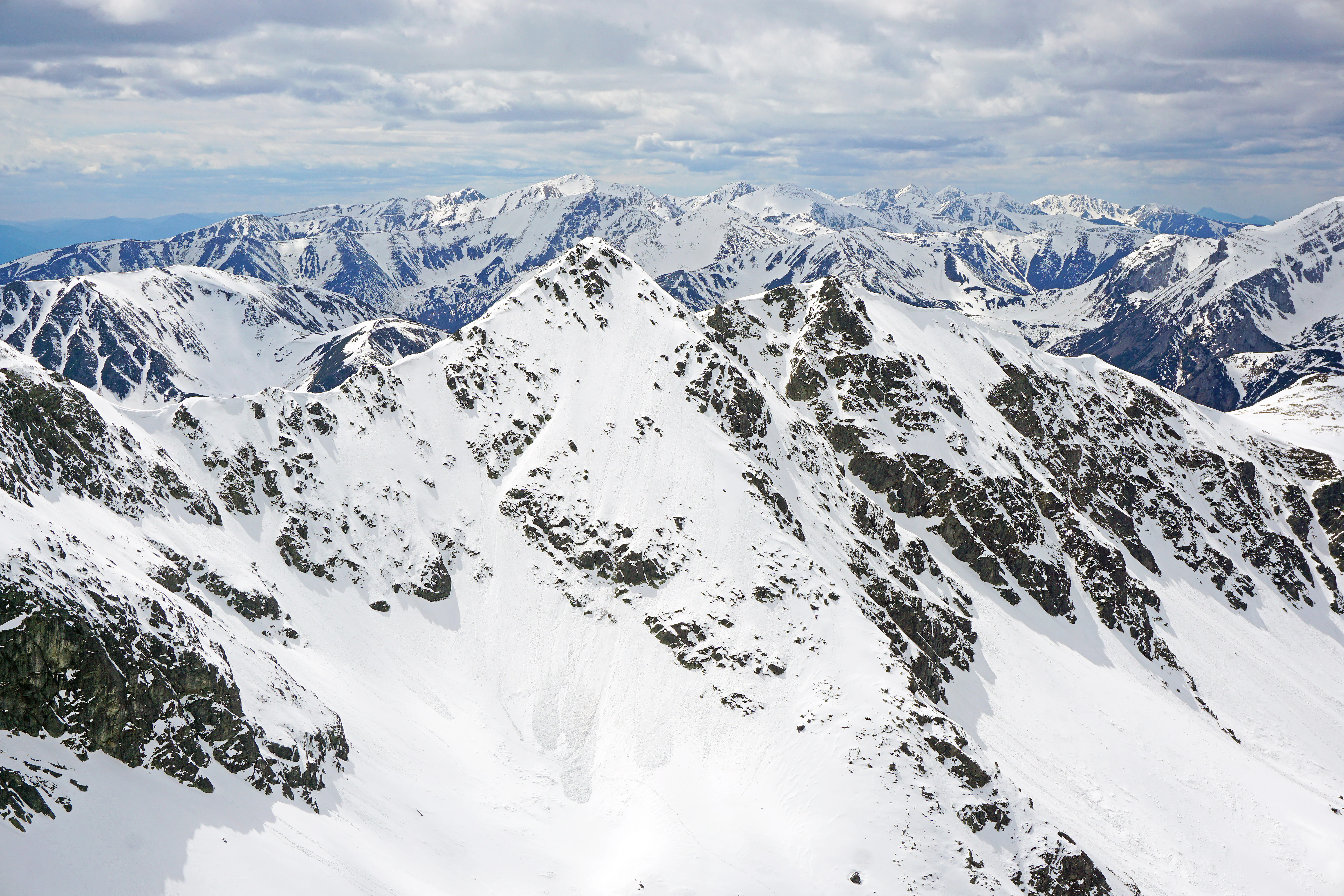
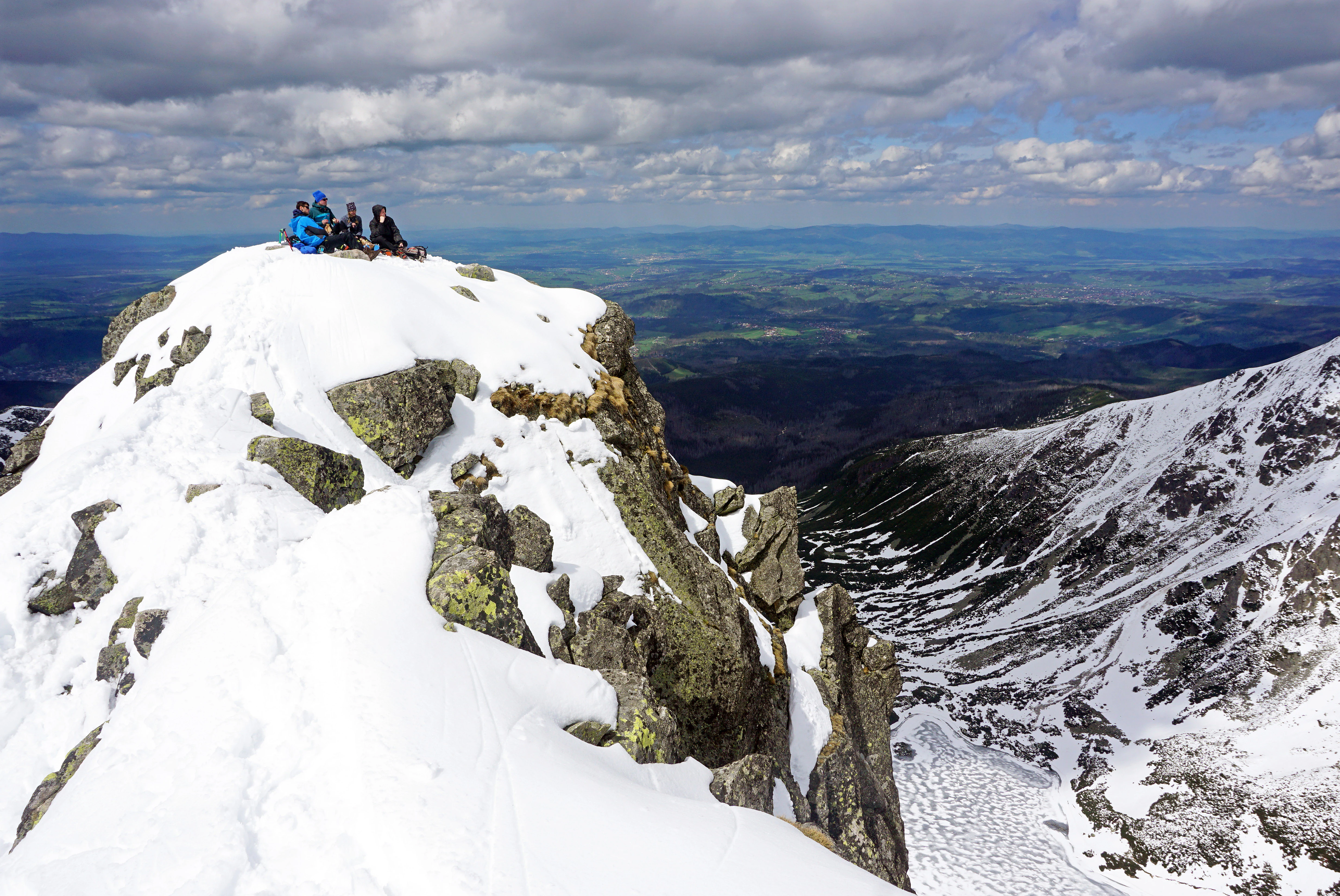
Winter transforms the Tatra National Park into a ski destination, with the Kasprowy Wierch area offering downhill skiing accessed by cable car from Zakopane. The winter landscape is spectacular but involves significant risks, including avalanche danger, extreme temperatures, and limited daylight. The park remains open in winter, but many trails are closed or dangerous, and backcountry travel requires appropriate skills and equipment. Regardless of season, visitors should be prepared for rapid weather changes and should check current conditions before setting out, as the high-mountain environment can become dangerous with little warning.