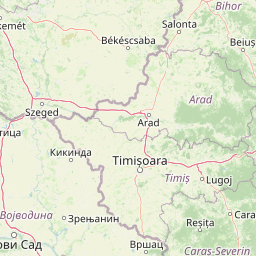

Why Körös-Maros National Park stands out
Körös-Maros National Park is best known as Hungary's premier destination for birdwatching and steppe bird conservation. The park protects one of Europe's most significant populations of the great bustard, the 'emblematic animal' of the park, which nests in the Dévaványa reserve established specifically for its protection. The Kardoskúti Fehér-tó (Lake Fehér) serves as a major autumn migration staging area where tens of thousands of plovers, cranes, and wild ducks rest and feed. The Biharugrai fishpond complex, Hungary's second-largest such system at nearly 1,900 hectares, provides critical habitat for breeding, migrating, and wintering waterbirds and has been a Ramsar site since 1997. The park also preserves the Erdályi hérics (Transylvanian rose) and bókoló zsálya (nodding sage), plant species found nowhere else in Hungary.
Körös-Maros National Park history and protected-area timeline
Körös-Maros National Park was established in 1997 as part of Hungary's expansion of its national park system during the 1990s. The park's creation represented the formal protection of a region that had already gained conservation recognition through earlier designations. The Dévaványa bustard reserve, established in 1975, provided the foundation for avian protection in the region and remains the park's most celebrated conservation achievement. The establishment of the national park consolidated protection for multiple significant areas that had been managed under different designations, including the Biharugrai fishpond complex and the various puszta reserves scattered across the region. The park's management body, the Körös-Maros National Park Directorate (Körös–Maros Nemzeti Park Igazgatóság), operates from headquarters in Szarvas and coordinates conservation activities across the multi-county territory. The park's relatively recent establishment means that many of its ecosystems remain under active restoration management, with efforts focused on maintaining the hydrological conditions that sustain wetland habitats and managing grassland areas to support ground-nesting bird populations.
Körös-Maros National Park landscape and geographic character
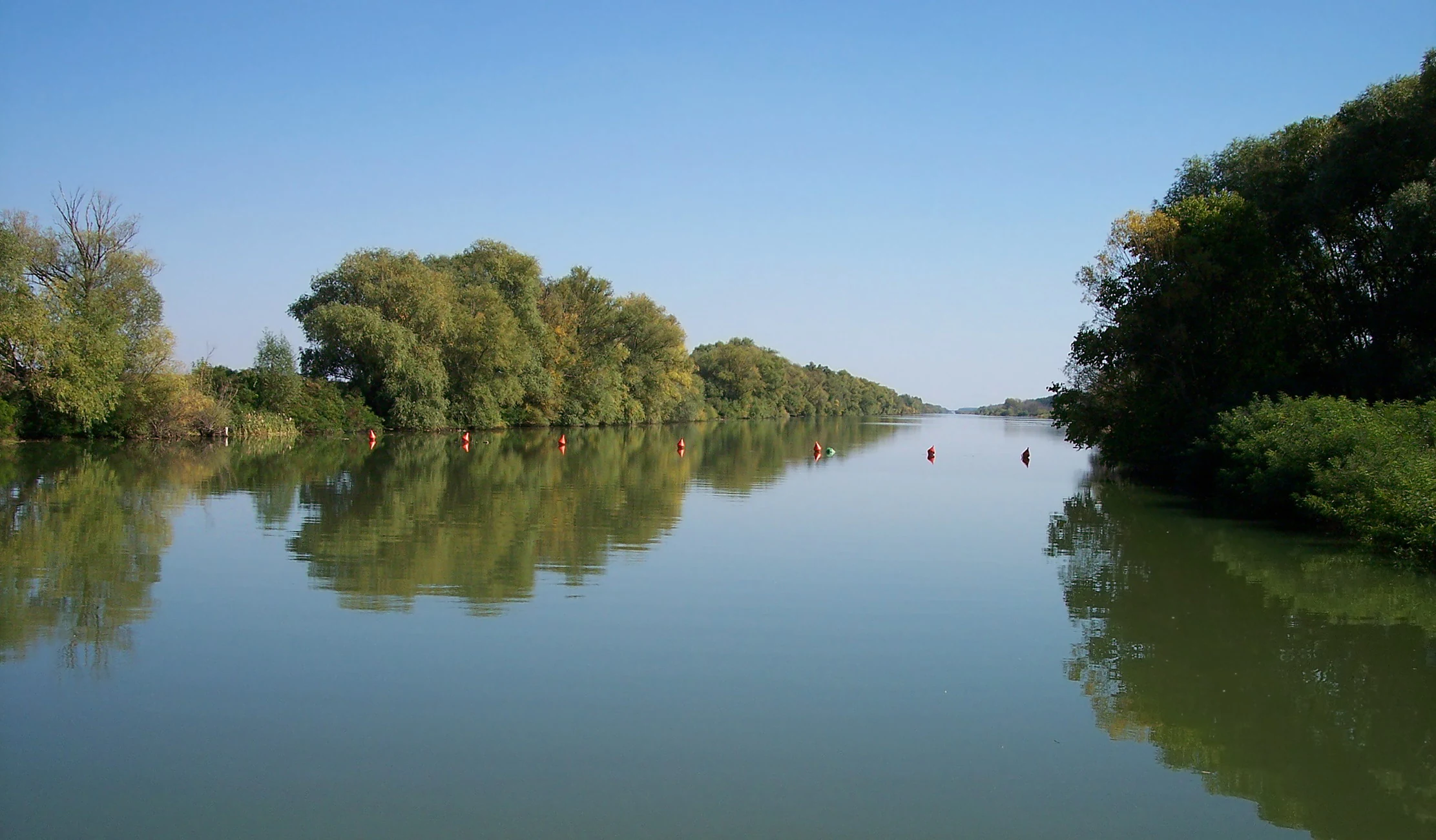
The landscape of Körös-Maros National Park represents the flat to gently undulating terrain characteristic of the Alföld, Hungary's great lowland plain. The park encompasses two broadly distinct landscape zones: the Körös floodplain region and the Békés-Csanádi loess upland. The floodplain areas feature the abandoned channels, oxbow lakes, and marshy depressions left by the Körös River system as it has shifted across the plain over geological time. The fishpond complexes, particularly the extensive Biharugrai system, create artificial wetland habitats that now form the backbone of the park's waterbird conservation value. The puszta areas consist of grassland steppe on loess soils, interspersed with kurgán (ancient burial mounds) that break the horizon and provide microhabitats for specialized plant communities. The river corridors are lined with gallery forests of willow and poplar, contrasting with the open grassland. The landscape lacks significant elevation changes, with the most prominent features being the river embankments, the kurgán mounds rising above the plain, and the water surfaces of lakes and fishponds.
Körös-Maros National Park ecosystems, habitats, and plant life
The ecological character of Körös-Maros National Park is defined by its position at the intersection of Central Europe's remaining floodplain wetlands and the continental steppe grassland that once covered much of the Hungarian plain. The park protects Hungary's most extensive remaining wetland complexes outside the Hortobágy, including the remnants of the Nagy-Sárrét (Great Marsh) that was historically created by floods from the Berettyó River. The floodplain forests along the Körös and Maros rivers contain characteristic species including goat willow, crack willow, and white poplar, with understory communities featuring Danube hawthorn and buckthorn. The fishpond systems support diverse aquatic vegetation including yellow water-lily, water chestnut, and floating water-primrose. The puszta grasslands, particularly on the loess soils of the Békés-Csanádi region, contain specialized steppe vegetation including feather grasses and steppe forbs. The park's plant conservation priorities focus on the Transylvanian rose (Erdélyi hérics) and nodding sage (bókoló zsálya), species whose only Hungarian populations occur within the park's boundaries.
Körös-Maros National Park wildlife and species highlights
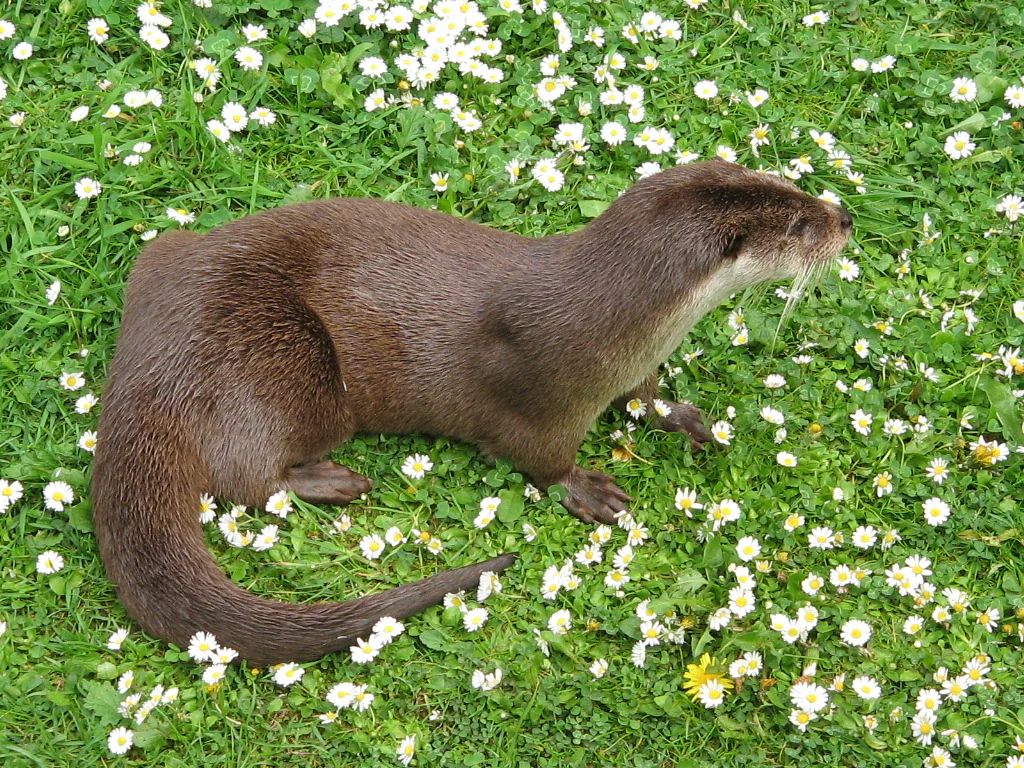
Körös-Maros National Park supports exceptional bird diversity, with approximately two-thirds of all bird species recorded in Hungary occurring within the park. The great bustard remains the park's flagship species, with the Dévaványa reserve providing dedicated protection for this large ground-nesting steppe bird. The autumn migration at Kardoskúti Fehér-tó draws tens of thousands of waterbirds including plovers, cranes, and ducks, with individual years recording 40-50 thousand migrating wild geese and 120 thousand ducks. The fishpond complexes provide breeding habitat for herons, egrets, bitterns, and spoonbills, with colonies established on islands within the pond systems. Raptors including the saker falcon, eastern imperial eagle, and booted eagle hunt across the open grasslands. The mammalian fauna includes European otter in the waterways, the endangered European ground squirrel in grassland areas, and Roe deer and fallow deer in the forest patches. The fishponds support populations of northern pike, carp, and the critically endangered mudminnow.
Körös-Maros National Park conservation status and protection priorities
Körös-Maros National Park serves as a critical node in Hungary's conservation network, protecting the largest remaining wetland and steppe habitats in the eastern portion of the country. The park's designation as an Important Bird Area and its multiple Ramsar-listed sites reflect international recognition of its significance for migratory waterbirds and breeding steppe species. Conservation within the park faces the challenge of maintaining habitat in a landscape where agriculture remains the dominant land use, requiring careful management to balance farming activities with wildlife protection. The bustard conservation program has involved modifying agricultural practices in key breeding areas to reduce nest destruction, with farmers compensated for leaving fields fallow during the critical nesting period. The fishpond management maintains water levels and creates island habitats suitable for colonial nesting birds. The park also participates in broader European conservation frameworks, with its wetland components contributing to the network of sites protecting migratory bird populations across the continent.
Körös-Maros National Park cultural meaning and human context
The Csanádi puszták section of the park contains evidence of continuous human habitation stretching back approximately 7,000 years, reflecting the long history of pastoral use that shaped the puszta landscape. The Tatársánci ősgyep (Tatársánc Ancient Meadow) contains a Bronze Age fortified settlement dating to roughly the 8th-5th centuries BCE, with the double earthwork and moat system representing defensive architecture of that era. The kurgán burial mounds scattered across the puszta represent ancient funeral practices and have become significant for their preserved fragments of original steppe vegetation growing on their slopes. The historical pattern of pastoral use, with sheep and cattle grazing maintaining the open grassland, created the habitat conditions that now support the park's steppe bird communities. The traditional agricultural landscape, with its farmsteads and managed pastures, remains integral to the park's character even as conservation designation has modified some practices.
Top sights and standout views in Körös-Maros National Park
Körös-Maros National Park stands out as Hungary's premier location for witnessing spectacular autumn bird migrations, with the Kardoskúti Fehér-tó hosting gatherings of 40-50 thousand wild geese and 120 thousand ducks in a single season. The park protects Hungary's only populations of the Transylvanian rose and nodding sage, botanical endemics of significant conservation value. The Dévaványa bustard reserve offers the best opportunity in Hungary for observing the great bustard in its characteristic steppe habitat. The Biharugrai fishpond complex, spanning nearly 1,900 hectares, provides the second-largest artificial wetland in Hungary and supports internationally significant waterbird populations. The Tatársánci ősgyep preserves a rare fragment of original loess steppe vegetation alongside Bronze Age archaeological remains.
Best time to visit Körös-Maros National Park
The optimal time to visit Körös-Maros National Park depends on specific interests, though autumn migration season (September through November) offers the most spectacular bird concentrations at Lake Fehér and the fishpond complexes. Spring migration (March through May) provides excellent opportunities for observing returning waterbirds and the commencement of breeding activity among steppe birds. The summer months (June through August) are suitable for observing breeding birds including the bustards and for experiencing the full growth of wetland vegetation. Winter, while offering fewer birds, provides a different character to the landscape with frozen wetlands and fewer visitors. The park is accessible year-round, though the best wildlife viewing coincides with the migration periods when bird concentrations are highest.