Why Jezioro Neliwa Nature Reserve stands out
Jezioro Neliwa is best known for protecting a small, vanishing eutrophic lake dominated by water soldier (Stratiotes aloides), and for combining aquatic habitat with a slope oak-lime forest on a steep northern bank. The reserve is also valued for its rare plant species and its concentration of breeding and visiting waterbirds within a compact protected area.
Jezioro Neliwa Nature Reserve history and protected-area timeline
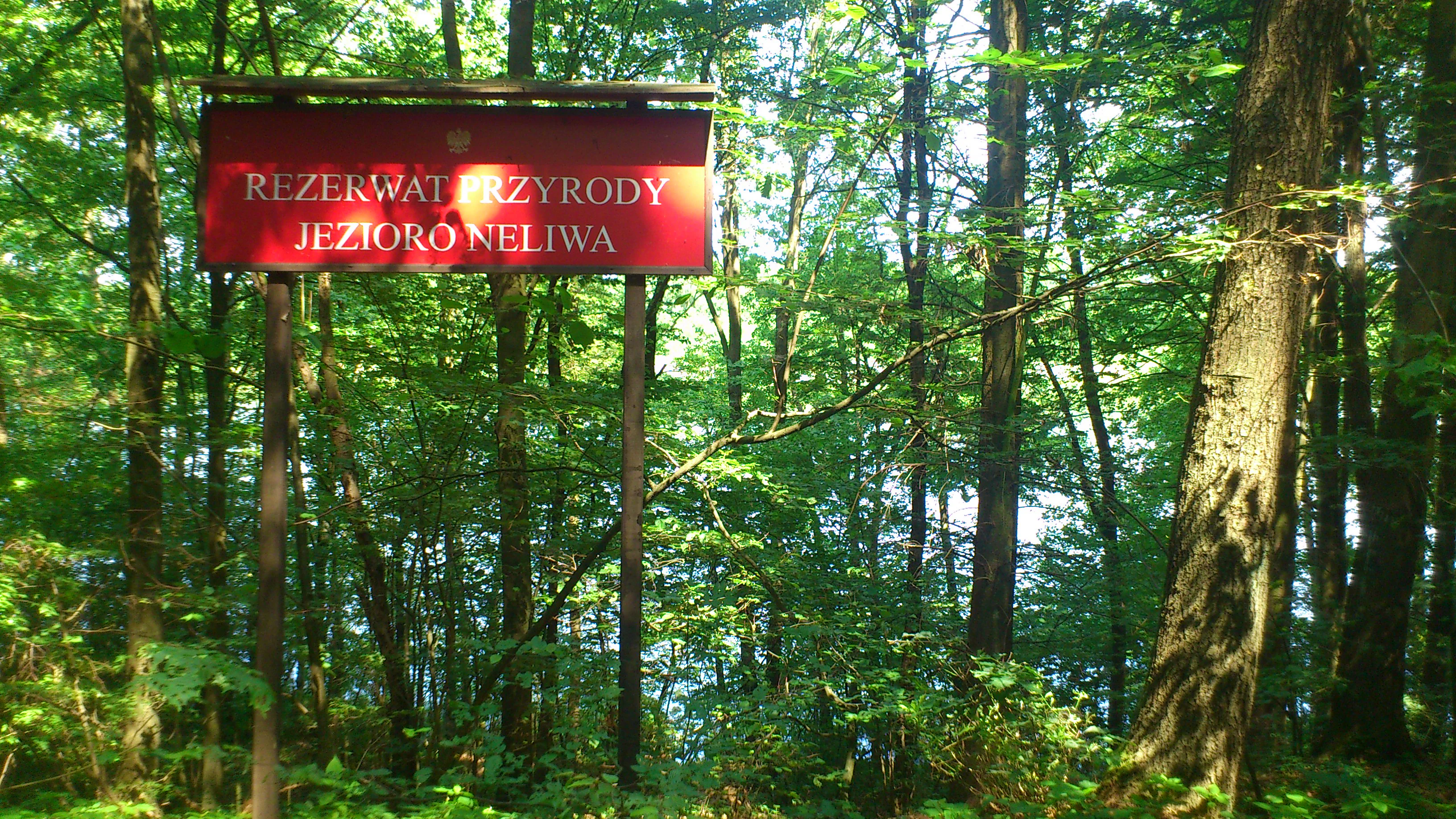
Jezioro Neliwa was formally designated as a nature reserve in 2006. The founding regulation, issued at the end of that year and published in the official journal of the Warmian-Masurian Voivodeship in early January 2007, established the reserve to protect the lake and a small portion of its catchment from further degradation. The founding document described the protected area as slightly larger than its subsequently cited size, a minor discrepancy typical of administrative boundary adjustments.
The reserve was created within the existing framework of the Welski Landscape Park, allowing the smaller strict-reserve designation to fit within a broader landscape-level protection regime. In 2014, a viewing tower was constructed within the reserve to support observation of the lake's surface and its associated birdlife, and a green-marked educational trail of about three kilometers, 'Nad Neliwą', was established in the surrounding area. These additions marked an effort to balance strict ecological protection with accessible environmental education, without altering the underlying purpose of the reserve.
Jezioro Neliwa Nature Reserve landscape and geographic character
The reserve lies on the Urszulewska Plain, a flat to gently rolling lowland mesoregion in northeastern Poland that belongs to the broader post-glacial landscape of the region. Within this generally subdued terrain, the most distinctive physical feature of the reserve is the steep northern shoreline of the lake, whose slope and exposure create conditions that differ sharply from the surrounding lowlands.
This slope supports a grąd zboczowy, a slope oak-lime forest that stands out against the more typical lowland habitats found across the plain. The contrast between the open water surface, its dense fringe of aquatic vegetation, the steep wooded bank, and the gentler surroundings of the catchment gives the reserve a compact but visually layered physical character. The lake itself is a eutrophic water body, a nutrient-rich type that historically formed part of the region's glacial lake inventory and is now considered a vanishing ecosystem in Polish lowlands.
Jezioro Neliwa Nature Reserve ecosystems, habitats, and plant life
Ecologically, Jezioro Neliwa is defined by the interaction between an eutrophic lake and its surrounding terrestrial habitats. The lake's waters support dense aquatic plant communities, in which water soldier (Stratiotes aloides) is the dominant species. This kind of vegetation is characteristic of still, nutrient-rich waters and is itself part of what makes the lake ecologically distinctive and worth protecting.
The reserve's terrestrial component is anchored by a grąd zboczowy, a slope oak-lime forest developed on the steep northern shore. This woodland type represents a specific habitat associated with slope topography and particular soil conditions, and its inclusion in the reserve broadens the habitat spectrum beyond open water. Together, the lake vegetation and the slope forest form a small but coherent ecological mosaic typical of certain glacial lowland landscapes in northeastern Poland.
Jezioro Neliwa Nature Reserve wildlife and species highlights
Although small in area, Jezioro Neliwa supports a meaningful bird community. Surveys of the plant communities surrounding the lake have recorded around 41 bird species in the reserve, including 20 breeding species. The lake's open water, dense aquatic vegetation, and wooded shoreline together provide a combination of habitats that supports both water-associated and woodland birdlife within a compact area.
The presence of breeding waterbirds is particularly relevant given the reserve's focus on its eutrophic lake ecosystem, a habitat type that has become increasingly threatened in the region. The viewing tower erected in 2014 reflects the importance of birdlife as one of the reserve's most accessible and visible ecological assets, both for monitoring and for public engagement.
Jezioro Neliwa Nature Reserve conservation status and protection priorities
The reserve was established to protect an eutrophic lake that was gradually disappearing, together with a small fragment of its catchment. By including part of the catchment, the reserve design acknowledges that the lake's ecological character depends on hydrology and water inputs from the surrounding land. The protected status therefore extends beyond the open water to the processes that sustain it.
In conservation terms, Jezioro Neliwa is significant because eutrophic lakes of this type have become rare in the Polish lowlands due to drainage, water-quality change, and landscape transformation. The reserve also protects rare plant species and supports protected habitats, including the slope oak-lime forest on the northern bank. Its location within the Welski Landscape Park adds an additional layer of regional context, situating the strict reserve within a broader landscape-level protection framework that helps cushion the site from surrounding land-use pressures.
Top sights and standout views in Jezioro Neliwa Nature Reserve
The reserve's strongest points of distinction are its compact combination of a vanishing eutrophic lake, a dense water soldier-dominated aquatic plant community, and a steep slope oak-lime forest along the northern shore. The presence of rare plant species and a breeding bird community of around 20 species adds further weight to its conservation profile, despite its small overall area. The 2014 viewing tower and the 'Nad Neliwą' educational trail also make the reserve a notable example of how small Polish water reserves combine strict ecological protection with accessible nature interpretation.
Best time to visit Jezioro Neliwa Nature Reserve
As a lowland lake and forest reserve in northeastern Poland, Jezioro Neliwa is most rewarding when its waterbird life is most active and when the aquatic vegetation and woodland are in their clearest seasonal condition. Late spring and early summer typically bring the strongest breeding-bird activity around the lake, while the warmer months make the lake's surface vegetation most visually evident. Cooler months can still offer wildlife observation but the surrounding trails and viewing tower are best appreciated during the frost-free season.