
Trip Planning
When Is the Best Time to Visit Kgalagadi Transfrontier Park
Determining the best time to visit Kgalagadi Transfrontier Park depends on how you weigh the trade-off between reliable, high-visibility wildlife tracking and the physical comfort of the desert climate. The park is an arid wilderness where the availability of surface water dictates animal movement, creating a natural distinction between the dry, game-dense winter months and the humid, lush summer season. Visitors seeking the most predictable encounters with predators like lions and cheetahs will find the dry months from May to September most effective, as wildlife congregates at the permanent waterholes located in the dry riverbeds. However, this period brings extreme temperature fluctuations, with nights frequently dipping toward or below freezing. Conversely, the summer months, while marked by intense heat that often exceeds 40 degrees Celsius, offer a transformative experience where thunderstorms bring the desert to life, though wildlife is more dispersed and harder to track.
The Relationship Between Climate and Visibility
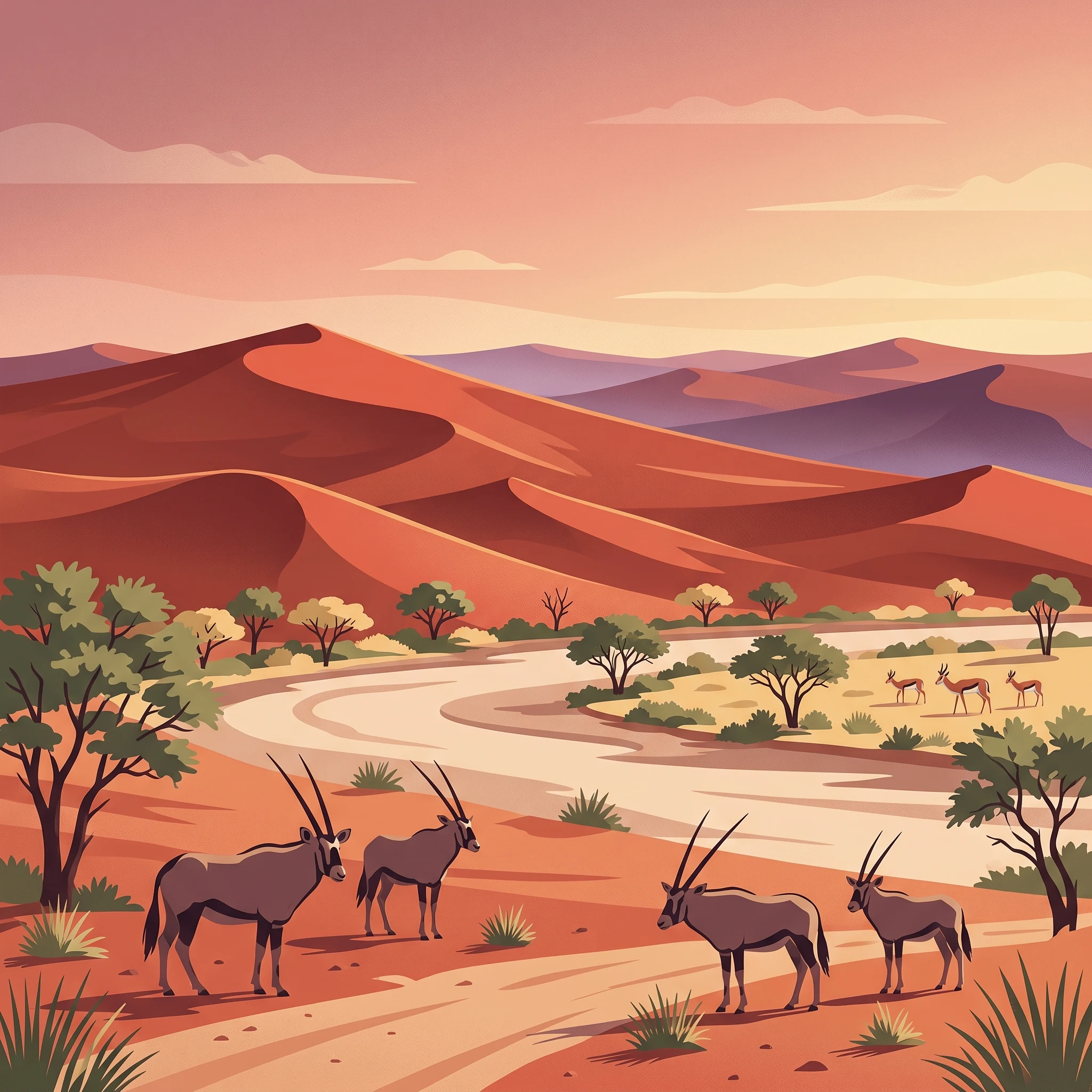
Your timing choice fundamentally revolves around the interaction between rainfall and animal behavior. During the dry season, the lack of precipitation forces gemsbok, springbok, and predators to remain near the Nossob and Auob River corridors. This physical concentration makes game viewing significantly easier for self-drive travelers. As winter progresses, the scarcity of water intensifies, and the thinning vegetation provides less cover, making it easier to spot animals that would otherwise blend into the savanna. By contrast, the summer rainy season provides relief for the landscape, but it also provides relief for the wildlife, which no longer relies exclusively on human-maintained waterholes. While the sight of a green, post-storm Kalahari is dramatic, the animal density in accessible viewing areas drops, requiring more patience and effort to locate the park’s iconic species.
Balancing Thermal Comfort and Desert Extremes
Thermal conditions in the Kalahari create a complex planning environment. If you prefer mild, clear days for photography and game drives, the transitional months leading into winter offer a balanced window. You must, however, prepare for the extreme diurnal range inherent to this desert region. Regardless of the time of year, travelers should expect significant cooling after sunset. The intensity of the summer heat is a primary factor in daily activity, often necessitating early morning and late afternoon game drives to avoid the midday sun, while winter’s morning chill requires substantial cold-weather gear for open-vehicle excursions. By understanding these seasonal rhythms, you can align your travel dates with the specific type of safari experience that matches your tolerance for heat, cold, and the degree of effort you wish to dedicate to wildlife spotting.
Seasonal Planning
Best months to visit Kgalagadi Transfrontier Park for wildlife and climate
Peak Wildlife Viewing Windows
The most rewarding period for game viewing in the Kgalagadi occurs from May through September. During these cooler months, the lack of rainfall forces resident wildlife to congregate near the permanent waterholes located along the fossilized riverbeds of the Nossob and Auob. This behavioral pattern provides the most consistent opportunities to witness predators, such as lions and leopards, as well as large herds of gemsbok and blue wildebeest. Travellers prioritizing animal encounters should focus on these months, keeping in mind that this period is characterized by significant diurnal temperature fluctuations. You should expect very cold, often near-freezing, night and early morning temperatures that contrast sharply with the mild, sunny days.
Balancing Heat and Scenery
For visitors interested in the dramatic landscape and the possibility of viewing the park during its lush, transformed state, the summer months from December through March offer a distinct, albeit challenging, experience. These months align with the peak of the rainy season, where rare but intense thunderstorms can briefly rejuvenate the desert environment. However, this season requires careful planning due to extreme daytime heat. With average maximum temperatures frequently exceeding 38°C to 40°C, the intensity of the midday sun severely restricts the ability to spend long hours outside of a vehicle or shelter. This window is less suited for those sensitive to heat or those looking for the concentration of wildlife found during the dry winter, but it offers a unique perspective on the resilience of the Kalahari ecosystem for those prepared for the physical toll of high temperatures.
Transition Months and Practical Trade-offs
The shoulder periods of April and October serve as transitional phases that bridge the gap between extreme heat and freezing nights. April offers a cooling trend following the summer rainfall, often resulting in more moderate daytime temperatures while still maintaining some of the greener landscape visuals. Conversely, October marks the return of rising temperatures, acting as a precursor to the height of the summer heat. These months can be advantageous for visitors who prefer to avoid the coldest winter mornings or the most stifling summer afternoons. However, during these transitional times, wildlife movement is typically less predictable as water remains more widely available in the landscape, meaning animals are not tethered as strictly to the main riverbed waterholes. Deciding when to visit depends on whether your priority is the high probability of predator sightings or the ability to endure significant climatic extremes in pursuit of wider, ephemeral views of the desert.
Annual Climate Overview
Monthly Weather and Temperature Patterns in Kgalagadi Transfrontier Park
Understanding the climate of the Kgalagadi Transfrontier Park requires recognizing that this desert environment experiences extreme volatility, driven by high diurnal temperature shifts and sparse precipitation. While long-term averages provide a framework for what to expect, these figures are climate normals derived from historic data and should not be confused with localized daily forecasts or weather guarantees for specific sites within the vast desert landscape.
The Contrast of Diurnal Temperature Ranges
The most significant climatic characteristic of the park is the dramatic swing between daytime highs and nighttime lows. During the winter months of June and July, while average daily maximums remain moderate, often hovering around 27°C, the average nightly temperatures can drop to near or even below 0°C. This cooling effect is a direct result of the desert's clear, dry air, which fails to retain heat once the sun sets. Travellers planning for the winter months must prepare for these freezing conditions, which persist until the sun rises and rapidly warms the red sand dunes.
Conversely, the summer months, particularly from December through February, see temperatures climb significantly. Average maximums frequently exceed 40°C, and the heat is compounded by the intensity of the solar radiation. During this period, the heat persists well into the night, keeping minimums around 15°C. These thermal extremes define the physical experience of the park, dictating when wildlife remains active and when visitors must seek shade or shelter.
Patterns in Rainfall and Humidity
Rainfall in the Kalahari is rare and unpredictable, with the climate record showing very low daily precipitation values throughout the year. The wettest months are typically December, January, and February, which see the highest frequency of short-lived, intense thunderstorms. Even during these months, the moisture is minimal compared to other biomes. The low relative humidity, which rarely exceeds 40 percent even in the cooler, more stable winter months, means the air remains consistently arid. This dryness contributes to the park's reputation for clear, cloudless skies, which are highly valued for stargazing, as reflected in its designation as an International Dark Sky Sanctuary.
Sunlight and Atmospheric Stability
Daylight hours fluctuate from a minimum of approximately 10.4 hours in June to a maximum of nearly 13.6 hours in December. This shift in day length is accompanied by consistent wind patterns, which tend to be slightly more pronounced during the drier winter months of July and August. These winds can move fine sand, affecting visibility and comfort in exposed riverbed environments. Because the climate is defined by the interaction between these variables, visitors should view the annual cycle not as four distinct seasons, but as a spectrum of conditions ranging from cool, dry, and clear periods to hot, arid stretches punctuated by brief, intense weather events. These climate normals illustrate the harsh reality of the Kgalagadi, where the scarcity of water and the intensity of the sun remain the primary influences on both human comfort and the movement of wildlife across the border.
Seasonal dynamics
Understanding Seasonal Weather Patterns and Transitions in Kgalagadi Transfrontier Park
The climate in the Kgalagadi Transfrontier Park does not align with a standard four-season calendar. Instead, the environment is defined by two primary, distinct phases: a prolonged dry period and a shorter, high-energy transition into the rainy season. Understanding these rhythms is critical for anticipating how the landscape will look and how wildlife will behave during your visit.
The Extended Dry Phase: May through September
This period represents the definitive Kalahari dry season. During these months, surface water becomes increasingly scarce, forcing wildlife to congregate around permanent waterholes. The environmental hallmark of this phase is the stark diurnal temperature shift. While daytime hours offer mild to pleasantly warm temperatures, the absence of humidity allows heat to escape rapidly once the sun sets. From June through August, nighttime temperatures frequently drop near or below freezing. This phase is defined by its stability; clear skies and low humidity are the norm, resulting in the expansive, desert-like clarity that makes the park a notable dark sky sanctuary. Travelers should expect a landscape that grows progressively thinner in vegetation as the months pass, which increases visibility for game viewing.
The Warming Transition: October and November
As the calendar moves toward the end of the year, the park experiences a noticeable increase in temperature and atmospheric energy. October acts as a pivotal transition month. You will observe the humidity beginning to rise, even if actual precipitation remains minimal. This period is defined by anticipation; the dry riverbeds remain parched, yet the atmosphere feels heavier and warmer as the park prepares for the summer heat. Daytime maximums consistently climb, and the wind patterns become more noticeable, often signaling the approach of stormier weather. This is a time of high contrast, where the peak of the dry season effects meets the onset of thermal intensity.
The Summer Growth and Storm Phase: December through April
Starting in December, the climate shifts into the summer period, characterized by higher temperatures and the arrival of sporadic, often dramatic, thunderstorms. This is the wet phase, though the term must be interpreted carefully: rainfall in the Kalahari is rarely consistent. Rather, it arrives in short, intense bursts that can transform the red dunes with sudden patches of green vegetation within days. Humidity levels increase, which mitigates the freezing nights of winter but makes the daytime heat significantly more taxing. January and February typically record the highest temperatures, and the increased ground cover makes spotting wildlife more difficult than in the winter months. This period is defined by the vitality of the ecosystem and the unpredictability of the weather, as the landscape experiences its primary window of replenishment after the long dry months.
Seasonal Experiences
What Visiting the Kgalagadi Transfrontier Park is Like Throughout the Year
Wildlife Dynamics and Waterhole Concentration
The primary visitor experience in this park is defined by the rigid seasonal movement of desert-adapted species. During the dry winter months, from May through September, the lack of surface water forces animals to congregate around established boreholes in the dry riverbeds of the Nossob and Auob. This period is effectively the most reliable time to observe large predators such as lion, leopard, and cheetah, as they frequent these areas to hunt the concentrated herds of gemsbok, springbok, and wildebeest. Visitors planning their trip during this time should anticipate spending significant hours parked at these waterholes, as game viewing here is a stationary activity.
The Shift to Summer Landscape Vitality
As the rains arrive, typically from December through March, the park undergoes a dramatic transformation. While the intense heat and the dispersal of water sources across the landscape make game sightings less predictable, this period offers a different form of engagement. The desert environment becomes lush, and the focus shifts toward appreciating the stark beauty of the Kalahari under dramatic, shifting skies. Photography of the landscape and the observation of migratory bird species, such as raptors and various weavers, are most supported by the moisture and vegetation growth during this cycle. However, travelers should note that the physical heat during these summer months may restrict active outdoor activities to the early morning and late afternoon, often requiring longer periods of rest in camp during the mid-day peak.
Practical Engagement with Desert Environments
Active exploration of the park, including 4x4 routes and day walks, is highly dependent on the ability to tolerate extreme diurnal temperature variations. In the dry, clear-skied months of June and July, night and early morning temperatures frequently drop near or below freezing, making early game drives a demanding experience that requires specialized, warm layering. Conversely, the transition months, particularly October and November, see temperatures climb before the relief of the main summer rain, creating conditions where midday exposure is extreme. Visitors interested in the more remote wilderness camps or specialized 4x4 trails should align their expectations with the climate patterns of their chosen period, as the environment demands careful preparation for both the intense arid cold of mid-winter and the heat-stressed conditions of the late summer transition. Access to specific routes or areas should always be verified against the latest park guidance, as extreme weather can temporarily impact road conditions regardless of the seasonal trend.
Travel Priorities
Selecting the Best Time to Visit Kgalagadi Transfrontier Park Based on Personal Interests
Choosing the best time to visit this vast wilderness depends heavily on your tolerance for temperature extremes and your primary goal for being in the desert. While the dry season is widely favored for wildlife encounters at waterholes, other periods offer distinct, climate-driven advantages for those who prioritize specific experiences over general game viewing.
Prioritizing Milder Daytime Temperatures
If your goal is to explore the landscape with more physical comfort, the transition months of April and September offer a meaningful departure from the extremes of the peak winter and summer seasons. During these shoulder periods, daytime maximum temperatures typically hover in the low to mid-30s Celsius, avoiding the intense heat spikes that define December and January. While overnight temperatures in April and September are considerably warmer than the sub-zero readings of June and July, they remain crisp enough to require layers. The trade-off for these moderate daytime conditions is that surface water in the riverbeds may become more scattered or depleted earlier than in the true wet season, potentially leading to less predictable wildlife concentrations at specific waterholes compared to mid-winter.
Seeking Longer Daylight and Summer Landscapes
Travellers who prefer longer days and the chance to witness the desert in transition should look toward the late spring and early summer period of November and December. You will experience the longest daylight hours of the year, providing significantly more time for vehicle-based exploration. During these months, the desert can shift rapidly from dry to lush following the arrival of seasonal rains. This period is not ideal for those sensitive to heat, as daytime maximums often exceed 40 degrees Celsius. Furthermore, the increased humidity and potential for thunderstorms can make travel more challenging on certain tracks, and you must be prepared to limit your activity levels during the hottest hours of the day to avoid heat exhaustion. The trade-off is the unique opportunity to see the desert landscape bloom and migratory bird populations become more active.
Targeting Cooler Weather for Walking and Exploration
For visitors whose primary interest is spending time outside of a vehicle, or who simply struggle with high heat, the deep winter months of June and July are the most suitable. These months offer the lowest average maximum temperatures in the park, often remaining in the high 20s. This lower thermal load makes it much safer and more comfortable to participate in any sanctioned walking activities or to spend extended periods on viewing decks. However, the compromise here is severe. Nighttime temperatures frequently drop to freezing or below. Preparation for these conditions is not optional, as the lack of insulating humidity in the air causes heat to dissipate rapidly once the sun sets. If you choose this window for your comfort, you must carry high-quality thermal layers to manage the significant diurnal temperature swings that occur every single day.
Access and Logistics
Planning Your Visit and Seasonal Access to Kgalagadi Transfrontier Park
Navigating Border Crossings and Transit Arrangements
Kgalagadi Transfrontier Park operates as a single, integrated conservation area, yet the experience of entering and transiting the park depends heavily on your point of origin. Because the park spans the international border between Botswana and South Africa, your documentation must be in order to move between the two sectors. The Twee Rivieren gate on the South African side and the Two Rivers gate on the Botswana side function as official border posts. Travellers intending to transit through the park from one country to the other must ensure they meet the visa and passport requirements of both nations before arrival. Always verify current border regulations, operating hours for these specific posts, and any necessary travel permits with the official park management authorities, as these protocols can change and vary based on your citizenship and vehicle registration.
Seasonal Route Considerations and Vehicle Requirements
Your choice of vehicle and route is often dictated by the season, particularly when accessing the park from the Botswana side. While the main routes from South Africa, such as the tarred road via Upington, are generally more predictable, the gravel and sand tracks throughout the vast Kalahari landscape are subject to environmental changes. In the dry winter months, certain gravel roads may be accessible to standard vehicles. However, the summer rainfall periods, even when minor, can transform sand tracks into challenging terrain that requires a high-clearance 4x4 vehicle.
Because the climate influences the state of these remote roads, travellers should never assume that a route remains open or passable throughout the year based on historical averages. Precipitation events, though rare, can have immediate impacts on road conditions. Before your departure, you must consult the official park website or contact the park administration directly to obtain the latest road status reports and ensure your vehicle meets the current requirements for your intended route. Reliance on outdated maps or older trip reports is insufficient, as desert conditions evolve rapidly.
Essential Pre-Arrival Planning and Logistics
Beyond road and border logistics, planning your visit requires advance coordination regarding your base of operations. The park offers a variety of accommodation types, ranging from established rest camps to more remote wilderness camps that provide a different level of isolation. Regardless of when you plan to visit, availability at these camps is limited and often requires booking well in advance. If you are flying into the region, Upington is the most common gateway, requiring a rental vehicle to complete the final drive to the park entrance. When selecting your rental, confirm with the agency that the vehicle is permitted for travel on the specific types of roads you intend to navigate within the desert environment.
Safety and Preparation
Seasonal Safety and Climate Preparation for Kgalagadi Transfrontier Park
Managing Extreme Diurnal Temperature Shifts
Preparation for the desert environment centers on the dramatic fluctuation between daytime highs and nighttime lows, particularly during the dry winter months. From May through August, average daily maximums frequently reach between 27 and 31 degrees Celsius, yet overnight lows can drop to near or below freezing. Packing for these conditions requires a layered approach, as the transition from a cold, crisp sunrise to a hot, arid afternoon happens rapidly. Lightweight, breathable materials are essential for the daytime, while insulated jackets and windproof outer layers are vital for early morning game drives and stargazing sessions, when temperatures plummet after sunset. Because these long-term climate normals represent monthly averages, travelers should monitor current regional weather forecasts before departure to adjust their packing strategy for specific incoming cold fronts or unseasonable warming trends.
Preparing for Summer Heat and Sun Exposure
During the peak summer months of December through February, temperatures routinely climb toward 40 degrees Celsius. Preparation for this season must prioritize active sun protection and hydration strategies. The intensity of the Kalahari sun necessitates high-quality sunglasses, wide-brimmed hats, and UV-protective clothing. Because the air in the park is exceptionally dry, visitors may not notice the rate of perspiration, making it essential to remain conscious of fluid intake throughout the day. Activities should be planned to avoid the hottest hours of the afternoon, as the physical environment becomes strenuous even for short walks. Always verify current weather alerts, as extreme heat warnings may necessitate changes to planned wildlife drives or pedestrian activities near camps.
Navigating Seasonal Terrain and Environmental Safety
Safety within the desert is intrinsically linked to understanding road conditions and the behavior of the natural environment. During the rainy season, which typically spans from October to February, sporadic but intense thunderstorms can lead to rapid changes in terrain. Roads that are easily passable in the dry season may become slick or obscured by mud and localized flash flooding. Since road conditions can fluctuate significantly based on recent precipitation, always consult park authorities at the entry gates for the most current route assessments.
General safety protocols for the desert include staying inside your vehicle in the event of a breakdown, as it provides the most secure barrier against wildlife. Walking to reach the next camp is not recommended due to the presence of large predators that move freely across the landscape. Furthermore, during the warmer summer months, be aware of increased invertebrate activity, such as scorpions. It is a prudent practice to check your footwear each morning before dressing. As conditions vary across the 38,000 square kilometer area, always prioritize the guidance provided by park staff regarding specific restricted zones or active wildlife alerts.
Final Decision Framework
How to Choose the Best Time for Your Kgalagadi Transfrontier Park Safari
Determining when to visit this wilderness area is ultimately a balance between your tolerance for extreme desert temperatures and your desire for predictable wildlife sightings. If your primary objective is consistent predator observation, the dry season months from May through September are the most reliable. During this period, the scarcity of surface water forces gemsbok, springbok, and massive predator populations toward the riverbed waterholes, creating concentrated viewing opportunities that are less common in the wetter summer months. You must, however, be prepared for the reality of high-desert winters, where nighttime temperatures can drop toward freezing, necessitating significant layering and adequate warm gear for early morning and evening excursions.
Conversely, if you are drawn to the park's dramatic landscape and the promise of summer thunderstorms, the months between December and March offer a transformative experience. The desert landscape shifts from arid dunes to vibrant, life-filled vistas when the rains arrive. Be aware that this experience comes with the trade-off of intense heat. Daily maximums frequently exceed 35 to 40 degrees Celsius, which can restrict your mobility and dictate a slower, more cautious approach to daily exploration. Travel during this peak heat phase requires a focus on hydration, midday rest, and careful vehicle management.
For those who prefer a compromise, the transitional shoulder months of April and October provide a middle ground. These periods often feature milder daytime temperatures that avoid the extremes of mid-summer heat and mid-winter cold, though wildlife may be more dispersed across the landscape as they take advantage of lingering water or vegetation changes.
Your final decision should reflect the specific pace of travel you enjoy. Those planning for rigorous 4x4 routes or extended photography sessions often favor the dry winter for its stable conditions and lower humidity, which provides clear, crisp light. If you prefer a more relaxed schedule or are specifically seeking the vibrant greenery that follows storm cycles, the summer season offers a distinct aesthetic contrast. Remember that these climate patterns are based on long-term data rather than predictive forecasts. Before you finalize your travel dates, always verify current road access, water availability, and any potential park alerts directly with park management to ensure your plans align with actual, present-day conditions on the ground.