
Visitor Planning
When is the Best Time to Visit Khaudum National Park
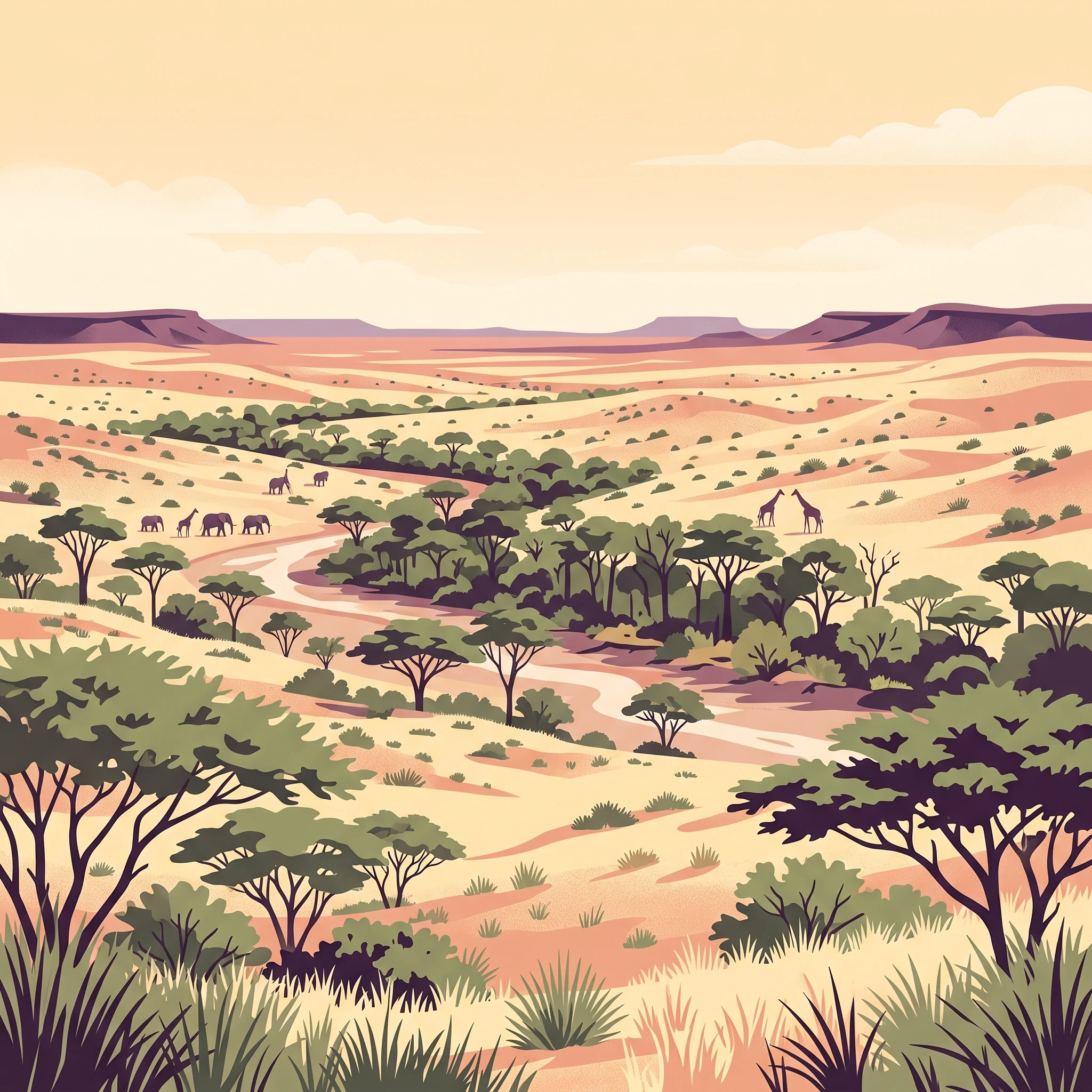
Determining the best time to visit Khaudum National Park requires a clear understanding of the trade-off between wildlife visibility and the physical demands of the park’s remote Kalahari wilderness. For most travelers, the dry season spanning June through October offers the most favorable window for animal sightings. During these months, surface water becomes scarce, compelling large mammals such as elephants, lions, and giraffes to congregate near the few permanent water holes and the linear oases of the Omuramba river systems. This concentration of wildlife against the backdrop of the dry acacia woodland provides the most consistent opportunities for observation.
Navigating the Reality of Remote Access
While the dry months provide superior conditions for seeing the park's diverse fauna, they also present specific challenges regarding environment and accessibility. The Kalahari climate during this period is characterized by extreme temperature fluctuations. Travelers should be prepared for significant shifts, where nights can drop below 5 degrees Celsius while daytime maximums frequently climb well above 30 degrees Celsius. These conditions define the rhythm of any visit, as the landscape is harsh, arid, and entirely unforgiving. Access to the park is restricted to challenging terrain that requires high levels of self-sufficiency. Visitors must weigh the benefit of clear, animal-focused days against the necessity of navigating deep sand and isolated tracks that remain demanding regardless of the month.
Balancing Wildlife Observation with Environmental Comfort
Choosing when to go involves looking beyond just the presence of animals to the interaction between seasonal weather and your own comfort levels. The period from November to March marks the arrival of the summer rains, which significantly alters the park's character. Humidity levels rise, and the landscape transforms with the arrival of moisture, supporting an impressive array of over 320 bird species. However, these months also bring much hotter, more stable temperatures, where the average maximums can push toward 40 degrees Celsius. While the greenery is lush and avian activity reaches its peak, the intense heat and the difficulty of traversing the park's sandy, remote roads during the rains make this a period suited primarily for those with specific interests in ornithology or those who prioritize the unique experience of a wet-season Kalahari over ease of movement. Ultimately, the best timing is defined by whether you prioritize the concentrated predator and elephant sightings of the cooler, dry months or the vibrant, bird-rich, but physically demanding conditions of the warmer, wetter summer season.
Visitor timing
Best months to visit Khaudum National Park for wildlife and climate
Peak Wildlife Observation: June to October
The dry season represents the primary window for visitors seeking the most reliable wildlife viewing. As the Kalahari sun dries out the seasonal riverbeds and pans, animals such as elephants, lions, and giraffes are forced to congregate around the few remaining water sources. During these months, the vegetation thins significantly, providing better lines of sight for spotting predators and large mammals against the woodland backdrop. The trade-off for this superior visibility is the marked drop in nighttime temperatures, which can approach or fall below 5 degrees Celsius, contrasted against daytime maximums that often climb toward 30 degrees Celsius. Travelers should expect dusty conditions and a landscape that appears largely dormant compared to the lush growth of the summer months.
The Transition and Heat Window: September to November
For those who prioritize predator sightings but prefer slightly warmer nights, the shoulder period of September and October offers a unique transition. Temperatures begin to climb sharply, with maximums frequently exceeding 35 degrees Celsius as the park approaches the onset of the rains. While the wildlife is still concentrated due to the lack of surface water, the heat can be intense for those not accustomed to semi-arid extremes. By November, humidity begins to rise as the landscape prepares for the first rains. This window is often the most demanding in terms of physical comfort, as the combination of high heat and increased moisture creates a challenging environment for extended drives in deep, sandy terrain.
Wet Season Potential: December to March
The wetter months bring a dramatic shift in the park's character, defined by increased humidity and the return of verdant growth to the acacia woodlands. While wildlife viewing becomes more difficult due to denser vegetation and the availability of water throughout the park, this period is unmatched for birdwatching. With more than 320 species documented, the park becomes a haven for raptors and migrants. The primary compromise during this window is access. Increased rainfall can make the remote, sandy tracks significantly more challenging to navigate, and the high humidity levels are markedly different from the dry, clear atmosphere of the mid-year months. Travelers choosing this season must be prepared for dynamic conditions and prioritize the diverse birdlife and changing flora over the concentrated predator viewing that defines the dry season.
Annual Climate Overview
Khaudum National Park Weather and Climate by Month
Understanding the Annual Climate Cycle
Khaudum National Park operates on a binary climate system defined by the interplay between a long, parched dry season and a concentrated period of summer rainfall. Because the park sits at an elevation of approximately 1,117 meters in the northeastern Kalahari, its atmospheric patterns are defined by significant diurnal temperature swings and low humidity. These climate normals provide a representative baseline of conditions, though visitors should recognize that actual weather in such a remote wilderness can fluctuate significantly from historical averages.
The Extremes of Dry Season Temperatures
The dry season, which spans from April through November, presents the most dramatic temperature contrasts. In the early part of this window, visitors experience mild, pleasant days, but the transition into the late dry season brings intense heat. By September and October, daytime maximums frequently reach into the high 30s Celsius. These months are characterized by minimal precipitation and very low relative humidity, often dropping below 20 percent. This arid air causes temperatures to plummet overnight, sometimes falling to single digits in the depth of winter during June and July. Travellers should prepare for the reality that the same day can begin with a crisp, near-freezing morning and conclude with a hot, sun-drenched afternoon, requiring a sophisticated approach to layering.
Rainfall Patterns and Humidity Shifts
The climate shifts abruptly as the year closes. From December through March, the park receives the vast majority of its annual precipitation. This moisture drives the transformation of the dry forest landscape, as the humidity climbs significantly, often reaching averages near 60 percent. While these months are the wettest, they are also consistently warm, with daily mean temperatures remaining comfortably above 25 degrees Celsius. Unlike the extreme shifts of the dry season, the rainy season sees more stable overnight lows, rarely dipping below 15 degrees Celsius. This period is not defined by constant rain but rather by periodic, often intense, bursts of activity that sustain the park's fragile river systems and acacia woodlands.
Wind and Daylight as Planning Factors
Beyond basic temperature and rainfall, wind and daylight patterns materially impact the feel of the park. Daylight hours follow a predictable arc, peaking at over 13 hours in December and shortening to just under 11 hours during the winter months of June and July. This reduction in daylight during the cool season limits the time available for daily exploration, which is an important consideration given the park's isolated and rugged terrain. Wind speeds also exhibit a notable seasonal pattern, typically intensifying during the transition from the late dry season into the start of the rains. This wind can be particularly noticeable across the open areas of the Kalahari, potentially increasing the perception of heat or cold depending on the season. While these climate normals provide a vital lens for understanding the environmental rhythm of the park, they are not forecasts, and travelers should always consult localized, short-term weather reports before departure to ensure they are prepared for the specific conditions forecasted during their visit.
Seasonal dynamics
Khaudum National Park Seasonal Weather and Climate Patterns
Defining the Kalahari Dry and Wet Phases
Khaudum National Park does not conform to a traditional four-season model because its climate is defined primarily by the availability of surface water and the extreme temperature shifts characteristic of the Kalahari Desert. Instead of navigating spring or autumn, travelers should understand the park through two distinct, recurring phases: the prolonged dry season and the shorter, transformative wet season. These periods dictate the accessibility of the park, the movement of wildlife, and the fundamental experience of the landscape.
The Extended Dry Period (April to November)
Spanning the vast majority of the calendar year, the dry season represents the primary window for wilderness exploration. This phase begins in April as the final rains of the previous cycle subside and the ambient moisture levels drop sharply. By May, humidity often falls below 35 percent, creating a crisp, arid environment that persists through November.
This period is characterized by its dramatic diurnal temperature range. While days are consistently warm to hot, nights during the peak of this phase, specifically from June through August, can reach temperatures below 5°C. As the months progress into September and October, the park transitions into a period of intense heat. Daytime maximums frequently climb toward 40°C, and the landscape dries significantly, forcing the wildlife populations to aggregate near the park's limited, permanent water points. The dry season is defined by the high visibility of the acacia woodland, which thins as vegetation loses its moisture, and the increasing reliance of large predators on the Omuramba river systems.
The Wet Season Transition (December to March)
The onset of the wet season in December brings a marked shift in both the atmosphere and the physical terrain. Humidity levels rise significantly, often reaching 60 percent, which alters the perceived intensity of the summer heat. While daytime temperatures remain high, often mirroring the heat of the late dry season, the presence of localized rain changes the park's function. The Omuramba river systems may begin to carry seasonal floodwaters, replenishing smaller pans throughout the park.
This period is not merely a rainy event but a phase of rapid ecological renewal. The landscape becomes dense and green, which significantly increases the difficulty of spotting large predators, although it simultaneously triggers a peak in bird activity. Access to the park during this time is particularly sensitive to soil conditions, as the heavy, sandy terrain that defines the Kalahari landscape can become unstable with sustained rainfall. Travelers entering during this phase should expect humidity and heat, which, when combined, create a very different atmospheric demand on the visitor compared to the arid clarity of the preceding months.
Seasonal Experiences
Experiencing the Wildlife and Landscapes of Khaudum National Park Throughout the Year
Visiting the Kalahari wilderness of this park is an exercise in timing your arrival to match the biological rhythms of the desert. Because the landscape is dominated by sand and acacia woodland, the visibility of wildlife is dictated almost entirely by the presence or absence of surface water. During the dry months, specifically from June through October, the reduction in vegetation density and the concentration of wildlife around known water points create the most dependable viewing conditions. For those interested in the park's status as a Lion Conservation Unit, these months offer the best chance to see predators patrolling the vicinity of these limited oases. Elephants, which number in the hundreds, are also easier to track as they move between established water sources rather than dispersing widely across the dense bush.
Seasonal Influences on Birding and Flora
While the dry season is prioritized for large mammal sightings, the landscape undergoes a significant shift as the rains begin in December. The arrival of seasonal moisture triggers a change in both the density of the brush and the presence of avian life. Birdwatchers often find the period from December through March to be the most rewarding, as the park's checklist of over 320 species includes migrants and raptors that are less conspicuous during the arid months. Note that the increase in ground cover during this time can make spotting terrestrial wildlife significantly more difficult, as animals are no longer restricted to specific water holes and become dispersed throughout the vast, greening acacia woodlands. This period is not defined by floral blooms in a garden sense but rather by the rapid transformation of the Omuramba dry river systems, which may carry transient water, providing a striking contrast to the typically parched desert environment.
Managing Exposure and Activity Pacing
Physical activity within the park is heavily influenced by the extreme temperature swings characteristic of the Kalahari. In the peak heat of October and November, when daytime maximums regularly approach 40 degrees Celsius, mid-day activity becomes taxing. Visitors who plan to spend time at ground-level viewpoints or remote observation points should account for the intense solar radiation during these months. Conversely, the cooler morning temperatures of June and July, which often drop below 5 degrees Celsius, provide a more comfortable environment for early wildlife drives. The lower temperatures during these winter months do not equate to a lack of sun, as the desert climate maintains high clarity. Choosing to visit during the shoulder months, such as April or May, allows for a moderation of these extremes, offering a balance between the manageable heat of the transition period and the still-active wildlife populations before the full onset of the dry-season drought.
Visitor Priorities
Timing Your Visit to Khaudum National Park Based on Travel Priorities
Prioritizing Mild Daytime Temperatures for Exploration
For travelers who find extreme heat prohibitive, the period between May and July offers the most manageable daytime conditions. During these months, the average maximum temperatures remain below 30 degrees Celsius, which is significantly cooler than the furnace-like heat of late spring and early summer. June and July are particularly notable for their chilly early mornings, where temperatures can dip below 5 degrees Celsius. While this creates a requirement for heavy layers during early game drives, it allows for comfortable exploration during the midday hours when wildlife remains active near water holes. The trade-off is the significant diurnal temperature variation; while days are pleasant, nights require robust cold-weather gear to ensure comfort in the remote desert environment.
Seeking the Driest Conditions for Wildlife Visibility
If your primary goal is to maximize sightings of lions, elephants, and giraffes, focus your travel plans on the peak dry period from August to October. As the long dry season progresses, moisture evaporates from the landscape, forcing wildlife to congregate at the few remaining permanent water sources. September and October represent the pinnacle of this effect, with average maximum temperatures climbing toward 38 to 40 degrees Celsius. The environment becomes exceptionally arid, with relative humidity dropping below 25 percent. The compromise for these reliable, high-density wildlife viewing opportunities is the intense heat and the dust that accompanies the final stages of the dry season. Visitors must be prepared for extreme midday temperatures that often exceed 35 degrees Celsius, making the early morning and late afternoon the only tolerable times for being outside the vehicle.
Targeting Longer Daylight for Extended Activity
Travelers interested in maximizing their time in the field should consider the summer months of December and January. During this period, the park experiences its longest daylight hours, exceeding 13 hours per day. This extended light provides a broader window for wildlife observation and navigating the park's sandy, remote tracks. However, this preference directly conflicts with the peak dry-season wildlife visibility. The increased precipitation during these months creates lush, dense vegetation that provides abundant cover for predators and large mammals, often making them more difficult to spot. Furthermore, the higher humidity levels, which often reach near 60 percent, combined with the heat, can make sustained physical exertion or extended time on the trails more taxing than during the drier, cooler months.
Planning for Birdwatching and Lush Landscapes
Those visiting with a primary interest in ornithology should aim for the wet season, specifically from January to March. While this is the most challenging time for traditional game viewing due to the thickness of the bush, it is the most rewarding time for bird enthusiasts, as migrant species arrive and the environment becomes vibrant and verdant. This period is marked by higher average rainfall and more consistent humidity, which transforms the acacia woodlands and river systems. The primary compromise is the difficulty of travel, as the rainfall can significantly alter the condition of the remote tracks, requiring a higher degree of self-sufficiency and careful monitoring of route accessibility.
Logistics and Access
Seasonal Access and Practical Planning for Khaudum National Park
Navigating Remote Kalahari Access
Khaudum National Park is defined by its extreme isolation and the necessity for self-sufficiency. Unlike more developed tourist destinations in Namibia, the park is characterized by deep, soft sand tracks that fluctuate in passability depending on recent rainfall. While the dry season from June to October generally offers firmer track conditions, the environment remains challenging throughout the year. Visitors must recognize that access is not merely a seasonal question, but a matter of specialized equipment. Any plans to visit require thorough research into the current state of the park's internal routes, which are prone to change based on weather events, maintenance schedules, and administrative directives from the Namibia Tourism Board.
Vehicle Requirements and Technical Considerations
Successful travel to this wilderness requires a high-clearance 4x4 vehicle with substantial torque and properly rated off-road tires. The northern and southern sections of the park feature terrain that can easily trap vehicles that lack adequate ground clearance. While historical guidance has often suggested travelling in a convoy of at least two vehicles to assist with potential recoveries, this is a recommendation for safety rather than a strictly enforced entry rule. Regardless of the number of vehicles in your group, the condition of your equipment is the primary factor in your ability to navigate the park safely. You should consult with local authorities or your accommodation provider regarding the most current route reports before departure, as sand conditions can shift significantly following isolated showers or extended periods of drought.
Entrance and Transit Logistics
The park is accessed via two distinct entry points, and your route planning should account for the time required to navigate the access roads leading to these gates. The northern entrance, located near the tourist reception, is reached via a sand track branching off the B8 road between Rundu and Divundu. The southern entrance is accessed via the D3303 gravel road from Tsumkwe. Be aware that these entrance routes are remote, and you should ensure you have enough fuel and supplies to cover the transit time, which is frequently longer than distance alone might suggest. Because park infrastructure, such as airstrips and reception gates, may be subject to localized closures or maintenance, always verify the status of your intended point of entry with the relevant authorities before you commit to a travel date. Do not rely on outdated maps or general seasonal assumptions to gauge current park accessibility, as temporary conditions can override long-term climatic trends.
Safety and Preparation
Seasonal Safety and Climate Preparation for Khaudum National Park
Managing Extreme Temperature Swings
The climate in this protected area demands careful planning due to the dramatic range between daytime highs and nighttime lows. During the drier winter months of June and July, daytime maximums average around 29 to 30 degrees Celsius, but nighttime temperatures can drop significantly, often falling below 5 degrees Celsius. This fluctuation requires a layered approach to clothing, even if the days feel warm and pleasant. Visitors should prioritize moisture-wicking base layers that can be supplemented with fleece or insulating jackets as the sun sets, as the lack of cloud cover during these months causes rapid heat loss after dark.
Conversely, from October through January, daytime temperatures frequently climb toward 40 degrees Celsius. The environment becomes notably taxing, with humidity levels rising alongside the heat. Travelers planning visits during this period should focus on high-SPF protection and breathable materials that provide coverage without trapping heat, as the intensity of the midday sun in this semi-arid Kalahari environment is severe. Always verify current weather forecasts shortly before departure, as specific heat waves or cold fronts can deviate from historical averages.
Navigating Terrain and Vehicle Safety
The primary physical safety concern relates to the park's deep sand tracks, which significantly impact both vehicle performance and fuel consumption. Throughout the year, these soft-sand conditions remain constant, but they become more hazardous if rain creates slippery patches or soft traps during the summer months. Because the park is exceptionally remote, self-sufficiency is the core safety protocol. Ensure your vehicle is equipped for deep sand, and carry additional fuel and water beyond what you anticipate needing. Never rely on the expectation of finding assistance, as traffic within the park is minimal.
Wildlife Awareness and Interaction Protocols
Wildlife encounters are frequent, particularly at the park's various waterholes. Preparation centers on maintaining a respectful distance, which is your most effective safety measure. If you encounter elephants on the track, stay inside your vehicle. Do not attempt to drive off-road to bypass them, as this damages the fragile acacia woodland ecosystem and may provoke defensive behavior from the animals. Observe for signs of agitation, such as head shaking, and remain stationary with the engine off to minimize noise until the animals move on of their own accord. Being prepared for these encounters means keeping your camera ready but always prioritizing the safety of the vehicle and occupants by staying within the established tracks. Always consult official park authorities for any current alerts or specific wildlife activity reports before you enter the park, as animal behavior can shift based on localized water and vegetation conditions.
Final Planning Decisions
Choosing the Best Time for a Khaudum National Park Safari
Navigating Your Seasonal Choice
Choosing the right time to visit this remote corner of the Kalahari depends on whether you prioritize the clarity of wildlife sightings or the comfort of your surroundings. The dry season, stretching from June through October, is the most predictable window for observing predators like lions and hyenas, along with large elephant herds. During these months, the scarcity of water forces wildlife to congregate near the few available sources, making the animals easier to locate across the dense acacia woodlands. If your goal is to maximize your chances of seeing these apex predators in their natural habitat, focusing your travel plans on these months provides the best probability of success.
Balancing Wildlife Visibility Against Climate Extremes
Visitors must weigh these visibility gains against the significant physical demands of the park. From September to October, daytime temperatures frequently climb toward 40°C, creating a harsh, arid environment that requires high levels of self-sufficiency. Conversely, the cooler, shorter days of June and July offer more manageable hiking and game-viewing temperatures, though nighttime temperatures can drop toward 5°C. Selecting your date is essentially a trade-off between enduring intense heat for the best dry-season sightings or choosing the milder, albeit slightly less concentrated, wildlife periods of the early dry season.
The Wet Season Alternative
If you prefer lush landscapes and birding over classic predator viewing, the summer months from December to March offer a transformed experience. The rainfall brings the park to life, supporting more than 320 bird species. However, this period brings increased humidity and significant challenges for mobility, as the terrain becomes more difficult to navigate. This is not the time for those seeking the concentrated game viewing of the winter months, but it is an ideal window for travelers who appreciate the biodiversity of the Kalahari in a state of rapid growth and color.
Final Preparation Steps
Regardless of the season you choose, remember that the climate normals provided here reflect long-term patterns rather than specific weather forecasts. Given the remote nature of the terrain and the constant potential for track conditions to change due to weather, you must verify all access information, gate operating status, and current safety alerts with the Namibia Tourism Board or local park authorities before finalizing your travel dates. The right time to visit is ultimately determined by your specific interest in the park's predators or birdlife, balanced against your personal comfort levels with heat, cold, and the inherent challenges of deep-sand driving.