Why Kintore Caves Conservation Reserve stands out
Kintore Caves Conservation Reserve is best known for its karst limestone geology and the extensive cave network that develops within it. The caves harbor rare fauna that depend on these subterranean environments, giving the reserve a strong biodiversity value tied directly to its geology. The site is also recognized for the archaeological and cultural traces it preserves. Evidence of a long history of human occupation within and around the caves links the reserve's natural significance to the deeper human story of the Katherine region, making the site a place where geological, ecological, and cultural heritage overlap.
Kintore Caves Conservation Reserve history and protected-area timeline
Kintore Caves Conservation Reserve was formally established in 1965, giving long-standing legal protection to a karst limestone area west of Katherine that had long attracted interest for its caves and their contents.
The establishment of the reserve reflected an early recognition that the site's combination of karst geology, rare subterranean fauna, and evidence of long human occupation warranted dedicated conservation management. Management responsibility rests with the Parks and Wildlife Commission of the Northern Territory, the territorial authority responsible for protected areas in the region.
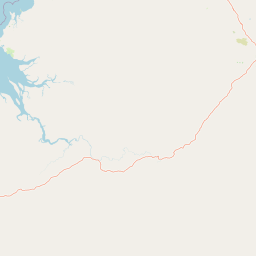
The surrounding landscape continues to be shaped by rural land use, with the Northern Territory Rural College lying immediately to the north of the reserve and rural private property to the south. This setting frames the reserve as a protected island within a working rural environment rather than part of a larger contiguous wilderness.
Kintore Caves Conservation Reserve landscape and geographic character
The landscape of Kintore Caves Conservation Reserve is defined by karst limestone, a rock type that dissolves over time to produce underground voids, sinkholes, and cave systems. Although the reserve covers only a few hundred hectares, the character of the land surface and subsurface is shaped almost entirely by this geology, and the resulting caves form the most visually distinctive feature of the site.
Around the limestone outcrop, the broader Katherine region environment provides the climatic and vegetation backdrop, with the reserve sitting in the tropical north of Australia. The karst terrain influences drainage and soil patterns locally, and the contrast between rocky cave-bearing ground and the surrounding rural lands is part of what gives the reserve its visible identity.
The relatively small footprint of the reserve means that subtle changes in land use on neighboring properties potentially affect the integrity of the karst system, underlining why a dedicated protected area matters for features like the caves and the geological context that produced them.
Kintore Caves Conservation Reserve ecosystems, habitats, and plant life
Kintore Caves Conservation Reserve protects a habitat type that is genuinely uncommon in the region: a karst limestone system with an extensive underground cave network. Such environments support distinctive ecological communities, and the reserve is noted specifically for the rare fauna associated with its caves, indicating that the subterranean habitat is the primary driver of its ecological value.
Above ground, the reserve sits within the tropical landscape of the Katherine region, where vegetation and seasonal rainfall patterns typical of the northern Australian interior shape surface conditions. The combination of surface tropical habitat and underground karst habitat within a single protected boundary gives the reserve a layered ecological character.
Because the reserve is small and its ecological significance is concentrated in the karst and cave environments, the broader natural values of the site are tightly linked to the integrity of the limestone and the avoidance of disturbance to the cave systems.
Kintore Caves Conservation Reserve wildlife and species highlights
The wildlife significance of Kintore Caves Conservation Reserve centers on the rare fauna recorded within its cave systems. Karst environments across tropical Australia are known to host specialized species that depend on stable underground conditions, and the reserve is recognized as a habitat for such rare animals.
Surface wildlife typical of the Katherine region likely occurs in and around the reserve, but the defining wildlife value is clearly tied to the caves rather than to the broader open landscape. This makes the reserve an example of a protected area where a single habitat type, the cave system within the karst limestone, supports much of the formal conservation interest in fauna.
Protecting the cave environment, including the hydrogeological conditions that maintain humidity and stability underground, is therefore central to safeguarding the rare wildlife for which the reserve is recognized.
Kintore Caves Conservation Reserve conservation status and protection priorities
Kintore Caves Conservation Reserve holds conservation value on several levels: geological, ecological, and cultural. Its IUCN Category V designation reflects a management approach that recognizes not just the natural features but also the long interaction between people and the landscape, a framing that fits a site with documented evidence of extended human occupation within its caves.
The reserve's most concrete conservation contribution is the protection of karst limestone and its associated cave fauna. Karst systems are vulnerable to changes in water flow, surface disturbance, and contamination, and the formal protection of this particular outcrop near Katherine helps maintain the conditions that rare subterranean species require.
By being wedged between a rural college to the north and rural private land to the south, the reserve also serves a conservation planning role: it maintains a protected natural and cultural node within an actively used rural landscape, rather than being absorbed into broader land conversion. Its proximity to Katherine ensures that the site is accessible for ongoing monitoring and management by the Parks and Wildlife Commission of the Northern Territory.
Kintore Caves Conservation Reserve cultural meaning and human context
Kintore Caves Conservation Reserve carries a cultural dimension connected to the long history of human occupation in and around its caves. Caves in the Australian landscape have historically served as shelters, gathering places, and sources of material and symbolic resources, and the evidence of such prolonged use at Kintore Caves is part of why the site is formally protected under an IUCN Category that recognizes human-nature interaction.
The reserve's location west of Katherine and its setting among modern rural land uses, with a rural college on one side and private farmland on the other, places it within a contemporary territory where the broader cultural history of the Katherine region continues alongside current management and community life.
This combination of deep human history within the caves and ongoing rural land use around them gives the reserve a layered cultural context even where detailed cultural narratives are not the primary focus of public information about the site.
Top sights and standout views in Kintore Caves Conservation Reserve
Kintore Caves Conservation Reserve stands out for its compact but tightly defined combination of karst limestone, extensive cave systems, rare cave fauna, and evidence of long-term human occupation. Its protected status since 1965 and its IUCN Category V designation underscore that the site's value extends beyond pure wilderness into a recognition of people-and-landscape heritage.
The reserve's small footprint, its location close to Katherine, and its setting between institutional and rural neighbors give it a distinct identity as a focused conservation site rather than a broad landscape park. These qualities make it a useful example of how small protected areas can hold concentrated geological, ecological, and cultural significance at once.
Best time to visit Kintore Caves Conservation Reserve
As a conservation reserve in tropical northern Australia, Kintore Caves Conservation Reserve sits within a climate that is warm to hot for much of the year and that follows a distinct wet and dry seasonal pattern characteristic of the Katherine region.
For visitors interested in surface conditions and accessibility of the surrounding rural landscape, the cooler and drier months of the late dry season and the build-up period are generally more comfortable than the peak of the wet season, when heavy rains can affect tracks, surface conditions, and cave access in karst areas. Anyone planning a visit should consult the Parks and Wildlife Commission of the Northern Territory for current conditions and access guidance, rather than relying on general seasonal assumptions.