

Mori Atlas logo
Nature reserveKoilada Diarizou

Mapping the ecological diversity and riparian terrain of this protected river landscape.

Koilada Diarizou: A Mediterranean River Valley Nature Reserve in Western Cyprus

Koilada Diarizou functions as a vital Mediterranean river valley nature reserve in western Cyprus, characterized by its complex network of intermittent watercourses and surrounding hills. The site preserves twelve distinct natural habitat types, including riparian galleries, phrygana, and Mediterranean woodland, providing essential refuge for nearly one hundred protected bird species within a compact, high-density ecological corridor.

CyprusMediterranean ecoregionriver valleyintermittent streamphryganaMediterranean shrubland

Koilada Diarizou

Nature reserve

Park overview

Structured park overview, official facts, and landscape profile for Koilada Diarizou

Koilada Diarizou park facts, protected area profile, and essential visitor context

Review the core facts for Koilada Diarizou, including designation, size, terrain, visitor scale, habitats, and operating context in one park-focused overview.

About Koilada Diarizou

Koilada Diarizou is a protected valley landscape in Cyprus that belongs to the European Natura 2000 ecological network, recognized both as a Site of Community Importance for its habitats and as a Special Protection Area for its birdlife. It is situated in the western part of the island, where river valleys remain among the most ecologically expressive elements of the Mediterranean landscape. The valley runs inland from the broader Paphos region, with its central point lying near 34.8 degrees north and 32.7 degrees east.

The site's character is shaped by the Diarizou river itself, an intermittent Mediterranean stream whose flow patterns create a shifting mosaic of wetter and drier conditions along the valley floor. Around this river corridor, the protected area preserves a layered sequence of habitats. Open woodland of Mediterranean cypress, orientalis plane, olive, and carob sits beside riparian galleries of white willow and white poplar, while higher and drier slopes carry Sarcopoterium spinosum phrygana, thermo-Mediterranean and pre-desert shrub formations, Mediterranean pseudosteppe with annual Thero-Brachypodietea grasses, and Mediterranean pine forest. Rocky limestone outcrops add further variation through vertical cliff vegetation and chasmophytic plant communities.

What makes Koilada Diarizou stand out is the way these habitat types are packed into a single valley system. The juxtaposition of intermittent river channels, humid meadows, shrub formations, and forests produces a high habitat density that supports an unusually rich fauna for a site of its size. The valley is an important refuge within Cyprus's Mediterranean ecoregion and serves as a key node for bird conservation under the EU Birds Directive.

From a conservation perspective, Koilada Diarizou functions as part of the Natura 2000 framework, a pan-European network of protected sites that links local habitat preservation to broader biodiversity goals. Its inclusion in the network underscores the valley's value not only for resident wildlife but also as a stepping stone for migratory species moving through the eastern Mediterranean.

Quick facts and research context for Koilada Diarizou

Koilada Diarizou is a Natura 2000 site in Cyprus designated both as a Site of Community Importance and a Special Protection Area under the EU Birds Directive. It lies in the western part of the island and is entirely on land, covering the Diarizou river valley and its surrounding slopes and vegetation. The site was formally designated as a Special Protection Area for birds in December 2002.

The area belongs to the Mediterranean ecoregion and combines twelve natural habitat types, including intermittent Mediterranean rivers, thermo-Mediterranean shrublands, Sarcopoterium phrygana, Mediterranean pseudosteppe, humid Molinio-Holoschoenion meadows, calcareous rocky cliffs with chasmophytic vegetation, cypress forests, white willow and white poplar galleries, oriental plane woodlands, Mediterranean pine forests, and olive and carob forests. It supports a broad biodiversity profile that includes protected birds, mammals, reptiles, invertebrates, and endemic plant taxa such as Phlomis cypria.

Protection and recognition

Terrestrial protected area designation and Natura 2000 recognition records

Koilada Diarizou Protection Status and Official International Recognition Data

Records detail the terrestrial protection status and documented Natura 2000 designations associated with Koilada Diarizou. Reference materials outline official recognition sources and management scope without implying broader conservation outcomes.

International recognition

Protection details

Protection scope
Terrestrial
Transboundary protection
No
Park context

Deeper park guide and search-rich context for Koilada Diarizou

Koilada Diarizou history, landscape, wildlife, and travel context

Explore Koilada Diarizou through its history, landscape character, ecosystems, wildlife, conservation priorities, cultural context, and seasonal travel timing in a structured park guide built for atlas discovery and search intent.

Why Koilada Diarizou stands out

Koilada Diarizou is best known as a Mediterranean valley Natura 2000 site that concentrates an unusually high number of protected bird species in a relatively compact area. The combination of riparian habitat, phrygana, Mediterranean shrubland, traditional cypress forest, and oriental plane woodland creates a layered environment that supports both resident and migratory avifauna across different seasons. Equally distinctive is the site's habitat diversity along an intermittent river system, where wet meadows, willow and poplar galleries, and seasonal stream channels sit in close proximity to drier Mediterranean shrubland and rocky limestone slopes with chasmophytic vegetation. This ecological juxtaposition is the defining feature that makes Koilada Diarizou ecologically important within Cyprus's Natura 2000 network.

Koilada Diarizou history and protected-area timeline

Koilada Diarizou's protected history is closely linked to the development of European conservation policy rather than to a long local tradition of formal park management. The site did not originate as a national park in the traditional sense, but was instead recognized through Cyprus's participation in the Natura 2000 network.

In December 2002, the area was formally designated as a Special Protection Area for birds under the European Union's Birds Directive, reflecting the high ornithological value documented within the valley. It was also classified as a Site of Community Importance for its habitats, placing it within the Habitat Directive framework. Together these designations established the valley as part of the EU-wide network of protected natural areas and tied its future management to European biodiversity policy.

Koilada Diarizou landscape and geographic character

The landscape of Koilada Diarizou is defined by a Mediterranean river valley in western Cyprus, organized around the Diarizou stream, which flows intermittently through the year. The valley floor alternates between dry gravel beds and wetter channels that sustain riparian vegetation, including willow and poplar galleries. Higher terraces and slopes step upward from the stream corridor, producing a gradient from wet floodplain vegetation to drier Mediterranean woodland and shrubland.

The terrain includes rocky limestone slopes with vertical cliff faces that support specialized chasmophytic vegetation. Above and around these rocky areas, the valley is cloaked in Mediterranean evergreen formations: phrygana dominated by Sarcopoterium spinosum, thermo-Mediterranean shrublands, Mediterranean pine forests, and stands of cypress, olive, and carob. The result is a layered landscape where water, rock, and woodland interact across relatively short distances, giving the valley a visually diverse yet recognizably Cypriot Mediterranean character.

Koilada Diarizou ecosystems, habitats, and plant life

Ecologically, Koilada Diarizou belongs to the Mediterranean ecoregion and is remarkable for the concentration of habitat types along a single valley axis. Twelve natural habitat types are recorded within the site, ranging from strictly aquatic formations, like intermittent Mediterranean rivers with Paspalo-Agrostidion plant communities, to dry terrestrial formations like phrygana, Mediterranean pseudosteppe, and Mediterranean pine forests with endemic mesogean pines.

The hydrological pattern is central to the site's ecology. Intermittent flow conditions produce seasonal wet meadows of the Molinio-Holoschoenion type, riverine galleries of Salix alba and Populus alba, and southern riparian thickets in the Nerio-Tamaricetea and Securinegion tinctoriae groups. Where moisture persists, oriental plane and sweetgum woodlands, classified within the Platanion orientalis alliance, create shaded corridors that contrast with the surrounding drier vegetation.

Drier habitats complement these wet features. Thermomediterranean and pre-desert shrub formations occupy the warmest lower slopes. Calcareous rocky outcrops support chasmophytic vegetation, an indicator of long habitat stability. Cypress stands classified within the Acero-Cupression group, along with Mediterranean olive and carob forests, extend the woodland mosaic into the broader catchment. Together these habitats create a layered ecological mosaic that supports a wide range of plant and animal communities despite the site's relatively compact area.

Koilada Diarizou wildlife and species highlights

Wildlife is the most prominent feature of Koilada Diarizou, especially its birdlife. The site hosts a very high number of protected bird species, including raptors such as the goshawk, sparrowhawk, common buzzard, long-legged buzzard, honey buzzard, Egyptian vulture, peregrine falcon, Eleonora's falcon, and red-footed falcon. The valley also records hobby-like and seasonal species typical of the eastern Mediterranean flyway, such as the European roller, the European bee-eater, and the red-necked nightjar.

Wetland-associated and migratory species are well represented. The list includes grey heron, purple heron, little egret, squacco heron, little bittern, night heron, white stork, ferruginous duck, garganey, common snipe, little grebe, and various marsh, sedge, and reed warblers. Passerines typical of Mediterranean scrub and woodland, such as the woodlark, Eurasian wryneck, European robin, common nightingale, golden oriole, and several wheatear and warbler species, are also documented.

Mammals include species of conservation interest such as the endemic Cypriot wild sheep subspecies Ovis orientalis ophion, the lesser horseshoe bat Rhinolophus hipposideros, and the Egyptian fruit bat Rousettus aegyptiacus. Reptiles are represented by the endemic Cypriot whip snake Coluber cypriensis, while invertebrates include the endemic beetle Propomacrus cypriacus. Among plants, Phlomis cypria stands out as a protected endemic species of the Cypriot flora.

Koilada Diarizou conservation status and protection priorities

Koilada Diarizou's conservation significance lies in its dual designation within the Natura 2000 framework. As a Site of Community Importance it contributes to the protection of Mediterranean habitats listed under the EU Habitats Directive, while its status as a Special Protection Area aligns it with the EU Birds Directive and broader efforts to protect migratory and resident bird populations.

The valley is important because it preserves a functioning mix of riparian, woodland, shrubland, rocky, and meadow habitats in close proximity. This ecological mosaic is increasingly rare in the Mediterranean and supports both endemic Cypriot species, such as Phlomis cypria and Coluber cypriensis, and species of pan-European conservation concern. Its inclusion in the Natura 2000 network gives the valley a formal role in maintaining ecological connectivity across the eastern Mediterranean.

Koilada Diarizou cultural meaning and human context

Koilada Diarizou reflects the rural Mediterranean character of western Cyprus, where small river valleys have historically supported agriculture, grazing, and rural settlement patterns alongside patches of natural woodland. The persistence of traditional land use elements, such as olive and carob groves, cypress stands, and mixed cultivation alongside the river, gives the valley a cultural landscape quality layered over its ecological value.

The site's integration into the Natura 2000 network also represents a broader cultural shift in Cyprus, where local landscapes have come to be formally recognized within European conservation policy. This recognition connects the long-standing human relationship with these valleys, through agriculture, water use, and rural life, with modern biodiversity protection frameworks.

Top sights and standout views in Koilada Diarizou

Koilada Diarizou concentrates the ecological richness of a Cypriot valley into a compact Natura 2000 site. It preserves twelve natural habitat types, including intermittent Mediterranean river habitat, phrygana, Mediterranean pine forest, cypress forest, oriental plane woodland, and traditional olive and carob forest, arranged along an intermittent stream system.

The valley supports nearly a hundred protected bird species, from raptors and migratory passerines to wetland-associated herons and ducks, making it one of Cyprus's most important inland bird areas. Its combined designation as a Site of Community Importance and Special Protection Area highlights its value both for habitat conservation and for the protection of the island's distinctive avifauna.

Best time to visit Koilada Diarizou

Visiting Koilada Diarizou is rewarding primarily for its ecological character rather than for dramatic scenery, so the best timing depends largely on what kind of natural experience is sought. Spring is generally the most productive season, when Mediterranean wildflowers are in bloom, phrygana and shrublands are vibrant, and migratory birds are passing through or settling to breed. The mild temperatures also make exploration of the valley's different habitats more comfortable.

Autumn brings renewed bird activity as autumn migrants join resident species, while winter can be favorable for waterbirds and raptor watching, especially after rainfall that reactivates the river's intermittent channels. Summer visits are possible but hotter and drier, with vegetation in a more parched state and reduced bird activity concentrated around remaining moisture.
Monthly climate preview

Long-term monthly temperature and precipitation patterns across the protected landscape

Koilada Diarizou Climate Normals and Representative Point Temperature Records

Representative coordinate records show measured monthly temperature averages ranging from 11.06 degrees to 27.21 degrees Celsius alongside recorded daily precipitation totals. Examining the full twelve-month profile provides complete monthly climate data for Koilada Diarizou.
Annual mean19 °C
11 °C27 °C
Jan11°
Feb11°
Mar13°
Apr16°
May20°
Jun24°
Jul27°
Aug27°
Sep25°
Oct21°
Nov17°
Dec13°
Warmest month
August

27.2 °C

Coolest month
January

11.1 °C

Wettest month
December

2.8 mm/day

Driest month
July

0.1 mm/day

Park location guide

Geography guide, regional context, and park location map for Koilada Diarizou

Koilada Diarizou park geography, regions, and map view in Cyprus

Understand where Koilada Diarizou sits in Cyprus through a broader geographic reading of the surrounding landscape, nearby location context, and its mapped position within the national park landscape.

How Koilada Diarizou fits into Cyprus

Cyprus is an island nation in the eastern Mediterranean Sea, positioned at the crossroads of Europe, Africa, and Asia. The Republic of Cyprus governs the southern portion of the island, with Nicosia as its capital and largest city. The island has a complex political situation due to the Turkish occupation in the north and contains British military bases in the south. Cyprus gained independence from Britain in 1960 and is a member of the European Union.

Wider geography shaping Koilada Diarizou in Cyprus

Cyprus is an island located in the eastern Mediterranean Sea, off the coast of the Levant in West Asia. The island lies approximately 75 km south of Turkey, 105 km west of Syria, and 380 km north of Egypt. The terrain varies from mountainous regions in the north and interior to plains and coastal areas. The Troodos Mountains dominate the central and southwestern part of the island. The island has no land borders as it is entirely surrounded by sea.

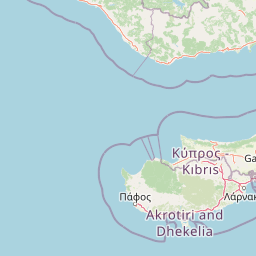
Map view of Koilada Diarizou

Use this park location map to pinpoint Koilada Diarizou in Cyprus, understand its exact geographic position, and read its mapped placement within the surrounding landscape more clearly.

Pigeon | © OpenStreetMap contributors
Recorded earthquake history

Explore Historical Earthquake Records Associated with Koilada Diarizou

Browse the catalog of seismic events occurring in the vicinity of Koilada Diarizou. MoriAtlas provides a clear summary of recorded magnitudes and distances to help users understand the historical seismic context of this Cyprus protected area.

Koilada Diarizou Earthquake History

Catalogued events

400 events

Strongest magnitude

Magnitude 6.8

Most recent event

Dec 12, 2025

This history includes earthquakes recorded inside the park or within 50 km of its borders

Park atlas

Compare adjacent Mediterranean river valleys and regional protected landscapes

Parks Near Koilada Diarizou and Surrounding Protected Natural Areas

Browsing other protected areas near Koilada Diarizou reveals connected valley habitats and regional biodiversity patterns across western Cyprus. Comparing neighboring terrain helps place local Mediterranean river corridors into a broader conservation context.
Protected areaCyprus
Park boundaries overlap#1 closest

North

Dasos Pafou: Protected Forest Landscapes and Geographic Terrain of Western Cyprus

Extensive Mediterranean woodland and riparian habitat mosaic

Dasos Pafou serves as a cornerstone of conservation in western Cyprus, protecting a vast contiguous area of pine forests, oak woodlands, and rocky gorges. The site offers a detailed look at the island's diverse ecological character, blending high-altitude conifer stands with deep valley river systems to create a unique Mediterranean landscape atlas.

Area
602.259 km²
Established
2005
Relief
Mixed relief
Climate
Mediterranean
Protected areaCyprus
Park boundaries overlap#2 closest

North

Gkremoi Chanoutari Protected Area; Mapping Cyprus Inland Landscapes and Terrain

A critical Mediterranean bird sanctuary within the Troodos foothill region.

Gkremoi Chanoutari encompasses a unique mix of rocky crags, scrubby slopes, and rural hillsides across 2,470 hectares in the interior of Cyprus. This protected area serves as a primary site for cliff-nesting raptors and Mediterranean avifauna, offering a detailed look at the island's complex topography and mountain-to-valley ecological transitions.

Area
24.698 km²
Established
2007
Climate
Mediterranean
Scope
Terrestrial
Nature reservePaphos District
1.3 km away#3 closest

Southwest

Cha-Potami Nature Reserve: Protected Riverine Geography in Paphos District, Cyprus

River valley ecosystems and Mediterranean protected terrain

Cha-Potami spans a twelve-kilometer river stretch characterized by deep, narrow valleys and varied topography. This protected area offers a look into the rich ecological stratification of southwestern Cyprus, from dense riverside corridors and cypress-dotted slopes to rugged, raptor-nesting cliffside gorges that define the local landscape character.

Area
26.266 km²
Established
2000
Relief
Upland
Climate
Mediterranean
Nature reserveCyprus
1.6 km away#4 closest

West

Ekboles Potamon Ezousas, Xerou, Kai Diarizou: Nature Reserve and Coastal Habitat

Natura 2000 protected landscape in southwestern Cyprus

Spanning over 800 hectares, Ekboles Potamon Ezousas, Xerou, Kai Diarizou protects the vital intersections of three river mouths with the Mediterranean Sea. This nature reserve sustains a dense network of avian habitats, ranging from coastal flats to river corridors, and represents a crucial migratory waypoint and breeding ground within the Cyprus landscape.

Area
8.271 km²
Established
2007
Climate
Mediterranean
Scope
Terrestrial
Nature reserveCyprus
5.6 km away#5 closest

West

Koilada Ezousas: Protected Inland Valley Landscapes and Map Geography in Western Cyprus

Natura 2000 designated nature reserve in the Paphos district

Koilada Ezousas represents a strategically mapped protected area in western Cyprus, characterized by its extensive inland valley terrain. The site acts as a critical refuge within the Mediterranean ecoregion, supporting a high concentration of raptors and endemic passerines. Understanding its geographic spread provides insight into the broader network of protected corridors across the island.

Area
56.27 km²
Established
2019
Climate
Mediterranean
Scope
Terrestrial
Nature reserveCyprus
7.2 km away#6 closest

South

Akrotirio Aspro - Petra Romiou Nature Reserve: Cyprus Coastal Geography and Habitat Map

Mediterranean coastal cliffs, bird habitats, and protected conservation landscapes

Akrotirio Aspro - Petra Romiou is an ecologically dense nature reserve in Cyprus, recognized for its varied Mediterranean terrain. The landscape transitions from iconic sea-stack formations and coastal cliffs into juniper matorral, pine forests, and riparian galleries. This site remains a crucial protected area for ornithological research and habitat connectivity across the southern Cypriot coastline.

Area
24.895 km²
Established
2004
Relief
Upland
Climate
Mediterranean
Nature reserveCyprus
7.5 km away#7 closest

West

Episkopi Morou Nerou: Mapping the Protected Nature Reserve Landscapes of Western Cyprus

A regional geography of river valleys, riparian galleries, and forest mosaics

Located in western Cyprus, Episkopi Morou Nerou is a notable nature reserve spanning river valleys and Mediterranean scrubland. This protected area supports an array of habitats, from oriental plane forests and poplar galleries to open phrygana and pseudo-steppe grasslands, serving as a critical sanctuary for diverse bird populations and native plant species.

Area
4.193 km²
Established
2002
Relief
Mixed relief
Climate
Mediterranean
Nature reserveCyprus
8.1 km away#8 closest

Southeast

Potamos Paramaliou: Geography and Avian Conservation in Southwestern Cyprus

A vital river-centered nature reserve and protected corridor

Potamos Paramaliou serves as a specialized nature reserve in southwestern Cyprus, protecting a seasonal river valley and the diverse bird species it supports. This site illustrates the intersection of Mediterranean riverine ecosystems and arid open landscapes, offering a clear view of how targeted conservation boundaries safeguard avian movement and regional ecological stability.

Area
17.819 km²
Established
2008
Climate
Mediterranean
Scope
Terrestrial

Common questions about visiting, size, designation, and location context for Koilada Diarizou

Koilada Diarizou FAQs for park facts, access, geography, and protected area context

Find quick answers about Koilada Diarizou, including protected-area facts, park geography, trail and visitor context, and how the park fits into its surrounding country and regional landscape.
MoriAtlas Explorer

Continue Your Protected Areas Search Across the Global Atlas

Deepen your exploration by continuing the structured search for national parks and protected areas worldwide. Utilize the comprehensive filtering capabilities to compare different conservation landscapes and refine your understanding of global park geography. Discover more about the distribution and characteristics of protected natural areas.

Global natural geography