
Mori Atlas logo
Park guides

Seasonal context for Finnish hills, forests, meadows, and lake views

Koli National Park seasonal visit-timing guide for North Karelia conditions

Use Koli National Park's guides for rocky summits, old forest, meadows, wetlands, and Lake Pielinen views. The timing guide frames snow-covered winter landscapes and intense cold against warm, active summers with long daylight, peak meadows, hiking, and panoramic cultural scenery.

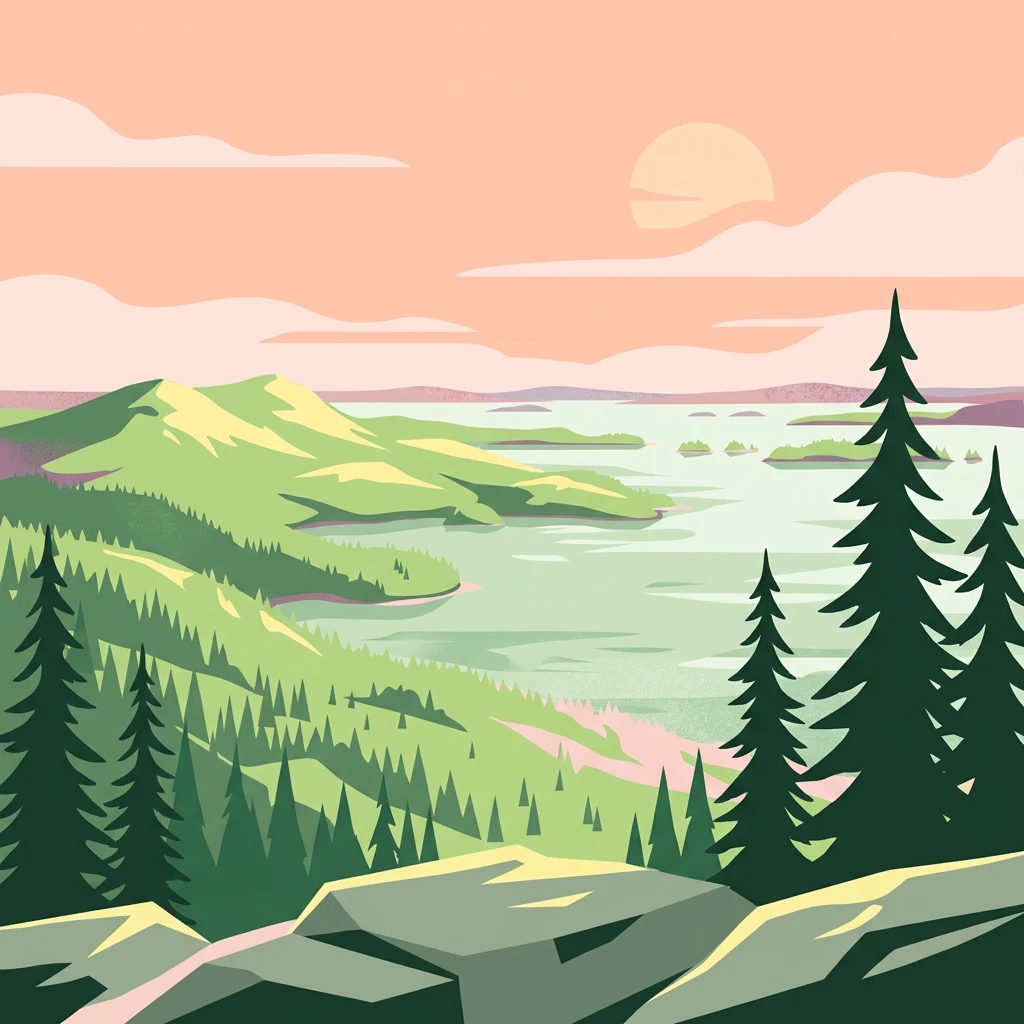
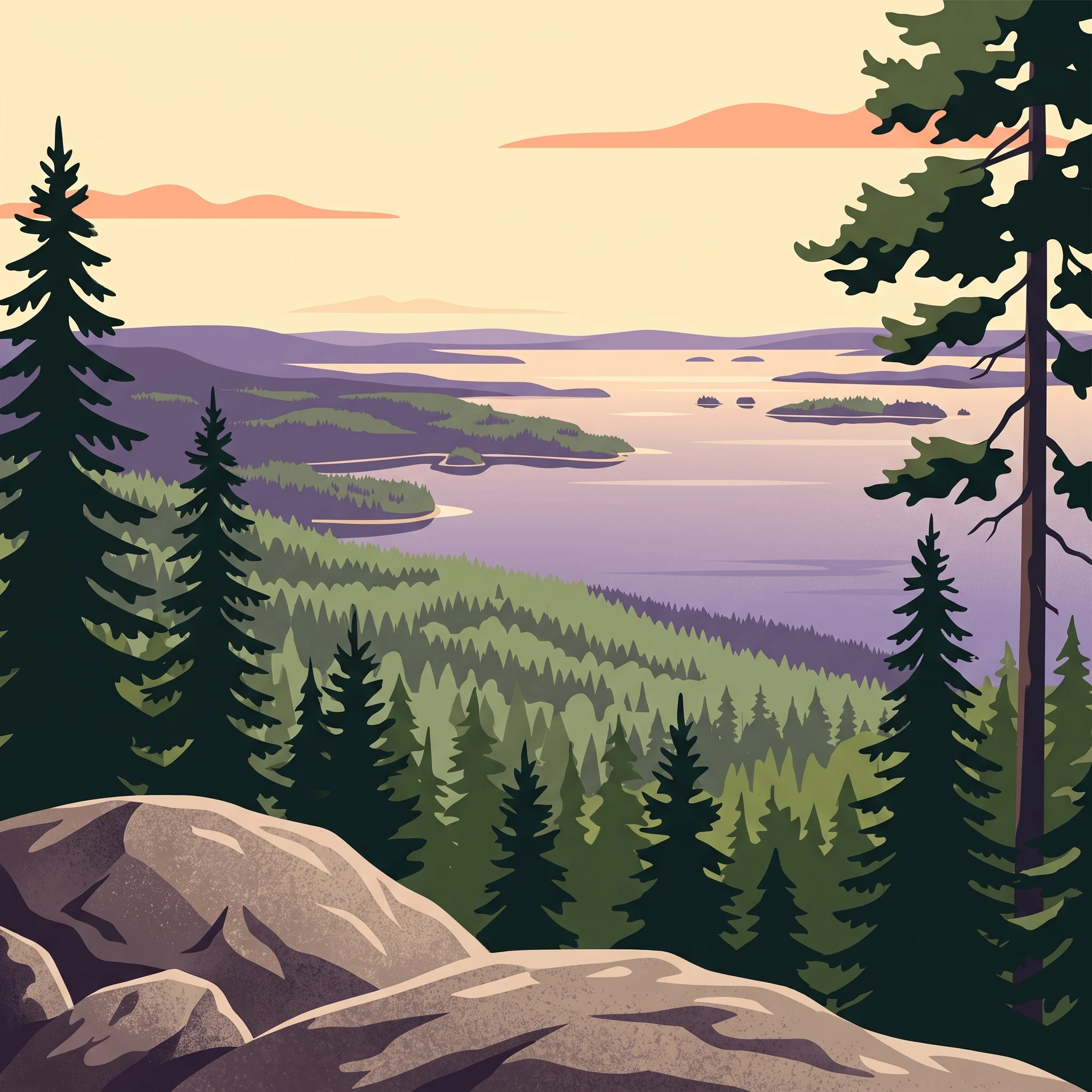
Illustration of green hills, forest, and lake with pink sky at sunset

Finnish national park preserving forested hills above Lake Pielinen

Koli National Park

Koli National Park represents a remarkable intersection of natural beauty, cultural heritage, and ecological diversity in eastern Finland. The park's landscape is defined by forested hills rising sharply from the western shore of Lake Pielinen, creating a terrain that varies dramatically within a small area. This topographical diversity supports an exceptional variety of biotopes and species, from rocky hilltops to shaded spruce forests and moist valley woodlands. The park preserves not only natural ecosystems but also the traditional agricultural heritage of the region, maintaining hay meadows and pastures where historic Finnish cattle and sheep breeds graze. This continuation of slash-and-burn agriculture traditions, though no longer using fire, creates a cultural landscape that reflects centuries of human interaction with the land. The area holds additional historical significance as a former pagan sacrificial site, adding spiritual dimension to its natural and cultural value. Visitors are drawn to the combination of outdoor recreation opportunities, scenic vistas, and the living cultural landscape that makes Koli uniquely representative of Finnish natural heritage.

Location
Finland
Park type
National park
Established
1991
Area
30 km²
Koli National Park Protected Landscape
MoriAtlas Explorer

Continue Atlas Exploration of Koli National Park's Geographic Identity

Deepen your understanding of Koli National Park by exploring its mapped boundaries and regional geography. This structured approach to protected landscapes allows for precise geographic discovery, situating Koli National Park within the wider atlas of natural terrain in North Karelia and beyond.