
Trip Timing Basics
When Is the Best Time to Visit Lahemaa National Park
For most visitors seeking the classic experience of Lahemaa National Park, the best time to visit is during the summer months of June through August. This period offers the most reliable window for outdoor exploration, characterized by long daylight hours that can reach up to 18 hours in June and the most favorable temperature ranges for traversing the park's iconic wooden boardwalks and coastal trails. However, choosing the right time for your trip requires balancing this peak warmth against the specific trade-offs inherent in a northern Baltic coastal climate, where the transition from spring thaw to autumnal cooling creates distinct, non-summer experiences that some travelers prefer.
The Relationship Between Daylight and Landscape
Unlike many mountainous or southern European parks where elevation dictates the visiting season, the rhythm of life in this Estonian reserve is heavily influenced by the extreme fluctuation of solar light. The expansive bog systems and dense boreal forests, which form the heart of the park's identity, are most accessible and vibrant when daylight is abundant. Visiting in the height of summer allows you to make the most of the extensive nature trails without the constraints of premature sunsets, which dominate the local experience from late October through February. For those who prioritize photography, birdwatching, or extended hikes along the four major peninsulas, the extended solar cycle of the summer months provides a practical advantage that is difficult to replicate during the shorter days of the shoulder seasons.
Navigating Baltic Coastal Climates
While summer is often considered the standard time for a visit, the park's coastal position means that weather remains dynamic even in the warmest months. The temperature spread between July and the winter months is significant, with mean temperatures shifting from nearly 18 degrees Celsius in mid-summer to well below freezing for much of the winter. Travelers should understand that the Gulf of Finland influences the local humidity and wind patterns, which can make cooler spring or autumn days feel significantly more bracing than the numbers alone might suggest. If your goal is to experience the dramatic coastline and the historic fishing villages like Altja without the higher humidity or visitor presence of mid-summer, the late spring or early autumn shoulder periods offer a compelling, albeit colder, alternative. These windows involve a compromise, requiring better preparation for damp conditions and a higher likelihood of wind, but they reward those seeking the quiet solitude that defines the landscape outside of the peak summer cycle.
Seasonal Planning
Best Periods to Visit Lahemaa National Park for Various Travel Goals
Peak Hiking and Outdoor Exploration: June to August
The most rewarding period for active visitors is the summer stretch, characterized by the longest daylight hours of the year. With sunlight reaching up to 18 hours in June and remaining abundant through August, travelers have the maximum possible window for navigating the boardwalks of Viru Bog and exploring the rugged coastal paths of the Pärispea peninsula. Temperatures during this period are at their most comfortable, with daily means often settling between 14°C and 18°C. This is the optimal window for those who prioritize accessibility to the park's diverse network of forest and marsh trails, as the firmer ground and stable daylight make for easier trekking. The primary trade-off is that this period sees the highest potential for park occupancy, meaning popular parking areas near the bog and the primary manors may experience significantly higher demand compared to the rest of the year.
Cultural Discovery and Manor Touring: May and September
Visitors whose travel goals center on the park's architectural history, such as the Sagadi or Palmse manors, often find the shoulder months of May and September to be the most balanced choices. May offers a refreshing transition as the landscape wakes up, with daylight counts reaching into the double digits. September offers a similar climatic middle ground, as temperatures drop from the summer highs but remain mild enough for outdoor exploration without the intensity of peak season heat. These months serve well for travelers looking to combine manor visits with light forest walks, as the park feels less concentrated, allowing for a more focused experience at historic sites. The compromise here is the increased variability in daily weather and the potential for cooler, damper conditions, requiring travelers to be more adaptable with their gear and daily scheduling.
Scenic Transitions and Coastal Contemplation: April and October
For those seeking the unique atmosphere of the Baltic coast during its quieter, more reflective phases, the months of April and October present a compelling alternative. April marks the arrival of spring, where the lingering chill of winter gives way to longer days, while October provides a dramatic aesthetic transition as the forest foliage shifts. These periods suit photographers and travelers who prioritize solitude over comfort. It is important to note that these months often come with higher humidity and more frequent precipitation than the summer peaks, alongside a sharper decline in wind comfort. Visitors during these windows must be prepared for variable conditions and limited direct sunlight, as the primary objective is to witness the landscape in its less-crowded, raw state rather than to engage in extensive daily endurance activities.
Annual Climate Overview
Weather and Climate Trends in Lahemaa National Park by Month
Understanding the climate of Lahemaa National Park requires looking beyond simple seasonal labels and examining the interplay of daylight, wind, and coastal temperature regulation. Located on the northern coast of Estonia along the Gulf of Finland, the park experiences a maritime climate that moderates extremes but introduces persistent wind and high relative humidity throughout the year. These patterns dictate the physical comfort of outdoor exploration, whether you are traversing the wooden boardwalks of Viru Bog or hiking the rocky, wind-swept peninsulas.
The Shift from Winter Darkness to Extended Daylight
One of the most defining characteristics of the annual cycle is the dramatic variation in daylight hours. In mid-winter, particularly December and January, daylight is limited to between six and seven hours, characterized by low-angle sun and prolonged periods of twilight. This creates a brief window for outdoor activity, with the sun setting early in the afternoon. By contrast, the summer months offer extraordinary daylight levels, peaking in June with over 18 hours. This extreme shift means that visiting in the height of summer allows for extended exploration, while early spring and late autumn require careful timing to complete longer treks before the light fades. Readers should note that these daylight figures represent regional averages and are not a substitute for checking specific sunset times during a planned trip.
Temperature Ranges and Seasonal Comfort
The transition from winter to spring is gradual, with average mean temperatures staying below freezing until late March. While the coldest air masses typically bottom out in February, the presence of the Gulf of Finland maintains a damp, chilling quality in the air, with relative humidity consistently exceeding 90 percent during the winter months. As spring progresses through April and May, the park undergoes a rapid transformation. Average maximums climb from just above 4 degrees Celsius in March to nearly 20 degrees Celsius by May. This rapid warming phase is a critical indicator of when the park transitions from a dormant landscape to an active spring environment, though nocturnal temperatures frequently dip near the freezing point until June.
Summer provides the most thermal stability, with July and August consistently yielding the highest mean temperatures. Even during these months, the maritime influence prevents the sustained, intense heat found in continental interiors. Average daily maximums hover around 25 degrees Celsius, providing ideal conditions for hiking. However, because these figures are based on long-term climate normals, they do not account for daily weather volatility. Sudden changes in wind direction off the Gulf of Finland can bring cool air inland even on warm afternoons, making layers an essential component of any trip regardless of the month.
Wind, Humidity, and Precipitation Patterns
Wind speed is a persistent factor in the park's coastal environment, with the highest mean wind speeds occurring in the late autumn and early winter months of November and December. During this period, the combination of wind and high humidity creates a significant wind-chill effect, making the coastal peninsulas,Pärispea and Juminda,feel considerably colder than interior forest regions. Precipitation is relatively consistent throughout the year, though summer months like June see higher daily averages compared to the drier, colder transition months of March and April. It is important to remember that these climate normals offer a statistical overview of expected conditions and cannot serve as a reliable forecast for a specific visit. Travelers should always consult current weather alerts and local forecasts immediately prior to their arrival to account for transient weather systems that may influence park access or safety.
Seasonal dynamics
Annual Weather Phases and Seasonal Transitions in Lahemaa National Park
The Shift from Polar Darkness to Midnight Sun
The annual cycle in this coastal park is defined less by traditional calendar seasons and more by the dramatic oscillation of daylight and temperature. Because of its northern latitude, the park undergoes a profound transformation in late spring. Between April and May, daylight hours expand rapidly from roughly 14 to over 16 hours. This transition phase marks the thawing of the landscape, as sub-zero minimums give way to the relative warmth of early summer. Travelers visiting during this time will notice the landscape waking up, with the potential for lingering frost in the early hours contrasting against increasingly mild afternoons. This is not a stable spring in the temperate sense, but a high-energy transition period where the environment shifts quickly to prepare for the long-daylight intensity of the following months.
The High-Sun Summer Phase
From June through August, the park enters its most stable environmental phase. This is the period of maximum daylight, peaking in June with over 18 hours of sun. The coastal influence of the Gulf of Finland helps moderate peak temperatures, keeping the mean levels in the high teens Celsius. Unlike inland regions that may experience extreme heat spikes, the maritime breeze typically tempers the park environment. This phase is characterized by the highest reliability for outdoor activity, as precipitation patterns remain consistent with the rest of the year but are countered by warmer, longer days that allow ground and trails to dry effectively. Visitors should expect a rhythm defined by extended activity windows, where the concept of evening is significantly delayed by the high-sun position.
The Autumnal Cooling Period
As September arrives, the park experiences a noticeable shift. Daylight duration decreases by several hours each month, and the mean temperature drops steadily toward the October and November marks. This period is defined by a return to cooler, more humid conditions as the maritime influence brings persistent moisture from the Gulf of Finland. The transition is marked by a loss of the heat energy that defined the summer phase, leading to a noticeable increase in wind and a general darkening of the landscape. While not yet defined by hard winter, this period represents a clear cooling trend where the primary environmental focus shifts from long-daylight exploration to more sheltered, weather-dependent activities.
The Low-Light Winter Phase
From December through February, the park enters its most restrictive phase. Daylight drops to its annual minimum, with December offering less than six hours of light. This period is defined by the prevalence of sub-zero temperatures and high relative humidity, often exceeding 94 percent. The combination of wind and cold creates a harsh environment where the focus shifts away from the open peninsulas and coastal trails that define the summer experience. The landscape is often transformed by cold-weather conditions, making this the time when the physical environment is at its least accessible for casual visitors. Rather than a dormant period, it is a phase where the park is dominated by its boreal geography and the raw, maritime cold of the Estonian winter.
Seasonal Experiences
What Visiting Lahemaa National Park Is Like Throughout the Year
Navigating Bog Ecosystems and Boardwalks
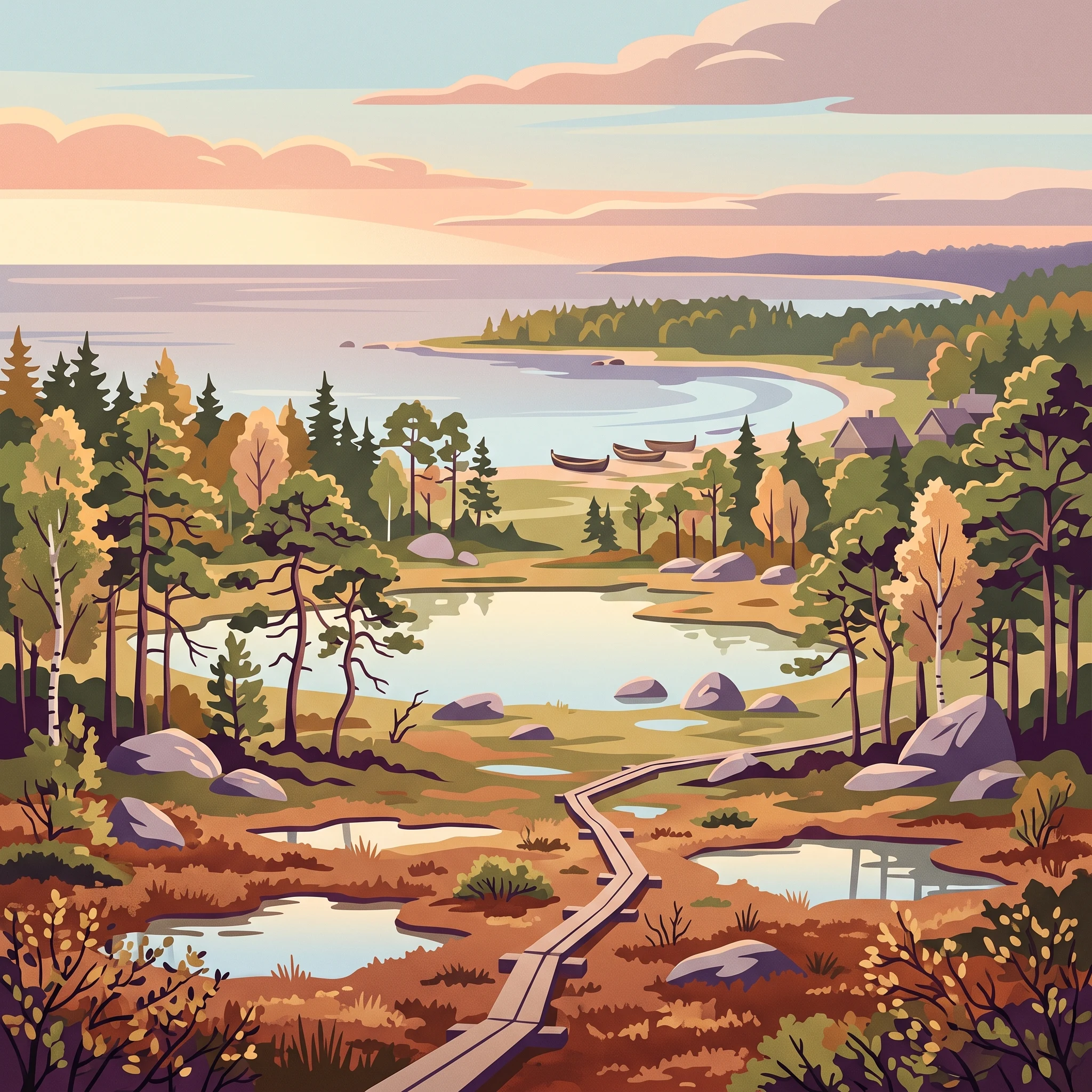
The iconic wooden boardwalks of Viru Bog are designed to facilitate exploration across delicate peatland ecosystems. Because these structures can become slippery or saturated with water during high-precipitation periods, early summer and late spring are often the most reliable times for a stable walking experience. While late summer and autumn can offer drier conditions in the surrounding forest, the bog itself remains a naturally water-retaining environment. Visitors planning to traverse the wooden trails should prioritize periods with moderate rainfall, as wet planks require cautious navigation regardless of the season. The absence of ice makes the period from late May through early September the primary window for those relying on the wheelchair-accessible segments of the trail near the observation tower.
Coastal Exploration and Geological Visibility
Lahemaa is defined by its rocky coastline and glacial boulders, such as those found at the Pärispea peninsula and near Käsmu. The visibility of these geological features is constant throughout the year, but the surrounding conditions change the nature of the visit. During the longer daylight hours of June and July, hikers can explore the coastline and the stone-strewn northernmost points of the mainland without the time pressure inherent in the shorter autumn and winter days. These mid-year months are also the best time for those interested in birdwatching along the coast, as the Gulf of Finland is more accessible and comfortable to monitor when wind speeds are lower and daylight persists for over 17 hours daily.
Cultural Site Visits and Manor Heritage
While natural trails follow seasonal moisture and temperature patterns, the cultural sites of the park operate on a different schedule. Historic manors like Palmse and Vihula provide an essential indoor dimension to a trip. These locations are particularly useful as a fallback option when the weather is less favorable for outdoor trekking. Visiting these estates during the shoulder months, such as May or September, allows for a quieter experience compared to the peak tourist activity of July. Since museum exhibitions and guided manor tours may adjust their hours based on the season, it is essential for visitors to check the current operational status of these heritage sites before planning their itinerary, especially when visiting outside of the core summer window.
Swimming and Coastal Recreation
The opportunity to swim in the bog pools is a distinct, localized experience that relies heavily on weather conditions. This activity is best limited to the warmest weeks of the year, typically from late June to early August, when water temperatures and ambient air warmth make the experience practical. Outside of this narrow peak, the maritime influence of the Gulf of Finland results in rapid temperature drops that render such activities uncomfortable. Visitors should note that designated swimming locations are limited to ensure both visitor safety and the protection of the bog ecosystem, and it is recommended to stick strictly to areas with established wooden entries.
Visitor Priorities
When to Visit Lahemaa National Park for Specific Travel Interests
Balancing Daylight and Comfort for Hiking
For travelers focused primarily on long-distance hiking, the period from June through August provides the most reliable conditions. These months offer the longest daylight hours of the year, often exceeding 17 to 18 hours in June and July, which grants a significant safety margin for explorers planning longer routes like the 14-kilometer Viru Bog blue trail. While the mean temperature during this period reaches its annual high of approximately 14 to 17 degrees Celsius, the coastal location ensures that air temperatures rarely become oppressive for physical activity. The primary trade-off for this extended daylight is the potential for wetter trail conditions following mid-summer rains, which can occur intermittently despite the higher temperatures. Hikers should ensure they have waterproof footwear for these paths, as boardwalks and swamp edges remain susceptible to moisture.
Targeting Drier Periods for Coastal Exploration
If your primary goal is to explore the northern peninsulas, such as Pärispea or Juminda, and the rocky coastlines, late spring and early autumn offer a different advantage. While summer is statistically the warmest, May often features lower relative humidity, recorded at approximately 79 percent, compared to the higher humidity levels found in the later summer months. This atmospheric clarity is beneficial for coastal photography and navigating the uneven terrain of glacial boulder sites. By choosing May or early September, visitors can avoid the peak summer humidity while still benefiting from daylight hours that extend well into the evening, facilitating more thorough exploration of the North Estonian cliff and coastal fishing villages like Altja without the intensity of peak-season light.
Prioritizing Milder Weather for Cultural Visits
Travelers interested in the park's baroque and classical manors, such as Sagadi, may find that the shoulder months of May and September offer the most balanced experience. These periods provide a transition away from the extreme cold of winter and the heavy humidity of the height of summer. Average daily maximums in May hover around 19 degrees Celsius, providing a comfortable climate for transitioning between outdoor garden tours and the historic interiors of the manor museums. Similarly, September maintains a pleasant average mean temperature of over 12 degrees Celsius, which is sufficient for comfortable sightseeing without the need for heavy winter gear. The trade-off here is the significant reduction in daylight hours by late September, which necessitates a more structured itinerary that prioritizes indoor cultural sites during the afternoon hours when sunlight begins to fade earlier than in the mid-summer months.
Access and Logistics
Seasonal Access and Practical Planning for Lahemaa National Park
Navigating Regional Transport and Access
Reaching the park area is generally straightforward due to its location 70 kilometers east of Tallinn, though the logistical strategy depends heavily on your desired destination. The most efficient way to access the primary hiking trailheads, such as those near the highway, is by regional bus. Many services depart regularly from Tallinn and stop at the Loksa tee junction. Because schedules, routes, and specific stop designations change periodically, always confirm the latest connection data through official Estonian transport portals before planning your departure.
Visitors who prioritize exploring the diverse peninsulas of Juminda, Pärispea, Käsmu, or Vergi will find a private vehicle or a rented car significantly more flexible. While buses can deposit you along the main highway, reaching the northern coastal villages and secluded shoreline sites often requires independent transport. If you choose to travel by bicycle, note that some bus services may have limitations regarding equipment capacity. Check current luggage policies with the relevant transit operators if you intend to combine cycling and public transport for your journey.
Accessing Remote Trails and Interior Sites
For those specifically interested in the expansive bog systems like Kõnnu Suursoo, the train network provides a reliable alternative to road travel. The town of Aegviidu serves as a frequent transit hub for travelers heading toward the eastern regions, and it acts as an entry or exit point for several interior trails. Trains from Tallinn to these eastern junctions are frequent, but as with all transit, service frequencies can shift seasonally or due to maintenance, so verify current departures and travel times via official railway operator websites.
Facility and Camping Regulations
Within the protected boundaries, infrastructure management is handled by the State Forest Management Centre, known locally as RMK. Official campsites and marked fire pits are provided throughout the landscape to concentrate human impact and preserve the pristine nature of the forests and bogs. While camping in designated areas is permitted, building fires outside of these specific, sanctioned locations is strictly prohibited. Always verify the current status of these facilities, as individual sites may undergo temporary maintenance or seasonal closures. If you are exploring areas outside of established public land, be aware that private property restrictions apply, and you must secure explicit permission from landowners before setting up a camp or lingering on private territory.
Preparation & Safety
Seasonal Safety and Preparation for Lahemaa National Park
Adapting to Seasonal Weather and Daylight Variability
Effective safety and comfort in Lahemaa depend on your ability to respond to its shifting maritime climate. Because the region experiences significant annual changes in daylight, such as the peak of over 18 hours in June compared to less than 6 hours in December, your activity planning must prioritize timing. During the long summer days, hikers can plan longer routes with less risk of being caught in darkness. Conversely, from late autumn through mid-winter, the rapid onset of early sunsets requires shorter treks and a clear focus on returning to trailhead parking or public transit hubs before visibility declines. Always check the current sunset times for your specific travel dates to ensure your excursion remains within safe daylight margins.
Terrain-Specific Safety and Environmental Awareness
Navigation through the park requires strict adherence to marked paths, particularly in bog ecosystems. Raised bogs are unique, water-saturated environments where staying on wooden boardwalks is essential for both habitat protection and personal safety. The edges of these bogs can be unstable, and moving off-trail increases the risk of becoming stuck or encountering difficult terrain that is not apparent from a distance. If you plan to visit coastal areas or explore glacial boulder fields, be mindful that rocks can be slippery when wet, a common occurrence given the high relative humidity levels across most months. Proper footwear with adequate grip is a standard recommendation for the varied, often uneven terrain found along the North Estonian cliff and coastal peninsulas.
Preparing for Baltic Coastal Conditions
Wind and humidity act as primary variables that influence how cold or warm you feel regardless of the official air temperature. Even during the warmer summer months, the maritime breeze coming off the Gulf of Finland can lower the perceived temperature rapidly. Layers are the most effective way to prepare for these fluctuations. A windproof outer shell is frequently more valuable than heavy insulation, as it protects against the constant sea breeze that characterizes the coastal landscape. During the spring and autumn, moisture is persistent, making waterproof gear a practical consideration for maintaining comfort throughout the day.
Managing Biological and Path Conditions
Estonian forests, including those within the park, are environments where ticks are present during the warmer months. Taking basic precautions, such as wearing long trousers and tucking them into socks, remains a standard, effective practice for those hiking through grassy or forested segments of the nature trails. Evening body checks are a simple and recommended step after a day of exploring. As with all outdoor activities, conditions in the park change based on recent weather events, such as heavy rain affecting trail mud levels. Always verify current conditions on the official RMK website or at visitor centers before heading out to ensure no specific routes are closed for maintenance or due to environmental impacts.
Final Planning
How to choose the right time to visit Lahemaa National Park
Choosing when to explore this national park requires a clear alignment between your personal tolerance for maritime climate variability and your primary travel objectives. If your goal centers on maximizing daylight for extended coastal treks or navigating the wooden boardwalks through remote bog ecosystems, the months of June, July, and August offer the most consistent weather window. These months provide the longest days and the highest mean temperatures, which significantly simplifies logistics for those relying on park transit or planning full-day outings. During this period, the environment is at its most accessible, though it is also when you will share the landscape with other visitors.
If you prefer a quieter, more introspective pace, the shoulder seasons of May and September represent a practical alternative. While you lose the peak daylight duration and experience a higher probability of fluctuating temperatures, these months often feature lower humidity levels and a distinct aesthetic shift as the landscape transitions. Selecting these periods requires a willingness to pack versatile, moisture-wicking layers and a pragmatic approach to weather that may include sudden coastal wind shifts. The cooler temperatures during these transitions can also make the indoor exploration of historic manor houses, such as the sites at Sagadi, a more comfortable and deliberate experience compared to the height of summer.
Your decision should ultimately prioritize the conditions you find most manageable. If cold-weather travel appeals to you, be prepared for significantly reduced daylight hours, freezing temperatures, and the need for specialized gear to handle ice and wind near the Gulf of Finland. Conversely, if you prioritize warmth, you must accept the trade-off of peak-season activity levels. Regardless of the month you select, remember that historical climate normals provide only a general baseline. You must verify local operating hours, transport availability, and current weather alerts through official national park resources shortly before your departure, as the coastal environment of northern Estonia is subject to rapid, localized weather shifts that cannot be predicted by long-term averages alone. By evaluating these trade-offs against your specific interests, you can identify the window that best supports your personal itinerary.