Why Lahemaa National Park stands out
Lahemaa is best known for its exceptional combination of pristine boreal forests, extensive raised bog systems, and a dramatic rocky coastline characterized by glacial boulders and the striking North Estonian cliff (Balti klint). The park protects significant populations of large mammals including grey wolves, brown bears, Eurasian lynx, red deer, and wild boar. Its network of nature trails through Viru Bog and along the coastal peninsulas offers visitors accessible encounters with pristine bog ecosystems and historic fishing villages. The four baroque and classical manors, particularly Sagadi Manor, Estonia's most visited manor, provide a unique cultural heritage dimension uncommon in European national parks.
Lahemaa National Park history and protected-area timeline
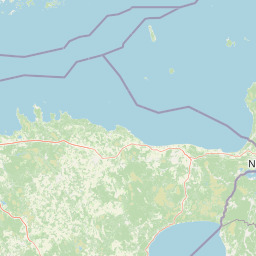
Lahemaa National Park was established on July 1, 1971, becoming the first national park designated in the Soviet Union and marking a significant moment in Estonian environmental conservation history. The creation of the park represented a pioneering effort to preserve representative North Estonian landscapes during an era when protected area designation was rare in Soviet-era Europe. The park's name derives from the region's distinctive geography—four large peninsulas (Juminda, Pärispea, Käsmu, and Vergi) separated by four bays (Kolga, Hara, Eru, and Käsmu), giving the area its characteristic "Land of Bays" identity. Prior to Estonia's independence in 1991, the Soviet military operated a large secret submarine base at Hara, constructed in the 1950s during the Cold War; the ruins of this former installation now lie within the park near the Lahemaa lighthouse, serving as an unusual historical footnote to the region's more recent past.
Lahemaa National Park landscape and geographic character
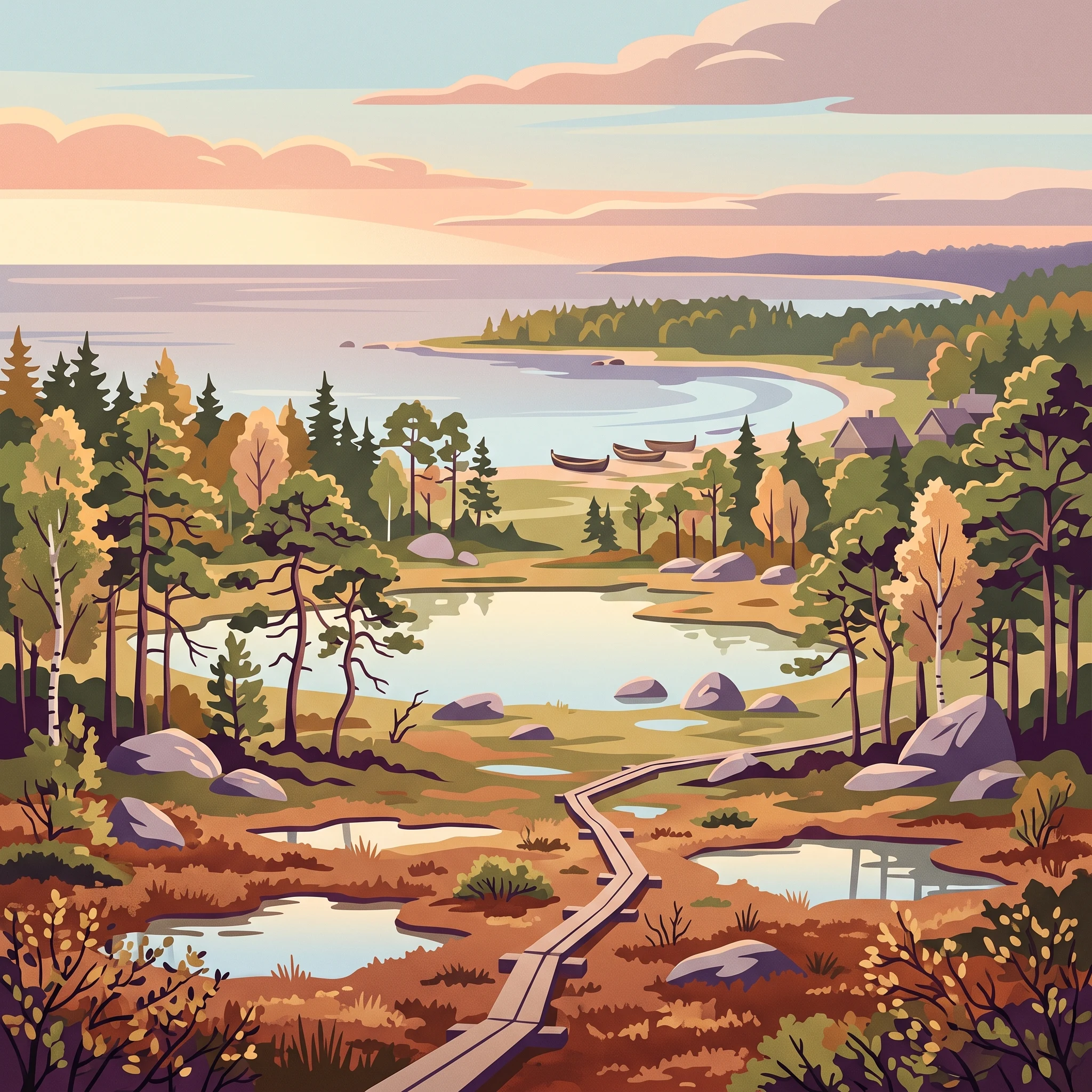
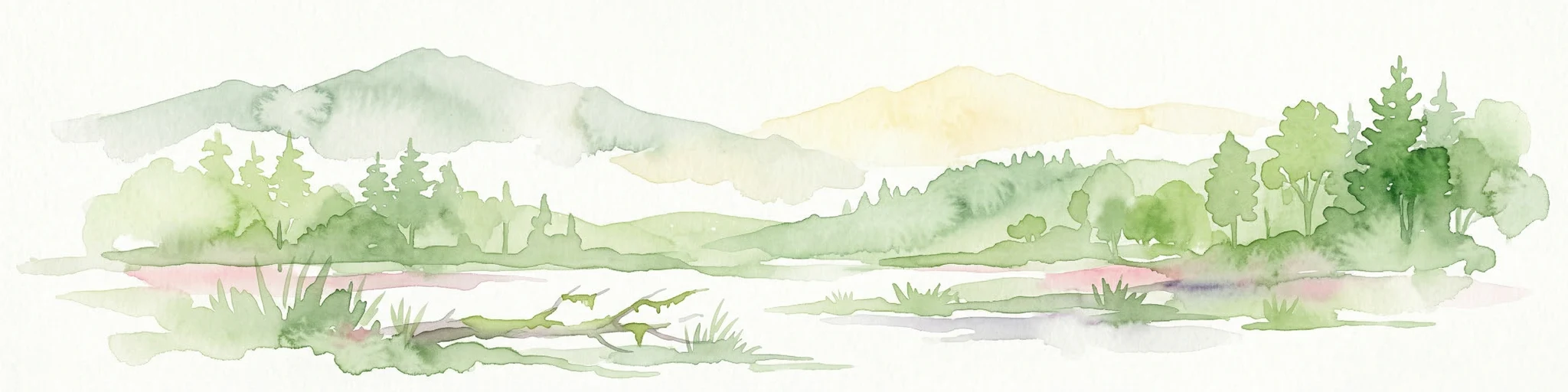
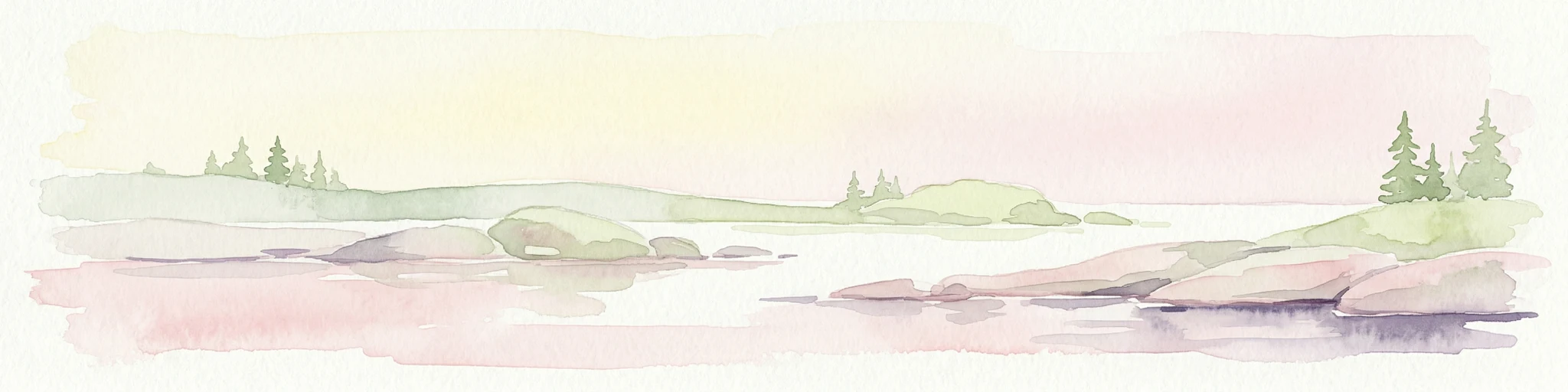
The landscape of Lahemaa National Park is defined by the interplay between its forested interior, extensive bog systems, and a dramatically indented rocky coastline along the Gulf of Finland. The coastal section features the prominent North Estonian cliff (Balti klint), a geological formation exposing ancient sedimentary layers along much of the shoreline. Glacial boulders and rocky shores dominate the headlands, particularly on the Pärispea Peninsula, creating a rugged and photogenic maritime landscape. The interior is characterized by rolling terrain covered in boreal forest, interspersed with numerous lakes, rivers, and raised bog complexes. The park contains eight major river systems—Altja, Kolga, Loo, Loobu, Mustoja, Pudisoo, Valgejõgi, and Võsu—along with four significant waterfalls including Nõmmeveski and Turjekeldri. Major lakes within the park include Kahala (346 hectares), Lohja (57 hectares), and Käsmu (43 hectares).
Lahemaa National Park ecosystems, habitats, and plant life
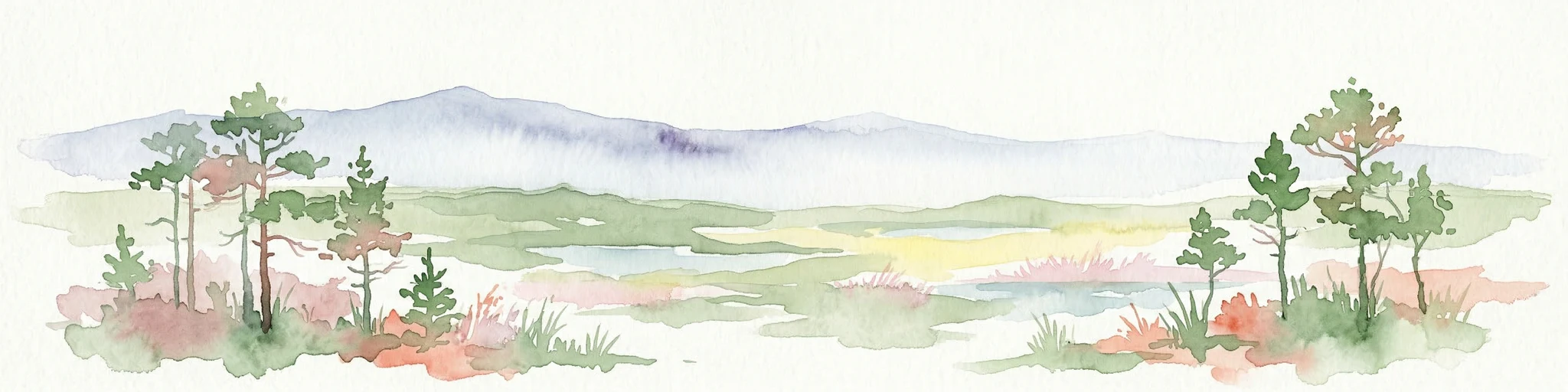
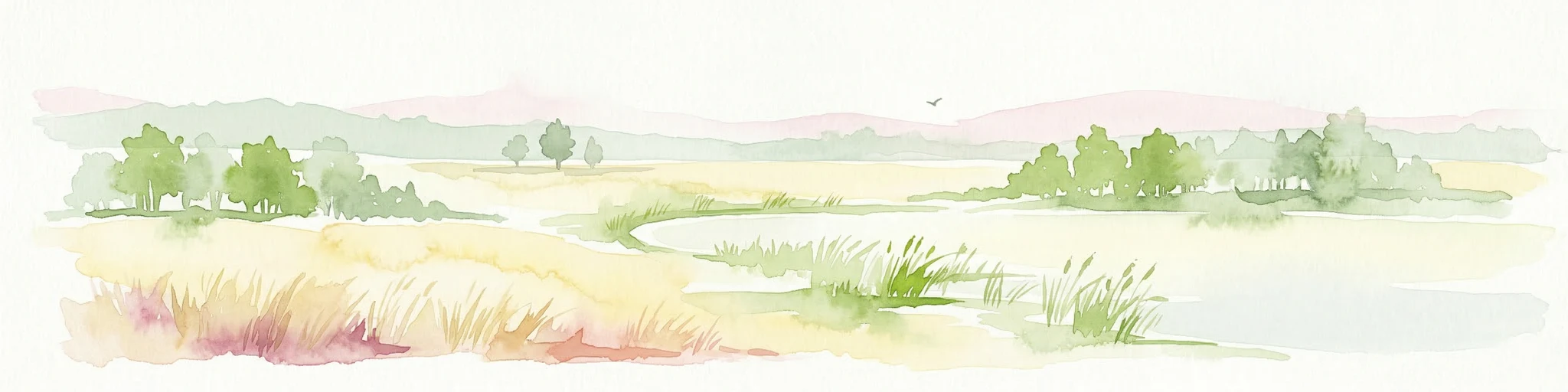
The nature of Lahemaa reflects the ecological character of North Estonia's boreal landscape, with forests dominating approximately 73% of the terrestrial area. Pine forests constitute the predominant forest type, covering about 60% of the woodland, while spruce accounts for roughly 20% and various birch species for approximately 15%. The park contains significant areas of semi-natural habitats—approximately 2,543 hectares including wooded meadows, coastal meadows, floodplain grasslands, and rare alvar grasslands—that represent traditional land use patterns now maintained through conservation management. The raised bog systems, particularly the ancient Laukasoo Reserve at over 7,000 years old, represent some of the best-preserved peatland ecosystems in the Baltic region. The marine component protects coastal waters of the Gulf of Finland with their characteristic biodiversity.
Lahemaa National Park wildlife and species highlights
Lahemaa supports notable populations of large mammals that represent the apex of the park's terrestrial ecosystems. Grey wolves, brown bears, and Eurasian lynx all maintain viable populations within the park, making it one of the few areas in Europe where visitors can encounter these secretive predators. Red deer and wild boar are more commonly observed, particularly in the forest interiors and along the network of nature trails. The park's coastline serves as an important migratory corridor for cranes, which stop annually on their journey between northern breeding grounds and wintering areas in the Bosphorus region and Egypt, utilizing the rocky shores and shallows as resting points. The diverse habitats support a rich bird fauna, and the coastal waters provide feeding grounds for various waterfowl species.
Lahemaa National Park conservation status and protection priorities
Lahemaa National Park holds significant conservation importance as Estonia's premier protected area and one of Europe's largest national parks. The park's conservation framework divides the territory into three reserves (117 hectares), 43 protected zones (17,760 hectares), and nine restriction zones (56,907 hectares), creating a zoned approach to protection that balances ecological preservation with sustainable use. The protection of old-growth forest ecosystems makes Lahemaa one of Europe's most important forest conservation areas, preserving representative boreal forest communities that have become rare across the continent. The bog systems, with their carbon storage capacity and unique ecological functions, represent critical habitats for conservation in the Baltic region. The park's designation as Estonia's first national park established a conservation precedent that has shaped environmental protection policy across the country.
Lahemaa National Park cultural meaning and human context
Lahemaa contains a rich cultural heritage element through its four historic manor complexes: Palmse Manor, Vihula Manor, Kolga Manor, and Sagadi Manor. Sagadi Manor, with its baroque architecture, has become Estonia's most visited manor and serves as a focal point for understanding the region's aristocratic history. The traditional fishing village of Altja preserves authentic coastal heritage with its historic fishermen's huts and net stores, offering a window into traditional maritime livelihoods that shaped the region for centuries. These cultural elements—the manors representing estate-based agriculture and the fishing villages representing coastal community traditions—create a cultural landscape that complements the natural values, demonstrating the long human relationship with this coastal environment.
Top sights and standout views in Lahemaa National Park
The park's standout features include the network of accessible bog trails at Viru Bog, where wooden boardwalks allow visitors to experience the unique ecosystem of raised peatlands safely. The dramatic coastal peninsulas, particularly Pärispea with its glacial boulders and panoramic views of the Gulf of Finland, offer exceptional hiking opportunities. The four historic manors provide cultural sightseeing opportunities unique among European national parks, with Sagadi Manor serving as a visitor center and museum. The underwater ruins of the Soviet-era Hara submarine base add an unusual Cold War historical dimension. The Juminda lighthouse marks one of the park's northernmost points, while the fishing village of Altja preserves traditional coastal architecture.
Best time to visit Lahemaa National Park
The optimal visiting season for Lahemaa extends from late spring through early autumn, when temperatures are moderate and the network of nature trails is fully accessible. Summer months (June through August) offer the warmest conditions for hiking and outdoor exploration, though they also bring the highest visitor numbers. Autumn brings exceptional color to the deciduous and coniferous forests, with September and October offering particularly striking displays in the bog systems and forest interiors. Winter transforms the landscape dramatically, with frozen bogs and snow-covered forests creating a starkly beautiful environment, though trail conditions become more challenging. The shoulder seasons of May and September typically offer a balance between favorable weather conditions and fewer visitors.