Mori Atlas logo
National parkEastern Gulf of Finland National Park

Mapping the distinct protected natural areas within the Kymenlaakso region.

Eastern Gulf of Finland National Park: Kymenlaakso's Protected Coastal Landscape

Eastern Gulf of Finland National Park represents a significant protected natural area situated within the Kymenlaakso region of southeastern Finland. As a designated national park, it offers a unique window into the coastal geography and mapped landscapes of the Gulf of Finland. This entry provides detailed atlas-style context, focusing on the park's geographic setting and its role as a distinct protected entity within the broader regional landscape of Finland.

island archipelagocoastal landscapebirdwatchingImportant Bird Areamarine ecosystemBaltic Sea

Eastern Gulf of Finland National Park

National park

Park overview

Structured park overview, official facts, and landscape profile for Eastern Gulf of Finland National Park

Eastern Gulf of Finland National Park park facts, protected area profile, and essential visitor context
Review the core facts for Eastern Gulf of Finland National Park, including designation, size, terrain, visitor scale, habitats, and operating context in one park-focused overview.

About Eastern Gulf of Finland National Park

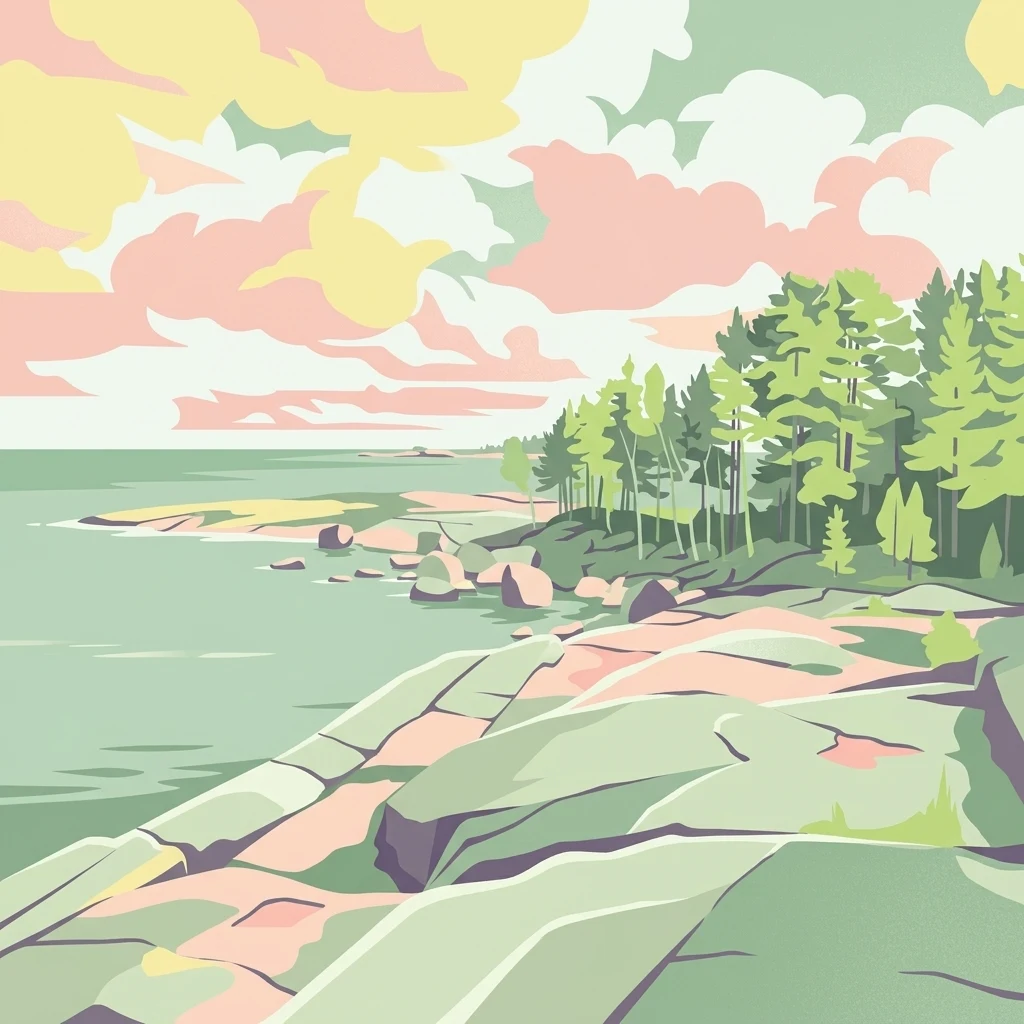
Eastern Gulf of Finland National Park represents Finland's commitment to protecting its coastal island ecosystems along the eastern edge of the Gulf of Finland. The park's territory consists entirely of islands ranging from tiny exposed skerries to slightly larger forested islets, creating a discontinuous protected landscape scattered across the marine environment. The geological foundation of these islands, composed largely of rapakivi granite, produces the characteristic sheer cliff faces that define much of the archipelago's visual identity. This igneous rock type splits along natural planes, creating the sharp cubical edges visible in the island shorelines.

Unlike many Finnish national parks that protect extensive inland forests, lakes, or fell systems, this park is defined by its maritime character and the ecological relationships between the islands and the surrounding Baltic Sea waters. The limited terrestrial area does not diminish the conservation value; rather, the island habitats complement the marine environment to support a distinct ecological community centered on waterfowl and seabird populations. The park's location along a major European migratory flyway makes it particularly important for birds moving between northern breeding grounds and southern wintering areas.

Quick facts and research context for Eastern Gulf of Finland National Park

Eastern Gulf of Finland National Park occupies the island archipelago along Finland's southeastern coastline in the Gulf of Finland, part of the Baltic Sea. The park was established in 1982 and is managed by Metsähallitus, Finland's state-owned enterprise for nature management. The total protected land area spans approximately 6.7 square kilometres distributed across numerous islands and islets. The park received around 15,800 visitors in 2024, drawing those interested in coastal birdwatching, island scenery, and Baltic Sea landscapes.

Park context

Deeper park guide and search-rich context for Eastern Gulf of Finland National Park

Eastern Gulf of Finland National Park history, landscape, wildlife, and travel context
Explore Eastern Gulf of Finland National Park through its history, landscape character, ecosystems, wildlife, conservation priorities, cultural context, and seasonal travel timing in a structured park guide built for atlas discovery and search intent.

Why Eastern Gulf of Finland National Park stands out

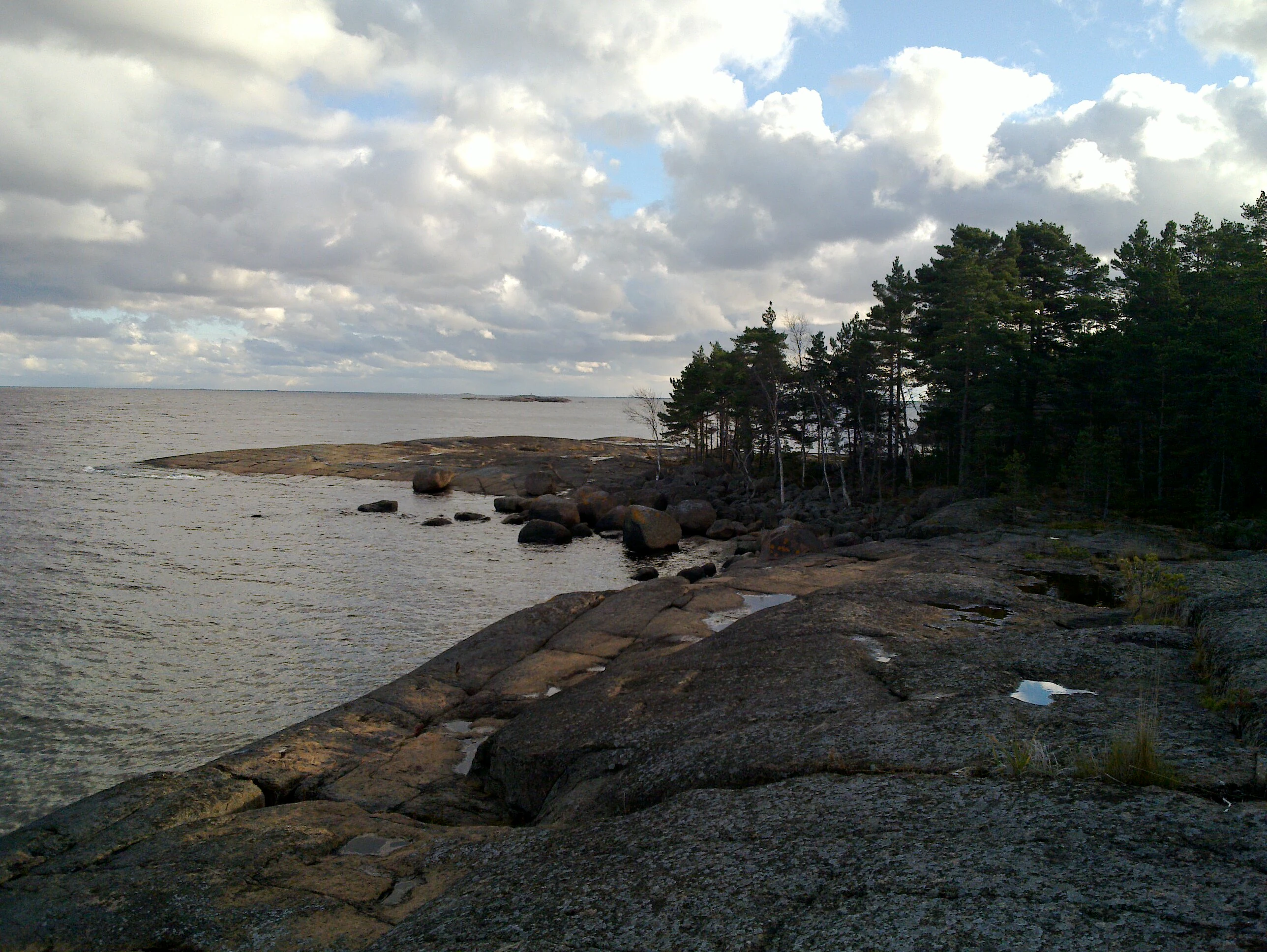
The park is especially known for its role as a protected habitat for aquatic birds, particularly waterfowl species that use the Gulf of Finland as a migratory corridor. The goosander and tufted duck are the most commonly observed species, while the razorbill and black guillemot nest on the protected islands during breeding season. The park's designation as an Important Bird Area reflects its supporting role for diverse waterfowl populations on passage and breeding gull colonies. The visual character of the islands, with their distinctive cubical granite cliffs rising from the sea, provides a striking maritime backdrop that distinguishes this park from Finland's more heavily forested inland protected areas.
Eastern Gulf of Finland National Park history and protected-area timeline

The Eastern Gulf of Finland National Park was established in 1982 as part of Finland's expanding network of protected areas during the latter decades of the twentieth century. Its creation reflected growing recognition of the ecological value of Finland's coastal island habitats, particularly those serving as refuges for waterfowl and seabird populations in the Baltic Sea region. The selection of this particular archipelago for national park status acknowledged both the geological distinctiveness of the rapakivi granite formations and the birdlife significance that had been documented in the area.

Management of the park falls to Metsähallitus, the Finnish state enterprise responsible for managing state-owned conservation lands and recreational areas. This administrative structure places the park within Finland's broader system of protected area management, which emphasizes both ecological preservation and sustainable public access. The park's establishment predates modern conservation frameworks but has been incorporated into international conservation designations, including its recognition as an Important Bird Area, which provides additional context for its ecological significance within the European Natura 2000 network framework.

Eastern Gulf of Finland National Park landscape and geographic character

The physical landscape of Eastern Gulf of Finland National Park is defined entirely by its island setting within the Baltic Sea. The islands display a characteristic stark beauty, with bare rock surfaces dominating much of the archipelago while scattered pine forests occupy the slightly larger islets. The most distinctive geological feature is the rapakivi granite, which fractures in a remarkably cubical pattern, creating near-vertical cliff faces that drop directly into the sea. This geological character produces a landscape of stark vertical relief against the horizontal plane of the open water.

The island sizes are uniformly small, with no single landmass exceeding one square kilometre. This creates a landscape of scattered islets and skerries rather than a unified territory. The treeless nature of most islands, combined with the exposed position in the Gulf of Finland, contributes to a sense of maritime exposure and isolation. The surrounding Baltic Sea waters form an integral part of the park's character, even though they fall outside the formal protected area boundaries.

Eastern Gulf of Finland National Park ecosystems, habitats, and plant life

The ecological character of the park centers on its role as a coastal bird habitat within the Baltic Sea environment. The island archipelago provides crucial nesting sites and resting areas for waterfowl populations that traverse the Gulf of Finland during their seasonal migrations. The combination of island isolation from terrestrial predators, access to marine feeding grounds, and appropriate nesting habitat on cliff ledges and rocky shores makes these islands particularly valuable for bird conservation.

The vegetation patterns reflect the harsh island environment, with pine forests establishing only on the larger islands where soil accumulation permits tree growth. The majority of islands support only minimal vegetation, consisting of lichens, mosses, and scattered herbaceous plants adapted to maritime conditions. This limited terrestrial vegetation contrasts with the rich birdlife that depends on the marine environment rather than the land itself.

Eastern Gulf of Finland National Park wildlife and species highlights

The birdlife of Eastern Gulf of Finland National Park constitutes the park's most significant wildlife value. Waterfowl dominate the avian community, with the goosander and tufted duck representing the most commonly observed species throughout the year. These diving ducks find appropriate habitat in the sheltered waters around the islands, where they can feed on aquatic invertebrates and small fish.

The razorbill and black guillemot represent the park's seabird species that nest specifically on the protected island cliffs. These alcids are characteristic of rocky island habitats in northern waters and find suitable breeding sites among the cubical granite formations. The park also supports breeding gull populations, with several species utilizing the islands during the summer months. The designation as an Important Bird Area specifically recognizes the park's role in supporting waterfowl populations during migration, when large numbers of birds use the Gulf of Finland as they move between northern and southern Europe.

Eastern Gulf of Finland National Park conservation status and protection priorities

The conservation significance of Eastern Gulf of Finland National Park derives from its role as a protected island archipelago providing essential habitat for migratory and breeding bird populations. The Important Bird Area designation by BirdLife International formally acknowledges the site's value for waterfowl on passage and breeding seabird populations. This international recognition places the park within a broader network of European sites identified as critical for bird conservation.

The protection framework preserves both the terrestrial island habitats and the surrounding marine environment that together support the ecological community. While the land area is modest, the park's value lies in the specific habitat qualities it provides: isolated islands free from terrestrial predation, appropriate nesting substrate in the form of granite cliffs and rocky shores, and access to productive feeding waters in the Gulf of Finland. The Finnish national park designation ensures ongoing management for both conservation and public enjoyment, balancing protection of the bird habitats with appropriate access opportunities.

Top sights and standout views in Eastern Gulf of Finland National Park

The Eastern Gulf of Finland National Park offers a distinctive combination of island isolation, geological character, and birdlife that sets it apart from Finland's better-known inland parks. The rapakivi granite cliffs rising from the Baltic Sea create a visually striking landscape unlike the forests and fell systems that dominate much of Finland's protected area network. The bird migration spectacle, particularly during spring and autumn when waterfowl move through the Gulf, provides exceptional wildlife viewing opportunities on an island-hopping itinerary. The park's maritime character, with no mainland territory, requires visitors to approach by boat, adding to the sense of expedition and remote exploration.

Best time to visit Eastern Gulf of Finland National Park

The best time to experience Eastern Gulf of Finland National Park depends on whether visitors prioritize birdwatching or general island exploration. Spring and autumn coincide with waterfowl migration periods, when the greatest diversity and abundance of birds can be observed using the islands as resting sites. The breeding season from late spring through summer brings nesting activity for razorbills, black guillemots, and gulls, providing opportunities to observe seabird behavior in their island colonies. Summer months offer the most stable weather for island hopping and extended time outdoors, though the midnight sun characteristic of Finland's high latitude extends daylight hours substantially. Winter conditions bring ice and reduced access, as the Baltic Sea freezes in cold years, fundamentally altering the park's character and accessibility.
Park location guide

Geography guide, regional context, and park location map for Eastern Gulf of Finland National Park

Eastern Gulf of Finland National Park park geography, regions, and map view in Finland
Understand where Eastern Gulf of Finland National Park sits in Finland through a broader geographic reading of the surrounding landscape, nearby location context, and its mapped position within the national park landscape.

How Eastern Gulf of Finland National Park fits into Finland

Finland, officially the Republic of Finland, is a Nordic country in Northern Europe with a population of 5.6 million. It borders Sweden, Norway, and Russia, with the Gulf of Bothnia to the west and the Gulf of Finland to the south. The country gained independence from Russia in 1917 and is a unitary parliamentary republic. Its landscape is characterized by extensive boreal forests and over 180,000 lakes.

Wider geography shaping Eastern Gulf of Finland National Park in Finland

Finland is located in Northern Europe, occupying a peninsula bordered by the Gulf of Bothnia to the west and the Gulf of Finland to the south. It shares land borders with Sweden to the northwest, Norway to the north, and Russia to the east. The terrain is predominantly flat with extensive forest coverage and numerous lakes.

Map view of Eastern Gulf of Finland National Park

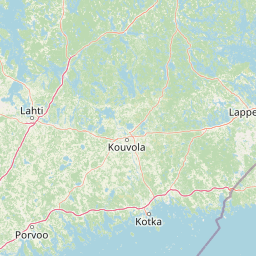
Use this park location map to pinpoint Eastern Gulf of Finland National Park in Finland, understand its exact geographic position, and read its mapped placement within the surrounding landscape more clearly.

Pigeon | © OpenStreetMap contributors

Location context for Eastern Gulf of Finland National Park

Kymenlaakso
Park atlas

Compare diverse protected landscapes and trace coastal park geography, exploring the maritime protected areas across Finland's Kymenlaakso region.

Discover Related National Parks and Protected Areas Surrounding Eastern Gulf of Finland National Park
Browse national parks and protected areas near Eastern Gulf of Finland National Park, featuring other island archipelagos, coastal landscapes, and distinct protected ecosystems. Expanding beyond one park provides geographic context, enabling comparison of diverse conservation efforts and unique landforms across Finland's Kymenlaakso region.
National parkKymenlaakso

Valkmusa National Park: Protected Area Atlas & Kymenlaakso Geography

Mapped natural landscape context within southeastern Finland.

Valkmusa National Park offers a unique opportunity for structured exploration of Finland's protected areas. Within the Kymenlaakso region, this national park presents a specific geographic identity for map-based discovery. Understand its protected landscape, mapped terrain, and regional context to build a comprehensive picture of southeastern Finland's natural geography through MoriAtlas.

Area
17 km²
Established
1996
IUCN
II
Visitors
20.3K annual
Watercolor illustration showing a landscape with mountains, a winding river, and patches of green vegetation and trees
National parkFinland

Repovesi National Park: Finland's Boreal Wilderness and Protected Landscape

Explore mapped terrain and regional geography.

Repovesi National Park represents a significant protected natural area in southeastern Finland, showcasing a landscape characterized by dense boreal forests, rolling hills, and numerous lakes. As one of Finland's most visited national parks, it offers a compelling example of conserved wilderness and natural terrain. This page details the park's protected landscape identity, its geographic setting within Finland, and the atlas-driven insights available for exploring its mapped boundaries and natural features.

Area
15 km²
Established
2003
IUCN
II
Visitors
100.9K annual
Watercolor illustration showing green trees, a river, and rolling hills under a soft sky
National parkUusimaa

Sipoonkorpi National Park: Protected Landscape and Geography in Uusimaa

Explore Finland's key national park and its natural terrain.

Discover Sipoonkorpi National Park, a vital protected landscape in Finland's Uusimaa region. This page offers detailed insight into its mapped boundaries, diverse boreal forests, extensive swamp areas, and the unique terrain that defines this significant natural area. Understand its role as one of the last undeveloped green spaces near the Helsinki metropolitan area and explore its geographic context within southern Finland.

Area
18.57 km²
Established
2011
IUCN
II
Visitors
165.5K annual
National park

Lahemaa National Park: Explore Estonia's Coastal Geography and Protected Landscape Atlas

Mapped terrain, bogs, and coastal peninsulas of a major protected area.

Delve into the detailed geography of Lahemaa National Park, Estonia's largest national park situated on the southern coast of the Gulf of Finland. This protected landscape encompasses a diverse range of terrain, from the deeply indented coastline and ancient glacial boulders to expansive raised bogs and rolling boreal forests. Understand the park's mapped boundaries and its significance as a premier destination for exploring distinct Baltic natural environments and historical coastal villages. The park's unique blend of natural features and cultural heritage makes it a key point of reference in any protected-area atlas.

Area
747 km²
Established
1971
IUCN
II
Relief
Lowland
Watercolor illustration of a lake, forests, and hills
National park

Alutaguse National Park: Eastern Estonia's Vast Peat Bog and Forest Protected Landscape

Mapping Protected Wetlands and Boreal Ecosystems in Estonia

Alutaguse National Park, a newly established national park in eastern Estonia, offers a unique atlas perspective on extensive peat bog ecosystems and boreal forests. Covering over 443 square kilometers, it represents some of the most intact wetland landscapes in the country. The park's creation unified eleven protected areas, safeguarding a critical habitat for rare species and showcasing the distinctive geography of the Alutaguse Lowland.

Area
443.31 km²
Established
2018
Relief
Lowland
Climate
Temperate
National parkUusimaa

Nuuksio National Park: Uusimaa Region Protected Landscape Atlas Entry

Mapped boundaries and geographic context for a Finnish National Park.

Access detailed geographic information and mapped boundaries for Nuuksio National Park, a protected national park within the Uusimaa region. This MoriAtlas entry provides context for understanding its landscape within Finland, focusing on atlas-style exploration and the identification of protected natural areas.

Area
53 km²
Established
1994
IUCN
II
Visitors
312.6K annual
National parkPäijät-Häme

Päijänne National Park: Mapped Island Archipelago in Finland's Päijät-Häme Region

Explore unique glacial geology and boreal island wilderness.

Päijänne National Park presents a compelling protected landscape for atlas discovery, focusing on its distinct archipelago character within Lake Päijänne, Southern Finland. This national park features numerous islands showcasing ancient geological formations, from rocky outcrops to sandy beach ridges and moraine formations. Its mapped terrain offers insights into glacial processes and the development of boreal island ecosystems. Navigate its unique island settings to understand the geographic context of this protected area in the Päijät-Häme region.

Area
14 km²
Established
1993
IUCN
II
Visitors
67K annual
Watercolor painting showing a lake surrounded by vegetation with rolling hills in the background
National parkKanta-Häme

Liesjärvi National Park: Protected Landscape in Kanta-Häme's Finnish Lakeland

Explore its mapped geography and protected area context.

Liesjärvi National Park is a designated national park situated in the Kanta-Häme region, a landscape rich with the characteristic features of southern Finland's Finnish Lakeland. This page serves as a focused entry point for understanding the park's protected status, its unique geographic setting, and its contribution to the regional atlas of natural landscapes. By examining Liesjärvi National Park, users gain insight into the mapped terrain and conservation efforts that define this part of Finland, fostering a deeper appreciation for protected areas.

Area
22 km²
Established
1956
IUCN
II
Visitors
57.3K annual

Common questions about visiting, size, designation, and location context for Eastern Gulf of Finland National Park

Eastern Gulf of Finland National Park FAQs for park facts, access, geography, and protected area context
Find quick answers about Eastern Gulf of Finland National Park, including protected-area facts, park geography, trail and visitor context, and how the park fits into its surrounding country and regional landscape.
MoriAtlas Explorer

Continue Your Protected Areas Search Across the Global Atlas

Deepen your exploration by continuing the structured search for national parks and protected areas worldwide. Utilize the comprehensive filtering capabilities to compare different conservation landscapes and refine your understanding of global park geography. Discover more about the distribution and characteristics of protected natural areas.

Global natural geography