
Why Nuuksio National Park stands out
Nuuksio National Park is best known for its high density of Siberian flying squirrels, which serve as the park’s emblematic species. The park protects a diverse array of endangered and near-threatened species across animals, plants, and fungi, including the European nightjar and woodlark. Its landscape of forested lake highlands, characterized by rugged hills, glacial ravines, and interconnected ponds, offers a distinctive natural environment relatively close to a major capital city. The combination of accessibility, biodiversity, and a relatively wild character within a metropolitan hinterland defines the park’s identity.
Nuuksio National Park history and protected-area timeline
Nuuksio National Park was established in 1994 as part of Finland’s expanding national park network. The park was created through the consolidation of several previously separate land holdings: the forest area of Tervalampi manor, which had functioned as a state-owned hiking area, combined with the Nuuksionpää outdoor recreation area and the southern portion of the Salmi outdoor recreation area. The latter two areas were acquired by the City of Helsinki during the 1960s. The remaining northern sections of the Salmi outdoor recreation area remain under city ownership adjacent to the national park. In 2013, the Finnish Nature Centre Haltia opened adjacent to the park in the Nuuksio district, providing visitor services, exhibitions on Finnish nature, and educational facilities.
Nuuksio National Park landscape and geographic character
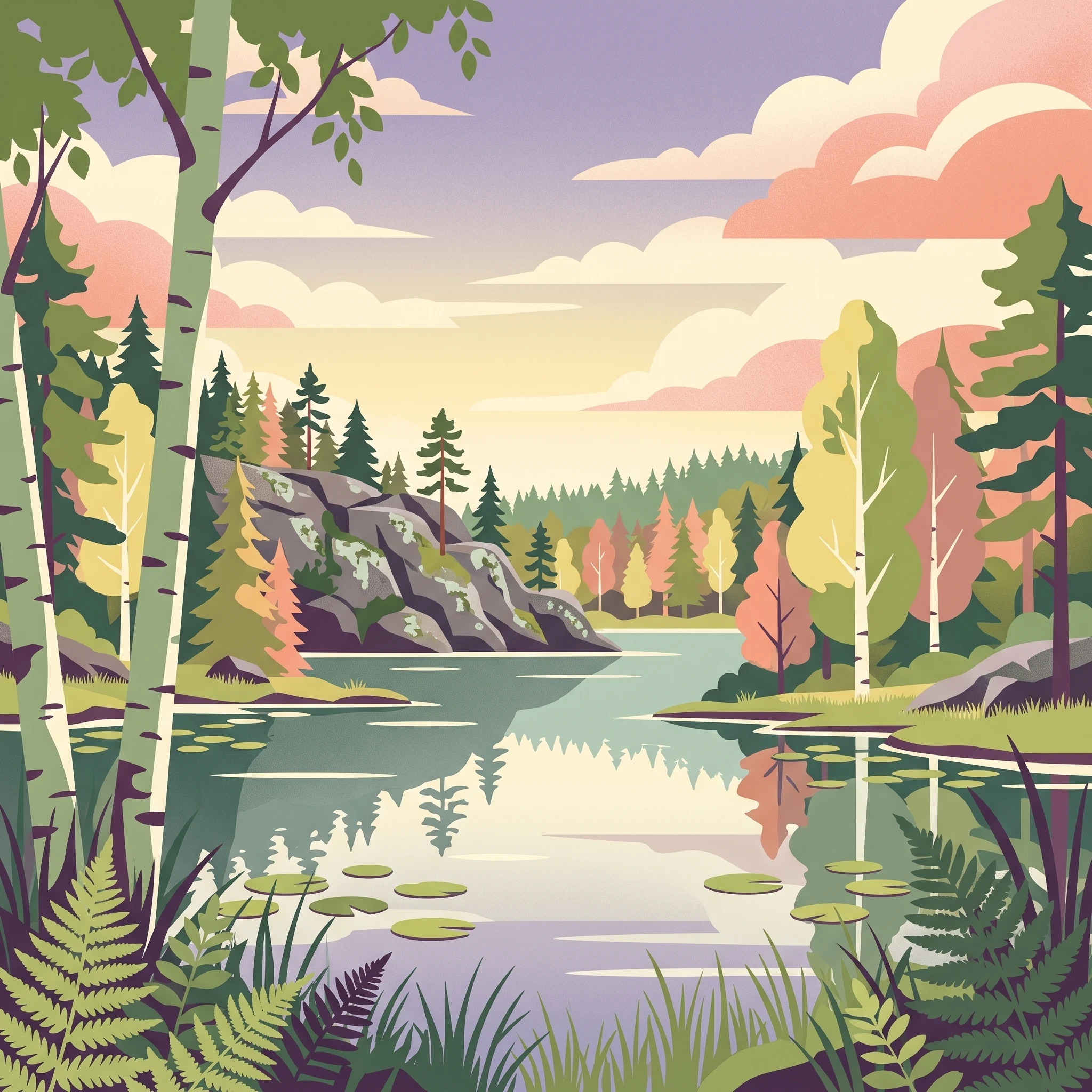
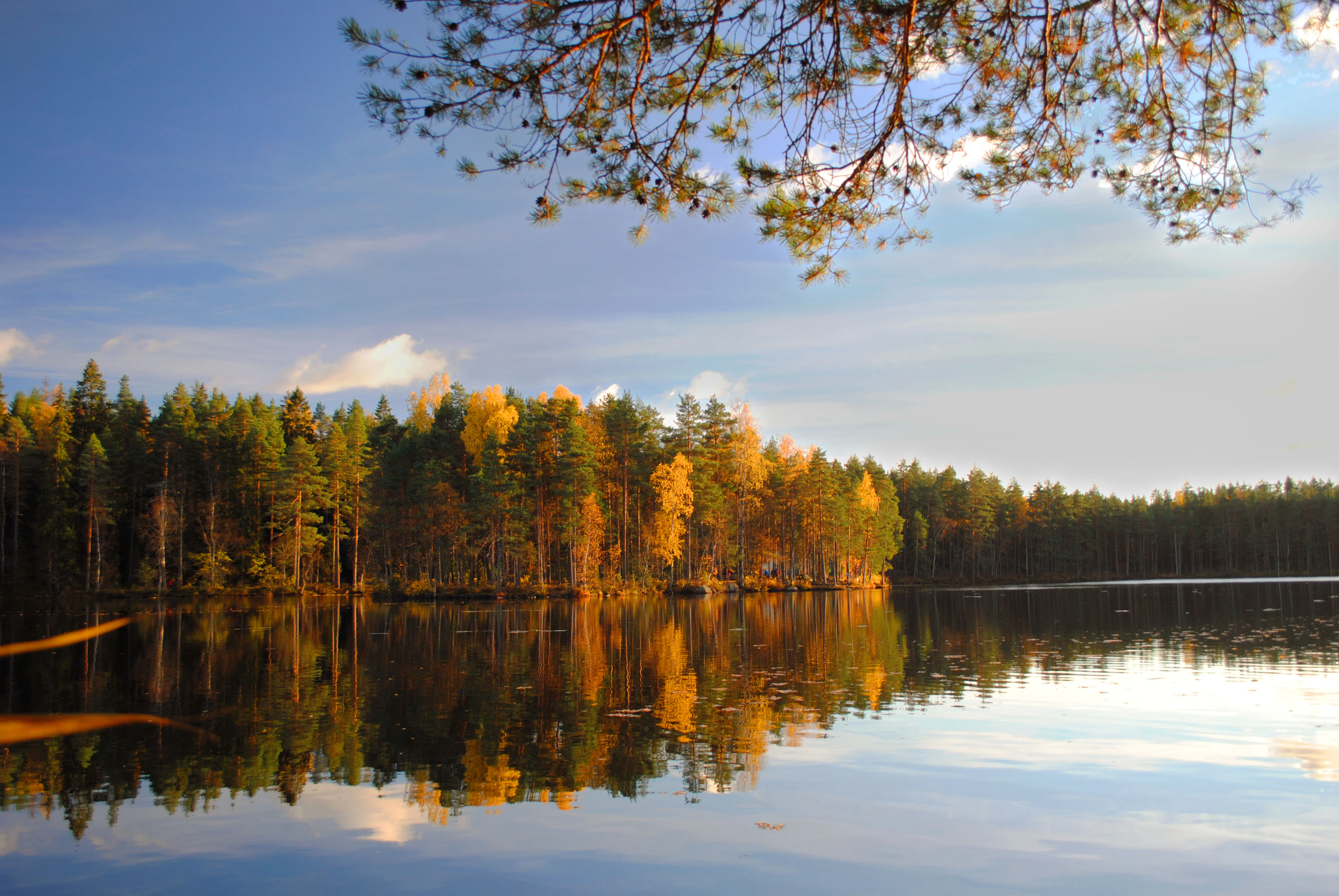
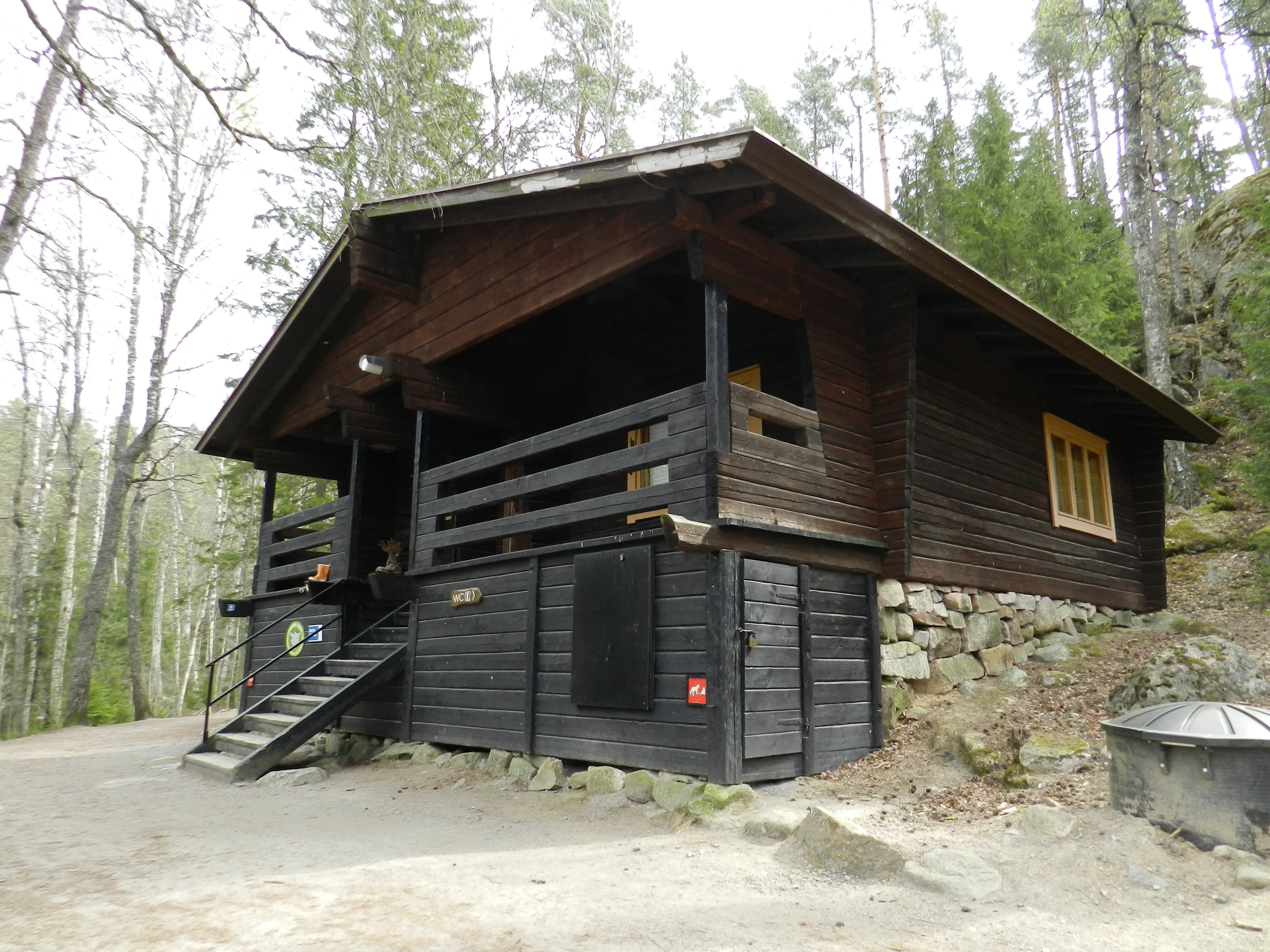
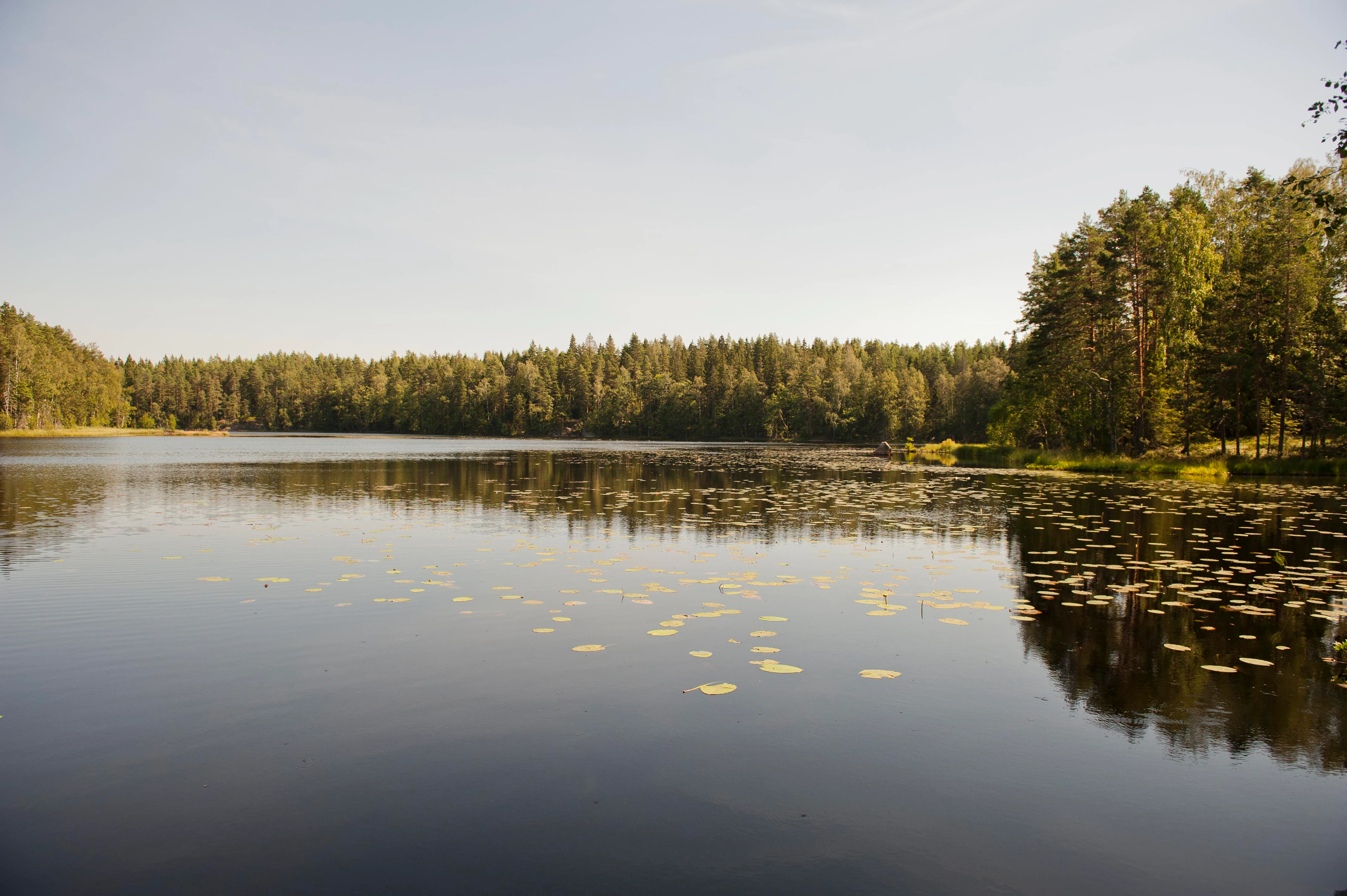
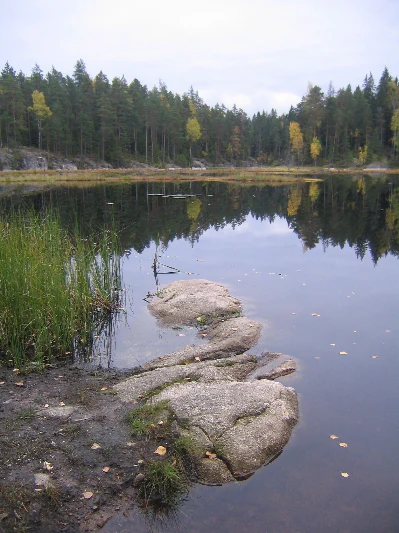
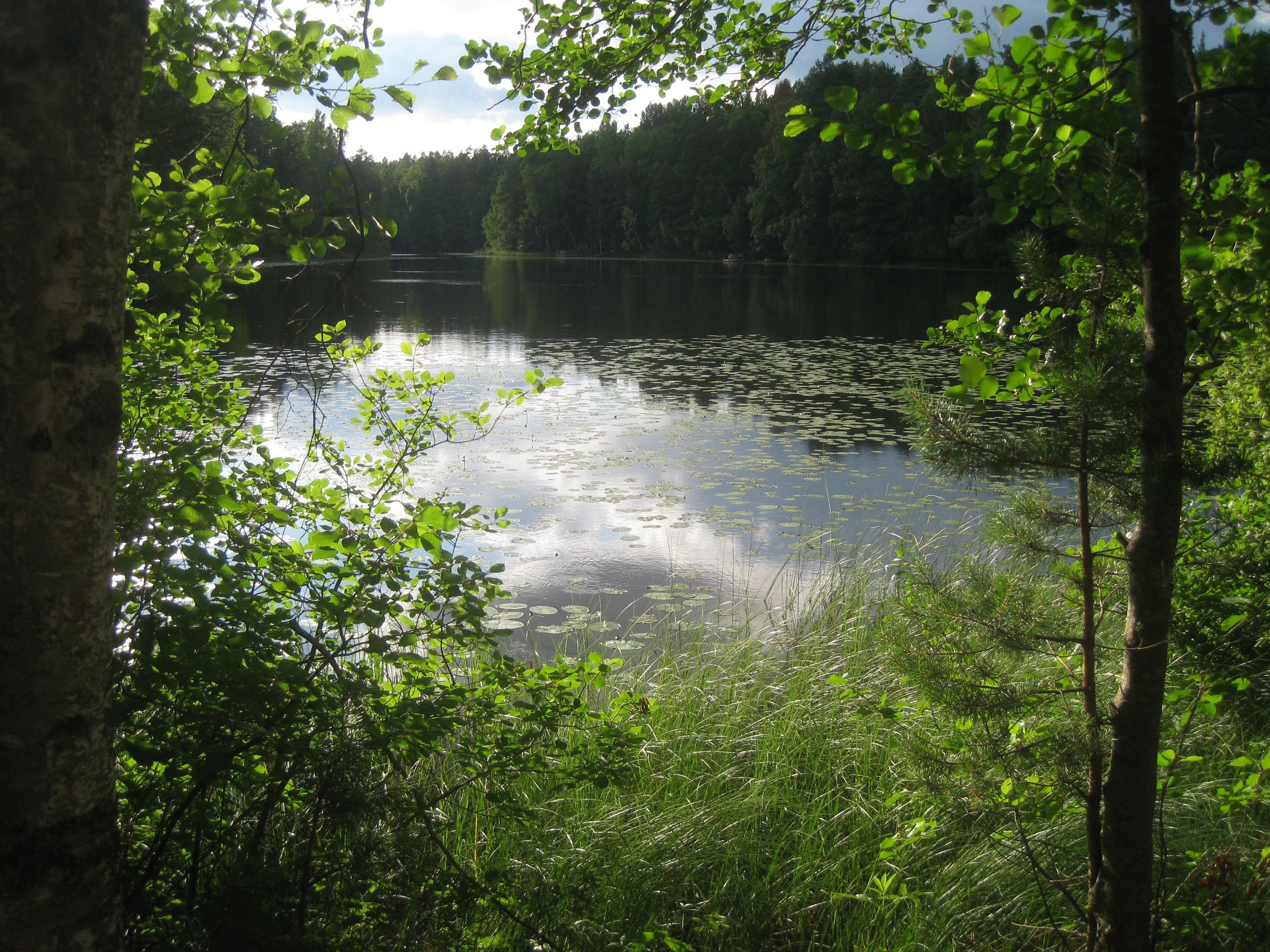
The physical landscape of Nuuksio National Park is defined by its position as the westernmost part of the Nuuksio Lake Upland. Glacial processes during the Weichselian glaciation produced the characteristic terrain of broad valleys, deep ravines, and rugged rocky hills that dominate the park’s topography. The highest points reach approximately 110 meters above sea level, while the lower valleys contain the numerous lakes that give the area its name. Rocky exposures on hills are typically covered in lichen and support sparse pine woodland. The park’s lakes, including prominent bodies such as Nuuksion Pitkäjärvi along the southeastern boundary and Tervalampi in the western portion, are connected by small streams and surrounded by forested margins. Bog areas and meadow habitats add ecological and visual diversity to the predominantly forested terrain.
Nuuksio National Park ecosystems, habitats, and plant life
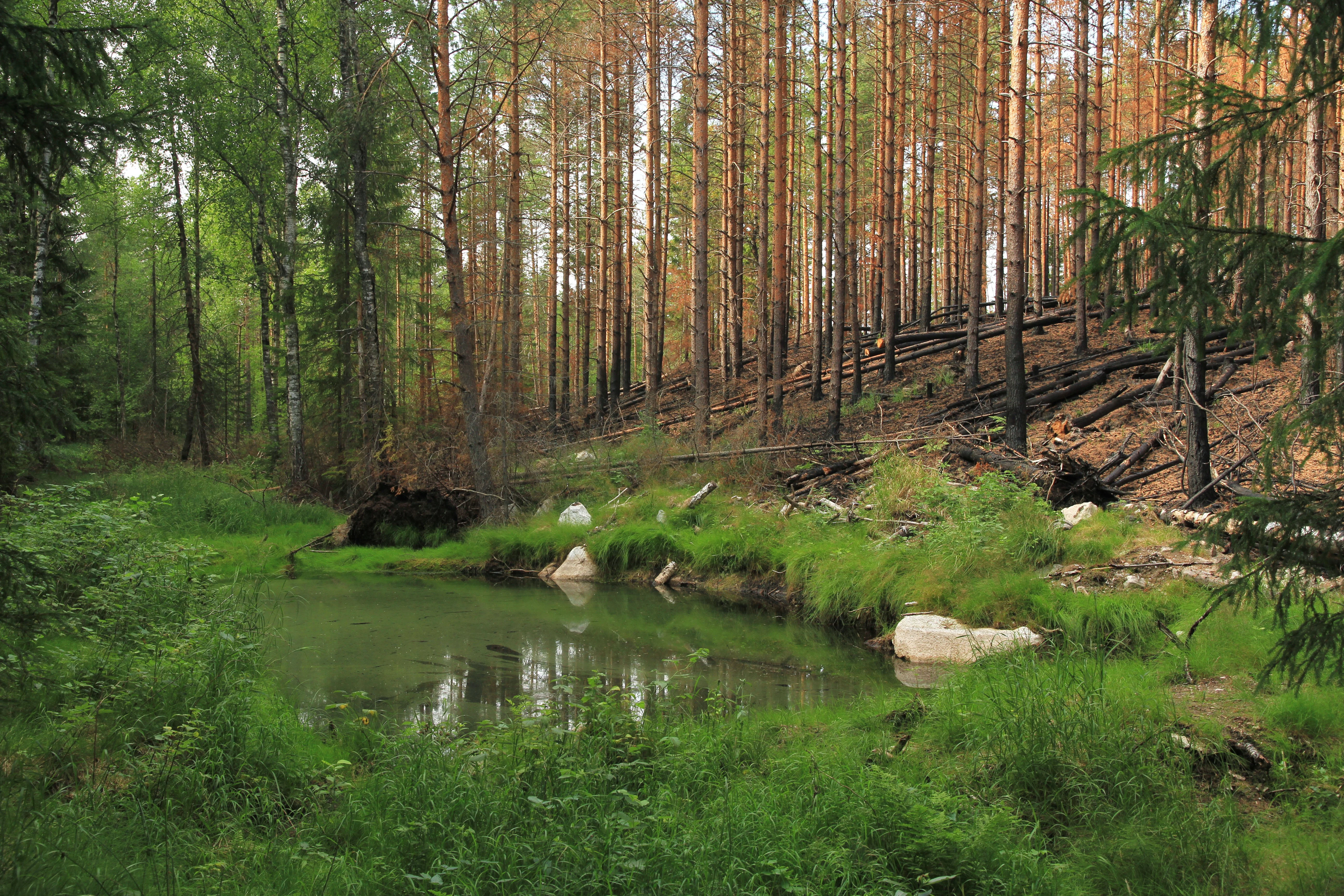
The ecological character of Nuuksio National Park centers on a boreal forest and lake ecosystem that supports notable biodiversity. The park contains old-growth forest patches, bog wetlands, and heritage meadow biotopes that together provide varied habitats. The interconnected lake system creates a mosaic of aquatic and terrestrial environments supporting diverse plant and animal communities. The park is notable for the presence of numerous endangered or near-threatened species, reflecting the ecological value of maintaining this near-natural landscape within a densely populated region. The combination of forest types, wetland areas, and the lake network creates a relatively intact ecological unit that serves as an important green corridor for species movement through the Helsinki metropolitan area.
Nuuksio National Park wildlife and species highlights
Nuuksio National Park supports significant wildlife populations, most notably the Siberian flying squirrel, which has been adopted as the park’s emblem due to its exceptionally high population density within the protected area. The park is home to several bird species of conservation concern, including the European nightjar and the woodlark, both of which inhabit the open forest and heathland habitats found in the park. The diversity of habitats, from rocky pine-covered hills through forested lake margins to wetland bogs, supports a range of fauna. The presence of dozens of endangered or near-threatened animal, plant, and fungal species underscores the park’s importance as a biodiversity refuge in southern Finland.
Nuuksio National Park conservation status and protection priorities
The conservation significance of Nuuksio National Park derives from its role in protecting a near-natural forest and lake landscape within one of Finland’s most densely populated regions. The park preserves habitat for numerous endangered and near-threatened species across multiple taxonomic groups, including the emblematic Siberian flying squirrel, which reaches particularly high densities here. The protected area functions as an ecological corridor connecting green spaces throughout the Helsinki metropolitan region, allowing for species movement and maintaining ecological connectivity. As one of Finland’s national parks managed by Metsähallitus, Nuuksio receives formal protection under national conservation frameworks and contributes to Finland’s commitments to biodiversity preservation.
Nuuksio National Park cultural meaning and human context
The Nuuksio area carries cultural significance as part of theEspoo region’s historical landscape. The park’s name derives from the Nuuksio district of Espoo, reflecting the local toponymic heritage. The historical land use patterns are evident in the heritage biotopes, including meadows, preserved within the park boundaries. The former Tervalampi manor lands and the outdoor recreation areas established by the City of Helsinki in the 1960s represent more recent cultural layers in the landscape’s history. The Finnish Nature Centre Haltia, opened in 2013, serves as a contemporary cultural facility that connects visitors to Finnish nature and the history of national parks in the country.
Top sights and standout views in Nuuksio National Park
Nuuksio National Park offers a distinctive combination of accessibility and wild character within the Helsinki region. The park’s eight marked hiking trails traverse diverse terrain through forested lake landscapes, with routes ranging from casual 1.5-kilometer loops to challenging 17-kilometer circuits. The high density of Siberian flying squirrels provides a unique wildlife observation opportunity, while the network of thirty lakes creates scenic variety throughout the seasons. The Finnish Nature Centre Haltia provides an excellent visitor introduction to the park’s natural values. Autumn brings particularly notable coloration to the deciduous and coniferous forests, while the winter months offer skiing opportunities on designated trails.
Best time to visit Nuuksio National Park
Nuuksio National Park can be enjoyed throughout the year, with each season offering a distinct character. Summer and early autumn typically provide the most accessible hiking conditions, with fully operational trail networks, accessible camping areas, and warm weather suitable for outdoor recreation. The autumn season, known locally as ruska, transforms the landscape with vivid coloration as deciduous trees change, offering particularly scenic hiking experiences. Winter brings snow cover and opportunities for cross-country skiing on maintained trails, though some facilities operate on reduced schedules. Spring offers emerging vegetation and migratory bird activity, while the relatively mild southern Finnish climate allows for year-round visitation. The park’s proximity to Helsinki makes it suitable for day visits in any season.