
Why Torronsuo National Park stands out
Torronsuo is best known for its exceptional raised bog ecosystem, one of the most pristine and visually striking in Finland. The ombrotrophic bog, where all water and nutrients come from precipitation, creates a distinctive dome-shaped landscape with the central peat mass rising notably above its margins. The park is renowned for its northern bird species that nest here at the southern edge of their range, and for the remarkable butterfly diversity that thrives in this specialized habitat. The two observation towers, particularly the 17-meter Kiljamo scenic tower, provide sweeping views across the endless bog expanse, making the park a favorite destination for nature photography and birdwatching.
Torronsuo National Park history and protected-area timeline
Torronsuo National Park was established in 1990, though the area had already received protected status before this designation as a near-natural state swamp area. The formal national park status elevated the protection of this already-valuable ecosystem and brought it under the management framework of Metsähallitus, Finland's parks and wildlife service. In 1997, a significant event shaped part of the park's eastern edge when the Tammela large forest fire burned a portion of the protected area. While fire crews successfully prevented the blaze from spreading further into the core bog area, the burned forest was left standing and allowed to regenerate naturally, demonstrating the park's commitment to natural ecological processes. A portion of the burned area was subsequently incorporated into the national park boundaries. The same year saw the construction of the Idänpäänkallio observation tower in the southern part of the park, built largely through volunteer efforts by the local Torro village committee. This community involvement reflects the strong local connection to the park and its landscape.
Torronsuo National Park landscape and geographic character
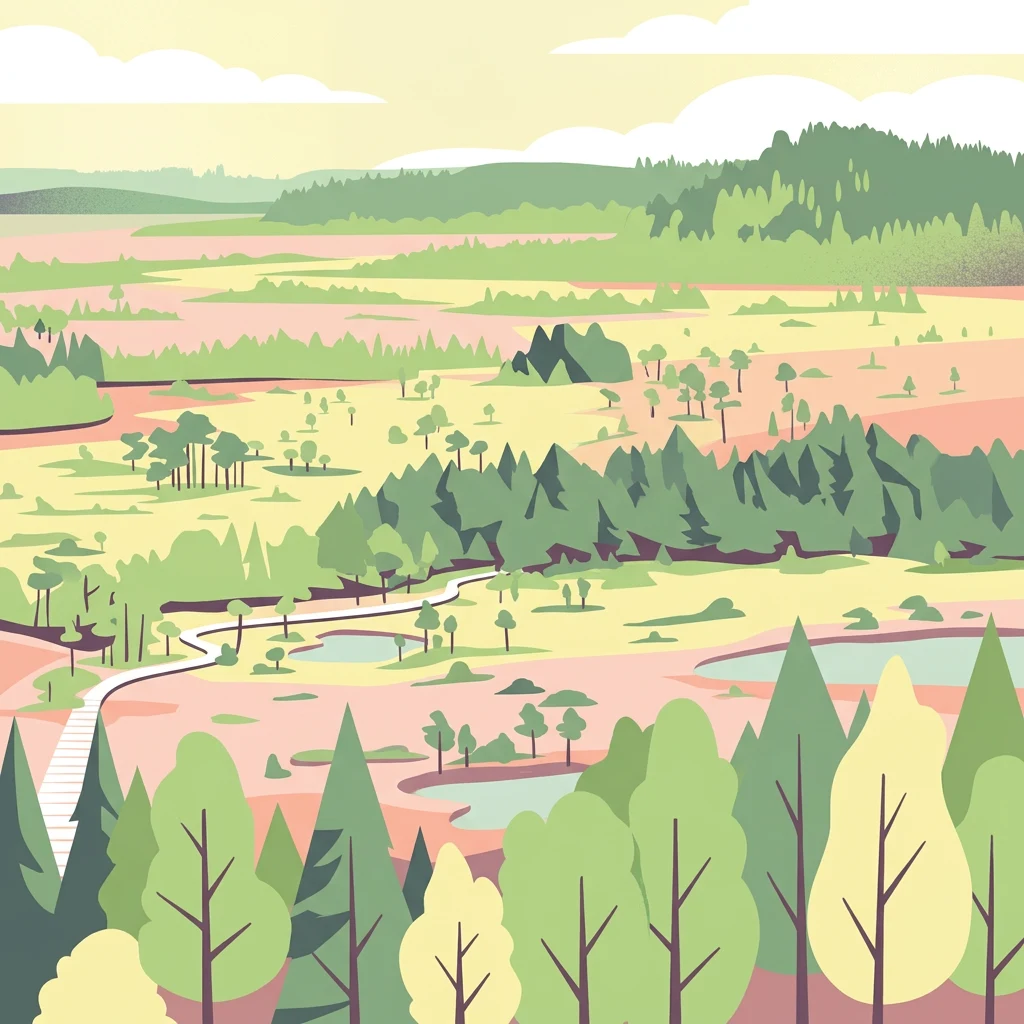
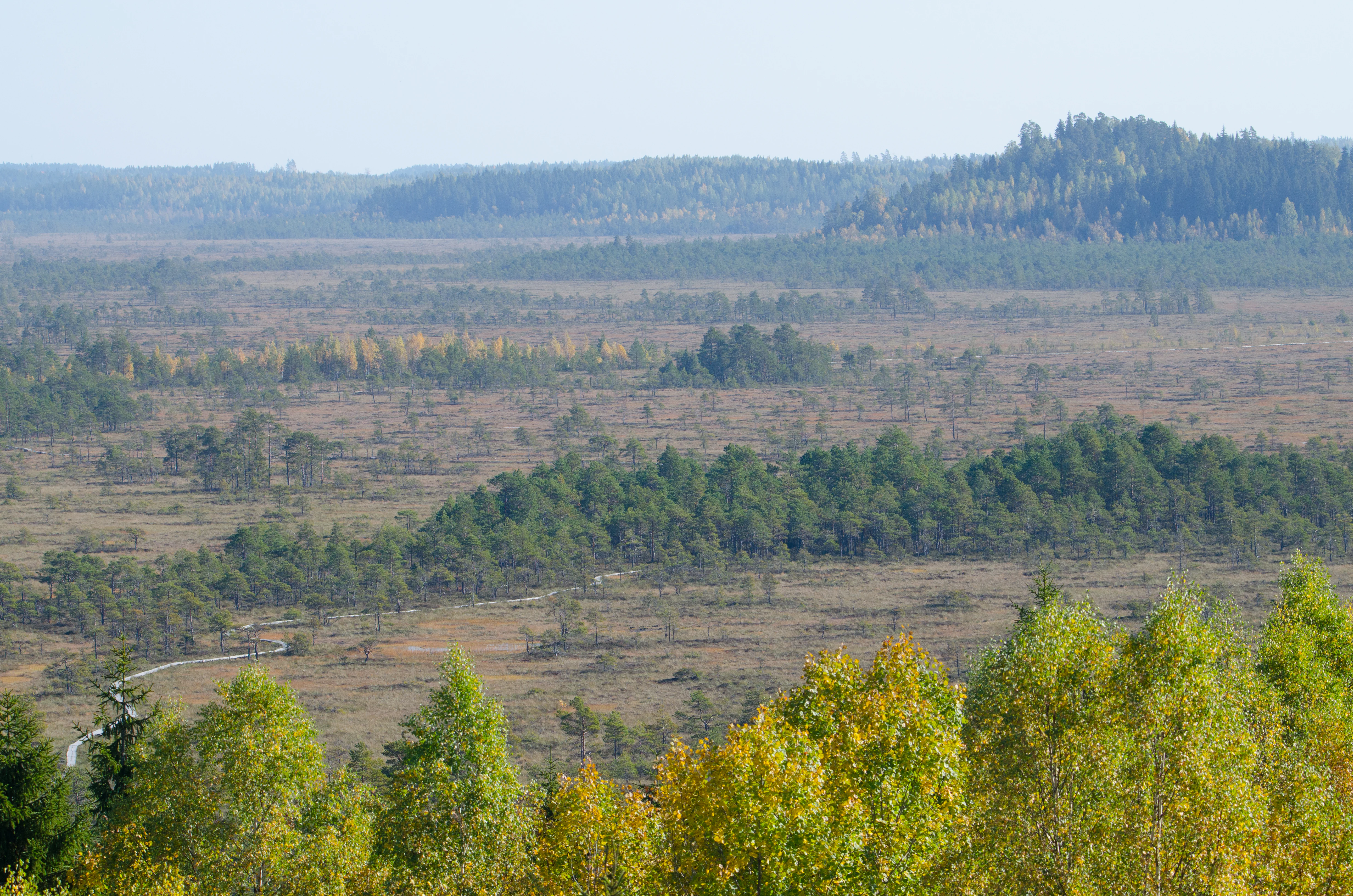
The landscape of Torronsuo is defined by its classic raised bog formation, one of the most characteristic and visually distinctive wetland types in northern Europe. The bog's surface displays the domed profile typical of ombrotrophic bogs, where the central peat accumulation rises several meters above the surrounding marginal areas. This topography creates a subtle but unmistakable elevation change as visitors move from the bog margins toward its center. The peat layer here ranks among the thickest ever measured in Finnish bogs, locally reaching 12 meters in depth. The bog surface supports a cover of sphagnum mosses, cotton grass, and dwarf shrubs, creating a mostly open landscape with scattered pine trees at the margins. Between the wet bog中心和 drier hummocks, the terrain creates a subtle mosaic of microhabitats. The park includes small islands of drier ground, such as the Kiljamo area that serves as the main visitor access point, where the terrain transitions to forest. The landscape gains additional interest from the old quartz quarry at Härksaare, a reminder of human interaction with this seemingly remote environment.
Torronsuo National Park ecosystems, habitats, and plant life
The nature of Torronsuo centers on its raised bog ecosystem, a habitat of high conservation value across Europe. The ombrotrophic bog receives all its water and nutrients exclusively from precipitation, creating acidic, nutrient-poor conditions that support a specialized plant community adapted to these challenging circumstances. The sphagnum moss layer forms the living carpet that builds the peat over time, while cotton grass, Andromeda, and various cranberry and blueberry species dominate the vascular plant cover. The park's ecological significance is enhanced by its position in southern Finland, where many northern species reach the southern limit of their range. This biogeographical positioning creates an unusual mix of species, with some bird and insect species present here that are rarely encountered in the more populated southern Finnish landscapes. The plant community also includes species characteristic of both southern and northern Finland, reflecting the transitional nature of the location.
Torronsuo National Park wildlife and species highlights
Torronsuo supports remarkably diverse wildlife for a bog ecosystem, with approximately 100 bird species nesting within the park boundaries. The bird community includes several species that are more typical of northern Finnish forests and wetlands, making their presence here at the southern edge of their range particularly notable. These northern species find suitable habitat in the bog's open landscapes and the surrounding mire forests. The park is also significant for butterfly species, with the specialized bog environment supporting populations that depend on this increasingly rare habitat type. The diverse insect community contributes to the ecological web that sustains the park's bird life. While larger mammals use the area, the primary wildlife interest centers on the bird and invertebrate populations that define the park's ecological character. The observation towers provide excellent opportunities for birdwatching, particularly during the breeding season when activity peaks across the bog.
Torronsuo National Park conservation status and protection priorities
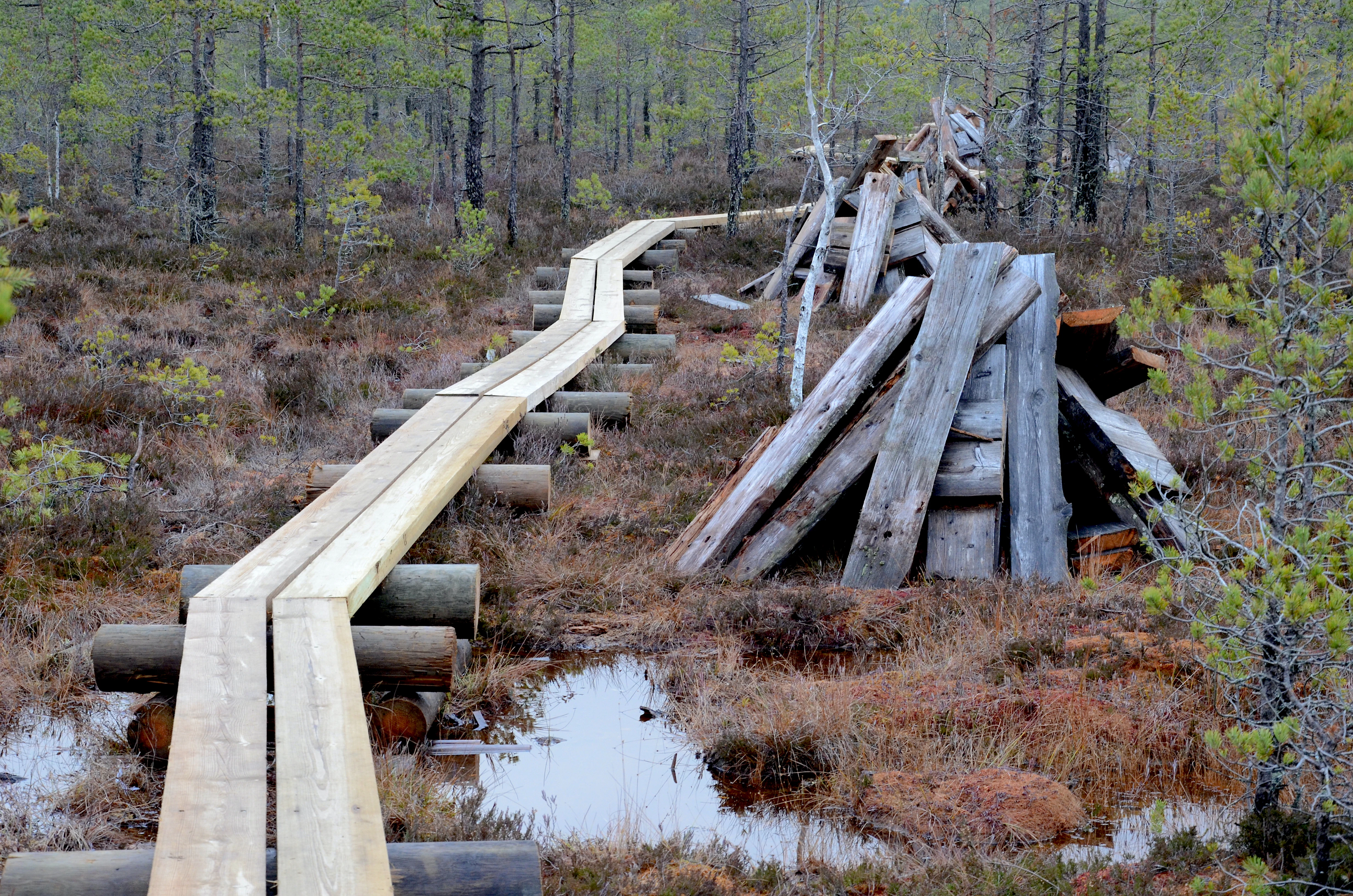
Torronsuo holds Ramsar Convention status as a Wetland of International Importance, reflecting its significance within the global network of protected wetlands. The park protects one of Finland's finest raised bog examples, a habitat type that has declined dramatically across Europe due to drainage, peat extraction, and forestry. The ombrotrophic bog ecosystem represents a increasingly rare landscape, making conservation of areas like Torronsuo essential for maintaining biodiversity. The park's protected status ensures the continuation of natural processes that sustain the bog, including the ongoing accumulation of peat that maintains the ecosystem's ecological character. The presence of northern species at their southern range limit adds conservation value, as these populations depend on the park for breeding habitat that cannot be easily replicated elsewhere. Metsähallitus manages the park with a focus on maintaining natural ecological processes while providing sustainable recreational access through the boardwalk trail system.
Torronsuo National Park cultural meaning and human context
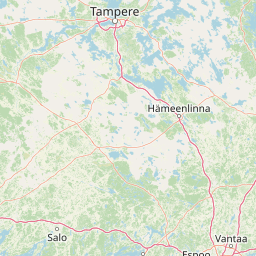
Torronsuo lies within the municipality of Tammela in the Kanta-Häme region of southern Finland, an area with strong connections to the traditional Finnish landscape of forests, lakes, and wetlands. The local village of Torro provides the historical human context for the park's eastern section, and the community has maintained an active relationship with the protected area. The Idänpäänkallio observation tower in the park's southern section was built in 1997 largely through volunteer efforts organized by the Torro village committee, demonstrating local stewardship of the park. The old quartz quarry at Härksaare reflects historical mineral extraction that occurred in the area before national park designation. The park's Finnish name, Torronsuon kansallispuisto, directly translates as Torronsuo National Park, using the Finnish nomenclature common for Finland's protected areas. The region's cultural landscape reflects generations of human interaction with the forest and wetland environments that dominate southern Finland.
Top sights and standout views in Torronsuo National Park
Torronsuo National Park offers several standout features that make it a distinctive destination within Finland's protected area network. The raised bog landscape, with its thick peat layers reaching 12 meters, represents one of the most impressive bog formations in the country. The two observation towers provide exceptional panoramic views across the bog expanse, with the 17-meter Kiljamo tower being the most prominent. The park's birdlife, with approximately 100 nesting species including northern species at their southern range limit, makes it a premier birdwatching destination. The extensive boardwalk trail network allows visitors to explore the bog safely while protecting the sensitive ecosystem, with routes ranging from 1.5 kilometers to 10 kilometers in length. The presence of significant butterfly populations adds entomological interest. The Ramsar designation underscores the park's international conservation significance.
Best time to visit Torronsuo National Park
The best time to visit Torronsuo National Park depends on the experience sought, but the park offers meaningful experiences across multiple seasons. Spring and early summer bring the peak of bird activity as nesting species establish territories across the bog, making late May and June excellent for birdwatching. The cotton grass blooming in early summer creates distinctive white patches across the bog landscape. Summer months offer the warmest conditions for hiking the boardwalk trails, though mosquitoes can be prevalent. Autumn brings the bog's colors as the dwarf shrubs turn red and orange, creating striking visual contrast against the green sphagnum. Winter transforms the landscape into a silent white wilderness, and the park maintains ski trails for winter recreation. The observation towers provide good views in most seasons, though winter's snow and ice require appropriate equipment. The 58,600 annual visitors are distributed across the year, with summer months typically seeing the highest visitation.