Mori Atlas logo
National parkPuurijärvi-Isosuo National Park

An authoritative view of Puurijärvi-Isosuo National Park's geographic identity and protected area context.

Puurijärvi-Isosuo National Park: Mapping Protected Landscapes in Pirkanmaa, Finland

Puurijärvi-Isosuo National Park represents a distinct protected landscape within the Pirkanmaa region of southern-central Finland. As a designated national park, its mapped boundaries define a significant natural area for atlas-based exploration. This page provides focused geographic context, allowing for detailed study of Puurijärvi-Isosuo National Park's unique landscape features and its role within the broader Finnish protected areas network.

wetlandsmiresnational parkFinlandfreshwater ecosystemsbirdwatching

Puurijärvi-Isosuo National Park

National park

Park overview

Structured park overview, official facts, and landscape profile for Puurijärvi-Isosuo National Park

Puurijärvi-Isosuo National Park park facts, protected area profile, and essential visitor context
Review the core facts for Puurijärvi-Isosuo National Park, including designation, size, terrain, visitor scale, habitats, and operating context in one park-focused overview.

About Puurijärvi-Isosuo National Park

Puurijärvi-Isosuo National Park protects a remarkable wetland ecosystem in southwestern Finland, where the convergence of Puurijärvi lake, extensive peat mires, and the Kokemäenjoki river delta creates a landscape of significant ecological importance. The park was established in 1993 to preserve these wetlands in their near-natural state, representing Finland's commitment to protecting freshwater habitats and the biodiversity they support. The Kokemäenjoki river, one of Finland's major waterways, has maintained its alluvial character through this area, creating a complex of marshes, swamps, and lake basins that function as a natural water filtration and flood regulation system. Visitors to the park can explore the wetland environment through a network of trails and boardwalks that allow observation of the mires, waterfowl, and distinctive boreal wetland vegetation without disturbing sensitive habitats. The park serves both as a conservation area for wetland biodiversity and as an educational resource demonstrating the ecological and cultural significance of Finland's freshwater systems.

Quick facts and research context for Puurijärvi-Isosuo National Park

Puurijärvi-Isosuo National Park is located in southwestern Finland in the Pirkanmaa and Satakunta regions, approximately 60 kilometers northeast of the city of Pori. The protected area covers 27 square kilometers, making it a medium-sized Finnish national park focused primarily on wetland conservation. The landscape is dominated by the Puurijärvi lake, extensive peat mires and swamp forests, and the delta area where the Kokemäenjoki river meets the wetland system. The park was established in 1993 and is managed by Metsähallitus, Finland's state-owned natural resources management agency.

Park context

Deeper park guide and search-rich context for Puurijärvi-Isosuo National Park

Puurijärvi-Isosuo National Park history, landscape, wildlife, and travel context
Explore Puurijärvi-Isosuo National Park through its history, landscape character, ecosystems, wildlife, conservation priorities, cultural context, and seasonal travel timing in a structured park guide built for atlas discovery and search intent.

Why Puurijärvi-Isosuo National Park stands out

Puurijärvi-Isosuo is best known for its extensive wetland ecosystems, particularly the large swamp areas and the Puurijärvi lake that form the core of the protected area. The park protects one of Finland's most significant wetland complexes, where the almost-natural state of the Kokemäenjoki river's alluvial shores represents exceptional conservation value. The mires and wetlands here support important bird populations and represent the traditional Finnish landscape of lakes, mires, and river systems that once covered much of the country's southwestern interior.

Puurijärvi-Isosuo National Park history and protected-area timeline

Puurijärvi-Isosuo National Park was established in 1993 as part of Finland's national park expansion program during the early 1990s. The creation of the park reflected growing recognition of the ecological importance of Finland's wetland systems and the need to protect remaining near-natural freshwater areas. The park was designated to preserve the Puurijärvi lake area, the extensive Isosuo mire complex, and the riverine ecosystems associated with the Kokemäenjoki. The establishment also responded to concerns about wetland drainage and modification that had reduced Finland's wetland areas significantly during the twentieth century. Since its designation, the park has been managed by Metsähallitus, which oversees both conservation objectives and public access opportunities.

Puurijärvi-Isosuo National Park landscape and geographic character

The physical landscape of Puurijärvi-Isosuo is dominated by wetland environments characteristic of Finnish lake districts. The Puurijärvi lake forms a central water body surrounded by extensive peat-producing mires, which accumulate organic material in the cool, moist Finnish climate to create the bog and swamp environments that define much of the park's character. The Kokemäenjoki river traverses the area with its floodplain and alluvial shores, creating a dynamic wetland system where water levels fluctuate and seasonal flooding maintains the ecological character of marshes and wet meadows. The terrain is generally flat with minimal elevation change, typical of Finnish lake-mire landscapes. Wetland vegetation includes sedge communities, mosses, and wetland-forest margins where pine and birch occur on drier microsites.

Puurijärvi-Isosuo National Park ecosystems, habitats, and plant life

The ecological character of Puurijärvi-Isosuo centers on freshwater wetland ecosystems that are increasingly rare in Finland's modified landscape. The mires represent ombrotrophic and minerotrophic peatlands that develop in the Finnish climate, supporting distinctive vegetation communities adapted to waterlogged, nutrient-poor conditions. The lake and river systems provide open water habitats, while the transitional zones between open water, marsh, and swamp forest create diverse ecological niches. The wetland complex functions as a natural water treatment system, filtering nutrients and sediments from the Kokemäenjoki as it passes through the delta area. These ecosystems support characteristic Finnish biodiversity, including plant species adapted to mire environments and invertebrate communities that thrive in freshwater wetlands.

Puurijärvi-Isosuo National Park wildlife and species highlights

Puurijärvi-Isosuo supports significant wildlife populations associated with wetland habitats. The wetland complex provides crucial breeding and foraging grounds for waterfowl species, including various duck species that utilize the lake and marsh areas during the breeding season. The diverse habitat structure, with its combination of open water, emergent vegetation, and forest margins, supports bird communities typical of Finnish wetland areas. The mires and surrounding wetlands also provide habitat for small mammals and amphibian species adapted to moist environments. The near-natural state of the Kokemäenjoki alluvial area supports ecological processes important for fish populations in the river system.

Puurijärvi-Isosuo National Park conservation status and protection priorities

Puurijärvi-Isosuo represents important conservation value as one of Finland's protected wetland areas where natural processes continue largely uninterrupted. The protection of the Puurijärvi lake and Isosuo mire complex preserves habitat that has become increasingly scarce through wetland drainage and modification across Finland. The near-natural condition of the Kokemäenjoki alluvial shores demonstrates successful long-term protection of riverine ecosystems. The park contributes to Finland's network of protected areas that preserve the country's characteristic lake and wetland landscapes, supporting biodiversity conservation and ecosystem service provision including water purification, flood regulation, and carbon storage in peat soils.

Puurijärvi-Isosuo National Park cultural meaning and human context

The Kokemäenjoki river valley has historical significance in Finnish settlement and land use patterns, though the park itself focuses on natural ecosystem preservation. The wetland landscape reflects traditional Finnish relationships with freshwater environments, where lakes, rivers, and mires provided resources, transportation routes, and shaped settlement patterns. The park area represents the broader Finnish cultural landscape of lake districts and wetland systems that have influenced regional identity and land use practices.

Top sights and standout views in Puurijärvi-Isosuo National Park

Puurijärvi-Isosuo National Park offers visitors access to one of Finland's significant wetland wilderness areas, where the Puurijärvi lake and extensive mire landscapes create a distinctive environment different from Finland's more famous forest and fell parks. The park provides excellent opportunities for birdwatching and wildlife observation in wetland habitats. The network of trails and boardwalks allows visitors to experience the mire landscape safely while minimizing impact on sensitive ecosystems. The near-natural Kokemäenjoki river delta area represents a rare example of an unmodified Finnish river system.

Best time to visit Puurijärvi-Isosuo National Park

The best time to visit Puurijärvi-Isosuo National Park is during the Finnish summer months from June through August, when warm weather allows full access to trail systems and the wetland environment is at its most accessible. Summer provides long daylight hours and the opportunity to observe breeding waterfowl and wetland bird species. The shoulder seasons of late spring and early autumn also offer rewarding visits, though trail conditions may be wetter and access more limited. Winter visits are possible but the wetland terrain becomes difficult to traverse, and the frozen landscape offers a very different experience of the park's character.
Park location guide

Geography guide, regional context, and park location map for Puurijärvi-Isosuo National Park

Puurijärvi-Isosuo National Park park geography, regions, and map view in Finland
Understand where Puurijärvi-Isosuo National Park sits in Finland through a broader geographic reading of the surrounding landscape, nearby location context, and its mapped position within the national park landscape.

How Puurijärvi-Isosuo National Park fits into Finland

Finland, officially the Republic of Finland, is a Nordic country in Northern Europe with a population of 5.6 million. It borders Sweden, Norway, and Russia, with the Gulf of Bothnia to the west and the Gulf of Finland to the south. The country gained independence from Russia in 1917 and is a unitary parliamentary republic. Its landscape is characterized by extensive boreal forests and over 180,000 lakes.

Wider geography shaping Puurijärvi-Isosuo National Park in Finland

Finland is located in Northern Europe, occupying a peninsula bordered by the Gulf of Bothnia to the west and the Gulf of Finland to the south. It shares land borders with Sweden to the northwest, Norway to the north, and Russia to the east. The terrain is predominantly flat with extensive forest coverage and numerous lakes.

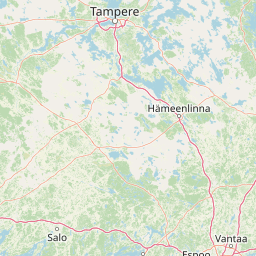
Map view of Puurijärvi-Isosuo National Park

Use this park location map to pinpoint Puurijärvi-Isosuo National Park in Finland, understand its exact geographic position, and read its mapped placement within the surrounding landscape more clearly.

Pigeon | © OpenStreetMap contributors

Location context for Puurijärvi-Isosuo National Park

PirkanmaaSatakunta
Park atlas

Trace the geographic spread of Finland's protected wetland landscapes and other natural areas for broader comparison.

Explore Other National Parks and Protected Areas Beyond Puurijärvi-Isosuo National Park
Browse national parks and protected areas near Puurijärvi-Isosuo National Park, encompassing Finland's extensive wetland regions and lake district geography. This contextualized view helps compare diverse conservation landscapes and trace the unique spread of protected freshwater ecosystems across the country.
Watercolor painting showing green hills, trees, and a stream in a landscape
National parkSouthwest Finland

Kurjenrahka National Park: Southwest Finland's Protected Landscape Atlas Entry

Discover geographic context and park boundaries.

Delve into Kurjenrahka National Park, a designated national park situated in Southwest Finland. This page provides an atlas-focused view of the park, detailing its protected landscape identity, mapped terrain, and its specific geographic location within the broader Finnish region. Understand the park's ecological context and its significance as a key protected area for regional geographic exploration.

Area
29 km²
Established
1998
IUCN
II
Visitors
66.8K annual
Watercolor illustration of a landscape featuring a body of water, trees, and distant mountains
National parkKanta-Häme

Torronsuo National Park: Explore Finland's Exceptional Raised Bog Ecosystem and Kanta-Häme Geography

Discover mapped peatlands, unique birdlife, and protected boreal wilderness.

Torronsuo National Park stands as a testament to Finland's remarkable wetland conservation efforts, presenting a striking example of a raised bog ecosystem. Located within the Kanta-Häme region, this national park is celebrated for its vast, domed peat landscape, some of the thickest peat layers ever measured in Finland, and its status as a Ramsar-designated wetland. The park's protected status ensures the preservation of its unique natural terrain, which supports a rich diversity of northern bird species and specialized bog flora, making it a significant area for ecological and geographic exploration.

Area
25.5 km²
Established
1990
IUCN
II
Visitors
58.6K annual
National parkSouthwest Finland

Bothnian Sea National Park: Southwest Finland's Coastal Protected Landscape

Mapped geography and regional protected area context.

Bothnian Sea National Park stands as a significant protected landscape situated within the extensive island formations of Southwest Finland's Archipelago Sea. This page provides an atlas-focused view of the national park, detailing its geographic spread, mapped boundaries, and its place within the regional context of Varsinais-Suomi. Understand the protected area's unique coastal identity and its contribution to the mapped natural terrain of southern Finland, facilitating structured discovery and geographic exploration.

Area
917 km²
Established
2011
IUCN
II
Visitors
79.4K annual
Watercolor painting of a lake surrounded by trees with a colorful sky.
National parkFinland

Seitseminen National Park: Ancient Boreal Forests and Vast Mire Systems in Finland

Explore mapped terrain and protected wilderness landscapes.

Seitseminen National Park represents a significant protected area in western Finland, characterized by classic boreal forest ecosystems interspersed with extensive mire and bog landscapes. The park's geography includes the notable Seitsemisharju esker, contributing to its diverse terrain. As a sanctuary for ancient forests, including the historic Multiharju primeval forest, Seitseminen offers a unique focus for understanding Finnish protected wilderness and its mapped geographic features within the Nordic context.

Area
45.5 km²
Established
1982
IUCN
II
Visitors
42.3K annual
Watercolor painting showing a lake surrounded by vegetation with rolling hills in the background
National parkKanta-Häme

Liesjärvi National Park: Protected Landscape in Kanta-Häme's Finnish Lakeland

Explore its mapped geography and protected area context.

Liesjärvi National Park is a designated national park situated in the Kanta-Häme region, a landscape rich with the characteristic features of southern Finland's Finnish Lakeland. This page serves as a focused entry point for understanding the park's protected status, its unique geographic setting, and its contribution to the regional atlas of natural landscapes. By examining Liesjärvi National Park, users gain insight into the mapped terrain and conservation efforts that define this part of Finland, fostering a deeper appreciation for protected areas.

Area
22 km²
Established
1956
IUCN
II
Visitors
57.3K annual
National parkFinland

Lauhanvuori National Park: Finland's Protected Landscape and Geographic Identity

Mapped protected area within Finland's regional geography.

Delve into the protected landscape of Lauhanvuori National Park, a key national park in Finland. This atlas-focused entry details its geographic setting and mapped boundaries, offering structured insight into its protected area status and natural terrain. Understand how Lauhanvuori National Park contributes to Finland's broader conservation geography and landscape context.

Area
53 km²
Established
1982
IUCN
II
Visitors
21.7K annual
Watercolor painting depicting a landscape with hills, forests, and a river using muted colors
National parkPirkanmaa

Helvetinjärvi National Park: Protected Landscape and Geographic Context in Pirkanmaa

Mapped national park boundaries and regional natural terrain.

Delve into the details of Helvetinjärvi National Park, a protected area within the Pirkanmaa region of Finland. This atlas entry highlights the park's mapped geographic features and its identity as a national park. Understand the protected landscape and its place in the broader Finnish geography, offering structured insights for map-based discovery.

Area
49.8 km²
Established
1982
IUCN
II
Visitors
44K annual
National parkSouthwest Finland

Teijo National Park: Mapped Boundaries of a Protected National Park in Southwest Finland

Explore the geographic context and protected landscape of Teijo National Park.

Teijo National Park is a designated national park within Southwest Finland, offering a distinct protected landscape for atlas exploration. This entry focuses on its geographic identity, mapped park boundaries, and its place within the broader regional geography. Discover the structured details of Teijo National Park as a key protected area, providing valuable context for understanding natural landscapes and conservation efforts in Finland.

Area
34 km²
Established
2015
IUCN
II
Visitors
92.1K annual

Common questions about visiting, size, designation, and location context for Puurijärvi-Isosuo National Park

Puurijärvi-Isosuo National Park FAQs for park facts, access, geography, and protected area context
Find quick answers about Puurijärvi-Isosuo National Park, including protected-area facts, park geography, trail and visitor context, and how the park fits into its surrounding country and regional landscape.
MoriAtlas Explorer

Continue Your Protected Areas Search Across the Global Atlas

Deepen your exploration by continuing the structured search for national parks and protected areas worldwide. Utilize the comprehensive filtering capabilities to compare different conservation landscapes and refine your understanding of global park geography. Discover more about the distribution and characteristics of protected natural areas.

Global natural geography