
Why Lauhanvuori National Park stands out
Lauhanvuori National Park is best known for its exceptional geological heritage and the ecological island effect created by its ancient, never-inundated summit. The mountain's unique history means that its summit area retained nutrient-rich soils through the post-glacial period while surrounding lands were repeatedly submerged, creating a distinct ecological island that supports flora more typical of northern Finland or Scandinavia. The park's peatland ecosystems, particularly the rare fen habitats, support specialized vegetation including Scottish asphodel at its southern range limit, along with carnation sedge, brown beak-sedge, moor rush, and communities of rare mosses. The park also preserves representative examples of western Finnish pine forestland and the cultural landscape shaped by traditional wetland use.
Lauhanvuori National Park history and protected-area timeline
Lauhanvuori National Park was established in 1982 as part of Finland's expanding network of protected areas during the late twentieth century. The designation reflected growing recognition of the site's geological significance and the need to preserve the unique ecological island habitat created by the mountain's post-glacial history. Prior to national park designation, the area had been subject to varying levels of protection and management, with the municipality and local communities maintaining connections to the landscape through traditional uses including berry picking, hunting, and limited forestry. The establishment of the park formalized protections for the area while also creating a framework for sustainable nature-based recreation and environmental education. The park has since become a destination for visitors seeking to experience the distinctive character of western Finnish highlands and to observe rare plant species at the edge of their ecological ranges.
Lauhanvuori National Park landscape and geographic character
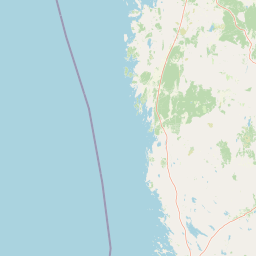
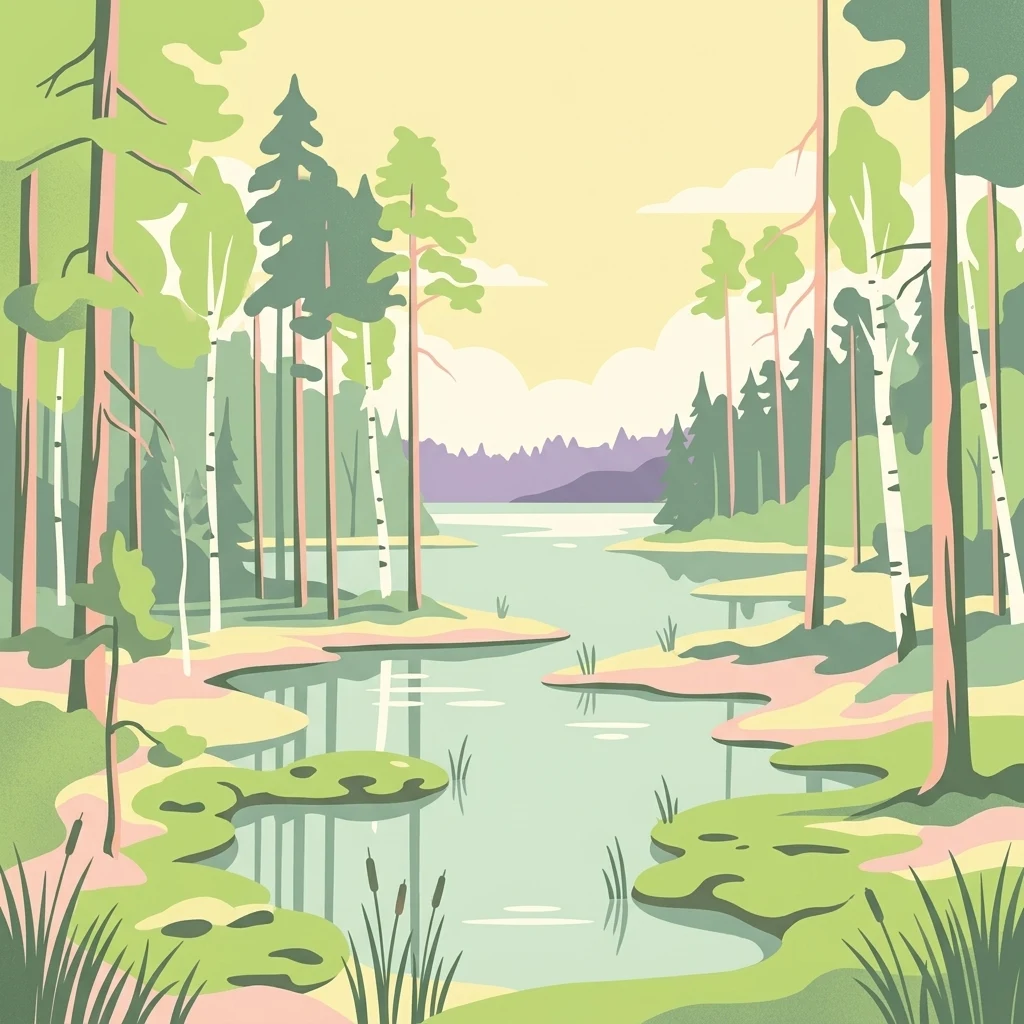
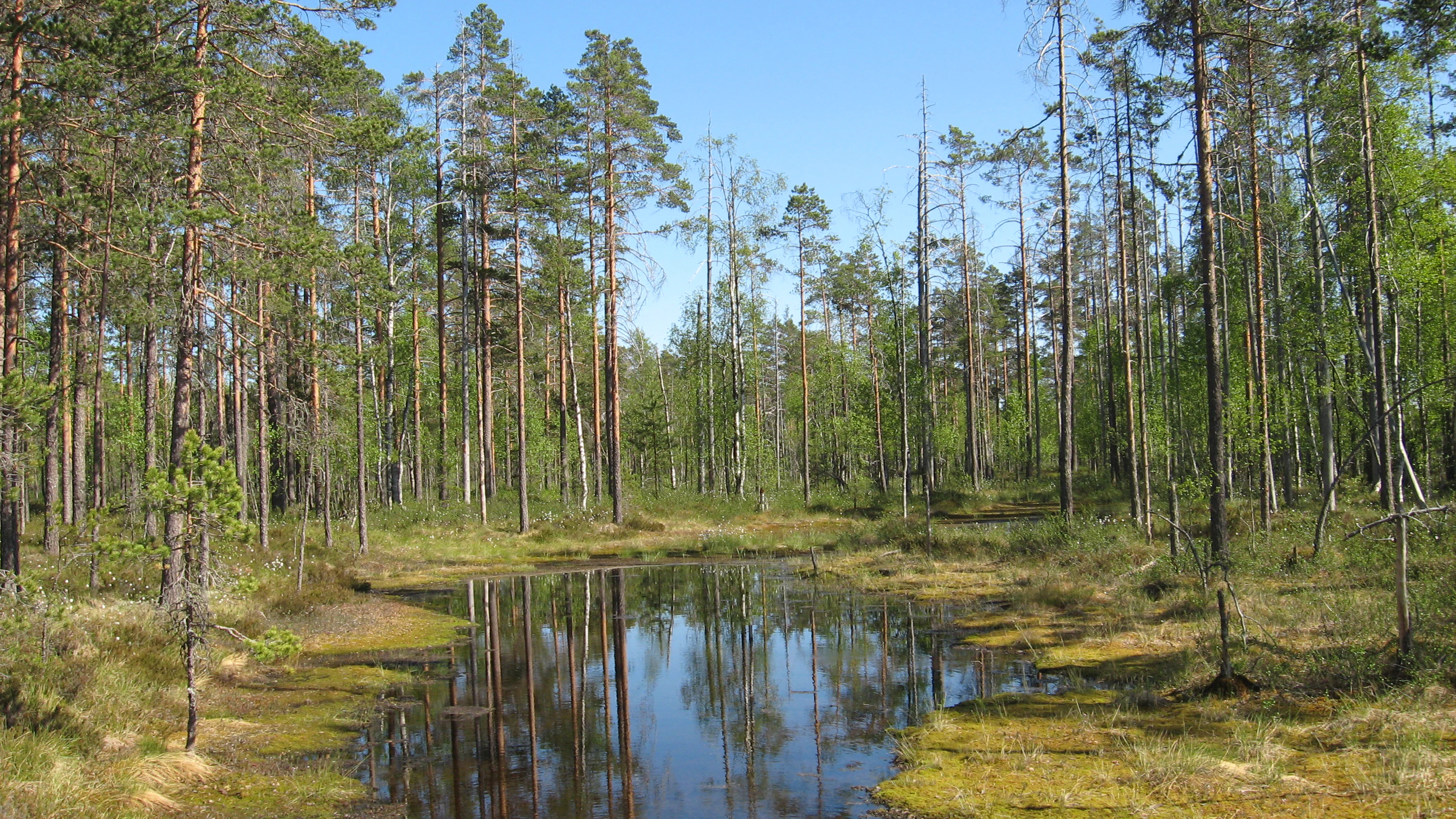
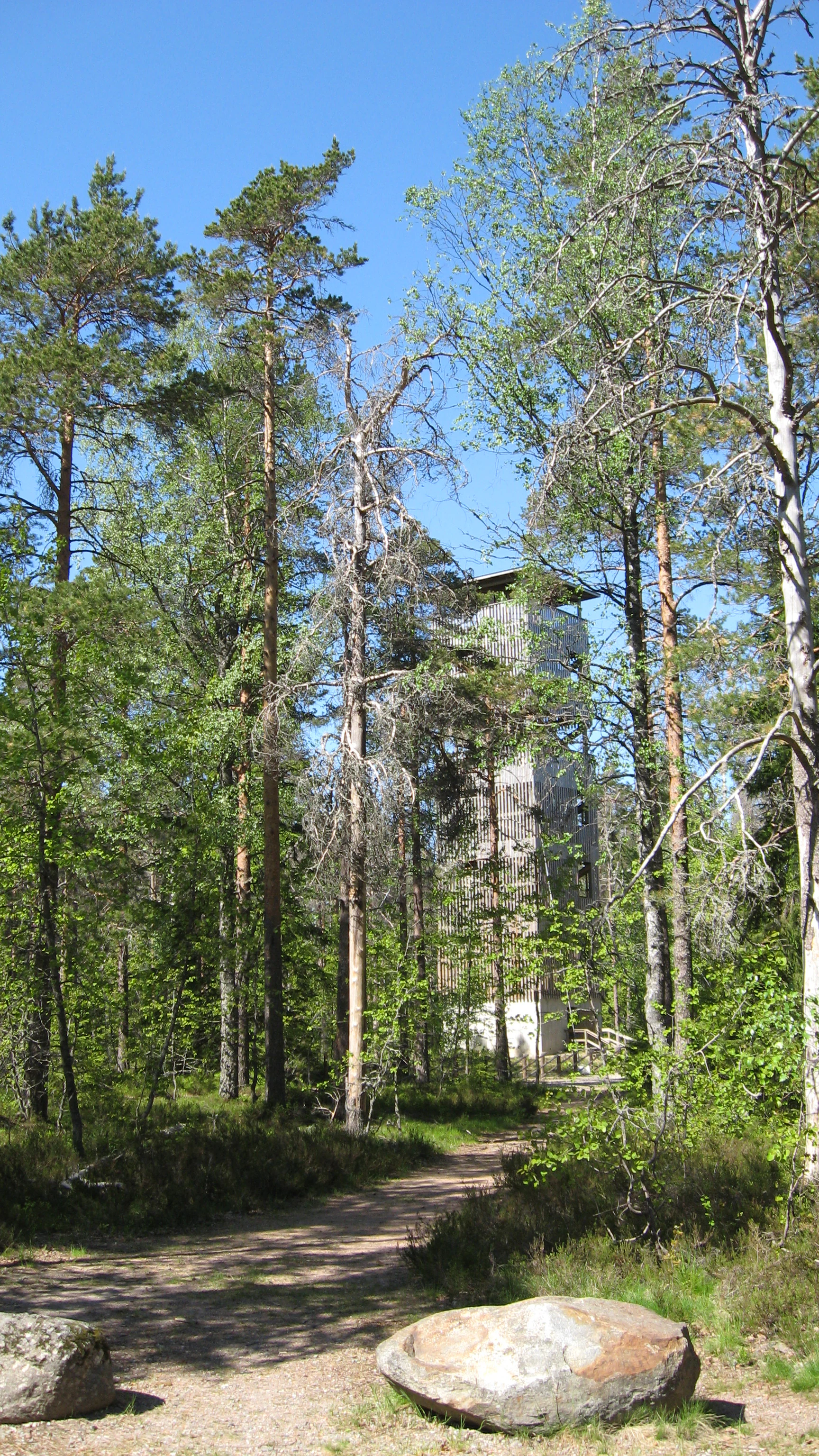
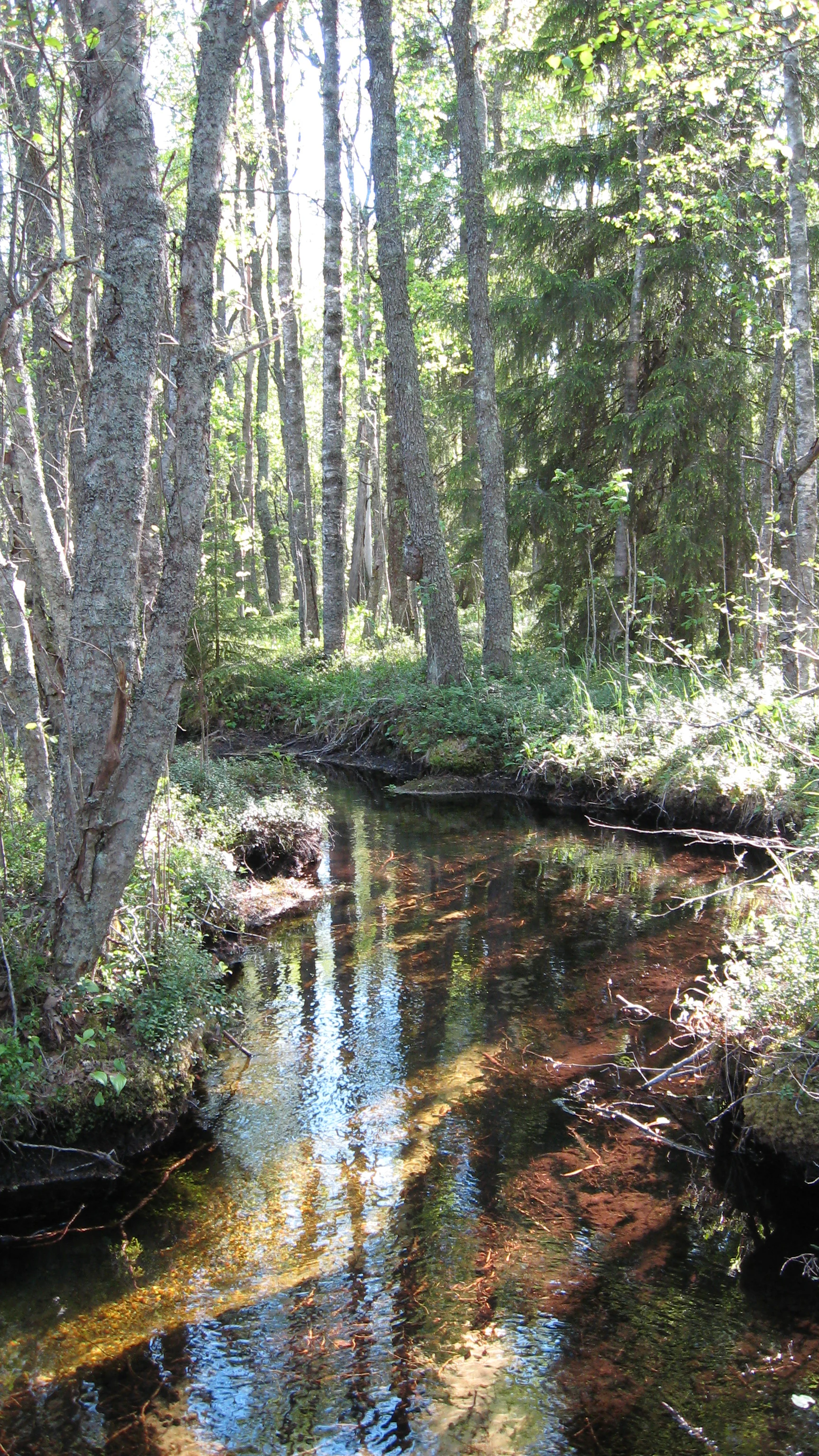
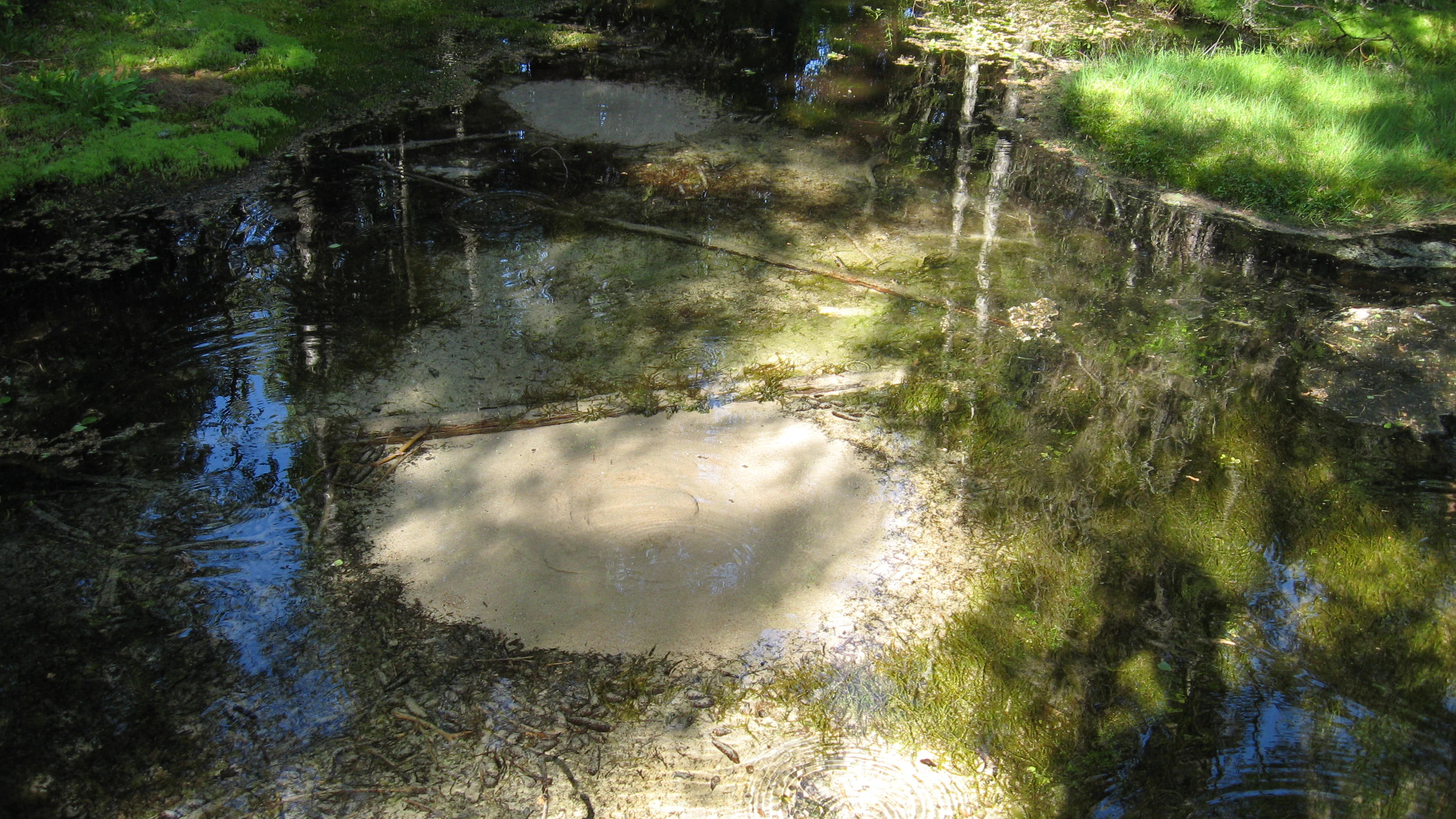
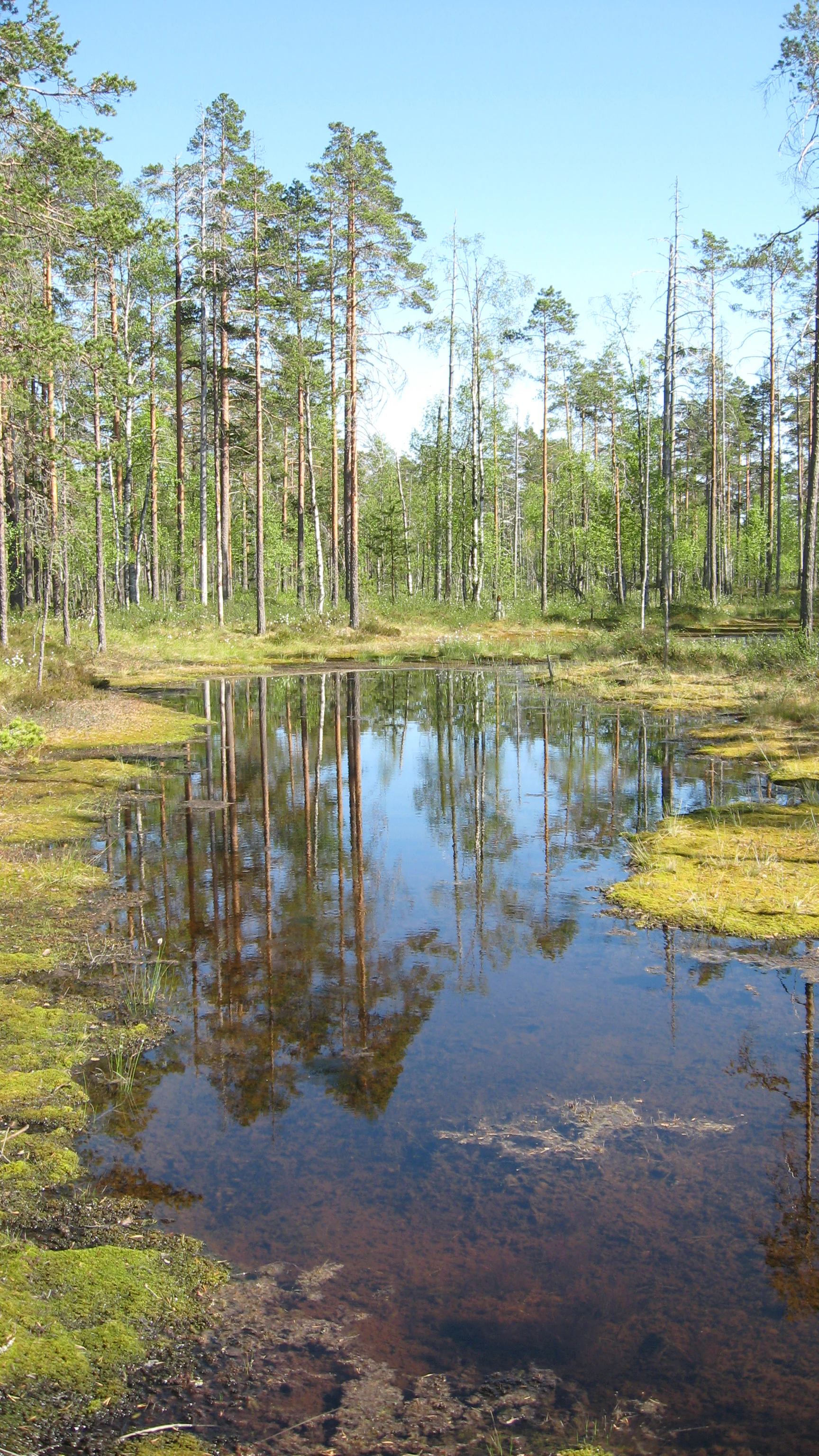
The landscape of Lauhanvuori National Park is characterized by the contrast between the ancient, exposed highlands of Lauhanvuori mountain and the surrounding glacial and post-glacial terrain. The mountain itself is a prominent feature in the otherwise flat agricultural landscape of South Ostrobothnia, its forested slopes rising above the surrounding farmland and peat extraction areas. The summit area features exposed rocky outcrops known locally as Kivijata, where the underlying bedrock and glacial deposits are visible. The lower slopes and surrounding areas support pine forest on well-drained sites, while the valley bottoms and lower areas transition into extensive peatland complexes. Spring brooks, clear and cold, flow from the higher ground through the forest and into the wetland systems. The park's lakes, including the swamp lakes visible in the landscape, represent the hydrological expression of the impermeable peat soils that dominate the lower elevations.
Lauhanvuori National Park ecosystems, habitats, and plant life
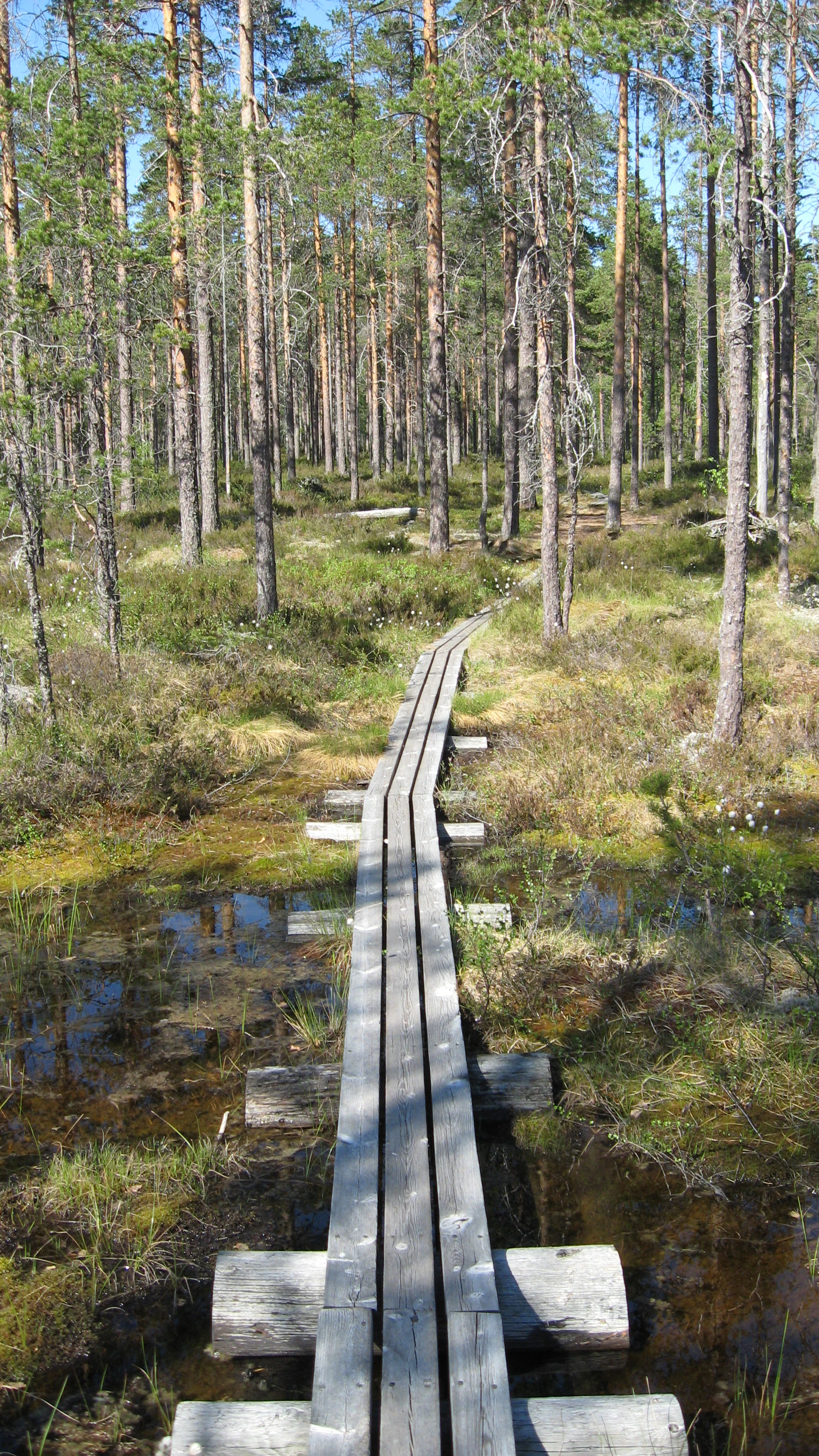
The ecological character of Lauhanvuori National Park reflects the interplay between boreal forest ecosystems and the unique conditions created by the mountain's geological history. The pine forests of the park represent typical western Finnish boreal woodland, with understory communities adapted to the relatively nutrient-poor conditions of glacial soil deposits. However, the summit area of Lauhanvuori presents a notably different picture, where the retention of ancient, nutrient-richer soils has allowed a lusher vegetation community to develop. This ecological island effect supports plant species that are more commonly found in northern Finland or in more mountainous terrain. The park's peatland ecosystems, particularly the fen habitats, support distinctive vegetation communities adapted to waterlogged, nutrient-poor conditions. The fen areas contain specialized species including Succisa pratensis, brown beak-sedge, carnation sedge, moor rush, and Scottish asphodel, along with diverse communities of mosses that are characteristic of relatively intact peatland systems.
Lauhanvuori National Park wildlife and species highlights
The wildlife of Lauhanvuori National Park reflects the boreal forest and peatland ecosystems that dominate the park's habitats. The wetlands and open peatland areas provide important habitat for large birds including cranes, whose haunting calls echo across the bogs during the summer months. The capercaillie, a large grouse species characteristic of mature pine forests, inhabits the wooded areas and can be heard displaying in the forest clearings during the breeding season. The willow grouse, a species well-adapted to the willow scrub and wetland margins of northern latitudes, is also present in the park's peatland habitats. These bird species represent the avifaunal character of Finland's boreal wetlands and forests, though the park does not contain especially rare or endangered species. The forested areas support the typical mammal community of Finnish pine forests, though specific notable species are not highlighted in the park's documentation.
Lauhanvuori National Park conservation status and protection priorities
Lauhanvuori National Park serves important conservation functions within Finland's protected area network. The park protects the geological heritage of western Finland's highland landscape and preserves the ecological island created by Lauhanvuori mountain's unique post-glacial history. The fen habitats within the park are of particular conservation significance, supporting rare plant species including the southernmost population of Scottish asphodel in Finland. The presence of specialized moss communities indicates the ecological integrity of the peatland systems and their relative freedom from drainage or extraction impacts that have affected much of Finland's original peatland resource. The park contributes to the conservation of representative boreal forest ecosystems and provides connectivity for wildlife movement through the agricultural landscape of South Ostrobothnia.
Lauhanvuori National Park cultural meaning and human context
Lauhanvuori National Park lies within the traditional cultural landscape of South Ostrobothnia, a region with strong connections to agriculture, forestry, and rural community life. The surrounding municipalities of Kauhajoki and Isojoki have historical relationships with the land that now falls within the park boundaries, though the park itself does not contain significant built heritage or documented indigenous sites requiring separate cultural management. The landscape reflects the broader pattern of Finnish land use, where peat extraction, forestry, and agriculture have shaped the lowlands while the higher ground and wetlands have remained in more natural states. The park provides opportunities for Finns to connect with the natural heritage of their region and maintains traditional relationships with the landscape through sustainable recreation and nature experiences.
Top sights and standout views in Lauhanvuori National Park
Lauhanvuori National Park offers distinctive experiences centered on Finland's geological and ecological heritage. The summit of Lauhanvuori mountain provides panoramic views over the South Ostrobothnian landscape and access to the ancient rocky outcrops of Kivijata. The rare fen habitats in the park offer opportunities to observe specialized wetland vegetation including Scottish asphodel at its southern range limit. The summer birdlife, particularly the calls of cranes echoing across the peatlands, provides an evocative wilderness experience. The contrast between the ancient mountain summit with its richer soils and the surrounding younger landscape illustrates fundamental concepts of Finnish geological history and ecological island biogeography.
Best time to visit Lauhanvuori National Park
The optimal time to visit Lauhanvuori National Park is during the Finnish summer months from June through August, when the long daylight hours allow extended exploration and the park's wildlife is most active. The summer season brings the cranes to their breeding territories in the peatlands, the capercaillies to their display grounds in the forest, and the wildflowers into bloom in the more diverse summit areas. Autumn September offers another excellent period, with the Finnish forest displaying its characteristic autumn colors and fewer visitors in the park. Winter visits are possible but require appropriate preparation for the cold and short daylight hours typical of Finnish winters. Spring, while potentially rewarding with the return of migratory birds, may still have snow cover and wet ground conditions that limit access to some areas.