Why Ekenäs Archipelago National Park stands out
Ekenäs Archipelago National Park is best known for its raw Baltic Sea archipelago character, a landscape of countless rocky islets rising from productive coastal waters. The park serves as a critical sanctuary for breeding aquatic birds, with strict protections during the nesting season. Its boat-only access and European Diploma of Protected Areas status (valid until 2031) distinguish it among Finland's protected areas. The historic Rödjan farmstead on Älgö island functions as the park's information center, while Jussarö offers visitor accommodations and services.
Ekenäs Archipelago National Park history and protected-area timeline
The national park traces its origins to 1956 when Jussarö was established as a nature reserve, providing the initial protected-area foundation for what would later become a larger archipelago park. In 1989, Ekenäs Archipelago National Park was formally established, consolidating the surrounding archipelago waters and islands under national park protection. The park is administered by Metsähallitus, which manages all of Finland's national parks. A significant milestone in the park's conservation history came in 1996 when it received the European Diploma of Protected Areas from the Council of Europe—a recognition of exceptional European conservation value. This diploma has been renewed and remains valid until June 19, 2031, placing Ekenäs among the elite protected areas on the European continent. Visitor access has evolved over time, with water taxi services and, more recently, a scheduled ferry service from Ekenäs harbour to Jussarö during summer months making the park more accessible to those without private boats.
Ekenäs Archipelago National Park landscape and geographic character
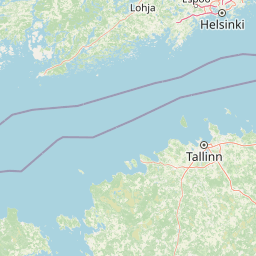
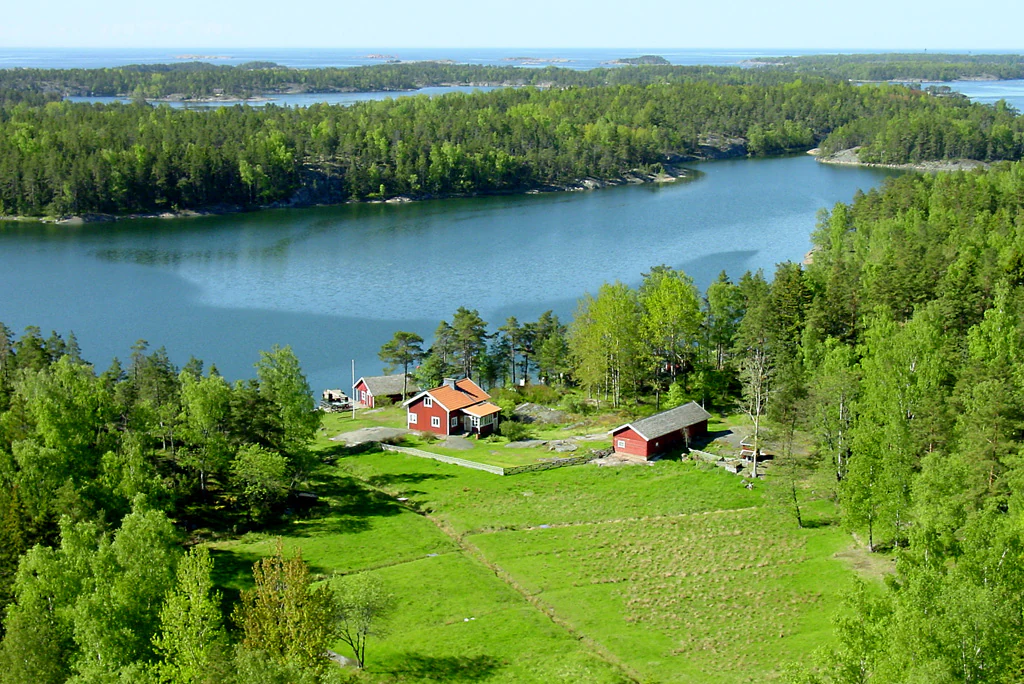
The physical landscape of Ekenäs Archipelago National Park is defined by the distinctive Baltic Sea archipelago environment. The territory consists of hundreds of rocky islets and skerries scattered across coastal waters, with larger islands such as Älgö and Jussarö providing the main land areas. The geology is characterized by granite bedrock typical of the Fennoscandian shield, with bare rock exposures and thin soils supporting limited vegetation. The marine component dominates the park—approximately 85 percent of the total area is water, reflecting the archipelago's fundamental nature as a marine-protected area. The surrounding waters of the Gulf of Finland are relatively shallow and productive, supporting rich ecosystems. The islands themselves range from tiny unvegetated skerries to larger islands with some forest cover, though the tree growth is typically stunted due to the coastal exposure and thin soils.
Ekenäs Archipelago National Park ecosystems, habitats, and plant life
The ecological character of Ekenäs Archipelago is fundamentally marine and coastal. The productive Baltic Sea waters support diverse fish populations, marine invertebrates, and the bird species that feed upon them. The archipelago provides critical breeding habitat for a variety of aquatic birds, including species that nest on the ground in open coastal areas. The park's ecosystem reflects the transition between boreal and maritime influences, with species adapted to the brackish waters of the Gulf of Finland. The surrounding waters serve as a foraging area for seabirds, while the islands provide sheltered nesting sites. The marine vegetation in shallow areas includes bladderwrack and other brown algae characteristic of Baltic rocky coasts, supporting specialized invertebrate communities.
Ekenäs Archipelago National Park wildlife and species highlights
Ekenäs Archipelago supports important populations of nesting aquatic birds, which form the centerpiece of the park's wildlife significance. During the breeding season from April 1 to July 17, landing restrictions apply to the most important bird islands to protect nesting success. The waters around the islands attract diverse waterfowl and seabirds that feed in the productive coastal marine environment. While the English source emphasizes general aquatic bird protection, the Finnish source notes the park's symbol is the common eider (haahka), a characteristic Baltic Sea diving duck that breeds on the islands. The marine environment also supports fish species important to both wildlife and local fishing traditions.
Ekenäs Archipelago National Park conservation status and protection priorities
The park's European Diploma of Protected Areas status, awarded in 1996 and valid until 2031, represents the highest level of conservation recognition for this archipelago ecosystem. This diploma indicates exceptional biological diversity, ecological integrity, and management quality. The nesting bird protection measures—temporary landing restrictions during breeding season—demonstrate active conservation management. The park's protection extends across both the terrestrial islets and the surrounding marine waters, recognizing that the archipelago ecosystem functions as an integrated whole. Approximately 85 percent of the protected area being water emphasizes that effective conservation must include the marine component, not just the visible islands.
Ekenäs Archipelago National Park cultural meaning and human context
The Ekenäs archipelago has a long human history intertwined with maritime activities. The islands were referenced in Danish sailing guides from the 1240s, showing their historical role in coastal navigation. The Rödjan farmstead on Älgö island represents traditional island settlement and fishing use, now repurposed as the park's nature information center. This former fishing farm also serves as a popular stop for boaters traveling between Helsinki and Stockholm, reflecting the archipelago's ongoing significance as a maritime route. The Finnish name Tammisaaren saariston kansallispuisto references the town of Tammisaari (Raasepori), the regional center that gave the archipelago its identity. The Swedish name Ekenäs skärgårds nationalpark reflects the bilingual nature of coastal Finland.
Top sights and standout views in Ekenäs Archipelago National Park
The park's standout features include its accessible-but-remote archipelago character, the historic Rödjan farmstead serving as a visitor information center, the boat-only access that preserves the wilderness atmosphere, and the European Diploma recognition. Three marked nature trails offer hiking opportunities—2 km on Älgö from Rödjan, 1.5 km on Modermagan, and 4.7 km on Jussarö. Jussarö provides the most developed visitor infrastructure with accommodations and a cafe-restaurant. The park is particularly significant for breeding birds, with the common eider as its symbolic species. The combination of natural values, cultural heritage, and marine character makes it one of Finland's most distinctive national parks.
Best time to visit Ekenäs Archipelago National Park
The summer months offer the most accessible experience, with the scheduled ferry service operating from Ekenäs harbour to Jussarö during the warm season. However, the nesting bird protection period from April 1 to July 17 means that many islands are closed to landing during spring and early summer—the very time when the archipelago is most alive with breeding birds. Late summer through early autumn (August to September) provides a good balance of accessible islands, comfortable weather, and fewer visitors. Winter access is possible but requires own boat and brings challenging conditions. The boat-only access requirement means that visiting the park is inherently tied to having water transportation or using the summer ferry services.