
Visitor Timing
When to Visit Lemmenjoki National Park: The Essential Timing Overview
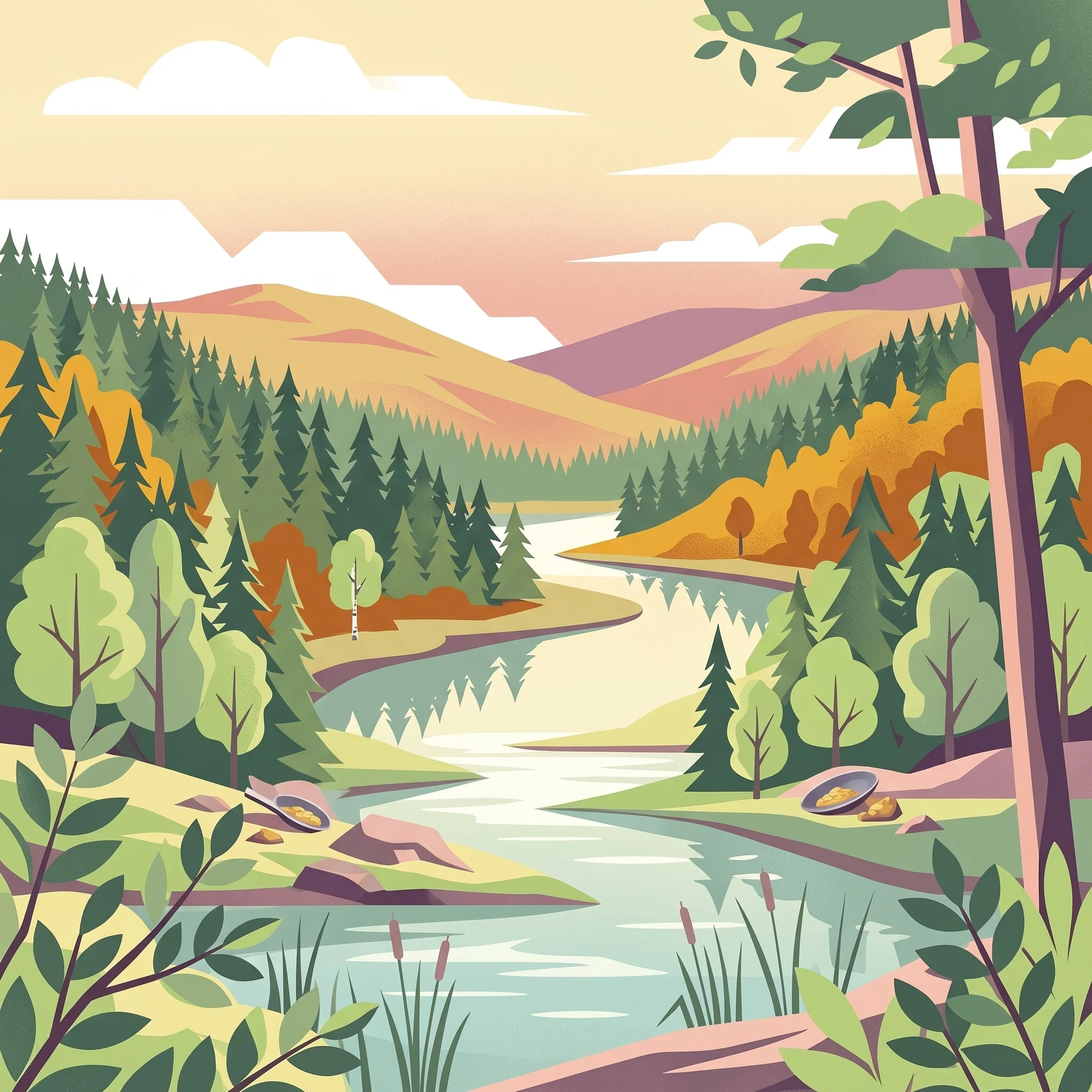
Determining the best time to visit Lemmenjoki National Park requires a careful evaluation of the dramatic shift between the brief, light-filled summer season and the long, unforgiving winter. For most visitors seeking to experience the park's expansive wilderness, marked trails, and gold-prospecting history, the most suitable window occurs between July and August. During these months, the park experiences its warmest mean temperatures, often climbing above 13°C, and benefits from near-constant daylight, which provides a significant safety margin for backcountry navigation and extended exploration across this 2,850 square-kilometre terrain.
Balancing Accessibility and Arctic Conditions
Visitors must recognize that the park's geographic position, situated well above the Arctic Circle at 68.5°N, dictates a highly compressed season for accessible land-based activities. While mid-summer offers the most favorable climate for hiking and navigating the Lemmenjoki River valley, the trade-off is a high degree of vulnerability to environmental factors that do not exist during the dormant winter months. Specifically, travelers should prepare for active insect populations and moisture patterns that define the warmer period. Because the park acts as a true wilderness area with minimal human intervention, the choice of when to arrive is not merely about comfort, but about the specific type of engagement one seeks with the landscape.
Seasonal Priorities and Environmental Shifts
Beyond the primary summer window, the timing of a visit depends heavily on whether the goal is traditional hiking, cross-country skiing, or witnessing the unique autumn foliage known locally as ruska. Early spring presents opportunities for snow-based travel when daylight hours begin to increase significantly, yet visitors must remain aware that the ground remains frozen and winter-like. Conversely, September provides a visual transition as the landscape enters a shorter, cooler phase before the return of sub-zero temperatures and the polar night. Understanding these shifts is vital, as the park's climate normals indicate that winter conditions, characterized by mean temperatures dropping toward -13°C and a total absence of daylight in midwinter, effectively reset the park's operational status. Anyone planning a trip outside the peak summer period must possess the specialized equipment and experience necessary for navigating a remote, roadless backwoods environment where services are limited or entirely unavailable.
Seasonal Planning
Best Months to Visit Lemmenjoki National Park for Different Experiences
Peak Summer for Wilderness Exploration
For most travelers, the window between July and early August represents the most reliable period for accessing the park's interior. During these months, the Arctic landscape experiences its highest mean temperatures, with daily maximums frequently exceeding 20°C. This warmth is critical for those planning multi-day hikes or gold panning excursions, as it reduces the risks associated with rapid temperature shifts and allows for easier navigation of the expansive river valleys. The primary trade-off during this period is the intensity of insect activity, which can be significant in the boreal forest and along the waterways. While the constant daylight ensures near-limitless time for exploration, it can complicate sleep schedules and requires proper equipment for shade and rest.
The Ruska Autumn Transition
September offers a distinct shift in environmental conditions, marked by the arrival of the ruska,the vibrant autumn foliage that draws many visitors to the northern landscape. During this period, the average mean temperature drops to approximately 5°C, with nights consistently falling below freezing. While the insect population diminishes sharply, the shorter days and the increasing likelihood of early-season frosts demand robust preparation. This window is ideal for those prioritizing photography and quieter trekking, though the risk of inclement weather increases as the month progresses toward October. Visitors should expect rapidly changing conditions where clear, crisp days can quickly give way to damp, blustery afternoons.
Early Spring for Nordic Activities
From March through April, the park transitions from the depth of winter into the spring season. This period is the primary window for cross-country skiing and other snow-based backcountry travel. March, in particular, maintains deep snow cover, but the return of significant daylight,averaging over 11 hours,provides a safer and more enjoyable experience for remote expeditions compared to the total darkness of midwinter. The cold remains substantial, with average minimum temperatures in March still hovering around -21°C. Choosing this time requires a high level of winter-specific experience and specialized gear, as the remoteness of the park leaves little room for error during cold spells.
Managing Seasonal Trade-offs
- Summer (July to August): Best for gold panning, river access, and general hiking. Compromise: High insect activity and the potential for crowding in popular zones.
- Autumn (September): Best for aesthetic landscapes and cooler temperatures. Compromise: Increasing probability of freezing nights and shorter daylight hours.
- Spring (March to April): Best for skiing and winter travel. Compromise: Harsh sub-zero temperatures and the necessity of expert winter survival skills.
Annual Climate Overview
Temperature, Daylight, and Precipitation Normals in Lemmenjoki National Park
Understanding the Arctic Climate Cycle
Lemmenjoki National Park experiences a dramatic, high-latitude climate that dictates the rhythm of travel. Located well above the Arctic Circle, the park’s environment is defined by extreme variations in daylight and temperature, transition periods that shift rapidly, and a long, frigid winter. It is important to note that the following climate patterns are based on long-term normals and serve as a reference for expected conditions rather than a guarantee for any specific future visit. Local weather in the backcountry can shift quickly, and visitors must rely on current forecasts and official alerts when planning their itinerary.
The Contrast of Light and Dark
The most significant factor for any trip to this region is the profound shift in daylight. The annual cycle moves from the total darkness of the midwinter months to the constant, twenty-four-hour sun of June. By January, daylight is restricted to less than two hours daily, reflecting the low angle of the sun that barely crests the horizon. This changes drastically as spring approaches, with daylight hours increasing rapidly through April to reach a peak in June. This transition is not merely a visual detail, as it influences thermal retention in the landscape and the amount of time available for travel. The light effectively doubles between February and March, signalling the end of the deep winter stagnation and the beginning of the period when the landscape becomes navigable for longer stretches.
Temperature Shifts and Thermal Thresholds
Temperatures in the park demonstrate a clear, two-part seasonal structure. The winter months from November through March see mean temperatures consistently below freezing, with average minimums often dropping below -20 degrees Celsius. January and February are the most severe, with the cold reaching its peak and persisting with little variance. A meaningful shift occurs in April, where the mean temperature begins to climb toward the freezing point, though average minimums remain well below zero.
Summer provides the primary reprieve from the cold, with June, July, and August standing out as the only months where mean temperatures stay reliably above 9 degrees Celsius. July represents the warmest point of the year, with average maximums approaching 23 degrees Celsius. However, even in the heart of summer, the influence of the northern latitude remains, as minimum temperatures can frequently drop toward the single digits, requiring travellers to prepare for wide fluctuations between midday highs and overnight lows.
Precipitation, Humidity, and Atmospheric Conditions
The park's humidity levels are exceptionally high throughout the winter, frequently exceeding 98 percent. This moisture content, paired with the extreme cold, characterizes the long winter as a period of heavy, stable snow accumulation rather than liquid rain. As the temperature warms in late spring and early summer, the relative humidity decreases, reaching its lowest point in June at approximately 79 percent.
Precipitation patterns follow the temperature curve, with the highest levels occurring during the warmer summer months. July and August receive the most significant precipitation, usually falling as rain. This timing is critical for hikers, as the months that offer the most accessible temperatures and light are also the months when the landscape is most likely to experience wet conditions. Wind speeds remain relatively consistent throughout the year but show a slight moderation during the summer months, with the lowest average wind speeds recorded between June and September. This reduction in wind combined with higher temperatures makes the summer window the most hospitable time for extended movement through the wilderness.
Seasonal climate patterns
Understanding Seasonal Transitions and Weather Phases in Lemmenjoki
The Arctic Shift: Understanding Seasonal Boundaries
Lemmenjoki National Park does not conform to a traditional four-season calendar. Instead, the park transitions through distinct climatic phases defined by the presence of snow, the duration of daylight, and the state of the waterways. These phases dictate the feasibility of travel and the physical accessibility of the backcountry.
The Short Summer and the Shoulder Transition
The summer phase is brief, characterized by the thaw that typically reaches completion by mid-June. This period, extending through August, offers the only window of consistent, snow-free trail access. Temperatures reach their annual maximums during this interval, providing the best conditions for river travel and gold panning. By September, the landscape enters the autumn phase, locally known for the ruska. During this time, temperatures begin a sharp descent, and the first nocturnal frosts return. This transition is marked by a rapid contraction in daylight hours, turning the lush greenery into shades of gold and crimson before the onset of winter.
The Long Winter and the Vernal Opening
Winter in this region is a dominant force that persists from October through April. The climate data reflects this through consistent sub-zero means and the near-total absence of daylight during the December solstice. This period is not a uniform block, but rather a sequence of deep freeze followed by the late-winter light return. By March, while temperatures remain well below freezing, the daylight significantly increases, creating the conditions preferred for cross-country skiing and extended backcountry winter treks. Travelers should interpret this not as spring in a temperate sense, but as an expansion of daylight that allows for movement across a frozen, snow-covered topography.
Interpreting Transitional Volatility
The periods between these phases,specifically May and early June, and again in October,are characterized by high variability. In spring, the melting snow creates saturated ground conditions and high water levels in the Lemmenjoki River, which can impede movement on lower trails. The transition in October represents the inverse, as the landscape shifts from liquid to solid and the risk of early snow accumulation becomes a structural reality for hikers. These months are transitional windows where standard trail access cannot be assumed, and the park’s environment shifts rapidly between states of matter. Visitors should be prepared for the fact that these months lack the stability of the core summer or mid-winter periods, making them the most unpredictable times for navigation.
Seasonal Experiences
What Lemmenjoki National Park is Like Through the Year
Navigating Gold Prospecting and Heritage Activities
The most distinctive human activity in the park, gold prospecting, is inherently linked to the summer window. Because the process requires access to river gravels and the use of water, this experience is essentially confined to the period between early summer and early autumn. During July and August, when temperatures reliably remain above freezing, prospectors work their claims along the Lemmenjoki River and surrounding streams. Visitors interested in this living heritage should time their visit for these warmer months, as the water-based nature of the work becomes impossible once the river environment enters its winter freeze cycle.
Backcountry Hiking and River Exploration
The feasibility of exploring the park's network of hiking trails depends heavily on the ground conditions dictated by the melt cycle. While mid-summer provides the easiest walking, early June can remain wet or soft due to lingering snowmelt, and late autumn brings the first frosts and potential snow flurries. The Gold Route, which relies on river crossings and specific wilderness hut access, is most viable from July through September. During this time, the river-based motorboat services that transport hikers to the interior trailheads typically operate. Attempting these routes outside this window requires significant self-reliance, as the service support that makes these trails accessible is absent.
The Seasonal Shift in Wilderness Access
Visitors should distinguish between the summer season for hiking and the winter season for cross-country skiing. The trails that connect Njurkulahti to sites like Morgamoja Kultala transform during the winter months, when the frozen riverbeds and snow-covered terrain allow for long-distance skiing. While summer visitors focus on hiking paths and river transit, winter travellers must rely on traditional skiing to traverse the same distances. The experience of the wilderness changes from a terrain of river valleys and accessible valley floors to a vast, sub-zero environment where orientation and survival are the primary drivers of activity. This seasonal divide is absolute, and visitors planning to experience the park in winter must be prepared for the realities of the extreme cold documented in the annual climate normals, rather than seeking the hiking or panning opportunities of the summer season. There is no overlap between these two distinct modes of visitation, as the transition periods in late spring and late autumn are characterized by unstable conditions that often render both hiking and skiing difficult or unsafe.
Travel Priorities
Timing Your Visit to Lemmenjoki National Park Based on Travel Priorities
Prioritizing Milder Temperatures and Extended Daylight
For travellers seeking the most manageable weather conditions, July remains the most consistent month. With mean temperatures reaching approximately 13.19°C and nearly 22.5 hours of daylight, this period offers the best balance for those sensitive to the extreme cold that characterizes much of the year. The higher temperatures facilitate outdoor engagement, as they mitigate the risk of hypothermia and allow for lighter, more flexible clothing. The tradeoff is the heightened activity of biting insects, which thrive in these warmer, humid conditions. Those who prefer milder air must accept that the park is at its busiest and that the comfort of higher heat brings a physical challenge during rest periods in the wilderness.
Targeting Drier Conditions for Backcountry Exploration
If your primary goal is to minimize precipitation while navigating the park trails, the late winter and early spring period offers a distinct advantage over the peak summer. March and April receive significantly less daily precipitation (around 1.2 to 1.5 mm per day) compared to the July peak of 3.45 mm. However, this dryness is intrinsically tied to sub-zero mean temperatures, which range from -8.64°C in March to -3.7°C in April. Choosing this window requires prioritizing stable, frozen ground and manageable humidity levels over the warmth of summer. The compromise is the limitation on activities: river boating and standard hiking are impossible, and visitors must be prepared for the specific challenges of a snow-covered environment.
Optimal Windows for Gold Prospecting and Heritage Activities
Visitors specifically interested in the traditional gold panning heritage find their most viable window between July and early August. This period is the only time when the river gravels are consistently accessible and free of ice. The higher flow rates earlier in the season may interfere with specific sites, but the reliability of the mid-summer period allows for both independent panning and the use of local motorboat services to reach historical claims like those near Morgamoja. The primary trade-off is the loss of the quiet, snow-bound solitude that defines the landscape for the majority of the year, as the most accessible historical trails see their highest visitor density during these months.
Balancing Light and Wilderness Access
For those who prioritize longer periods of daylight for extended exploration, May through July presents the most expansive window. June provides 24 hours of daylight, an experience unique to the Arctic Circle. While this provides unlimited time for movement, it demands significant self-discipline regarding rest, as the biological rhythm often struggles to adapt to the constant light. Furthermore, May is a transitional month characterized by snowmelt, which can render many trails muddy or temporarily impassable. Travellers choosing this early, light-heavy period must accept the trade-off of potentially degraded trail conditions and the unpredictable nature of spring thaw, which contrasts sharply with the firm, predictable, yet darker conditions of the late-winter ski season.
Access and Logistics
Planning Your Journey and Seasonal Access to Lemmenjoki National Park
Navigating to the Wilderness Edge
Reaching Lemmenjoki National Park requires advanced planning, primarily because the park lacks a centralized facility hub. Most visitors arrive via the village of Njurkulahti, located on the park's eastern boundary. This village serves as the primary gateway for river-based transport and the starting point for several marked trails. Access to Njurkulahti typically involves driving from Inari, which is roughly 45 kilometers away. While regional roads are generally maintained, the transition from main highways to local roads requires attention to changing seasonal conditions, particularly during the shoulder months when road surfaces can become unstable.
Seasonal Transportation and River Access
The park's geography, defined by the winding river valley, makes water-based transit a critical component of the visitor experience. During the summer months, motorboat services operate along the river, providing access to the more remote interior gold fields. These services are subject to seasonal availability and demand, and visitors should not assume consistent daily schedules. Because these transport options are managed by local entrepreneurs rather than a centralized national park authority, confirming boat availability and scheduling with local service providers well in advance of your trip is essential. Relying on current, verified information from local tourism portals or directly from transport operators will prevent travel delays.
Administrative and Information Hubs
Visitors should note that Lemmenjoki currently operates without a dedicated visitor center inside the park boundaries. Instead, park administration and information services are centralized in nearby towns. The Sámi Museum and Northern Lapland Nature Centre in Inari, known as Siida, and the Metsähallitus customer service point in Ivalo serve as the primary sources for maps, hiking permits, and detailed trail status updates. These centers are located along major regional transit routes and are the best locations to verify current park conditions, safety alerts, or changes to facility access before proceeding to the park entrance. Since operational hours for these centers can change, confirming their availability before your departure is a necessary step for any itinerary.
Hut Reservations and Wilderness Infrastructure
The park features a network of free wilderness huts and a limited number of bookable rental cabins. Access to these facilities is managed independently; while some huts are available for public use on a first-come, first-served basis, reservation-based cabins require prior coordination. The management of keys and booking logistics is typically handled by private local businesses rather than on-site staff. It is vital to check the current booking procedures and key collection requirements through official park websites before traveling, as these processes are subject to change and are not managed through a central reservation desk at the trailheads.
Safety and Preparation
Seasonal Weather Hazards and Packing for Lemmenjoki Wilderness
Navigating Arctic Wilderness Fluctuations
Preparation for this expansive Arctic landscape requires acknowledging the volatility of a climate that shifts dramatically between seasons. While summer visitors might encounter daytime highs nearing 23 degrees Celsius in July, the shoulder seasons introduce rapid, unpredictable drops in temperature. Visitors should assume that historical normals are merely indicators of potential patterns, not guaranteed conditions. Even during the warmest months, Arctic weather can deliver sudden rain, wind, or localized cold snaps that change the functional requirements for comfort and safety within hours. Checking current regional forecasts for the Inari area and official park alerts before departing is an essential step, as microclimates within the deep river valleys can differ significantly from broader regional reports.
Essential Clothing and Equipment Strategies
Because the park lacks on-site visitor centers or immediate access to emergency services, self-reliance is the primary safety standard. Regardless of the season, a layered clothing system is necessary to manage humidity, which often lingers near or above 80 percent throughout the year. Moisture management becomes a critical safety factor during the shoulder months of May and September, when precipitation can shift between rain and early snow. Hikers are advised to prioritize gear that functions in damp, windy conditions, such as high-quality waterproof shells and moisture-wicking base layers, rather than relying on heavy insulation that might become cumbersome or ineffective when wet. Because the park relies on wilderness huts for shelter, bringing a reliable sleeping bag and a comfortable mattress is standard practice, as hut temperatures vary based on occupancy and the ability to maintain a wood stove.
Communication and Geographic Safety
Mobile phone coverage in this 2,850 square kilometer wilderness is notoriously limited and often relies on line-of-sight connectivity to towers located outside the park boundaries. Signal is frequently strongest on elevated ridges and exposed fell tops, while deep river valleys act as dead zones. Do not rely on digital navigation as your sole means of orientation. A physical map and compass are necessary, particularly for those venturing beyond the established Gold Route or the primary marked trail network. Furthermore, informing a reliable contact outside the park of your specific route and expected return time is a vital safety protocol. Should you need to report an emergency, the national number 112 is the primary point of contact, but it is important to note that response times in such a vast, remote area are rarely immediate. Always maintain flexibility in your schedule, as changing conditions may necessitate turning back or staying in a hut longer than planned.
Finalizing your itinerary
How to choose the right time to visit Lemmenjoki National Park
Balancing Arctic Realities with Your Travel Goals
Choosing the right time to visit Lemmenjoki National Park requires a careful reconciliation of your preferred activities against the park's distinct environmental constraints. Because the region sits well north of the Arctic Circle, the primary decision factor is almost always the interplay between daylight and temperature. If your priority is accessing the Gold Route, engaging in traditional gold panning, or exploring the river valleys by boat, the window between July and August offers the most stable conditions. During these months, the temperatures are at their highest, and the perpetual daylight allows for maximum time on the trails. However, these benefits are countered by the reality of increased insect activity and the limitations of a short, intense summer season that leaves little room for error if weather conditions shift.
For those drawn to the aesthetic transition of the landscape, September offers a unique, albeit shorter, opportunity. The phenomenon of ruska, where the flora turns deep shades of gold and red, provides a stark visual contrast to the lush green of summer. This period is cooler and marks the onset of more unpredictable weather, necessitating a higher degree of self-sufficiency. If your interest lies in winter recreation, particularly cross-country skiing, the months of March and April provide the most favorable environment. During this late-winter window, the return of significant daylight hours combined with stable snow conditions creates a reliable, if cold, setting for backcountry travel. This is a significant departure from the dark, sub-zero conditions of midwinter, which require specialized expedition-level equipment and local guidance to navigate safely.
Refining Your Decision Framework
Your final itinerary should be dictated by your tolerance for the park's extremes. If you seek ease of access, prioritize the summer months while preparing for the reality that the wilderness remains a place of rugged, changing conditions. If you value solitude and specific seasonal activities like skiing or observing the autumn landscape, plan for the shoulder seasons but accept that services may be limited and the environment less forgiving. Regardless of your choice, remember that the seasonal patterns discussed here represent long-term climate normals, not live weather forecasts. Before finalizing your departure, you must verify current operational status, including access to boat transport, the availability of wilderness huts, and local weather alerts. Conditions in the Finnish north can change rapidly, and the reliance on gateway towns like Inari or Ivalo means that your logistical planning is inseparable from your environmental preparation. By matching your experience goals with these established seasonal trade-offs, you can finalize a visit that respects both the scale of the wilderness and your personal comfort levels.