
Why Lemmenjoki National Park stands out
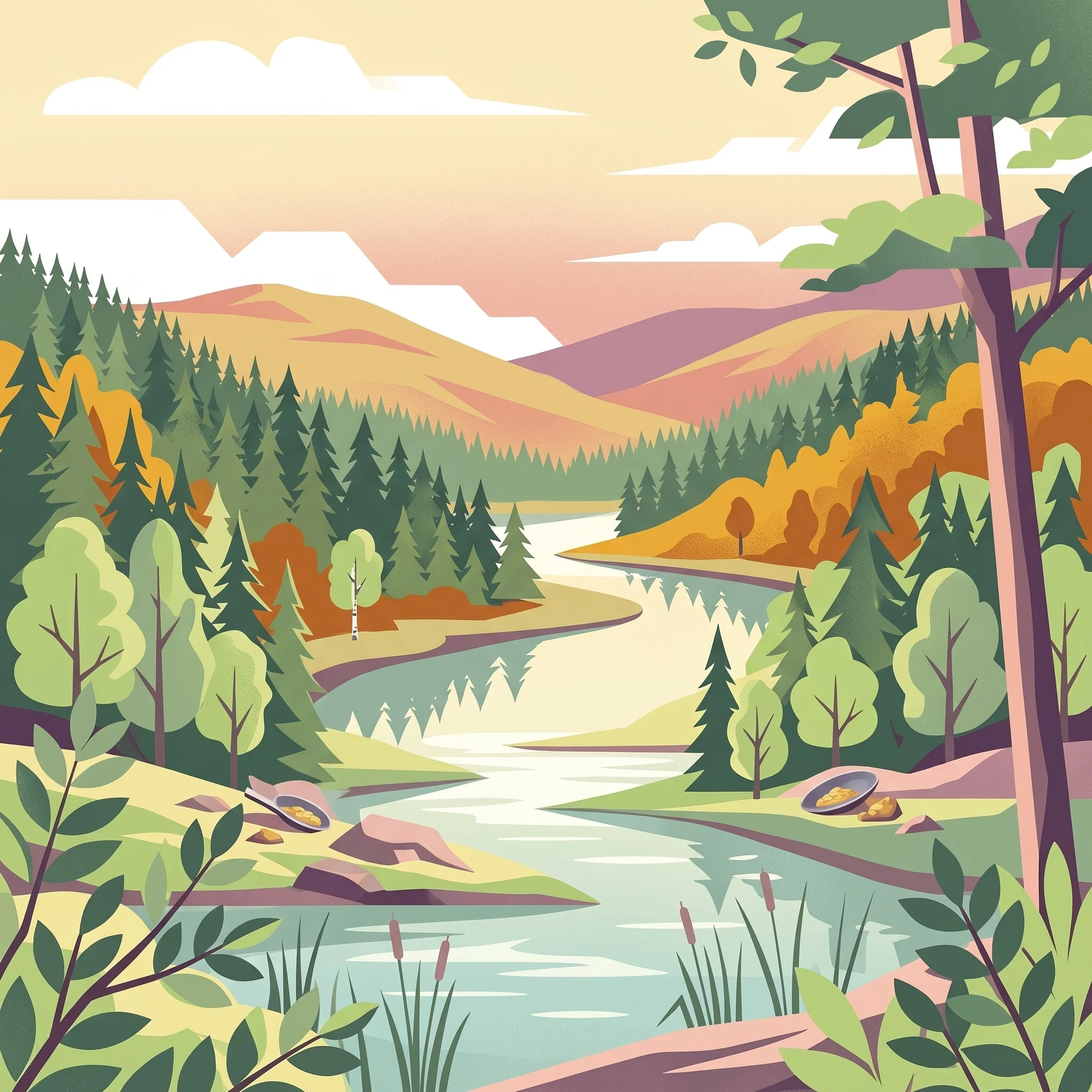
Lemmenjoki National Park is best known for its extraordinary vastness as Finland's largest protected wilderness area, featuring pristine boreal forests, river valleys, and Arctic tundra landscapes that remain largely untouched by modern development. The park is distinctive for its living gold prospecting tradition, where approximately 100 people continue to manually panning for gold during summer months on established claims throughout the park. The Gold Route (Kultareitti) thematic hiking trail educates visitors about this unique heritage while passing through historically significant gold fields. The park also holds special significance as a Sámi cultural landscape, where traditional reindeer herding practices intersect with conservation objectives and wilderness preservation.
Lemmenjoki National Park history and protected-area timeline
Lemmenjoki National Park was established in 1956 as part of Finland's post-war commitment to preserving representative examples of the nation's natural heritage. The park was subsequently expanded twice, growing to become Finland's largest national park by area. The history of human activity in this region stretches far deeper than the protected area designation, with the Lemmenjoki River valley serving as a pathway for settlement, trade, and resource extraction for centuries. Gold prospecting has been practiced in the region since the 19th century, creating a unique cultural layer that continues to define the park's character. A significant turning point occurred in 2020 when mechanized gold mining was definitively banned following the expiration of a nine-year transition period that began after legislative reforms in 2011. This policy shift reflected growing recognition that mechanized mining practices were incompatible with the park's wilderness protection objectives, having caused environmental degradation through soil disturbance, water quality impacts, and disruption to both aquatic ecosystems and Sámi traditional livelihoods. All former operators were required to remove machinery and restore disturbed areas by 2022. Today, gold prospecting continues using traditional manual methods only, preserving this cultural practice while protecting the park's ecological integrity.
Lemmenjoki National Park landscape and geographic character
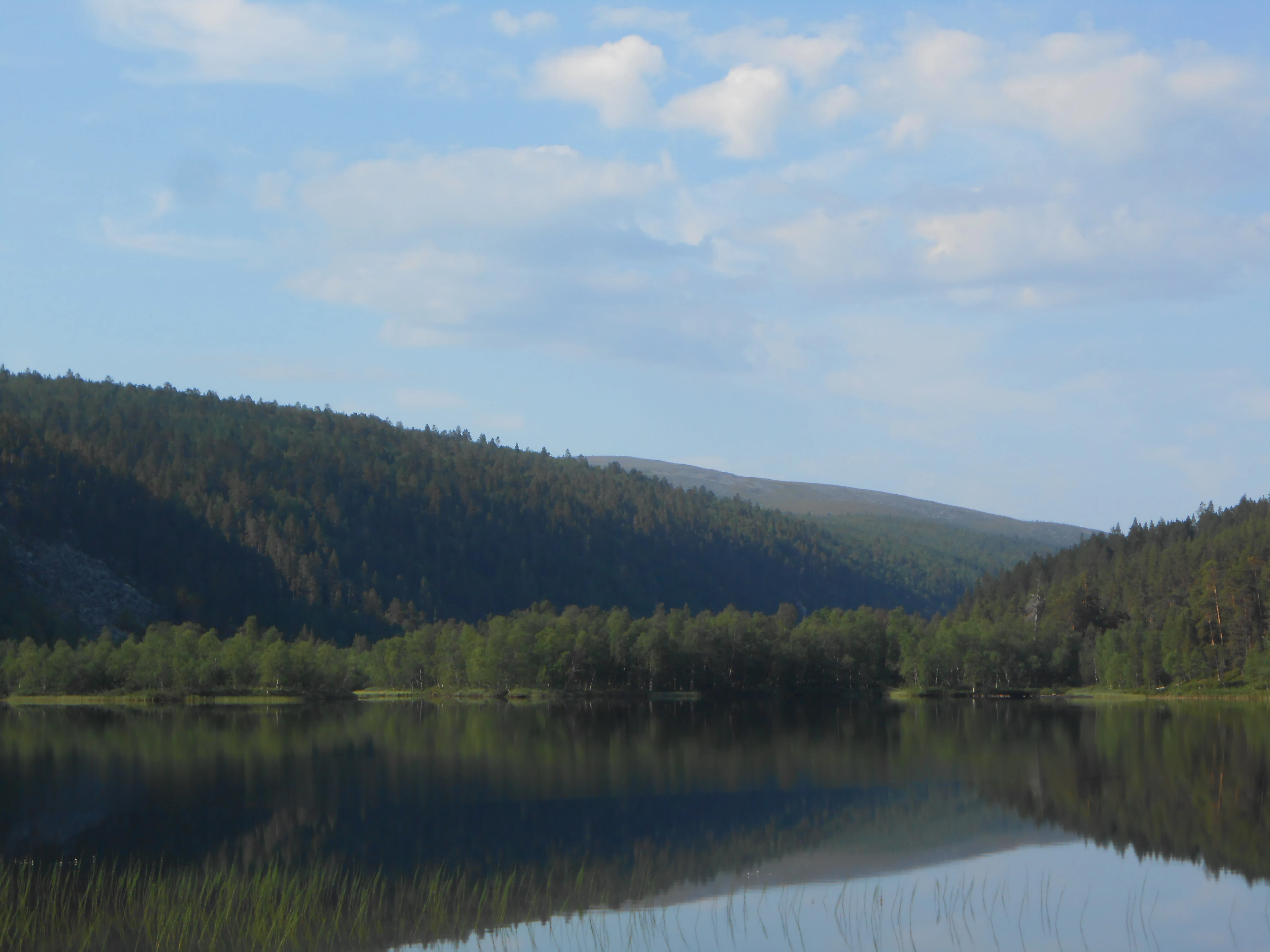
The landscape of Lemmenjoki National Park exemplifies the dramatic Arctic and sub-Arctic terrain of northern Finland, characterized by extensive boreal forest systems, winding river valleys, open heathlands, and scattered fells rising above the tree line. The Lemmenjoki River, flowing for 80 kilometres through the park, has carved a distinctive valley that serves as the park's central geographic feature, its course marked by gravel bars, river rapids, and riparian zones that contrast with the surrounding coniferous forests. The terrain varies from relatively flat marshy areas to gentle hills, with the landscape transitioning from dense spruce and pine forests in lower elevations to birch woodland and finally open alpine or sub-alpine tundra at higher elevations. The park's northern location well above the Arctic Circle means that the landscape experiences dramatic seasonal transformations, from the brief but intense growing season of summer to the prolonged snow-covered winter that defines the region for most of the year. The presence of the gold-bearing river terraces and glacial deposits adds geological interest to the landscape, while the relatively low human density has allowed natural processes to shape the terrain with minimal modification.
Lemmenjoki National Park ecosystems, habitats, and plant life
Lemmenjoki National Park protects one of Finland's most extensive and least disturbed boreal forest ecosystems, representing a critical area for biodiversity conservation in the European Arctic. The park's vast territory encompasses a range of habitat types including old-growth coniferous forests, peatlands and mires, riverine environments, and sub-alpine birch woodlands. These habitats support ecological communities adapted to the harsh Arctic climate, including species tolerant of prolonged winter cold and short summer growing seasons. The protected area functions as a significant corridor for wildlife movement across the northern landscape, connecting with the transboundary Anárjohka National Park in Norway to form a larger conservation unit. The Lemmenjoki River and its tributaries support aquatic ecosystems including populations of salmonid fish, with the river's gravel-bottomed sections providing spawning habitat. The park's designation as an IUCN Category Ib wilderness area reflects the priority given to allowing natural ecological processes to proceed without significant human intervention, maintaining the area's ecological integrity as a core conservation objective.
Lemmenjoki National Park wildlife and species highlights
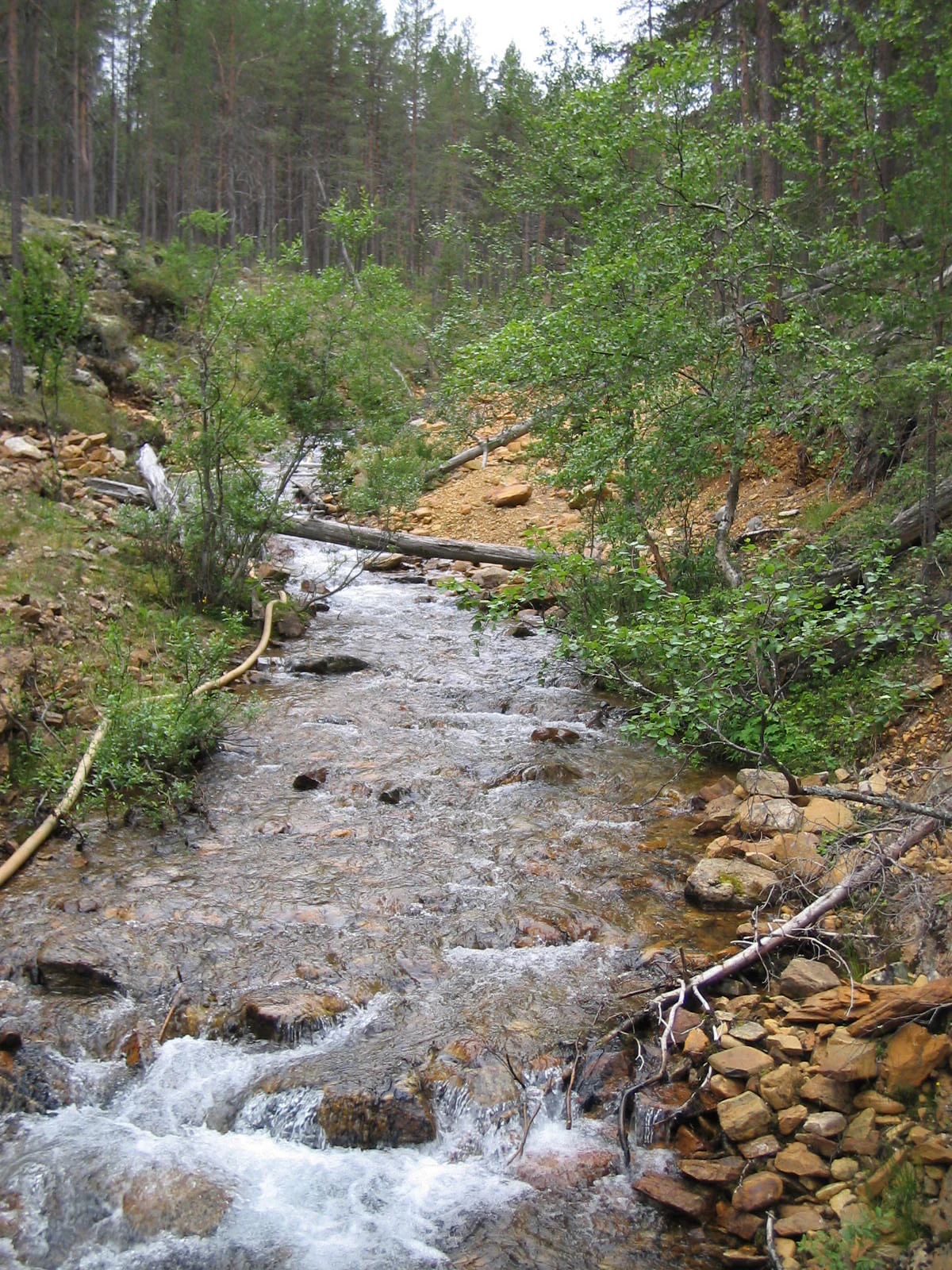
The wildlife of Lemmenjoki National Park reflects the Arctic and boreal character of northern Finland, with species communities adapted to the region's extreme seasonal variations. The extensive forest ecosystems provide habitat for typical northern mammal species including moose, reindeer (both wild and semi-domesticated from Sámi herding), and smaller mammals such as hares and foxes. The riparian areas along the Lemmenjoki River attract waterfowl and provide important feeding and resting habitat during migration periods. The river systems support populations of brown trout and grayling, maintaining traditional fishing opportunities that connect to the region's cultural heritage. Birdlife in the park includes species characteristic of northern boreal and Arctic environments, with the open fell areas and forest edges providing diverse nesting and foraging habitats. The park's position in Lapland places it within the range of species at the southern edge of their Arctic distribution, creating ecological significance as a transition zone between different biogeographic provinces. The wilderness character of the protected area ensures that wildlife populations can maintain natural population dynamics with minimal disturbance from human activity.
Lemmenjoki National Park conservation status and protection priorities
Lemmenjoki National Park serves as a flagship conservation area for Finland, representing the nation's commitment to protecting vast wilderness landscapes in an increasingly developed Europe. The park's IUCN Category Ib designation as a wilderness area places it among the highest protection categories for preserving natural ecosystems, emphasizing the importance of allowing ecological processes to function without significant human interference. The 2020 ban on mechanized gold mining demonstrates the park's evolving conservation priorities, transitioning from a management approach that permitted some extractive activities toward strict wilderness protection that prohibits heavy machinery and large-scale ground disturbance. This policy shift addressed concerns about environmental impacts including soil erosion, water quality degradation, disruption to fish populations, and interference with Sámi cultural practices. The restoration requirements imposed on former mining operators further reflect the park's commitment to ecological recovery and habitat restoration. The transboundary conservation relationship with Norway's Anárjohka National Park enhances the ecological significance of the protected area by creating an international wilderness corridor that supports ecosystem continuity across national borders.
Lemmenjoki National Park cultural meaning and human context
Lemmenjoki National Park exists within a landscape of deep cultural significance to the Sámi people, the indigenous inhabitants of northern Finland, Norway, and Sweden whose traditional territories include this region of Lapland. The park's Inari Sami name (Lemmee aalmuglâšmecci) and Northern Sami name (Leammi álbmotmeahcci) reflect this indigenous connection to the land, with the area serving as traditional territory for reindeer herding that remains an important cultural practice for Sámi communities. The prohibition on mechanized mining in 2020 was specifically motivated in part by concerns about impacts on Sámi traditional livelihoods, recognizing that habitat fragmentation and increased human presence from mining operations interfered with reindeer herding activities. The gold prospecting tradition, while not indigenous in origin, has become embedded in the region's cultural landscape since the 19th century, creating a unique cultural layer that distinguishes Lemmenjoki from other Finnish national parks. The Gold Route (Kultareitti) hiking trail preserves and communicates this heritage, passing through historically significant gold fields while educating visitors about prospecting methods, local legends, and regional geology.
Top sights and standout views in Lemmenjoki National Park
Lemmenjoki National Park offers visitors the rare opportunity to experience one of Europe's last great wilderness areas, with its vast 2,850 km² of protected territory providing endless possibilities for backcountry exploration. The Gold Route (Kultareitti) themed trail provides a uniquely Lemmenjoki experience, leading hikers through historic gold prospecting sites while explaining the methods and cultural significance of this enduring tradition. The park's network of over ten free wilderness huts and three bookable accommodations enables multi-day backpacking adventures through the Arctic landscape, while approximately 60 kilometres of marked trails provide accessible options for day visitors. The chance to witness traditional gold panning in action, with prospectors working the river gravels using methods unchanged for generations, offers a connection to the region's living heritage that few other protected areas can match. The park's transboundary location adjacent to Norway's Anárjohka National Park creates opportunities for international wilderness experiences that cross between countries.
Best time to visit Lemmenjoki National Park
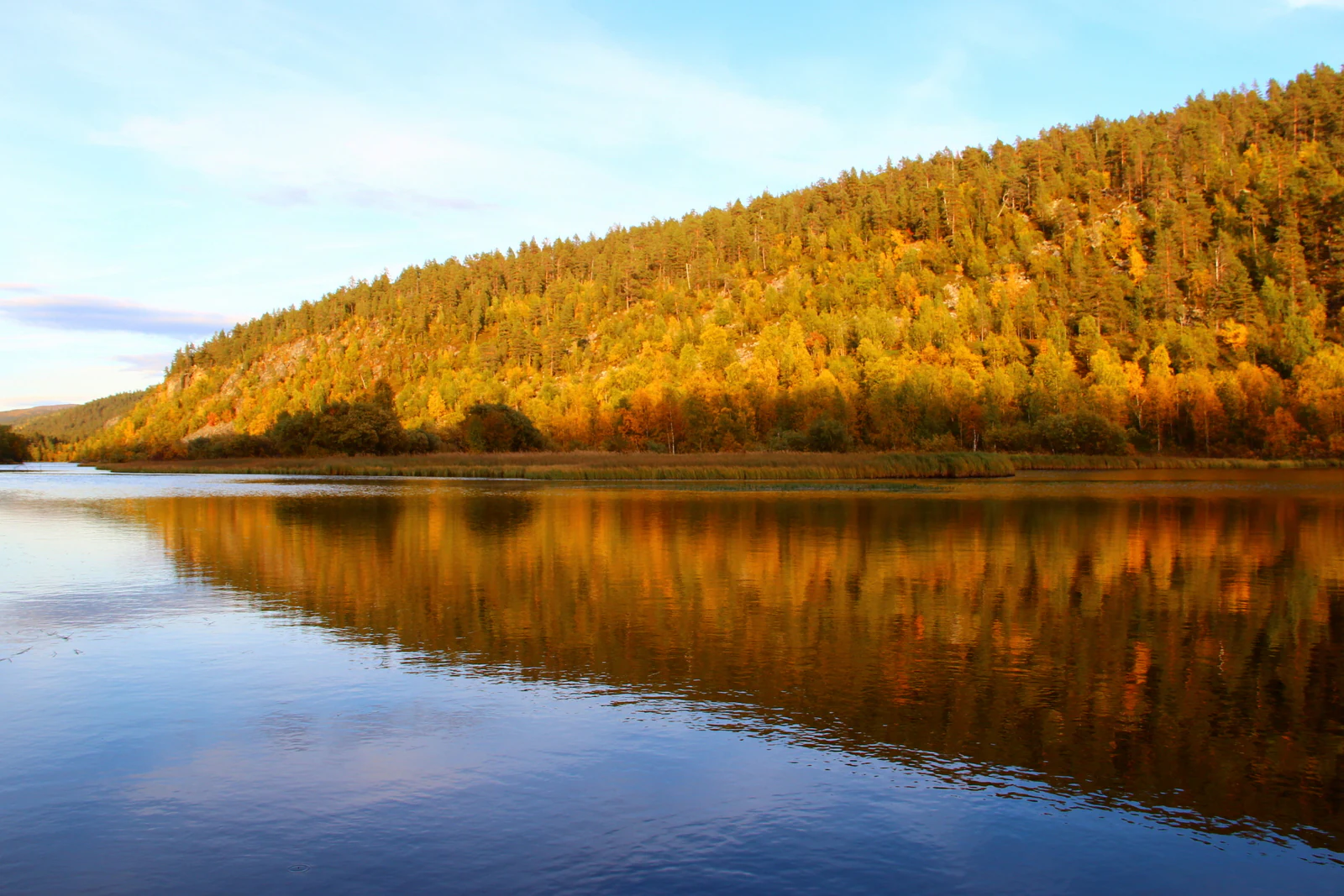
The optimal time to visit Lemmenjoki National Park is during the summer months of June through August, when the midnight sun illuminates the Arctic landscape for extended periods, allowing for long days of exploration along the park's trails and river valleys. This period coincides with the active gold prospecting season, when visitors may observe traditional panning activities along the Lemmenjoki River. The summer also offers the most comfortable conditions for backcountry hiking, with relatively mild temperatures and abundant daylight. The shoulder seasons of late May and early September offer alternative experiences, with autumn bringing the spectacular colours of the boreal forest and spring signaling the return of migratory birds. Winter visits are possible but require specialized equipment and preparation for extreme cold and limited daylight, making them suitable only for experienced winter wilderness travelers. The park's popularity with backcountry hikers means that summer weekends can be busy, while weekday visits and the shoulder seasons offer more solitude.