Why Stabbursdalen National Park stands out
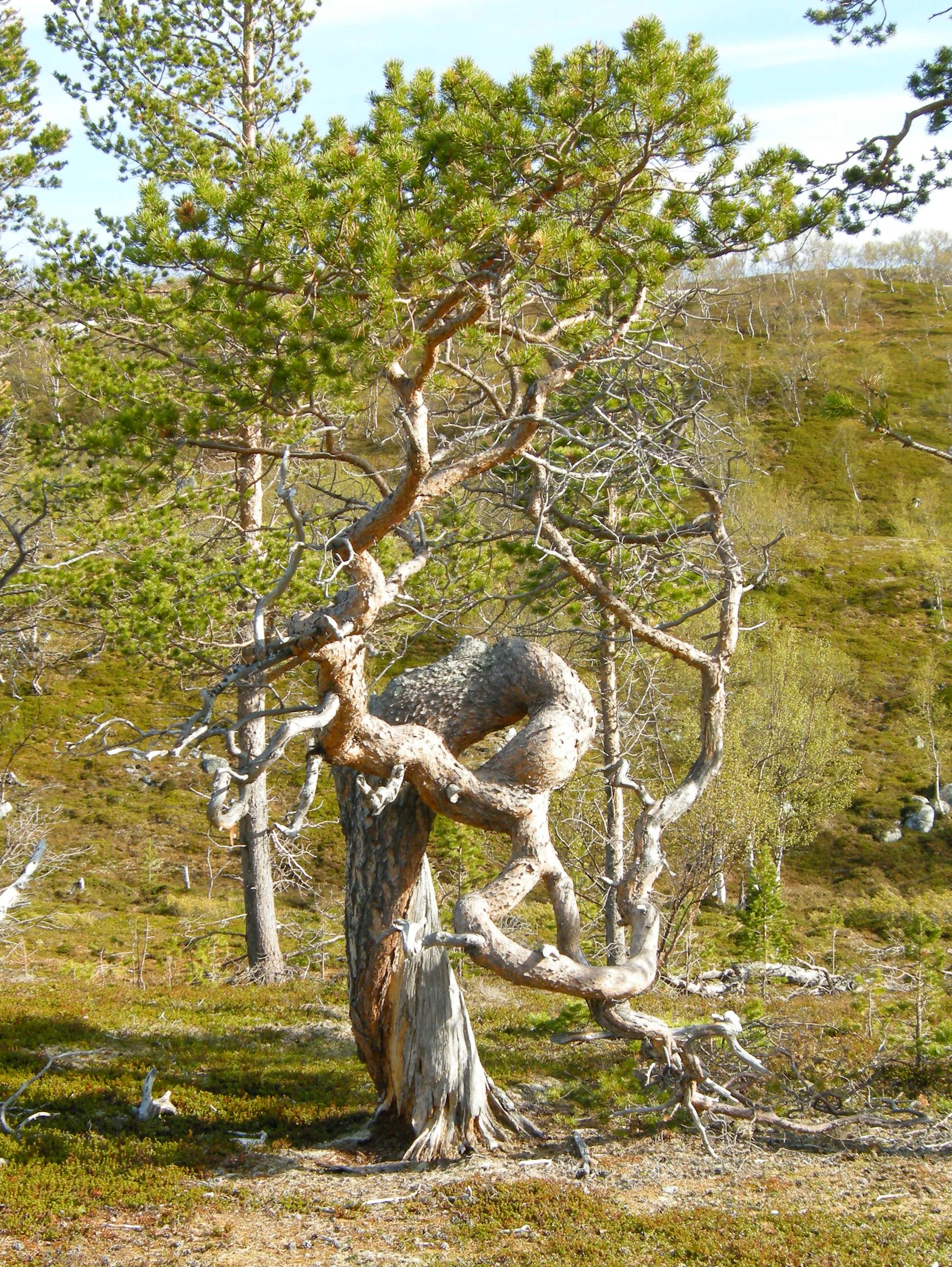
The park is exceptional for protecting the world's northernmost Scots pine forest, a relict ecosystem that represents the extreme northern limit of tree growth in the Northern Hemisphere. This pine woodland, surviving in a sheltered valley, is the remnant of forests that spread far inland during warmer climatic periods thousands of years ago. The woodland is open with low, wind-shaped pine trees, growing slowly in the harsh Arctic conditions on dry, lichen-covered soil. This makes Stabbursdalen a living laboratory for understanding forest ecosystem limits and climate-driven vegetation changes.
Stabbursdalen National Park history and protected-area timeline
Stabbursdalen was first established as a protected area on February 6, 1970, originally protecting a 98-square-kilometer area of pine forest surrounding the Stabburselva river. At the time of establishment, the focus was specifically on preserving this remarkable northernmost pine forest, which had long been recognized as botanically significant. The initial protected area, while smaller than today, recognized the ecological importance of this northern woodland remnant.
In 2002, the park underwent a major expansion, growing to its current size of 747 square kilometers. This expansion reflected a broader understanding of the need to protect not just the pine forest itself but the entire watershed and landscape context that sustained it. The expansion also incorporated additional representative landscapes of Finnmark, including mountain plateaus, ravines, and wetlands, creating a more comprehensive protected area that could sustain ecological processes at a larger scale. The governing body is the County Governor of Finnmark, which manages the park in coordination with local interests.
Stabbursdalen National Park landscape and geographic character
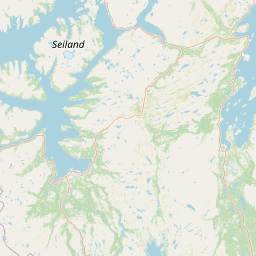
The physical landscape of Stabbursdalen National Park showcases the characteristic terrain of Finnmark in northern Norway. The park encompasses a complex topography dominated by barren mountains and open plateaus, with narrow ravines cutting through the higher terrain. The Stabburselva river is the central hydrological feature, flowing through the park in a series of distinct segments: cascading over rocky ledges as waterfalls, rushing through narrow channels as rapids, and pooling in deep still bends where the terrain flattens. At Luobbal, also known as Lompola, the river widens and flows gently into wide, shallow bays.
To the southeast, the bare and rugged mountains of Gaissene present a dramatic backdrop of exposed rock and steep terrain. In contrast, the terrain to the north and west is characterized by ancient, undulating hills worn smooth by millennia of weathering. The valley floor itself supports the park's most distinctive feature—the ribbon of pine woodland that follows the river's course—while the surrounding hills are covered in mountain birch and open tundra. The combination of water, woodland, and mountain creates a visually striking Arctic landscape of considerable diversity.
Stabbursdalen National Park ecosystems, habitats, and plant life
The ecological character of Stabbursdalen is defined by the tension between boreal and Arctic ecosystems meeting at the northern limit of tree growth. The park's botanical centerpiece—the Scots pine forest—represents a relict ecosystem that dates to the Holocene thermal period when climate was warmer and pine forests spread far inland along the fjords and valleys of northern Norway. As temperatures declined, the forest retreated to the most sheltered valleys where conditions remained suitable, and Stabbursdalen represents one of these final strongholds.
The pine woodland is open and sparse, characterized by low, shrubby trees shaped by wind and frost. The trees grow slowly in the harsh conditions, and the dry, sterile soils can only support a poor undergrowth of lichen and heather. This creates a distinctive landscape of wind-stunted trees growing on a carpet of Arctic mosses and lichens. At Luobbal, the wetlands form a remarkable fertile oasis amid the barren terrain, where willow and sedge grow thick along the riverbanks, supporting a much richer plant community than the surrounding hills. This contrast between the open pine woodland, the wetland meadows, and the barren mountain slopes creates a mosaic of habitats within a relatively compact area.
Stabbursdalen National Park wildlife and species highlights
Stabbursdalen National Park supports a diverse bird community that depends on the park's varied habitats. The wetlands at Luobbal are particularly important as breeding grounds, especially for ducks and other waterfowl that nest in the dense vegetation along the river. The park marks the most northerly habitat limit for several species, including black grouse, which inhabits the interface between woodland and open terrain, and osprey, which hunts along the river and pools. The old, hollow pine trees provide ideal nesting cavities for goldeneye and goosander, diving ducks that require tree cavities for breeding.
The surrounding mountains and plateaus support Arctic species adapted to the harsh conditions, while the river itself contains populations of Arctic char and other cold-water fish. Historically, the area supported populations of wild reindeer, with pit-fall traps evidence of traditional hunting practices, though domestic reindeer herding became the dominant use from the 17th century onward. Today, the reindeer still use the area for summer grazing, maintaining the traditional connection between the Sami people and this landscape.
Stabbursdalen National Park conservation status and protection priorities
Stabbursdalen National Park represents one of the most northerly protected areas in Europe and serves multiple conservation objectives. The protection of the world's northernmost pine forest is the park's defining mission, as this ecosystem represents a critical relict of boreal forest that once covered much wider areas during warmer climatic periods. Preserving this forest allows for the study of ecosystem dynamics at the edge of tree growth and provides a reference point for understanding climate change impacts on northern ecosystems.
Beyond the pine forest, the park conserves representative samples of Finnmark's diverse landscapes, from mountain plateaus to river valleys and wetlands. The wetlands are particularly important for migratory birds, serving as crucial breeding and staging areas in the Arctic. The protection of the Stabburselva watershed ensures the integrity of the river ecosystem, including its fisheries and the riparian habitats that depend on natural flow regimes. The expansion in 2002 reflected an ecosystem-based approach to protection, recognizing that isolated forest reserves needed to be embedded within larger landscapes to sustain their ecological values.
Stabbursdalen National Park cultural meaning and human context
The landscape of Stabbursdalen has been shaped by centuries of human use by the Sami people, particularly the coastal Sami (sjøsamene) who relied on the valley's natural resources for their subsistence. Traditional activities included hunting, fishing, and collecting animal fodder, practices that left few visible traces in the landscape through careful, sustainable harvesting. At Luobbal, sedge was historically cut for winter fodder for livestock, while the forest provided timber for building boats and houses. The remains of pit-fall traps, used to hunt wild reindeer, can still be found in the terrain, though domestic reindeer herding became prevalent from the 17th century onward. Today, the park area provides summer grazing for reindeer, maintaining this traditional use. The valley's name reflects a complex history—originally named "Tabors dal" by an 18th-century missionary after Mount Tabor, it was later folk-etymologized as "Stabbursdalen," incorrectly assuming the first element came from "stabbur," a type of storehouse, though no such building ever existed in the valley.
Top sights and standout views in Stabbursdalen National Park
Stabbursdalen National Park offers a rare glimpse into the extreme limits of forest ecosystems in the Northern Hemisphere. The world's northernmost pine forest remains the park's most distinctive feature, a living remnant of warmer times now preserved for scientific study and ecological value. The contrast between the open, wind-shaped pine woodland and the barren mountain plateaus creates a visually striking Arctic landscape. The Stabburselva river, with its waterfalls, rapids, and quiet pools, provides the scenic spine of the park and supports rich wetland habitats at Luobbal. The park serves as an important area for Arctic birdlife, with species at the northern limit of their range finding suitable breeding habitat. The cultural heritage of the Sami people, whose traditional use shaped the landscape over centuries, adds historical depth to the natural values.
Best time to visit Stabbursdalen National Park
The optimal season for visiting Stabbursdalen National Park is during the Arctic summer, from late June through August, when temperatures are mildest and daylight is extensive. The long days of the midnight sun period allow extended exploration of the park's landscapes, and the relatively warm conditions make outdoor activities more comfortable. Summer is also the best season for wildlife observation, particularly birds, as breeding activity is at its peak and species are most active. The river is accessible for fishing during this period, and the wetlands are alive with waterfowl. Winter visits are challenging due to extreme cold, limited daylight, and difficult access conditions, though the snow-covered landscape offers a different perspective on this northern environment. Spring and autumn provide transitional conditions with variable weather and more limited services.