Why Reisa National Park stands out
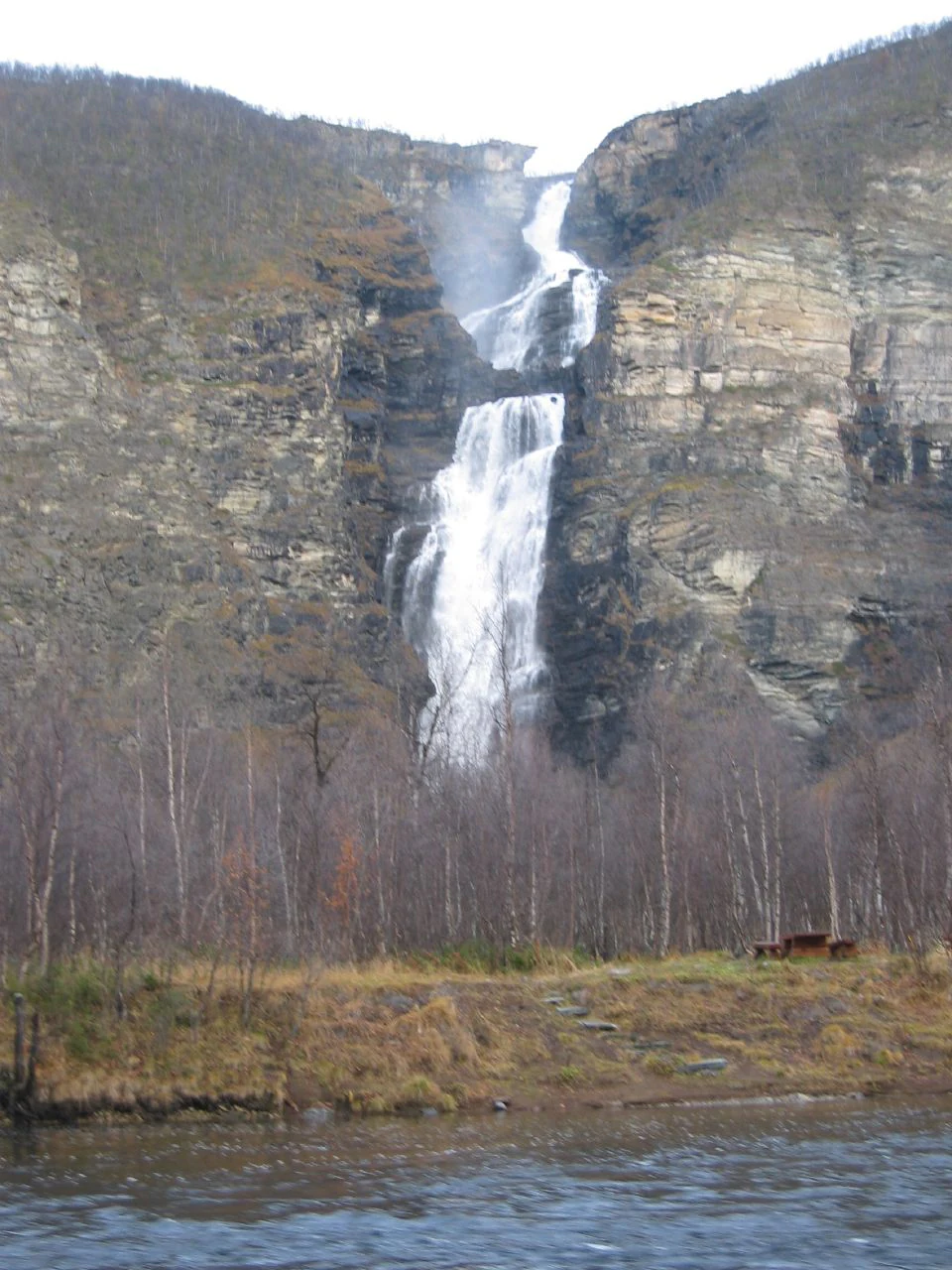
Reisa National Park is best known for its dramatic river-cut valley and canyon system within the subarctic landscape of northern Norway. The park protects the Reisadalen valley, where the Reisa River has carved deep gorges through the mountain plateau, creating spectacular scenery with cascading waterfalls including the 269-meter Mollisfossen. The park is significant for its predator populations, hosting rough-legged buzzards as the most common bird of prey alongside golden eagles, gyrfalcons, wolverines, Eurasian lynx, and occasional brown bears. The Sámi place name Njállaávzi (meaning Arctic fox gorge) reflects the historical presence of Arctic foxes in the area.
Reisa National Park history and protected-area timeline
The valley and adjacent mountains of what is now Reisa National Park have been valuable for hunting, animal trapping, and fishing for centuries. The local population historically engaged in traditional practices that left lasting marks on the landscape. Scots pine forests were harvested for timber and tar production, with nearly every farm in the valley earning supplementary income from tar production—a practice that continued far into the 20th century. The remains of many tar kilns can still be found throughout the area. Snares are sometimes still set to catch ptarmigan and willow grouse in the traditional manner, continuing centuries-old hunting practices. The park and surrounding areas provided crucial seasonal grazing for semi-domesticated reindeer, with herds moving between coastal areas in summer and the interior Finnmark region near Kautokeino in winter. The establishment of the park in 1986 formalized protection for this landscape while acknowledging its historical importance as a working wilderness.
Reisa National Park landscape and geographic character
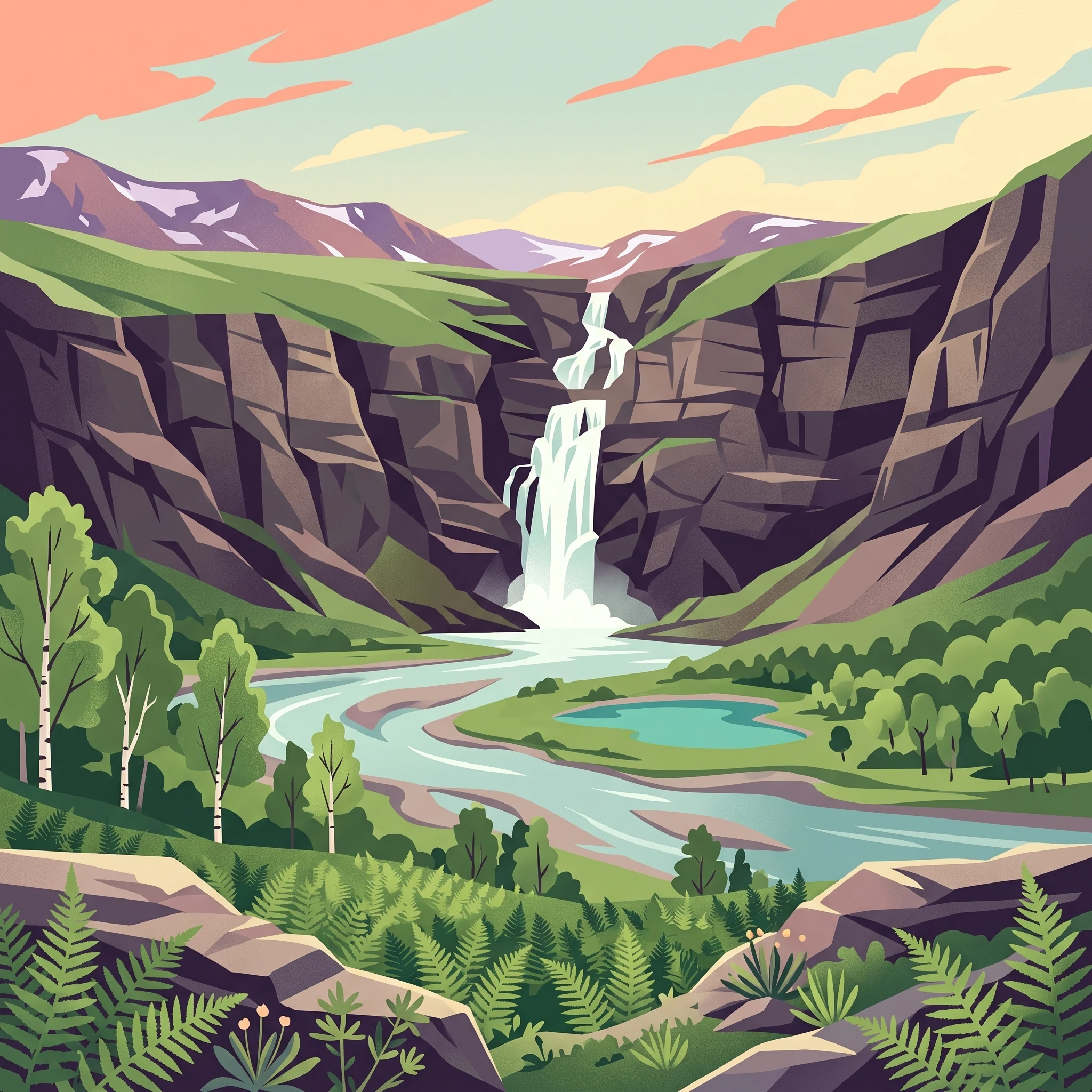
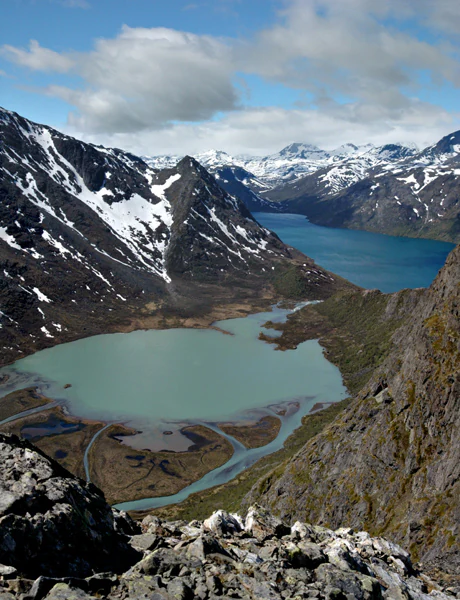
The physical landscape of Reisa National Park is defined by the dramatic valley system carved by the Reisa River through a high mountain plateau. The river has cut a deep canyon north of the village of Imo, creating the long, relatively fertile valley known as Reisadalen that bisects the park. Steep gorges descend from the plateau into the valley floor, with numerous waterfalls cascading into these carved channels. The Mollisfossen waterfall, dropping 269 meters, is among the most spectacular in the region. The surrounding terrain consists of mountainous plateau country typical of northern Norway's subarctic interior, with elevations rising from the valley floor to alpine terrain. The combination of river-carved valley, steep gorges, and cascading waterfalls creates a landscape of considerable scenic diversity within the subarctic environment.
Reisa National Park ecosystems, habitats, and plant life
The nature of Reisa National Park reflects the subarctic environmental conditions of northern Norway, supporting ecosystems adapted to harsh winters and short summers. The valley floors support birch forest with fern understory, while the surrounding higher terrain features tundra vegetation appropriate to the latitude and elevation. The Reisa River and its tributaries provide aquatic habitat through the valley system. The landscape supports a mix of boreal and arctic species at the southern edge of their range, creating an ecological transition zone. The park's protected status ensures the continuation of these subarctic ecosystems and the ecological processes that sustain them, including the seasonal movements of reindeer that have traditionally utilized the area.
Reisa National Park wildlife and species highlights
Reisa National Park supports a notable community of wildlife, with particular significance attached to birds of prey and large predators. The rough-legged buzzard is the most common bird of prey in the park, a characteristic species of northern regions. Hikers may also spot golden eagles, common kestrels, and gyrfalcons soaring over the terrain or hunting in the valleys. Among mammals, wolverines and Eurasian lynx are resident in the park and surrounding mountains, representing significant predators in the Norwegian fauna. The largest Norwegian predator, the brown bear, is occasionally seen within the park boundaries. The Sámi place name Njállaávzi, meaning Arctic fox gorge, suggests that Arctic foxes must have historically lived in the area, though their current status in the park is less clear. The surrounding mountains provide habitat for species typical of northern Norwegian wilderness.
Reisa National Park conservation status and protection priorities
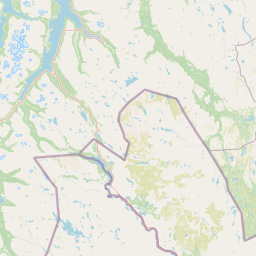
Reisa National Park serves as an important protected area within Norway's network of national parks, preserving a representative subarctic landscape in the northern regions. The park's establishment in 1986 formalized protection for the Reisadalen valley system and its surrounding terrain, recognizing both its natural values and cultural significance. As an IUCN Category II protected area, the park aims to protect ecological processes and biodiversity while allowing for sustainable recreation and traditional land use. The presence of significant predator populations—including wolverines, Eurasian lynx, and occasional brown bears—indicates the ecological integrity of the area. The park's adjacency to Käsivarsi Wilderness Area in Finland creates a transboundary conservation context that supports broader ecosystem protection across the international border.
Reisa National Park cultural meaning and human context
Reisa National Park lies within a region of deep cultural significance to the Sámi people, the indigenous inhabitants of northern Norway, Sweden, Finland, and Russia. The valley and adjacent mountains have been important for traditional livelihoods including hunting, fishing, and reindeer herding for centuries. The Sámi name for part of the gorge—Njállaávzi, meaning Arctic fox gorge—reflects the historical presence of Arctic foxes and the naming conventions of the indigenous culture. Traditional practices such as setting snares for ptarmigan and willow grouse continue in some form, while the remains of tar kilns from the historic pine tar industry can still be found throughout the valley. The semi-domesticated reindeer herds that utilize the park area in spring, summer, and autumn represent a continuation of pastoral traditions that have shaped the landscape for generations, with seasonal movements between coastal grazing areas and interior winter ranges.
Top sights and standout views in Reisa National Park
The park protects one of Norway's most dramatic river valleys in the subarctic north, with the Reisa River having carved a spectacular canyon system through mountain plateau terrain. Mollisfossen waterfall at 269 meters ranks among Norway's tallest and most impressive. The wildlife viewing opportunities include rough-legged buzzards, golden eagles, gyrfalcons, wolverines, and occasional brown bears in a relatively accessible mountain landscape. The valley has been a working landscape for centuries, with tar production and reindeer herding leaving cultural traces visible throughout the area. The park forms part of a cross-border wilderness area with adjacent Finnish protection.
Best time to visit Reisa National Park
Reisa National Park can be visited throughout the year, with each season offering distinct character. Summer months (June through August) provide the most accessible conditions for hiking and wildlife viewing, with long daylight hours and relatively mild temperatures in the valley. Autumn brings excellent conditions for observing migratory birds and experiencing the subarctic landscape in its fall colors. Winter transforms the valley into a snow-covered wilderness, though access becomes more challenging. The shoulder seasons of late spring and early autumn often offer the best combination of accessibility and relatively stable weather for exploring the park's landscapes and wildlife.