
Why Madikwe Game Reserve stands out
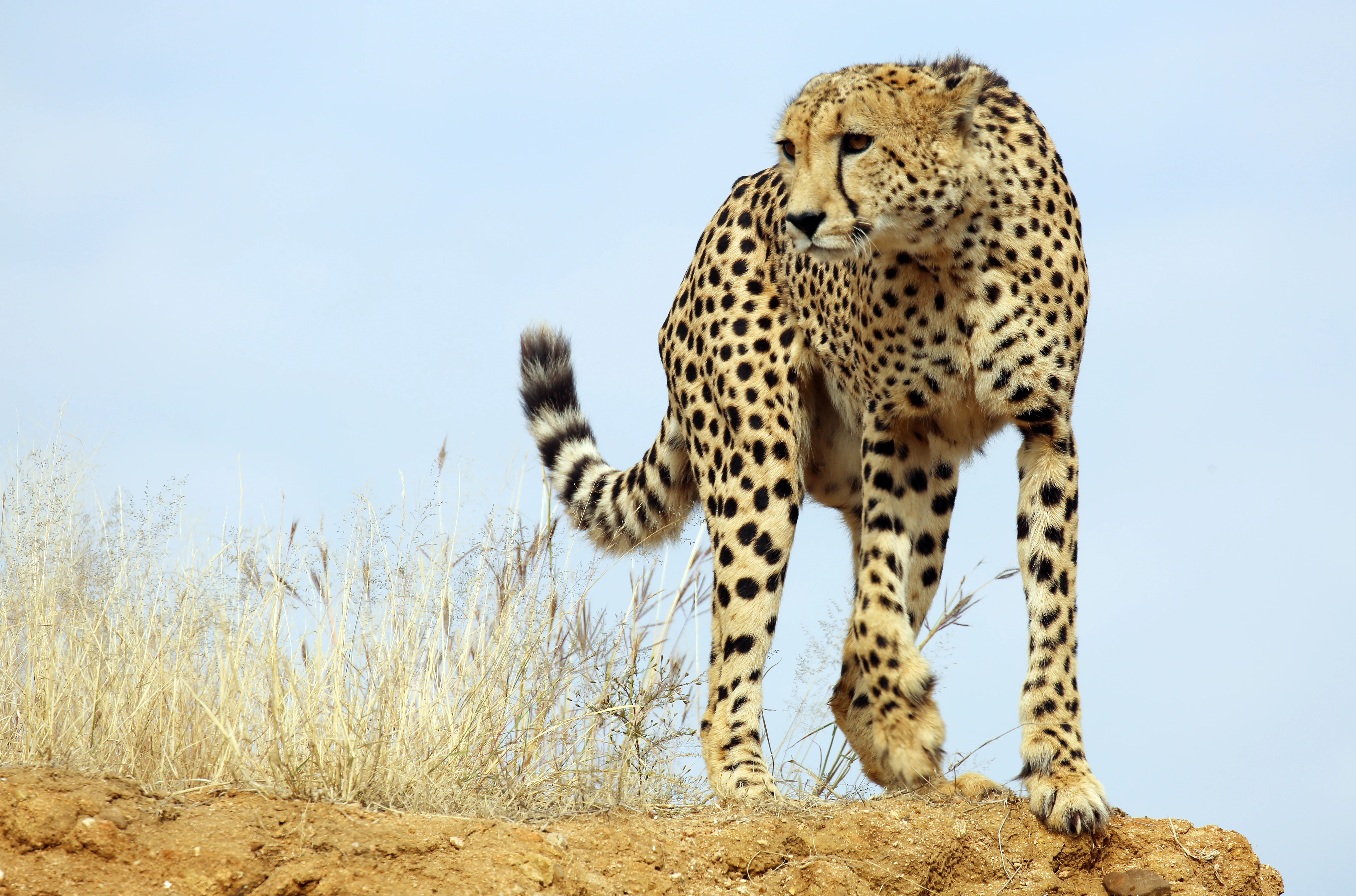
Madikwe is best known for Operation Phoenix, the massive reintroduction program that brought entire breeding herds of elephants, buffalo, and both black and white rhinoceroses back to land that had been cleared for farming. The reserve is also recognized for the dramatic recovery of its elephant population, which expanded from a founding group of around 220 in the 1990s to more than 1,600 individuals today, a success that has also raised questions about the carrying capacity of the landscape. Beyond its reintroduction story, Madikwe is valued for its semi-arid bushveld character on the edge of the Kalahari, where grasslands, rocky outcrops, and seasonal water sources combine to support lions, cheetahs, wild dogs, hyenas, and a rich mix of antelope species.
Madikwe Game Reserve history and protected-area timeline
The history of Madikwe Game Reserve is unusual among South Africa's major protected areas because it is a comparatively young reserve built on land with a much older history of human use. Before its establishment, the area was actively farmed, and the decision to convert it into a game reserve was driven in part by economic rather than purely ecological reasoning. Analysts found that wildlife-based tourism and conservation would create more jobs and long-term economic value than the existing agricultural activities, offering a path out of poverty for surrounding communities.
This economic rationale helped justify the rapid scale-up of what was to become one of southern Africa's most ambitious wildlife reintroduction efforts. Beginning in 1992, under the codename Operation Phoenix, conservation authorities oversaw the relocation of entire breeding herds of large mammals from other parts of southern Africa. The animals reintroduced in this early phase included African bush elephants, African buffalo, and significant numbers of both south-central black rhinoceroses and southern white rhinoceroses, establishing a foundational population of the so-called big five megafauna.
In the years that followed, attention expanded to restoring a full predator community. Lions, cheetahs, spotted hyenas, and African wild dogs were progressively introduced to the reserve, rounding out the reserve's ecological profile and increasing its appeal as a wildlife destination. The reserve was officially opened in 1994, and as the ecosystem matured, populations of several species expanded far more quickly than initially anticipated.
By the 2020s, Madikwe's elephant population had grown from the founding group of about 220 individuals in the early 1990s to more than 1,600, prompting renewed discussion about the reserve's ecological carrying capacity and the management tools needed to maintain a healthy balance between wildlife, habitat, and tourism.
Madikwe Game Reserve landscape and geographic character
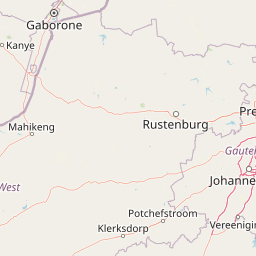
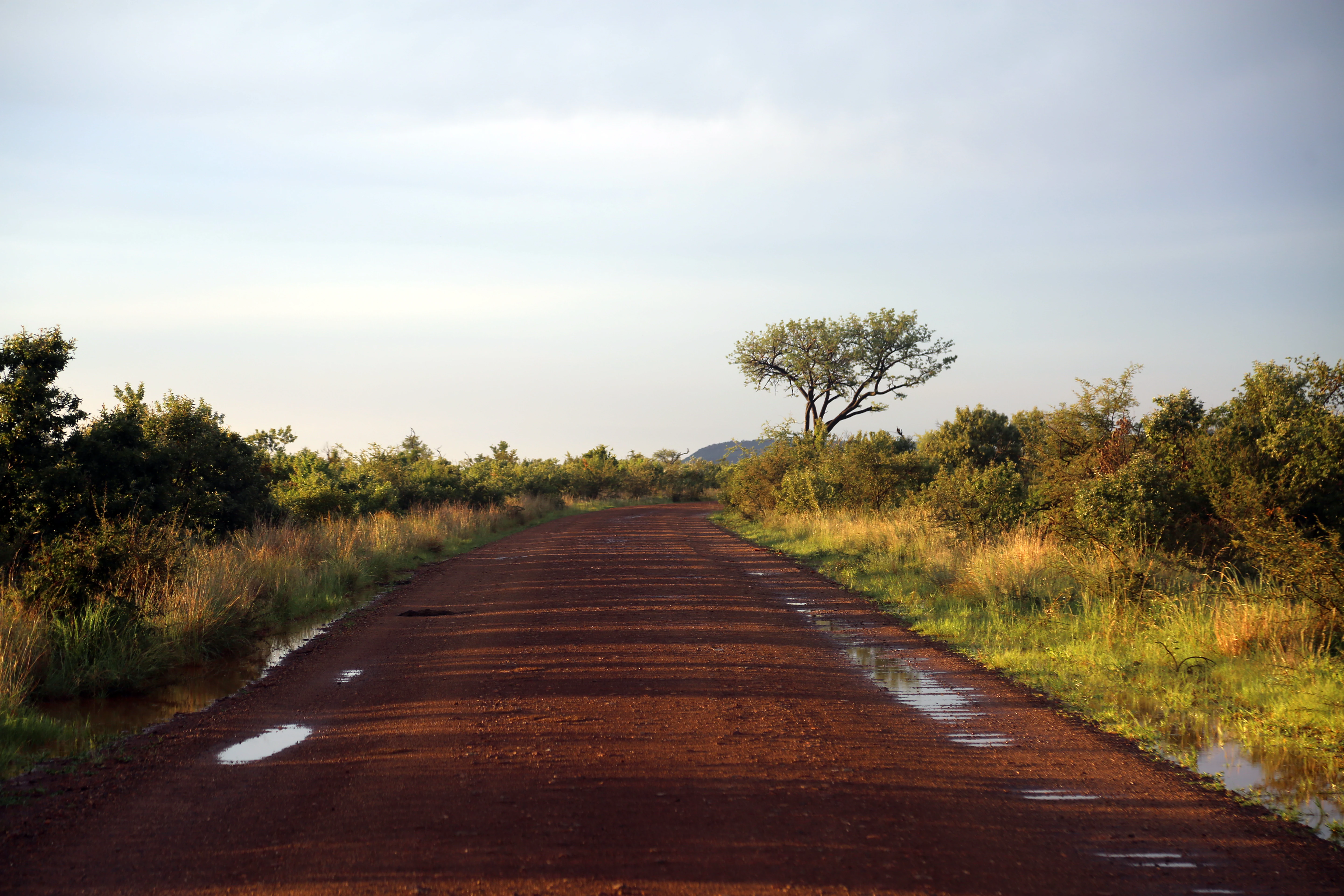
Madikwe Game Reserve occupies a broad swath of bushveld in South Africa's North West Province, just north of the small town of Groot-Marico and stretching up to the Botswana border. The reserve's 750 square kilometers are dominated by open grasslands and typical bushveld plains, where the vegetation is adapted to the dry, semi-arid conditions of the region. Scattered across this otherwise rolling terrain are rocky outcrops and isolated single mountains that break the horizon and create varied microhabitats for both plants and animals.
Madikwe lies on the basin of the Madikwe River, also known as the Marico River, which gives the reserve its name and helps shape its drainage and vegetation patterns. The broader setting places the reserve at the southeastern fringe of the Kalahari, a position that influences both the climate and the character of the landscape. Because rainfall is concentrated in a single rainy season and largely absent during winter, water availability is a defining factor in how the land looks throughout the year, with denser vegetation typically clustered near rivers and water points and more open, sparse cover across the drier plains.
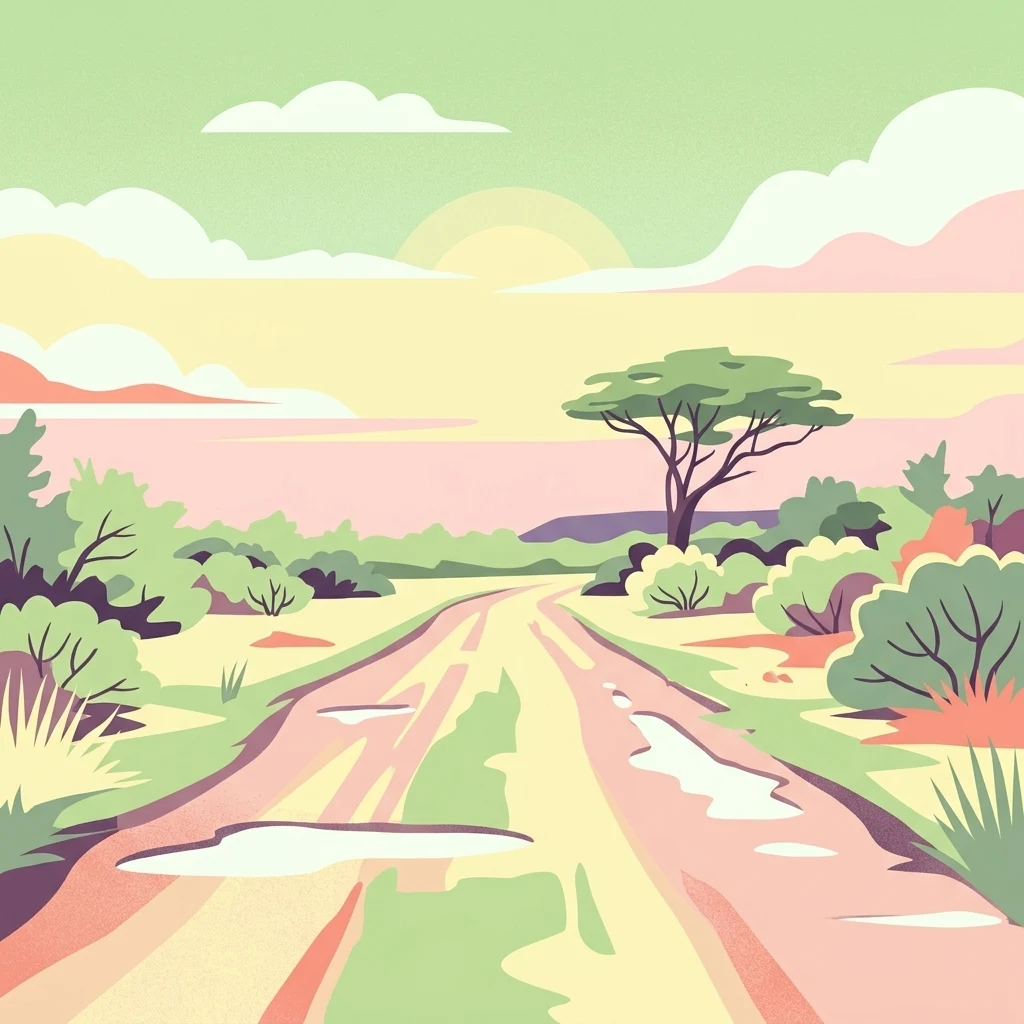
The result is a classic southern African semi-arid wilderness scene: wide horizons, low rocky ridges, gently undulating grasslands, and a sense of openness that contrasts with the denser bush found in wetter parts of the country. This landscape provides the backdrop for some of the reserve's most celebrated views, including sweeping vistas over plains where wildlife congregations are concentrated near remaining water sources during the dry months.
Madikwe Game Reserve ecosystems, habitats, and plant life
The natural character of Madikwe Game Reserve is shaped by its position at the meeting point between productive bushveld and the dry edge of the Kalahari. Vegetation across the reserve consists mainly of open grasslands and bushveld plains, adapted to a semi-arid climate with a strongly seasonal rainfall pattern. The mosaic of grassy plains, scattered woody vegetation, and exposed rocky areas creates a varied habitat structure that supports different forms of wildlife in different parts of the reserve.
Because rainfall is largely confined to the warmer months, much of the reserve's ecological drama plays out around water. During the dry winter season, rivers, waterholes, and artificial water points become focal points for both vegetation and animal activity, drawing browsers, grazers, and predators into closer proximity. The reserve's rocky outcrops and isolated hills add another layer of habitat complexity, providing shelter, denning sites, and lookout points for a range of species.
Although much of Madikwe's biodiversity sits in the wider region, the reserve itself hosts a high concentration of mammal species, thanks largely to Operation Phoenix, which intentionally rebuilt the ecological community from a near-empty agricultural landscape into a functioning savanna ecosystem. The combined result is a young but ecologically rich reserve whose nature is defined as much by successful restoration as by its underlying climatic and geographic setting.
Madikwe Game Reserve wildlife and species highlights
Madikwe Game Reserve is best known for the breadth and intensity of its mammal community, which was largely rebuilt from scratch in the early 1990s. Under Operation Phoenix, breeding herds of African bush elephants, African buffalo, and both south-central black rhinoceroses and southern white rhinoceroses were relocated to the reserve, establishing a base of large herbivores and high-profile megafauna. In the years that followed, the reserve also reintroduced several major predators, including lions, cheetahs, spotted hyenas, and African wild dogs, completing a food chain that gives the reserve strong wildlife-viewing appeal.
Today more than sixty mammal species are recorded in Madikwe, a diversity that includes a wide range of antelopes and other grazers alongside the more attention-getting large species. Among the animals most often associated with the reserve are African elephants, whose population has grown dramatically since reintroduction, as well as lions and cheetahs, both of which are central to predator-viewing experiences.
The wildlife dynamic at Madikwe is strongly shaped by the dry winter months, when water becomes scarce and animals tend to congregate around remaining water sources. This concentration makes game viewing especially rewarding in winter, while in summer the reserve is generally lush and active, with frequent afternoon thunderstorms bringing brief but powerful shifts in animal behavior across the landscape.
Madikwe Game Reserve conservation status and protection priorities
Madikwe Game Reserve is a textbook example of large-scale conservation-based landscape transformation. Where farmland once dominated, a now-functioning savanna ecosystem supports reintroduced populations of elephants, buffalo, both black and white rhinoceroses, and several large predators, alongside a wider community of more than sixty mammal species. The reserve's founding rationale, that conservation could deliver more sustainable jobs and economic value than agriculture, gives it an enduring social as well as ecological significance.
The reserve also serves as an important living case study in the management of recovering wildlife populations. The growth of its elephant population from around 220 individuals in the early 1990s to more than 1,600 today is widely regarded as exceeding the reserve's intended ecological carrying capacity, raising difficult and ongoing questions about how to balance thriving wildlife numbers with habitat health, biodiversity goals, and the long-term sustainability of the ecosystem.
In addition, Madikwe plays a recognized role in the conservation of threatened species such as the south-central black rhinoceros and the African wild dog, both of which are species of significant conservation concern in southern Africa. The reserve's status as a protected area on the Botswana border also gives it broader regional conservation value, helping to anchor wildlife connectivity and ecological integrity in a part of South Africa that bridges intensively used land in the south and wilder landscapes further north.
Top sights and standout views in Madikwe Game Reserve
Madikwe Game Reserve is highlighted by the scale of its Operation Phoenix reintroduction, the breadth of its mammal community across more than sixty species, and the striking visibility of its large predators and elephants against an open bushveld backdrop. Its setting on the edge of the Kalahari gives it a distinctly semi-arid character, while its proximity to the Botswana border adds to the sense of wild, open space.
Best time to visit Madikwe Game Reserve
Madikwe can be visited throughout the year, with both the rainy summer season and the dry winter period offering different kinds of experience. Summers are hot, with daytime temperatures often around 32 degrees Celsius and mild evenings near 18 degrees Celsius, and they overlap with the rainy season, when cooling late-afternoon thunderstorms are common and the bushveld is at its greenest and most lush.
Winters are dry and cooler, with mild days around 21 degrees Celsius and chilly nights close to 3 degrees Celsius. This is generally considered an excellent period for game viewing because wildlife tends to concentrate around the remaining water sources, making animals easier to observe. The choice between seasons often comes down to whether the visitor prefers the green vibrancy of summer or the more predictable animal sightings of the dry winter months.