Why Merras-Petromoudkia stands out
Merras-Petromoudkia is best known as a bird-focused Mediterranean conservation site, with its formal recognition tied directly to safeguarding 45 protected bird species. The site combines four contrasting habitat types, including arborescent matorral with Zyziphus, Sarcopoterium spinosum phryganas, pseudo-steppe grasslands of the Thero-Brachypodietea class, and southern riparian galleries and shrub communities. The combination of dry Mediterranean shrubland with patches of taller vegetation and limited riparian features makes the area particularly valuable for species that rely on a mosaic of open country and woody cover. Raptors, ground-nesting steppe birds, and Mediterranean passerines all find usable habitat across the site.
Merras-Petromoudkia history and protected-area timeline
Merras-Petromoudkia was formally declared as a Special Protection Area in June 2022, becoming part of the Natura 2000 network in Cyprus. The designation was driven by the need to protect 45 bird species recorded on or near the site and was supported by the identification of four habitat types of conservation interest under the European Habitats Directive framework.
Its establishment reflects the progressive expansion of the Natura 2000 network in Cyprus, particularly during the years when the country consolidated its protected-area base to align with European Union environmental standards.
Merras-Petromoudkia landscape and geographic character
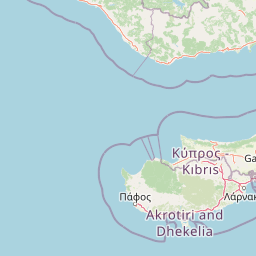
Merras-Petromoudkia sits in the heart of central Cyprus, within the broader Mediterranean ecoregion. The terrain is fully terrestrial and reflects a typical Mediterranean-inland setting rather than a coastal or mountainous one, blending gentle rural landforms with weathered shrubland and exposed open ground.
The landscape is defined by low-intensity land use, patches of Mediterranean shrubs, and patchy grassland. Local relief in central Cyprus is generally moderate, supporting landscape patterns associated with phrygana vegetation, scattered taller shrubs, and openings between woody cover. This mix gives the site a characteristic mosaic appearance, with denser shrub patches interspersed with more open steppe-like expanses.
The riparian component, although limited, contributes structurally distinct vegetation along watercourses, where southern gallery and tamarisk-type shrub formations occur. Together, the dryland matrix and the smaller riparian zones define the scenic and ecological setting of Merras-Petromoudkia as a working Mediterranean countryside reserve.
Merras-Petromoudkia ecosystems, habitats, and plant life
The site lies entirely within the Mediterranean ecoregion and includes four officially recognized natural habitats. Two of these are forms of Mediterranean shrubland: arborescent matorral with Zyziphus and Sarcopoterium spinosum phryganas, the characteristic thorny, low-lying shrub formations of the eastern Mediterranean. A third, the pseudo-steppe with grasses and annual species of the Thero-Brachypodietea class, represents the dry, species-rich grassland communities typical of the region, often rich in annual herbaceous plants.
The fourth habitat type is made up of southern riparian galleries and shrub communities in the Nerio-Tamaricetea and Securinegion tinctoriae groupings. These formations fringe watercourses and represent a localized moist habitat within an otherwise dry landscape.
The combination of dry shrubland, pseudo-steppe, and riparian fringe forms a habitat mosaic of considerable ecological richness. While the area is small in absolute terms, the diversity of habitat types supports varied niches for breeding birds, foraging raptors, and migratory passerines. Some plant species have also been documented within the site, contributing to its botanical interest alongside the more prominent bird focus.
Merras-Petromoudkia wildlife and species highlights
Wildlife at Merras-Petromoudkia is dominated by birds, which were the principal reason for the site's formal protection. A total of 45 bird species are listed as protected under the site's designation, reflecting the area's role as an important refuge within the eastern Mediterranean flyway.
The protected species include a mix of raptors such as the goshawk, sparrowhawk, Bonelli's eagle, common buzzard, lesser kestrel, and hobby. Ground-nesting and open-country species feature prominently as well, including the stone curlew, short-eared owl, European nightjar, great bustard-relevant steppe passerines such as the calandra lark, tawny pipit, and ortolan bunting. Migratory and Mediterranean passerines add further diversity, with species such as the red-backed shrike, woodchat shrike, masked shrike, golden oriole, and Cyprus wheatear, an island-endemic subspecies group of particular regional interest.
Other notable species include the European bee-eater, European roller, European turtle dove, common kingfisher context areas, and various warblers, including the eastern subalpine warbler and Cyprus warbler. The site's mosaic of shrubland, pseudo-steppe, and riparian vegetation supports both breeding populations and seasonal visitors, with wintering species like the redwing, song thrush, and mistle thrush also recorded. Beyond birds, limited additional fauna and a small set of botanical records have been documented within the site.
Merras-Petromoudkia conservation status and protection priorities
Merras-Petromoudkia's conservation value lies primarily in its formal designation as a Special Protection Area under the Natura 2000 framework, the European Union's principal tool for protecting wild birds and their habitats. The designation establishes a legal obligation to maintain or restore the site to a favorable conservation status, taking into account the 45 protected bird species and the four protected habitat types recorded there.
By protecting a substantial block of medium-density Mediterranean countryside, the site contributes to broader regional conservation goals. The dry Mediterranean habitats it safeguards, including phrygana, arborescent matorral, pseudo-steppe, and southern riparian galleries, are all recognized as priority or characteristic habitats of the Mediterranean basin.
The site's importance is reinforced by its role in supporting both resident and migratory birds, including species that are of conservation concern across Europe. Its designation in 2022 complemented ongoing efforts in Cyprus to expand and consolidate the Natura 2000 network, ensuring that the country's Mediterranean countryside continues to function as a key node in international avian flyways.
Top sights and standout views in Merras-Petromoudkia
Merras-Petromoudkia stands out for its combination of Mediterranean shrubland, pseudo-steppe grassland, and southern riparian habitats within a compact protected block. Its formal recognition under the Natura 2000 network in June 2022 marked it as a site of legitimate European importance for bird conservation, in particular because of the considerable number of protected bird species and the mosaic of habitats that sustain them.
The site also holds interest for its inclusion of arborescent matorral with Zyziphus and Sarcopoterium spinosum phryganas, vegetation types closely associated with traditional Mediterranean land use. Together, these highlights position Merras-Petromoudkia as a meaningful, if understated, element of Cyprus's growing network of protected natural areas.
Best time to visit Merras-Petromoudkia
Merras-Petromoudkia is best appreciated during the Mediterranean spring, when cooler temperatures and blossoming shrubland bring active bird breeding, increased activity among passerines, and more comfortable conditions for outdoor exploration. Late winter and early spring also draw wintering bird species and early returning migrants.
Summer in central Cyprus is hot and dry, which can limit wildlife activity during the day, while autumn supports passage migrants and seasonal shifts in bird presence. The exact suitability of any visit depends on the specific birdlife one hopes to observe, but spring generally offers the richest combination of breeding bird display and pleasant walking conditions across the site's mosaic of dryland habitats.