
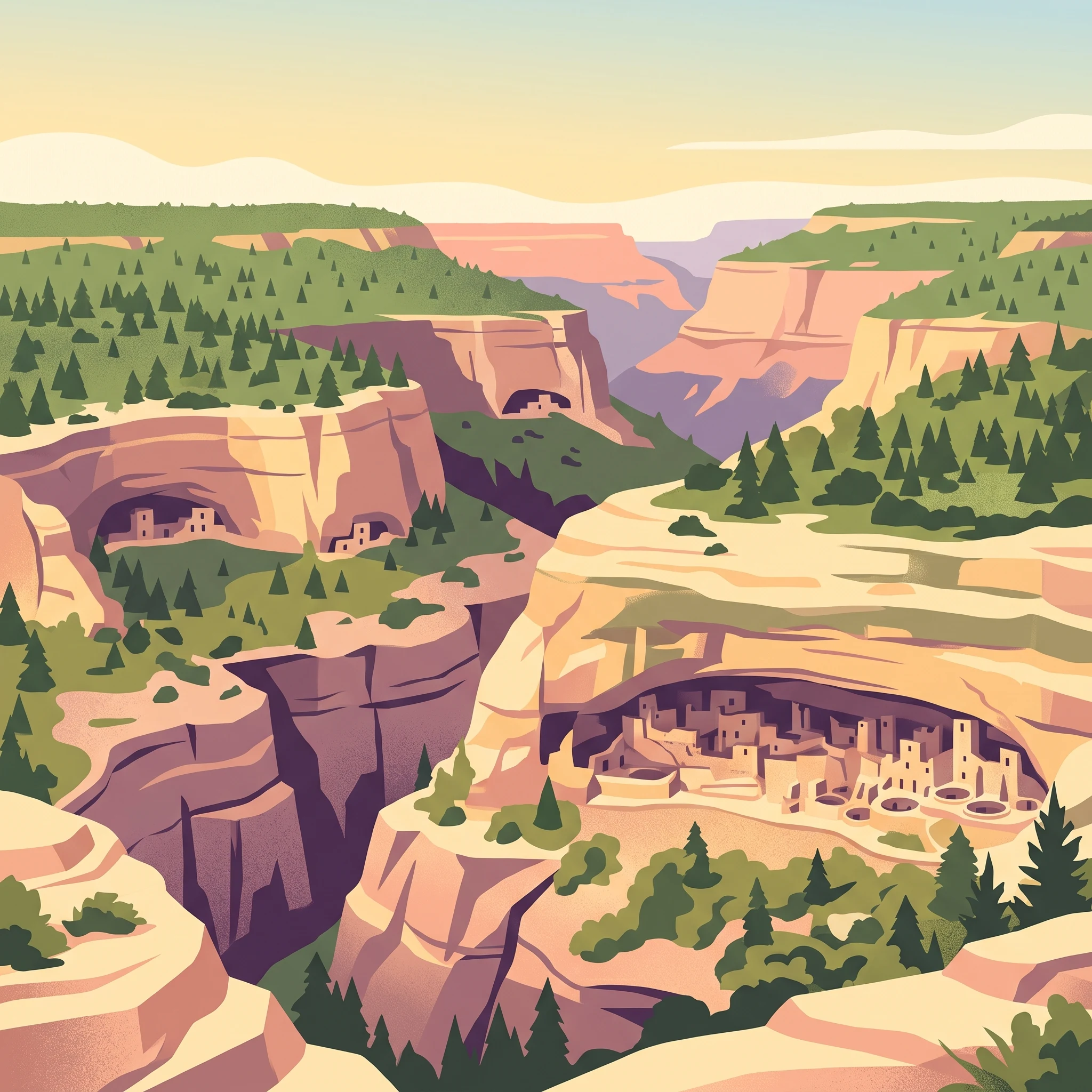
Trip Timing
When Is the Best Time to Visit Mesa Verde National Park
Determining the best time to visit Mesa Verde National Park involves balancing the accessibility of its signature archaeological sites against the realities of a high-desert environment. The most effective window for a standard visit typically occurs from late May through early September. During this period, the park experiences its most reliable weather patterns and provides the fullest suite of opportunities for exploring the Ancestral Puebloan cliff dwellings that define the landscape. Visitors arriving within this interval generally benefit from longer daylight hours and the full operation of park infrastructure, though this timing also aligns with the peak of the annual visitor cycle.
Interaction of Elevation and Climate
Because the park sits at an elevation of approximately 1,792 meters, visitors must account for a significant range in temperature regardless of the month chosen. Even in the height of summer, high-desert conditions keep the air dry and contribute to noticeable cooling after sunset. While afternoon temperatures can climb into the 30s Celsius (the 80s and 90s Fahrenheit) during July and August, the temperature drop during the evening remains a consistent, defining feature of the local climate. Travelers planning their trip should expect this diurnal shift, which makes layering clothing essential even when midday conditions appear settled and warm.
Balancing Access with Seasonal Variability
Deciding when to go requires weighing personal preferences against the specific access patterns inherent to a high-elevation site. The shoulder seasons offer distinct benefits in terms of visitor volume and moderate temperatures, yet these periods also bring a higher degree of unpredictability regarding weather. Snow can occur as early as October or as late as May, and while the major roads and sites are managed for visitor movement, extreme late-spring or early-autumn storms can temporarily alter conditions on the mesa tops. The desire for a quiet, contemplative experience often draws visitors toward the edges of the main season, while those prioritizing guaranteed access to the most popular cliff dwellings usually find their needs best met during the core summer months.
The Trade-off of Peak Conditions
Ultimately, there is no single best time to visit for every traveler. Those who prefer milder temperatures and wish to avoid the most intense heat of the mid-summer sun will likely find late May or early September more rewarding. Conversely, visitors who seek the most expansive access to ranger-led tours and clear, sunny conditions may prioritize the heart of the summer season. Understanding these trade-offs between temperature, daylight duration, and the availability of guided archaeological experiences allows for a more intentional approach to planning, ensuring that the chosen dates align with individual travel goals rather than relying on a universal recommendation.
Seasonal Planning
Best Months to Visit Mesa Verde National Park
Balancing Climate and Access throughout the Year
Choosing when to travel depends on how you balance your desire for favorable weather against the availability of specific archaeological site tours. The primary visiting window, spanning from late May through early September, offers the most consistent access to the cliff dwellings, which remain the core experience for most visitors. During this period, you can expect the widest range of ranger-guided tours, though these months also coincide with the warmest temperatures and the highest likelihood of afternoon thunderstorms.
Late Spring and Early Autumn: The Shoulder Seasons
For travelers who prioritize comfortable hiking temperatures and fewer crowds, the periods of late April to mid-May and mid-September through mid-October often provide an ideal compromise. During these months, the daytime heat is less intense than in mid-summer, making mesa-top trails and canyon viewpoints more pleasant for extended exploration.
- Spring Transition (April to May): You will encounter warming trends where average highs move from the mid-20s Celsius into the low 30s. This is a time of rapid transition, and while the risk of snow decreases, the higher elevations can still experience cold overnight snaps. Early spring visitors should be prepared for windier conditions as weather patterns shift.
- Autumn Transition (Late September to October): This period provides a cooling relief from the summer highs. Daytime temperatures remain comfortable for walking, and the humidity levels typically drop, creating crisp, clear conditions. This is often regarded as a stable window, though the daylight hours begin to shorten significantly by late October.
The Summer Window: Maximizing Guided Experiences
If your primary goal is to participate in the full menu of ranger-guided tours, the months of June, July, and August are the most reliable. The park operates on a summer schedule that typically supports maximum staffing for site-specific programs. You must manage the trade-off of the intense mid-day heat, where temperatures can reach well into the 30s Celsius. The high desert climate brings a diurnal shift, meaning even on very hot days, the mornings and evenings remain cool. Planning your most strenuous activities for the early morning hours is essential during this peak period. Additionally, July and August frequently see the arrival of afternoon thunderstorms, which can momentarily impact visibility or trail safety.
Winter and Early Spring: Low-Traffic Planning
Visiting during the winter months, from November through March, requires a different approach focused on scenery and self-guided exploration rather than guided access. The park shifts to a reduced operational schedule, and snow accumulation at this high elevation is common. While temperatures often drop well below freezing at night, the daytime highs can be surprisingly mild. This window is suited for visitors who prefer solitude and do not mind the limitation of viewing the cliff dwellings primarily from overlooks rather than through interior tours. Always verify current road and trail status before planning a winter trip, as snow and ice often dictate access to specific mesa areas.
Annual Climate Overview
Mesa Verde National Park Weather and Climate by Month
Understanding the climate at Mesa Verde requires looking beyond standard temperature ranges. Because the park sits at a significant high-desert elevation, the atmospheric patterns here are defined more by extreme diurnal shifts than by average monthly statistics. Visitors should note that the following climate patterns are based on long-term historical normals (1991 to 2020) and serve as a baseline for planning, not as a guarantee of local weather for specific dates. Always consult official park forecasts before travel.
The Contrast of Diurnal Temperature Swings
One of the most defining characteristics of the climate is the pronounced difference between daytime highs and nighttime lows. Throughout the summer months, daytime maximums often climb well above 30°C, creating intense sun exposure across the open mesa tops. However, because of the high elevation, heat dissipates rapidly once the sun sets. Even in the height of July and August, when average daily means hover in the 23°C to 25°C range, nighttime minimums can drop significantly. This temperature volatility means that even on days forecasted to be very warm, early mornings and late evenings may feel quite cool, requiring a layering strategy that many visitors from lower-altitude regions might not anticipate.
The Shift from Dry Springs to Humid Mid-Summer
Precipitation patterns at Mesa Verde follow a subtle but important annual cycle. The spring months, particularly April and May, are characterized by lower relative humidity levels, which often stay below 40 percent. This creates a crisp, dry environment that is common in the high desert of the American Southwest. As the season progresses into July and August, the climate sees a shift; while total rainfall remains relatively low on a daily basis, these months see a measurable increase in humidity compared to the spring. This transition often aligns with regional weather patterns that can bring more frequent afternoon clouds. This increase in moisture is distinct from the low-humidity, high-wind conditions frequently seen in the spring, which often represent the windiest months of the year.
Daylight Variability and Seasonal Exposure
Daylight hours fluctuate significantly, impacting how visitors structure their time in the cliff dwellings and on the mesa tops. From a low of under 10 hours in December to a peak of over 14.5 hours in June, the length of the day dictates the window of available light for touring. In the peak summer months, the high-angle sun in the middle of the day can be unforgiving on the exposed, treeless mesa paths. Conversely, during the late autumn and early winter, the rapid shortening of days, combined with lower solar angles, means that canyon alcoves,where the cliff dwellings are situated,may fall into shadow much earlier in the afternoon than they would in the summer. This change in light affects not only photography and sightseeing but also the thermal comfort of those lingering in the shade of the canyons.
Interpreting Seasonal Transitions
The progression from winter to summer is not linear. While January and December are the coldest months with mean temperatures near or slightly below freezing, the shoulder seasons provide the most complex weather scenarios. Spring, specifically March and April, represents a period of rapid warming. By May, maximum temperatures often exceed 30°C, yet the potential for frost remains a consistent, albeit decreasing, reality during the early morning hours. Similarly, the cooling trend in October and November is swift. Travelers should recognize that the transition into autumn often brings a quick decline in average temperatures, moving from the mild, consistent patterns of September into the frost-prone environment of late October.
Seasonal Conditions
Understanding Annual Climate Patterns and Seasonal Transitions at Mesa Verde
Transitioning from Alpine Winter to High Desert Spring
The park experiences a significant environmental shift starting in late March, as the lingering cold of winter begins to yield to the lengthening daylight of spring. While January and December record the lowest mean temperatures and the highest frequency of freezing nights, by April, the average daily maximum begins to climb sharply. This period is defined by erratic weather: visitors might encounter bright, sunny days that feel mild, followed immediately by freezing nighttime temperatures. Snow is not uncommon during this transition, particularly in the higher elevations of the mesa top, which can cause intermittent road closures and affect access to remote cliff dwellings. Because the landscape remains dormant in the early part of this window, the terrain is often dry, but the increased wind speeds in April signify the onset of a more turbulent atmospheric phase before the summer stabilization.
The Dry and Intense Heat of Summer
Beginning in June, the park enters its most stable but thermally demanding period. This phase is characterized by the highest average daytime temperatures of the year, with maximums frequently reaching well into the 30s Celsius. Unlike coastal or humid inland regions, the park experiences a dramatic diurnal temperature shift. Even when daytime heat makes hiking strenuous, temperatures drop significantly after sunset due to the high-elevation, arid environment. Visitors should view this as a two-part daily cycle: a high-intensity period for activity during the cooler morning hours, and a phase of intense solar exposure during the midday peak. While summer is the driest time of year in terms of total precipitation, July and August introduce a distinct transition toward the seasonal monsoon influence, where short, sharp thunderstorms are possible. These events are localized and typically brief, but they can dramatically alter the ambient temperature and humidity levels within the canyon alcoves.
Autumnal Cooling and Preparatory Winters
By late September, the intense summer heat recedes, marking the start of the park's most temperate window. October functions as a major transitional month where the environmental rhythm shifts from the peak-activity season toward the quiet of winter. Daytime maximums moderate significantly, creating the most stable hiking conditions, though the shortening daylight hours limit the time available for exploration. This cooling trend continues through November, which acts as the herald for the return of consistent overnight freezes. During this time, the humidity begins to creep upward again, and the wind patterns shift as the park prepares for the return of low-sun-angle winter months. The lack of foliage in the juniper and pinyon forests during the late autumn months provides clearer, long-distance views across the canyon landscapes, contrasting sharply with the dense green of the summer months. Travelers during this time must prepare for the rapid loss of daylight and the increasing likelihood of frost as the park enters its colder, dormant state.
Annual Experiences
What Visiting Mesa Verde National Park is Like Through the Seasons
Visiting this park throughout the year requires understanding how climate constraints directly dictate the accessibility of the Ancestral Puebloan cliff dwellings. Because these archaeological sites are located in fragile alcoves along canyon walls, their preservation is inextricably linked to the park's operational schedule. You will find that the physical experience of exploring a site like Cliff Palace or Balcony House changes significantly depending on whether you visit during the core summer operating window or the shoulder seasons.
Accessing Cliff Dwellings and Archaeological Sites
During the peak summer months, typically from late May through early September, the park provides the widest range of ranger-guided tours. This is the period when Wetherill Mesa, home to Long House, is fully operational with tram services and guided access. If your priority is to step inside the cliff dwellings, this summer window is essential. Note that these tours often involve physical exertion, including climbing wooden ladders and navigating narrow rock tunnels. In the heat of July and August, when daytime temperatures frequently rise, these activities require significant hydration and physical preparation. By contrast, in the shoulder seasons of spring and autumn, tour availability decreases, and access to specific sites like Wetherill Mesa may be curtailed as the park shifts toward winter operational hours.
Exploring Mesa Top and Viewpoint Areas
If your interest lies in the mesa-top ruins and the expansive canyon views, the park remains welcoming across a broader calendar than the cliff dwellings. The Mesa Top Loop Road allows for a self-guided experience that includes sites like the Sun Temple and various excavated mesa-top villages. These locations provide a different perspective on the ancient landscape, and because they do not require guided access, they are less dependent on the full summer staffing levels. Visiting during late spring or early autumn can be particularly advantageous for these areas, as the moderate temperatures make the short, paved walks between ruin sites more comfortable than during the intense sun exposure of mid-summer days.
Seasonal Shifts in Visitor Flow and Pace
The rhythm of a visit changes as the season progresses. In the depth of winter, the experience shifts from active exploration to a more quiet, observational visit. While certain areas may close or become accessible only through specific limited-access programs, the winter landscape offers a different view of the canyon walls. Because the park is located in a high-elevation environment, these colder months bring freezing temperatures that can make walking trails icy or snow-covered. Always verify the current status of roads and trails through official park channels before arriving, as seasonal transitions in this high-desert environment can be sudden and may affect the availability of even the mesa-top sites.
Travel Priorities
Optimizing Your Mesa Verde National Park Visit for Specific Experiences
Balancing Heat and Exposure for Desert Hiking
If your primary motivation is exploring the park's strenuous canyon trails, selecting a period with cooler temperatures is essential to mitigate the risks associated with the high-desert environment. Trails such as the Petroglyph Point Trail and the Spruce Canyon Trail involve significant elevation changes, and many paths offer limited shade. Because temperatures can spike well into the 30s Celsius during the peak of summer, the shoulder months of May and September offer a better balance. During these times, the intense midday heat is less frequent than in July or August, allowing for more manageable exertion during the morning hours. The trade-off is that you must be prepared for more variable weather, including higher wind speeds during the spring transition, which can make ridge-top hiking feel cooler than the ambient air temperature suggests.
Targeting Consistent Access to Archeological Sites
Visitors whose primary goal is to maximize their access to the diverse array of cliff dwellings must align their trip with the operational windows where ranger-guided tours are most widely available. This window is firmly anchored to the summer season, typically running from June through early September. The benefit of this timing is the increased likelihood of securing spots on guided tours for sites like Cliff Palace or Balcony House, which are generally not accessible through self-guided means. The inherent compromise is that this period coincides with the warmest temperatures of the year. If you choose this window, prioritize early morning tours to avoid the peak thermal intensity of the afternoon, as the heat reflecting off the sandstone canyon walls can make the walk to and from the dwellings feel significantly warmer than the ambient temperature recorded at the mesa-top museum.
Finding Clarity for Longer Daylight Hours
For travelers who want to maximize their time on-site during a single day, the period surrounding the summer solstice in June offers the longest daylight duration, providing up to 14.5 hours of light. This is particularly advantageous if you plan to combine multiple site visits on Chapin Mesa with a moderate hike, as it provides a wider margin for finishing your activities safely before dusk. However, this extended light also brings the most prolonged exposure to solar radiation. If your schedule allows for a longer stay rather than a single compressed day, you may find that the shorter days of late September provide a more comfortable environment for extended outdoor activity, even if the total daylight hours are reduced compared to mid-summer. By opting for later in the season, you trade daylight quantity for improved thermal comfort, which often results in a more sustainable pace for visitors exploring the wider mesa-top ruins and reservoirs.
Visitor Access
Seasonal Access and Practical Planning for Mesa Verde National Park
Access Requirements and Operational Boundaries
Navigating Mesa Verde requires recognizing that the park environment is governed by specific physical and administrative constraints. The road system within the park is characterized by steep, winding, and narrow stretches that require vehicles to be in good mechanical condition. Because the park spans significant elevation changes, visitors must be prepared for varied conditions between the entrance and the high-mesa dwelling sites. All current information regarding road construction, maintenance closures, or temporary access restrictions must be verified through official park bulletins before you begin your journey.
Tour Reservations and Ticketing Infrastructure
Access to the most prominent cliff dwellings, including Cliff Palace and Balcony House, is strictly regulated and typically restricted to ranger-led tours. These experiences often require advanced ticket purchases, which are handled through specific centralized systems. The availability of these tours fluctuates based on seasonal staffing and site preservation needs. It is essential to consult the official park website or the designated visitor center to determine if reservations are required for your intended travel dates. Relying on outdated travel blogs or anecdotal accounts of tour access can lead to significant planning errors, as site status and permit protocols are subject to change.
Visitor Center and Orientation Facilities
The primary point of entry for information is the Visitor and Research Center, located near the park entrance off U.S. Highway 160. This facility serves as the essential hub for checking the daily status of archeological sites, purchasing self-guided tour brochures, and obtaining orientation materials. Travelers should plan to stop here before ascending to the mesa tops. Because facility hours can change based on the time of year or unexpected operational needs, you must check the park's official hours of operation immediately prior to your arrival. This center also hosts exhibits that provide context for the preservation work occurring across the park, which helps in understanding why certain areas may occasionally be restricted from public access.
Infrastructure and Refueling Considerations
Given the distance between the park entrance and the core archaeological sites, fuel management is a critical planning factor. While limited services are sometimes available within park boundaries, such as at the Morefield Campground area, these are not guaranteed to be operational at all times. Ensure your vehicle has adequate fuel before entering the park to avoid unnecessary logistical complications. As with all other infrastructure details, verify the current availability of services and facility hours on the official park resource pages to ensure your visit is not interrupted by unexpected closures.
Safety and Preparation
Seasonal Weather and Safety Preparation for Mesa Verde National Park
Navigating High-Desert Temperature Swings
The most significant factor when preparing for a trip to this park is the extreme diurnal temperature shift, which is common in high-desert landscapes. Regardless of the season, daytime temperatures can climb significantly higher than the cool, crisp mornings or chilly evenings. Visitors arriving in peak summer months may encounter midday maximums exceeding 35 degrees Celsius, while evening temperatures at the same location can drop rapidly once the sun sets. This volatility requires a strategy of layering clothing. Lightweight, breathable materials are essential for the warm afternoons, while long sleeves and insulation are necessary for early morning tour starts or evening stargazing. Always check current, park-specific weather forecasts immediately before your departure, as these normals are averages and cannot predict the temperature fluctuations of your specific travel dates.
Preparing for Strenuous Physical Environments
The architectural layout of these Ancestral Puebloan sites often dictates the physical demands of your visit. Many tours involve traversing uneven, rocky terrain, climbing steep ladder sections, or navigating narrow passages. If you are planning to engage in these ranger-led experiences, prioritize footwear with robust traction and ankle support. The dry, low-humidity air of the high desert can mask the physical toll of climbing at these elevations, leading to rapid dehydration. While temperatures are often warmer than expected even in late autumn or early spring, the intense solar radiation at this altitude makes sun protection,including hats and appropriate eyewear,a constant necessity. Avoid overestimating your physical endurance when planning back-to-back tour reservations, as the combination of heat and moderate physical exertion can be more draining than it appears on a map.
Road Conditions and Safety Awareness
Driving within the park requires careful attention to the landscape. The roads are characterized by sharp, winding curves and frequent elevation changes as you transition from the mesa tops into the deeper canyon corridors. Because the park landscape includes steep, unstable slopes, rocks occasionally fall onto the road surface, particularly following periods of freeze-thaw cycles in the shoulder seasons. During winter and early spring, these road segments can be particularly affected by unpredictable ice or snow, which may necessitate different vehicle preparation. Always inspect your vehicle, especially braking systems, before heading into the park. Stay informed about current road conditions, closures, or alerts by consulting official park updates, such as the visitor center or dedicated alert services, rather than relying on general regional weather reports.
Trip Decision Framework
How to Choose the Ideal Time for Your Mesa Verde National Park Visit
Evaluating Your Priorities for a Park Visit
Finalizing the timing of your visit to Mesa Verde depends on reconciling your tolerance for temperature extremes with your desire for deep access to the site's most iconic cliff dwellings. Because the park's primary experiences are tethered to ranger-led tours that operate seasonally, the most critical step in your decision is identifying whether these guided programs are essential to your trip. If stepping inside Cliff Palace or Balcony House is your priority, you must plan your visit during the peak season from late May through early September. During this window, you trade potential afternoon heat and higher visitor density for the guarantee of a full schedule of educational programs.
Weighing Weather Against Accessibility
If your priority shifts toward moderate hiking temperatures and solitude, the shoulder months of late April, May, September, and October offer a strategic alternative. During these periods, the intensity of the high-desert sun is more manageable, reducing the physical strain of exploring canyon-top trails or navigating the steep ladders and tunnels required for dwelling access. However, keep in mind that this decision involves a direct trade-off with service availability. Earlier or later in the shoulder seasons, tour schedules may be significantly reduced or suspended entirely, meaning you may only be able to view these archaeological sites from designated mesa-top overlooks.
Practical Next Steps for Your Itinerary
Once you have determined the period that aligns with your primary interests, verify all current operational details before finalizing your travel dates. Because the park exists in a high-elevation, volatile climate, you must treat all seasonal access information as fluid rather than fixed. Always consult the official park website for the most recent updates regarding road statuses, fire restrictions, and the specific availability of guided tours, as these can change based on current staffing, maintenance needs, or environmental conditions. Remember that while long-term climate data provides a reliable baseline for what to expect, individual weather systems can deviate significantly from these averages. Preparing for a range of temperatures and verifying current alerts will ensure your time in the park is both safe and well-aligned with your travel goals.