

Mori Atlas logo
Protected areaMetalleio Kalavasou

Understanding the ecological mosaic of scrub, olive woodlands, and endemic pine forests.

Metalleio Kalavasou Protected Area: Exploring the Mediterranean Landscape and Geography of Cyprus

Metalleio Kalavasou is a significant protected area in southern Cyprus, defined by its compact but intricate mosaic of Mediterranean habitats. This site encompasses a layered terrain of thermomediterranean scrub, wild olive and carob woodlands, and stands of mesogean pine that provide crucial breeding grounds for a diverse avian community. Through detailed geographic mapping, the area reveals how small, protected Mediterranean landscapes support high levels of ecological structural diversity.

Natura 2000Mediterraneanlowland forestpine forestolive carob forestthermo-Mediterranean scrub

Metalleio Kalavasou

Protected area

Park overview

Structured park overview, official facts, and landscape profile for Metalleio Kalavasou

Metalleio Kalavasou park facts, protected area profile, and essential visitor context

Review the core facts for Metalleio Kalavasou, including designation, size, terrain, visitor scale, habitats, and operating context in one park-focused overview.

About Metalleio Kalavasou

Metalleio Kalavasou is a small but ecologically important Site of Community Importance in Cyprus, forming part of the island's Natura 2000 network of protected natural areas. Its name is tied to the village of Kalavasos and the broader Metalleio area in the foothills of southern Cyprus, where low agricultural land gives way to a mosaic of Mediterranean shrubland and forest. Despite its compact size of just under 50 hectares, the site is recognized at the European level for its concentration of habitat types and protected species.

The site sits firmly within the Mediterranean ecoregion and reflects the ecological character of Cyprus's southern interior foothills. Three natural habitat types underpin the area: thermomediterranean and pre-desert shrubland (the classic garrigue formations of evergreen scrub adapted to hot, dry summers), olive and carob forests (a traditional agro-silvopastoral landscape that has become an important semi-natural habitat in the eastern Mediterranean), and Mediterranean pine forests of mesogean endemic pines. Together these layers of vegetation give the site a strong structural and ecological diversity.

The conservation status of Metalleio Kalavasou was established under the European Union's Habitats Directive of 1992, which requires member states to identify sites that support listed habitat types and species. The site is identified by the Natura 2000 code CY5000003. Its designation is heavily focused on avifauna: 48 bird species are explicitly named as part of the conservation case for the site, covering resident Mediterranean species, migratory breeders, and species that use the area seasonally.

For visitors and researchers, Metalleio Kalavasou offers a window into the kind of Mediterranean landscape mosaic that once covered much of southern Cyprus. The combination of pine forest, low woodland, and open scrub supports a community of birds, bats, and reptiles that is unusually diverse for such a small area. The site's protected status is intended to ensure that this mosaic continues to function as habitat, particularly as Cyprus faces ongoing pressure from land use change and tourism development.

Quick facts and research context for Metalleio Kalavasou

Metalleio Kalavasou is a Site of Community Importance, designated in line with the EU Habitats Directive (92/43/EEC) for the conservation of natural habitats and wild fauna and flora. It lies in southern Cyprus near the village of Kalavasos, in the eastern Limassol district region of the island.

The site covers approximately 47 hectares of entirely terrestrial Mediterranean habitat, made up of thermomediterranean and pre-desert scrub, olive and carob forests, and Mediterranean pine forest with endemic mesogean pines. Its Natura 2000 designation was driven largely by the need to protect a notable list of bird species, with 48 bird species forming the basis of the site proposal, complemented by four bat species and a small number of reptile, plant, and additional faunal records.

Protection and recognition

Terrestrial protected area history and official conservation records

Metalleio Kalavasou Protection Status and Designated Area Records

Metalleio Kalavasou maintains a documented terrestrial protection status established in the year 1992. The structured preservation history outlines official designation records without relying on unverified international frameworks.

Protection details

Protection scope
Terrestrial
Designated year
1992
Transboundary protection
No
Park context

Deeper park guide and search-rich context for Metalleio Kalavasou

Metalleio Kalavasou history, landscape, wildlife, and travel context

Explore Metalleio Kalavasou through its history, landscape character, ecosystems, wildlife, conservation priorities, cultural context, and seasonal travel timing in a structured park guide built for atlas discovery and search intent.

Why Metalleio Kalavasou stands out

Metalleio Kalavasou is best known as a compact but species-rich Mediterranean Natura 2000 site that protects a mosaic of three classic Cypriot lowland habitat types: thermomediterranean and pre-desert shrubland, olea and ceratonia forest, and Mediterranean pine forest with endemic mesogean pines. The site is particularly valued for its importance to birds, with 48 bird species forming the core of its conservation designation. The combination of dense low forest, open garrigue, and pine canopy in a small area provides breeding and seasonal habitat for many Mediterranean and migratory species, including rolles, red-footed falcons, nightjars, several shrike species, and the endemic Cyprus wheatear. This density of protected species on a modest land surface is the site's defining conservation feature.

Metalleio Kalavasou history and protected-area timeline

Metalleio Kalavasou was designated as a Site of Community Importance in the framework of the European Union Natura 2000 network, established through the Habitats Directive (92/43/EEC) of 1992. This directive requires member states, including Cyprus following its EU accession, to identify and protect terrestrial and marine areas that contribute to the conservation of natural habitats and wild species.

The site was proposed and confirmed on the basis of its natural habitat types and its populations of protected species, particularly birds. The Habitats Directive framework emphasizes the maintenance or restoration of favorable conservation status for listed habitats and species, and Metalleio Kalavasou was recognized as a meaningful contribution to that goal in southern Cyprus. No earlier formal protection history is documented in the source material; the Natura 2000 designation is the principal formal recognition of the site's conservation value.

Metalleio Kalavasou landscape and geographic character

The physical landscape of Metalleio Kalavasou is typical of southern Cyprus's foothill zones, where gently undulating terrain supports a layered vegetation mosaic rather than dramatic relief. Elevations are modest and the topography blends gradually into the surrounding agricultural and rangeland areas around Kalavasos.

The defining landcover elements are ecological rather than geomorphological: dense low scrub formations of thermomediterranean and pre-desert type, broad-leaved evergreen forests dominated by wild olive (Olea) and carob (Ceratonia), and pine woodland stands of Mediterranean mesogean pines. In places, these habitat types intermingle across short distances, producing a patchwork of open garrigue, light forest, and shaded pine canopy. The dry Mediterranean climate, with hot summers and mild, wetter winters, shapes the vegetation cover and seasonal rhythm of the entire site.

Metalleio Kalavasou ecosystems, habitats, and plant life

Ecologically, Metalleio Kalavasou is a textbook example of a lowland Mediterranean habitat mosaic. Its three formally listed natural habitat types each represent a different stage in the structural and successional spectrum typical of southern Cyprus: open thermomediterranean scrubland on the drier, more exposed aspects; olea and ceratonia forest on more stable soils where traditional agroforestry and grazing have shaped the canopy; and Mediterranean pine forest on somewhat deeper soils where mesogean pines can establish.

This layering creates microhabitat variation across the site, with greater shrub diversity in open areas, dense foliage and nesting sites in broad-leaved forest, and vertical structure from pine canopy overhead. The result is a habitat mosaic that supports a broader species assembly than any single habitat type could on its own, and that is highly characteristic of the Mediterranean ecoregion in Cyprus.

Metalleio Kalavasou wildlife and species highlights

The wildlife profile of Metalleio Kalavasou is dominated by birds, which constitute the largest group in the site's conservation designation. A total of 48 bird species are explicitly protected under the site's Natura 2000 status, including characteristic Mediterranean species such as the European roller, the European turtle dove, the red-footed falcon, the Eurasian hobby, the common kingfisher, and the Eurasian scops owl. Several shrike species are recorded, including the red-backed shrike, the lesser grey shrike, and the woodchat shrike. The site also supports typical woodland and scrubland birds such as the common cuckoo, the golden oriole, the Eurasian wryneck, the Eurasian hoopoe, and a range of warblers and chats, including the endemic Cyprus wheatear and several migratory species such as the common redstart and the whinchat.

Beyond birds, the site is designated for four mammal species, all of them bats: Geoffroy's bat, Blasius's horseshoe bat, the greater horseshoe bat, and the lesser horseshoe bat. These cave- and tree-roosting species tend to forage in the mosaic of woodland and scrub that the site provides.

The site also hosts a smaller set of reptile, plant, and bird records outside the formal Natura 2000 lists, but its conservation importance rests primarily on the richness of its protected avifauna and the four bat species that depend on the habitat mosaic.

Metalleio Kalavasou conservation status and protection priorities

The conservation significance of Metalleio Kalavasou lies in its formal recognition under the European Union Natura 2000 network as a Site of Community Importance, code CY5000003. Its designation was driven by the need to protect Mediterranean habitat types and a substantial list of species, particularly birds, in one of the most ecologically distinctive landscapes of southern Cyprus.

By protecting a co-occurrence of thermomediterranean scrub, olea-ceratonia forest, and Mediterranean pine forest in a small area, the site serves as a representative example of Mediterranean lowland habitat mosaics. Its value is amplified by the fact that habitat connectivity and resilience in such lowland Mediterranean areas are increasingly threatened by agricultural intensification, tourism expansion, urban development around settlements such as Kalavasos, and climate-related shifts in vegetation. Conserving Metalleio Kalavasou helps to maintain a reference site for habitat composition and species assemblages typical of traditional southern Cypriot landscapes.

Metalleio Kalavasou cultural meaning and human context

Metalleio Kalavasou is closely tied to the cultural and rural landscape of the Kalavasos area in southern Cyprus, where Mediterranean lowland forests and scrubland have long coexisted with traditional land uses. The presence of olea and ceratonia forest, in particular, reflects centuries of agro-silvopastoral activity in which wild olive and carob trees were maintained and harvested as part of the rural economy.

This long interaction between people and the landscape has shaped the very habitat mosaic that the Natura 2000 designation now seeks to protect. The site thus sits at the intersection of natural and cultural heritage: a Mediterranean landscape whose structure and composition would be very different without the long-term influence of grazing, charcoal production, and traditional tree management that defines much of inland Cyprus.

Top sights and standout views in Metalleio Kalavasou

The most distinctive feature of Metalleio Kalavasou is the combination, in a compact area, of three formally protected Mediterranean habitat types: thermomediterranean and pre-desert scrub, olea and ceratonia forest, and Mediterranean pine forest with mesogean endemic pines. This habitat layering is exceptional for a site of its size and provides the structural backbone for the site's species richness.

Equally distinctive is the breadth of the site's bird-based conservation designation. With 48 bird species named as targets, supplemented by bat, reptile, and plant records, Metalleio Kalavasou demonstrates how small Mediterranean sites can support disproportionately high biodiversity when structural and habitat diversity are preserved in close proximity.

Best time to visit Metalleio Kalavasou

Metalleio Kalavasou is most rewarding to experience in spring, when Mediterranean scrubland and pine forest come into bloom and resident and migratory birds are most actively present. Migratory songbirds, rollers, and several shrike species are typically most visible during the spring passage and early breeding season.

Autumn can also offer good conditions, as returning migrants and changing Mediterranean light bring new activity to the woodland and scrub mosaic. Summer visits are possible but often quieter in terms of bird song and less comfortable in the heat, while winter visits can still offer encounters with resident species, including some of the woodland birds and the occasional raptor, in a generally milder Mediterranean climate.
Monthly climate preview

Long term representative measurements and monthly climate patterns in Cyprus

Metalleio Kalavasou Climate Normals: Temperature and Precipitation Rhythm

Recorded baseline data captures the measured annual temperature progression and monthly precipitation rhythm sampled at a representative coordinate in Metalleio Kalavasou. Reviewing the complete twelve month profile provides deeper insight into historical climate averages across the protected terrain.
Annual mean21 °C
15 °C27 °C
Jan15°
Feb15°
Mar16°
Apr18°
May21°
Jun24°
Jul27°
Aug27°
Sep26°
Oct24°
Nov21°
Dec17°
Warmest month
August

27.2 °C

Coolest month
February

14.9 °C

Wettest month
December

3 mm/day

Driest month
July

0.1 mm/day

Park location guide

Geography guide, regional context, and park location map for Metalleio Kalavasou

Metalleio Kalavasou park geography, regions, and map view in Cyprus

Understand where Metalleio Kalavasou sits in Cyprus through a broader geographic reading of the surrounding landscape, nearby location context, and its mapped position within the national park landscape.

How Metalleio Kalavasou fits into Cyprus

Cyprus is an island nation in the eastern Mediterranean Sea, positioned at the crossroads of Europe, Africa, and Asia. The Republic of Cyprus governs the southern portion of the island, with Nicosia as its capital and largest city. The island has a complex political situation due to the Turkish occupation in the north and contains British military bases in the south. Cyprus gained independence from Britain in 1960 and is a member of the European Union.

Wider geography shaping Metalleio Kalavasou in Cyprus

Cyprus is an island located in the eastern Mediterranean Sea, off the coast of the Levant in West Asia. The island lies approximately 75 km south of Turkey, 105 km west of Syria, and 380 km north of Egypt. The terrain varies from mountainous regions in the north and interior to plains and coastal areas. The Troodos Mountains dominate the central and southwestern part of the island. The island has no land borders as it is entirely surrounded by sea.

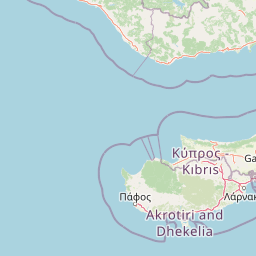
Map view of Metalleio Kalavasou

Use this park location map to pinpoint Metalleio Kalavasou in Cyprus, understand its exact geographic position, and read its mapped placement within the surrounding landscape more clearly.

Pigeon | © OpenStreetMap contributors
Park atlas

Compare regional Mediterranean landscapes and connected conservation zones

Explore Parks Near Metalleio Kalavasou and Surrounding Protected Areas

Browsing other protected areas near Metalleio Kalavasou reveals the broader ecological spread of southern Cyprus foothill habitats. Comparing adjacent woodland and shrubland zones helps contextualize regional biodiversity patterns across the Mediterranean ecoregion.
Protected areaCyprus
Mapped park locations coincide#1 closest

Periochi Kokkinokremmos: An Overview of the Protected Landscape and Regional Geography

A vital ecological sanctuary in the Mediterranean landscape of Cyprus.

Periochi Kokkinokremmos represents a specialized protected area in Cyprus, notable for its compact but high-density mosaic of Mediterranean ecosystems. From calcareous cliffs to pine-dominated woodlands, the site offers deep insight into the regional botanical and avian diversity supported by the island's unique Mediterranean terrain.

Area
1.002 km²
Established
1992
Relief
Mixed relief
Climate
Mediterranean
Nature reserveCyprus
Mapped location lies within the park boundary#2 closest

Southwest

Potamos Paramaliou: Geography and Avian Conservation in Southwestern Cyprus

A vital river-centered nature reserve and protected corridor

Potamos Paramaliou serves as a specialized nature reserve in southwestern Cyprus, protecting a seasonal river valley and the diverse bird species it supports. This site illustrates the intersection of Mediterranean riverine ecosystems and arid open landscapes, offering a clear view of how targeted conservation boundaries safeguard avian movement and regional ecological stability.

Area
17.819 km²
Established
2008
Climate
Mediterranean
Scope
Terrestrial
Nature reservePaphos District
About 6.8 km away#3 closest

West

Cha-Potami Nature Reserve: Protected Riverine Geography in Paphos District, Cyprus

River valley ecosystems and Mediterranean protected terrain

Cha-Potami spans a twelve-kilometer river stretch characterized by deep, narrow valleys and varied topography. This protected area offers a look into the rich ecological stratification of southwestern Cyprus, from dense riverside corridors and cypress-dotted slopes to rugged, raptor-nesting cliffside gorges that define the local landscape character.

Area
26.266 km²
Established
2000
Relief
Upland
Climate
Mediterranean
Nature reserveCyprus
About 11 km away#4 closest

Northwest

Koilada Diarizou Nature Reserve and Mediterranean River Valley Geography

Protected riparian landscapes in the Paphos district of Cyprus

Koilada Diarizou represents a prime example of a Mediterranean river valley protected area in western Cyprus. This nature reserve sustains a mosaic of rocky limestone slopes, cypress woodlands, and seasonal riparian channels that serve as a critical reference point for understanding the island's unique ecological connectivity.

Area
13.58 km²
Established
2002
Relief
Mixed relief
Climate
Mediterranean
Nature reserveCyprus
About 12 km away#5 closest

Northeast

Koilada Limnati Nature Reserve: Geographic Atlas and Protected Landscape Overview

Mapping Mediterranean valley ecosystems in southern Cyprus

Koilada Limnati is a protected nature reserve in Cyprus, characterized by a diverse mosaic of Mediterranean valley habitats. The terrain features intermittent rivers, riverine galleries, and patches of endemic forest, serving as a critical refuge for dozens of bird species and regional wildlife. This atlas entry provides a detailed look at the site boundaries and its role within the Mediterranean ecoregion.

Area
4.389 km²
Established
2002
Climate
Mediterranean
Access
Access unknown
Nature reserveCyprus
About 13 km away#6 closest

Southwest

Akrotirio Aspro - Petra Romiou Nature Reserve: Cyprus Coastal Geography and Habitat Map

Mediterranean coastal cliffs, bird habitats, and protected conservation landscapes

Akrotirio Aspro - Petra Romiou is an ecologically dense nature reserve in Cyprus, recognized for its varied Mediterranean terrain. The landscape transitions from iconic sea-stack formations and coastal cliffs into juniper matorral, pine forests, and riparian galleries. This site remains a crucial protected area for ornithological research and habitat connectivity across the southern Cypriot coastline.

Area
24.895 km²
Established
2004
Relief
Upland
Climate
Mediterranean
Protected areaCyprus
About 14 km away#7 closest

Northwest

Gkremoi Chanoutari Protected Area; Mapping Cyprus Inland Landscapes and Terrain

A critical Mediterranean bird sanctuary within the Troodos foothill region.

Gkremoi Chanoutari encompasses a unique mix of rocky crags, scrubby slopes, and rural hillsides across 2,470 hectares in the interior of Cyprus. This protected area serves as a primary site for cliff-nesting raptors and Mediterranean avifauna, offering a detailed look at the island's complex topography and mountain-to-valley ecological transitions.

Area
24.698 km²
Established
2007
Climate
Mediterranean
Scope
Terrestrial
Protected areaCyprus
About 15 km away#8 closest

North

Dasos Pafou: Protected Forest Landscapes and Geographic Terrain of Western Cyprus

Extensive Mediterranean woodland and riparian habitat mosaic

Dasos Pafou serves as a cornerstone of conservation in western Cyprus, protecting a vast contiguous area of pine forests, oak woodlands, and rocky gorges. The site offers a detailed look at the island's diverse ecological character, blending high-altitude conifer stands with deep valley river systems to create a unique Mediterranean landscape atlas.

Area
602.259 km²
Established
2005
Relief
Mixed relief
Climate
Mediterranean

Common questions about visiting, size, designation, and location context for Metalleio Kalavasou

Metalleio Kalavasou FAQs for park facts, access, geography, and protected area context

Find quick answers about Metalleio Kalavasou, including protected-area facts, park geography, trail and visitor context, and how the park fits into its surrounding country and regional landscape.
MoriAtlas Explorer

Continue Your Protected Areas Search Across the Global Atlas

Deepen your exploration by continuing the structured search for national parks and protected areas worldwide. Utilize the comprehensive filtering capabilities to compare different conservation landscapes and refine your understanding of global park geography. Discover more about the distribution and characteristics of protected natural areas.

Global natural geography