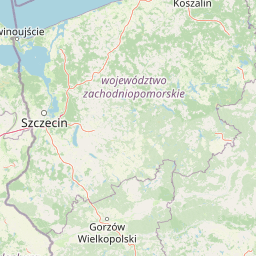
Why Mokradła koło Leśniczówki Łowiska Nature Reserve stands out
The reserve is best known for its compact mosaic of transitional peatlands, small dystrophic lakes, and surrounding pine and mixed forest. It is recognized within Poland's conservation network as an important stronghold for rare aquatic plants such as Luronium natans and for bog mosses like Drepanocladus vernicosus. The protected mosaic of mire types, including quaking bogs and bog-pool communities, gives the site strong botanical and ecological significance within the Drawska Forest region.
Mokradła koło Leśniczówki Łowiska Nature Reserve history and protected-area timeline
The area now protected as Mokradła koło Leśniczówki Łowiska was recognized as ecologically valuable before becoming a formal reserve. The legal establishment of the reserve took place on 24 November 2011, following Order No. 38/2010 of the Regional Director of Environmental Protection in Szczecin, dated 4 May 2011. The order was published in the official journal of the West Pomeranian Voivodeship (Dz. Urz. Woj. Zach. 2011 r. Nr 128, poz. 2330).
The reserve was created with the explicit purpose of safeguarding its transitional peatlands, lake catchment, and rare species populations, signaling that the conservation motivations were driven by documented habitat values rather than administrative convenience. Since its establishment, the site has been managed as an actively protected area (ochrona czynna), allowing conservation interventions to maintain peatland conditions and water levels. Its overlap with Natura 2000 designations reinforces its continuity within broader European conservation frameworks.
Mokradła koło Leśniczówki Łowiska Nature Reserve landscape and geographic character
The reserve occupies a gently undulating post-glacial landscape typical of the Wałeckie Lake District. Small lakes occupy shallow basins created during the last glaciation, surrounded by low-relief terrain where peat has accumulated over thousands of years. The dominant forest type is bore-like pine forest (bór sosnowy), which thrives on the sandy, nutrient-poor soils that fringe the mires.
The water and land transition is gradual, marked by floating mats of vegetation at the lake edges and by saturated peat substrates further inland. Such transitional zones produce visually striking patterns of open water, bog pools, sedge mats, and woodland margins. The relatively enclosed forest setting means that views are typically short and framed by pine stands rather than panoramic, giving the landscape an intimate rather than dramatic character.
The larger regional context is the Puszcza Drawska, a vast forested lowland stretching across the border area between zachodniopomorskie and other northern voivodeships. This wider landscape buffers the reserve and maintains the hydrological regime that supports its peat-forming processes.
Mokradła koło Leśniczówki Łowiska Nature Reserve ecosystems, habitats, and plant life
Nature at Mokradła koło Leśniczówki Łowiska is defined by its peatland systems and the specialized flora they support. The reserve protects transitional mires and quaking bog communities, plant assemblages that are increasingly rare across Europe due to drainage and land-use changes. Hydrology is the central driver of the reserve's ecological character, with fluctuating water levels shaping the distribution of plant communities across small spatial scales.
In the mires, characteristic plant associations include Sphagno-Caricetum rostratae, Rhynchosporetum albae, and Caricetum limosae, each representing different stages of peat development and water saturation. These communities support species such as round-leaved sundew, common and intermediate bladderwort, and bog sedge, all classic bog indicators. The combination of floating water-plantain in the lakes and bog-specialist mosses in the mires highlights the transition between aquatic and terrestrial peatland zones.
The surrounding forest includes both pine and mixed woodland, contributing organic matter and shading to the mire margins. This mosaic of open peatland, lake, and forest is the foundation of the reserve's ecological richness and the reason it is protected under EU habitat directives.
Mokradła koło Leśniczówki Łowiska Nature Reserve wildlife and species highlights
The wildlife profile of the reserve is shaped by its wetland habitats and the surrounding forest landscape. Aquatic invertebrates thrive in the lake and mire systems, with notable records including the medicinal leech and beetles such as Acylophorus wagenschieberi and Atanygnathus terminalis, which are characteristic of undisturbed peatland conditions.
Lake Jeleń and the surrounding mires also support breeding waterbirds adapted to bog and lake-margin habitats. Among the species documented in the area are the common goldeneye, the green sandpiper, the mute swan, and the common crane. Their presence reflects the availability of nesting habitat along quiet lake shores and open mire surfaces.
The surrounding Drawska Forest provides additional wildlife context, allowing larger forest species to move through the landscape, although the reserve itself is small. The protected status helps stabilize the hydrological conditions that sustain the invertebrates and birds on which these bog ecosystems depend.
Mokradła koło Leśniczówki Łowiska Nature Reserve conservation status and protection priorities
Conservation at Mokradła koło Leśniczówki Łowiska centers on maintaining the integrity of its peat-forming processes and the associated rare species. The reserve is being managed under active conservation, which permits targeted interventions to control water levels, succession, and other pressures that could degrade the peatland system. This approach acknowledges that Polish peatlands, like many across lowland Europe, are vulnerable to drying and vegetation shifts.
At a broader scale, the reserve is integrated into a layered network of protections. It lies within the Puszcza nad Drawą Protected Landscape Area and overlaps with two Natura 2000 sites: the Special Area of Conservation "Uroczyska Puszczy Drawskiej" (PLH320046) and the Special Protection Area "Lasy Puszczy nad Drawą" (PLB320016). Together, these designations reinforce the reserve's role in conserving EU-listed habitats such as transitional mires and quaking bogs.
The presence of rare species such as Luronium natans, a species protected under the EU Habitats Directive, gives the site additional conservation weight. By protecting a representative sample of peatland and lake ecosystems within one of Poland's largest forest complexes, the reserve contributes to long-term landscape connectivity in the Drawska Forest region.
Mokradła koło Leśniczówki Łowiska Nature Reserve cultural meaning and human context
The reserve takes its name from the Łowiska forestry dwelling (leśniczówka), a small foresters' outpost located roughly 100 meters south of Lake Jeleń. Such dwellings are a long-standing feature of Polish forest management culture, where foresters lived and worked in remote forest settings, often near wetlands that required careful oversight. The naming reflects how local landscape features, including human-built elements, have become embedded in regional toponymy.
The reserve is also part of the broader cultural landscape of the Wałecki Lake District, where small lakes, forests, and scattered settlements have shaped rural life for centuries. While there is no documented indigenous or ethnic minority cultural association specific to this site, the area reflects the continuity between traditional forest stewardship and modern conservation practice in northern Poland.
Top sights and standout views in Mokradła koło Leśniczówki Łowiska Nature Reserve
A standout feature of the reserve is the dense ecological richness packed into a relatively compact area. Within roughly 101 hectares, the site combines peat-forming mires, three small lakes, and surrounding pine and mixed forest, producing a high diversity of protected habitats in close proximity. This concentration makes the reserve a key reference site for peatland conservation in the Drawska Forest region.
Equally remarkable is the presence of rare and legally protected species, including Luronium natans and the moss Drepanocladus vernicosus, both of which are tied to high-quality transitional peatlands. The reserve's integration into Natura 2000 networks and its nesting habitat for crane, goldeneye, and other wetland birds add to its conservation profile. For visitors interested in the quieter dimensions of Polish nature, the reserve represents a stabilizing node within one of the country's most important forest complexes.
Best time to visit Mokradła koło Leśniczówki Łowiska Nature Reserve
The reserve is best appreciated during the warmer months, when peatland and lake-edge vegetation is fully developed and most visible to the eye. Late spring and early summer bring active growth of aquatic plants in the lakes and the blooming of bog flora in the mire margins. These seasons also coincide with peak activity for wetland birds, improving chances of encounters with species such as crane and mute swan.
Late summer and early autumn can offer quieter conditions and more stable water levels, while the soft light of the season highlights the textures of the pine forest and open bog. Access is limited by the reserve's conservation status, and any visits should respect protected-area rules, particularly during sensitive breeding periods for waterbirds in spring and early summer.