Why Drawa National Park stands out
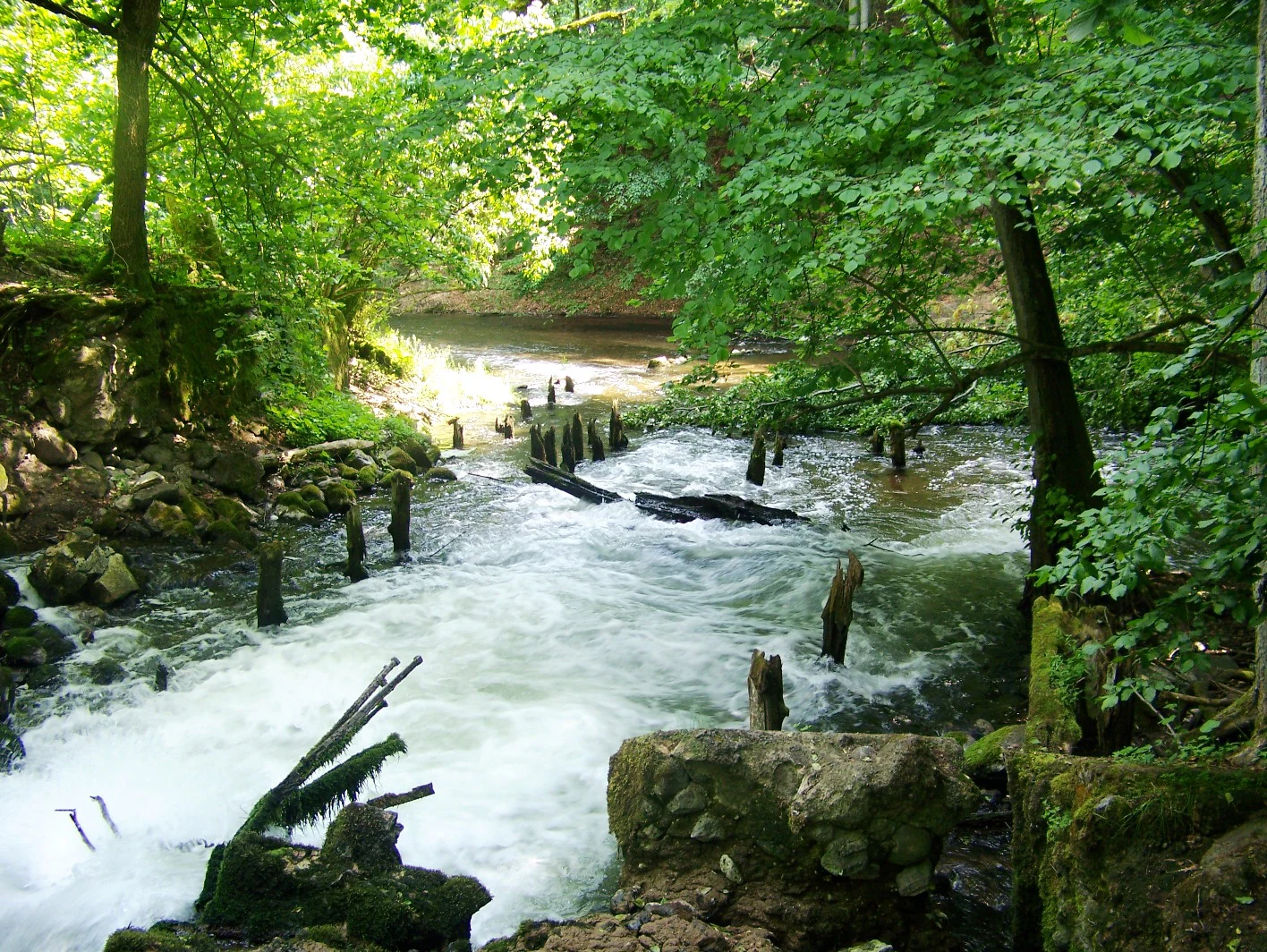
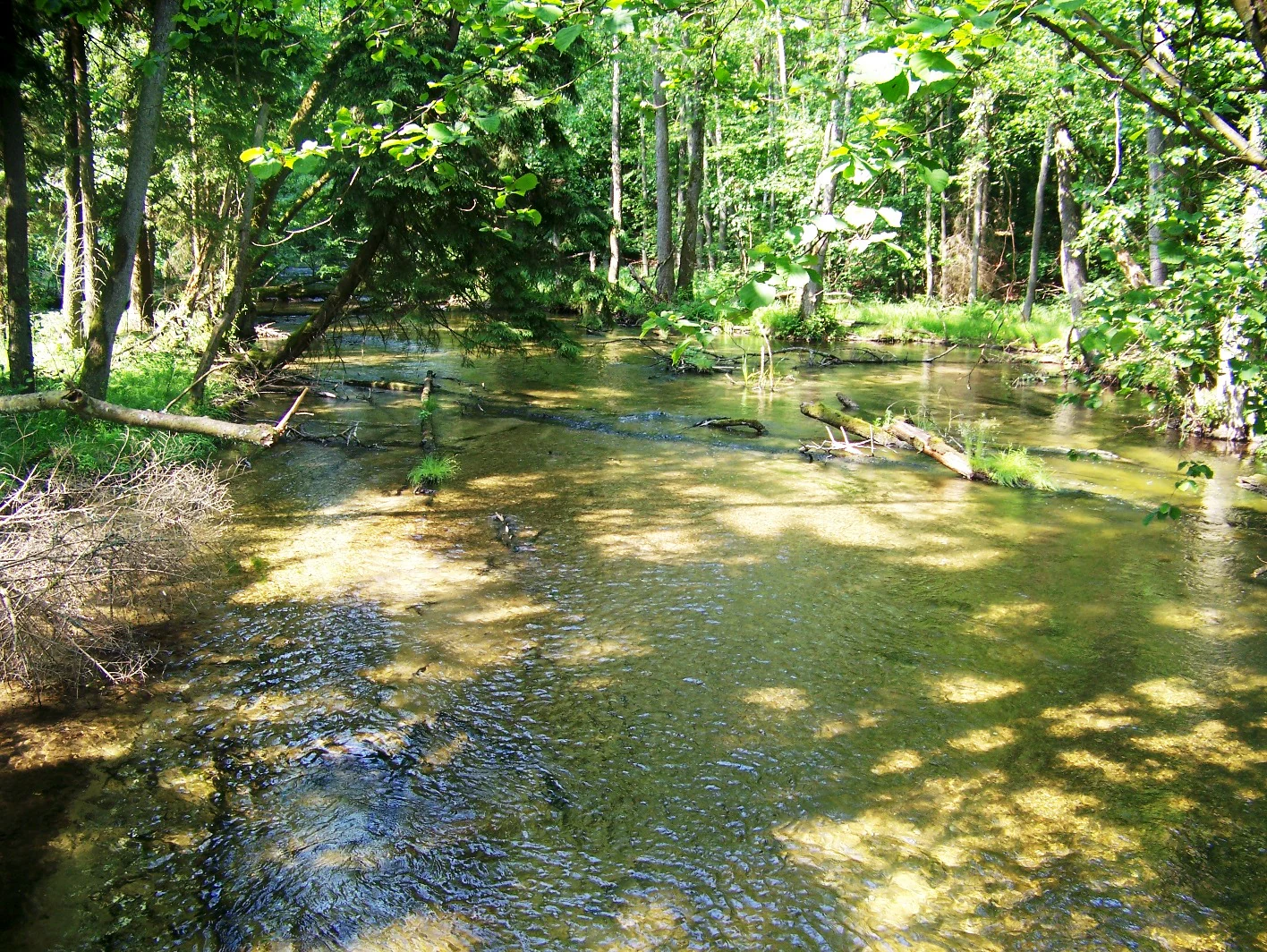
Drawa National Park is best known for its exceptional river landscape and the Drawa River, whose fast-flowing current through deep valleys creates scenery more typical of mountain rivers than lowland waterways. The park protects one of Poland's most valuable lowland river corridors, with 40 kilometers of the Drawa running through its boundaries. The meromictic Lake Czarne is a nationally significant limnological feature, while the old-growth beech and oak forests, particularly within the Radecin Preserve, represent rare examples of mature lowland woodland. The park also stands out for its population of European otters and Eurasian beavers, both of which thrive in the clean waters of the river system.
Drawa National Park history and protected-area timeline
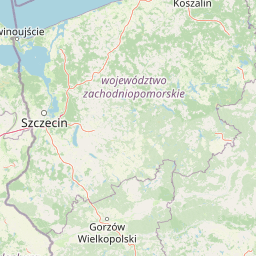
Drawa National Park was established on May 1, 1990, initially covering 86.91 square kilometers. The creation of the park was driven primarily by the need to protect valuable natural areas along the Drawa and Plociczna rivers, which harbor exceptional ecological value. The park was subsequently expanded to its present size of 113.42 square kilometers. The region has a long history of limited human settlement due to its difficult terrain and poor soils; during the period when the area lay on the border between Poland and Western Pomerania (later Prussia), the forests were considered unsuitable for significant human settlement. Active forest clearing for settlement only began in the 17th century. The park headquarters are located in the town of Drawno in Choszczno County.
Drawa National Park landscape and geographic character
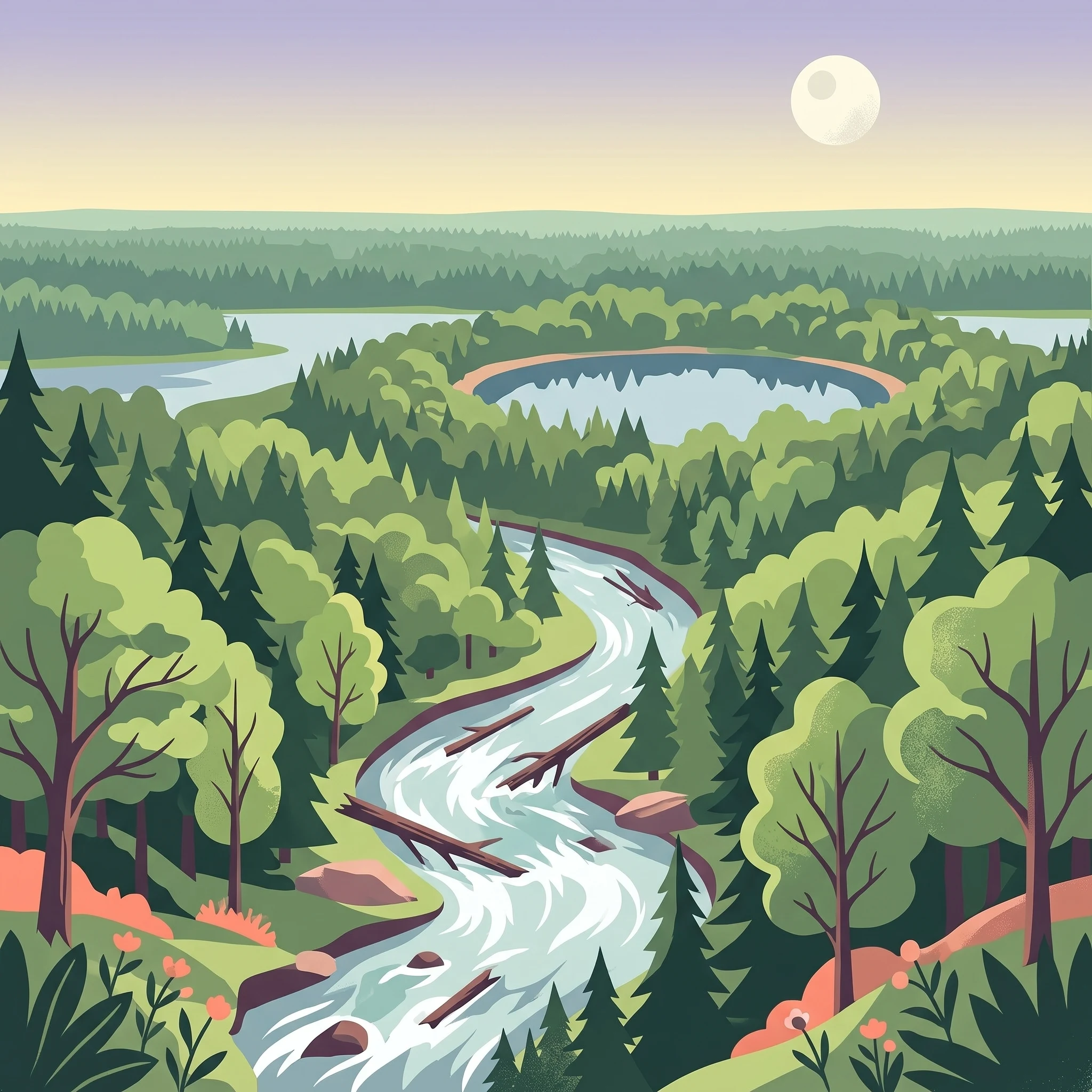
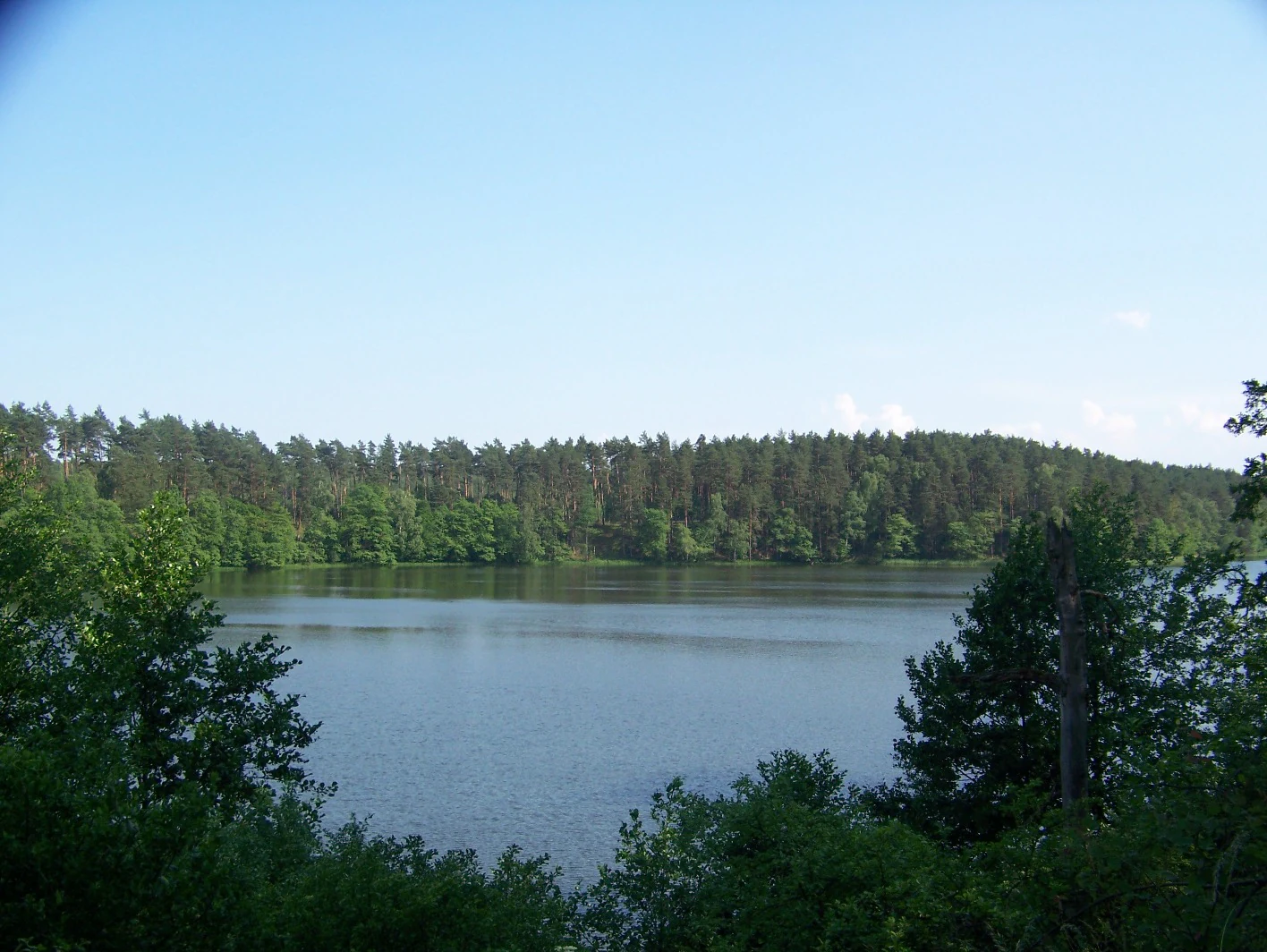
The physical landscape of Drawa National Park is characterized by an extensive forest cover interrupted by the distinctive valleys of the Drawa and Plociczna rivers. The Drawa River flows through the park for 40 kilometers, maintaining a remarkably fast current for a lowland river—making it resemble mountain streams and contributing to its reputation as one of Poland's most scenic kayaking waterways. The river has carved interesting valleys and hollows throughout its course. The terrain includes numerous lakes, of which the meromictic Lake Czarne covering 3.7 square kilometers is particularly notable, and Ostrowieckie Lake represents the largest waterbody within the park. Peat bogs and wetland channels add further diversity to the landscape. In certain areas, the topography becomes surprisingly varied, with elevation differences of up to 30 meters occurring within 500-meter distances. The highest hill in the park reaches 106 meters and is located near Martew Lake in the northern sector. The underlying soils are predominantly sandy and of poor agricultural quality, which has historically limited development and helped preserve the natural forest character.
Drawa National Park ecosystems, habitats, and plant life
The ecological character of Drawa National Park is defined by its extensive lowland forests and riverine ecosystems. Over 80 percent of the park is covered by forest, primarily beech and pine stands, with oak-dominant woodlands also present. The forests include remarkable old-growth elements, with oak trees up to 400 years old found within the Radecin Preserve, where the oldest trees receive strict protection. Trees older than 81 years cover 40 percent of the forested area, indicating significant ecological maturity. The park supports approximately 900 plant species and 210 mushroom species, reflecting the biodiversity value of these lowland forest communities. The river system, fed by clean waters, supports diverse aquatic ecosystems, while the lakes, peat bogs, and wetlands create additional habitat diversity. The Drawa River's relatively fast current and clean water quality support fish communities typical of flowing waters, and the meromictic Lake Czarne provides unique ecological conditions found nowhere else in the country at this scale.
Drawa National Park wildlife and species highlights
Drawa National Park supports substantial biodiversity across multiple animal groups. The mammal fauna includes approximately 40 species, with roe deer, red deer, and wild boar being particularly common. The park hosts notable populations of European otters and Eurasian beavers, both species closely tied to the clean river and lake ecosystems—the otter serves as the park's symbolic animal. Occasional sightings of moose and gray wolves occur, representing larger mammals that use the forest as habitat. Birdlife is diverse, with 129 species recorded including approximately 130 breeding species. Notable birds include white-tailed eagle, osprey, lesser spotted eagle, eagle owl, goosander, red-breasted merganser, mountain wagtail, dipper, kingfisher, corncrake, grey heron, and black stork. The park's waters support about 30 fish species, including migratory brown trout, lake trout, brook trout, grayling, Danube salmon, whitefish, and vendace. Reptiles are represented by 7 species and amphibians by 13 species.
Drawa National Park conservation status and protection priorities
Drawa National Park represents one of Poland's important conservation areas for lowland forest and river ecosystems. The primary conservation rationale focuses on protecting the Drawa and Plociczna river corridors, which harbor exceptional biodiversity and serve as migration corridors for aquatic species. Twelve strict protection zones cover 1,391.62 hectares, preserving the most ecologically valuable fragments of the park. An additional 9,609.27 hectares receive active management protection, while 534.77 hectares are maintained under landscape protection status. The surrounding buffer zone spans 352.67 square kilometers and includes five additional nature reserves. The park protects old-growth forest communities with trees up to 400 years old, the rare meromictic Lake Czarne, and populations of species such as the European otter that serve as indicators of ecosystem health. The protection of this lowland river system addresses conservation needs that are poorly represented in Poland's protected area network.
Drawa National Park cultural meaning and human context
The region encompassing Drawa National Park has historically been characterized by sparse human settlement due to its challenging terrain and poor soils. During the period when the area lay at the border between Poland and Western Pomerania (later part of Prussia), the dense forests and wetlands were regarded as unsuitable for significant human settlement. Only beginning in the 17th century did forest clearing for settlement become more active. The park is now administered from the town of Drawno, which serves as the administrative center and gateway for visitors. The Drawa River has long served as a navigation and transportation route, and the tradition of kayaking and fishing remains embedded in local recreational culture, as evidenced by the high proportion of visitors who engage in these activities.
Top sights and standout views in Drawa National Park
Drawa National Park offers visitors one of Poland's most scenic lowland river experiences through its Drawa River kayaking trail, where the fast-flowing water creates mountain-like conditions. The park protects old-growth beech and oak forests with trees reaching 400 years of age, rare in Poland's lowlands. The meromictic Lake Czarne represents a unique limnological feature of national significance. Wildlife highlights include reliable populations of European otters and beavers along the river corridors, along with diverse birdlife including white-tailed eagles, ospreys, and black storks. Five educational trails and one geological trail provide structured interpretation of the park's natural and cultural values.
Best time to visit Drawa National Park
Drawa National Park can be visited throughout the year, with each season offering distinct experiences. The summer months draw the highest visitor numbers, particularly for kayaking on the Drawa River when water levels and weather conditions are most favorable. The spring and autumn seasons offer excellent conditions for wildlife observation and hiking as the forest canopy shifts with the seasons. Winter provides a different character to the landscape, though visitor numbers decrease significantly. The park's rivers and lakes support year-round ecological interest, with different species more observable during specific seasons—spring brings breeding bird activity while autumn offers mushroom foraging opportunities in the forests.