Why Warta Mouth National Park stands out
Warta Mouth National Park is best known as one of Poland's most important bird habitats, hosting 245 recorded bird species including 160 breeding species. The wetlands support 26 globally threatened species listed by BirdLife International, including the aquatic warbler, corn crake, black-tailed godwit, common crane, bittern, little bittern, and black tern. The park serves as a major staging area for migratory waterfowl, with tens of thousands of geese passing through during migration. It holds Poland's largest wintering population of the Bewick's swan and supports approximately 30 white-tailed eagles attracted by abundant wintering waterfowl. The park also protects significant populations of mammals including otters and beavers within its marshland habitats.
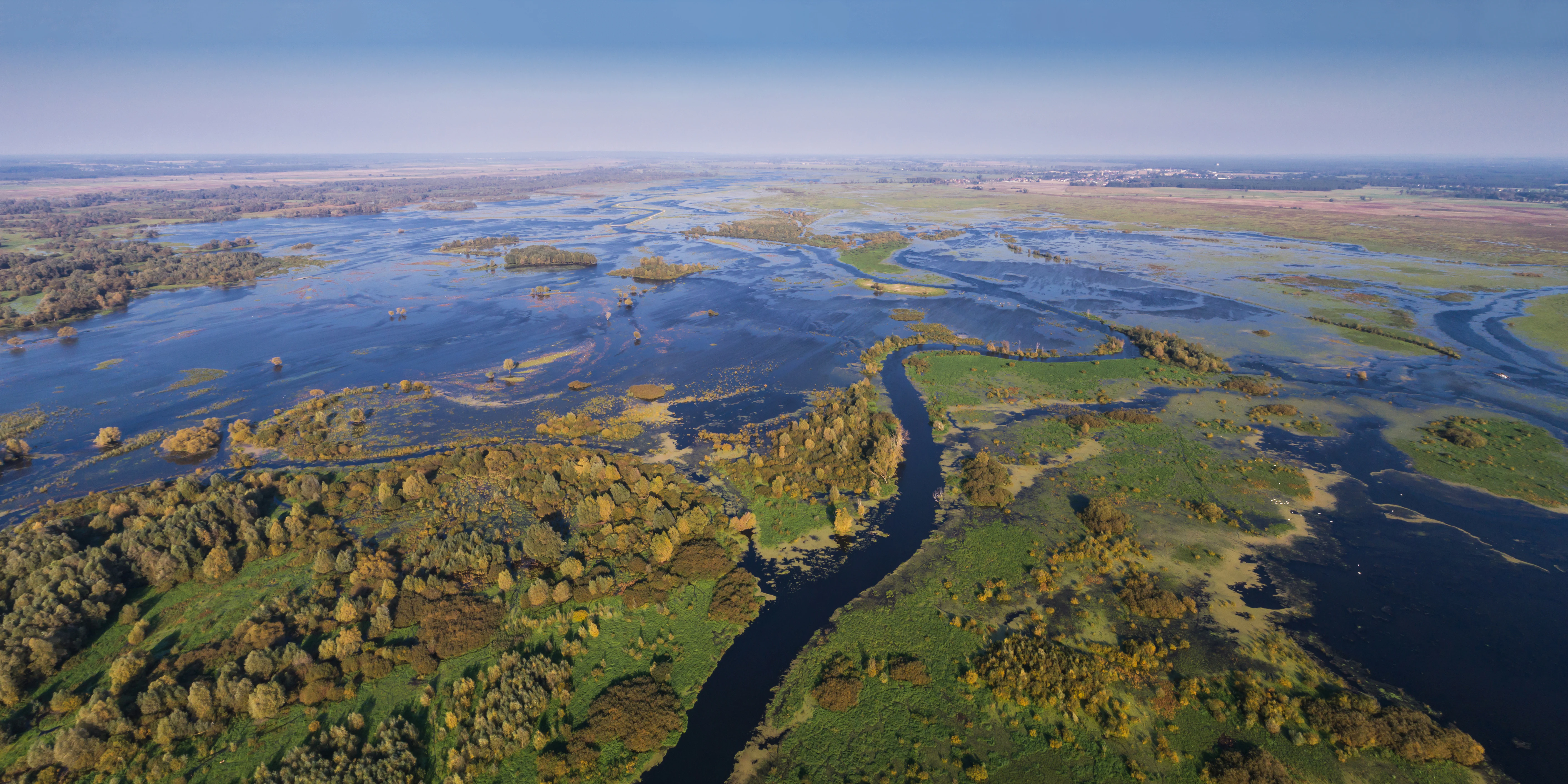
Warta Mouth National Park history and protected-area timeline
Warta Mouth National Park was established on June 19, 2001 (officially July 1, 2001) through the merger of the Słońsk Nature Reserve, which had protected the area since 1977, and portions of the Ujście Warty Landscape Park. The creation of this newest of Poland's 23 national parks consolidated protection for one of the country's most ecologically significant wetland complexes. Prior to national park status, the core area received international recognition when the Słońsk reserve was designated as a Ramsar Wetland of International Importance on January 3, 1984, acknowledging its outstanding universal value as a wetland habitat. The park's administration is overseen by the Ministry of Climate and Environment, with headquarters situated in Chyrzyno near Kostrzyn nad Odrą. Since 1996, the Centre of Natural Education at Chyrzno has played a key role in environmental education, organizing courses, field trips, and ornithology camps for students. Notably, the park's official symbol was updated in April 2020, changing from the white-fronted goose to the tundra bean goose, reflecting taxonomic revisions and the fact that the latter species constitutes approximately 90 percent of the geese recorded at the site.
Warta Mouth National Park landscape and geographic character
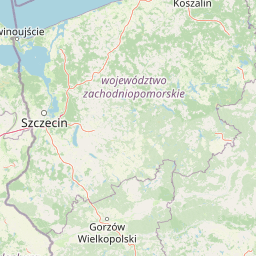
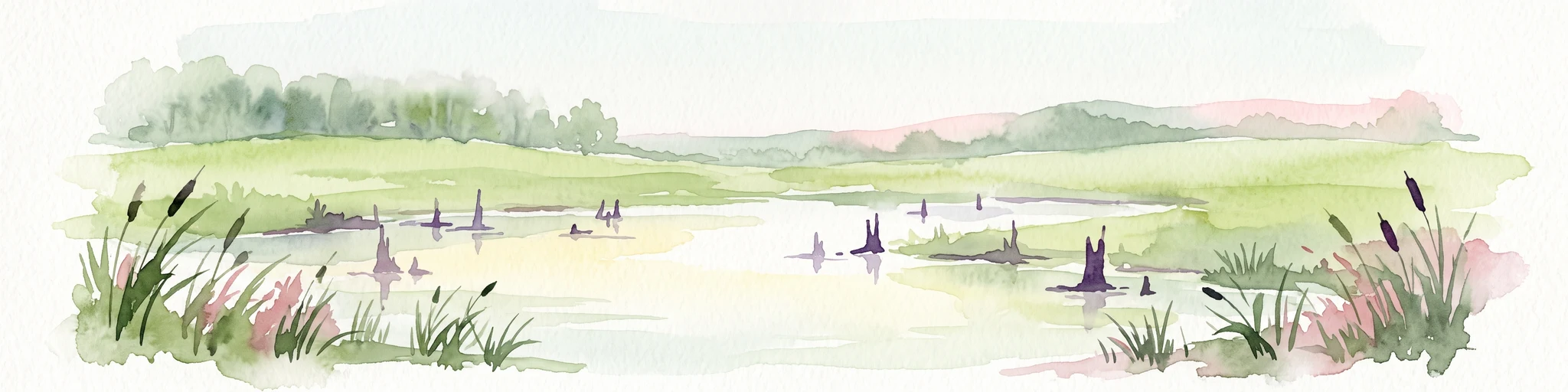
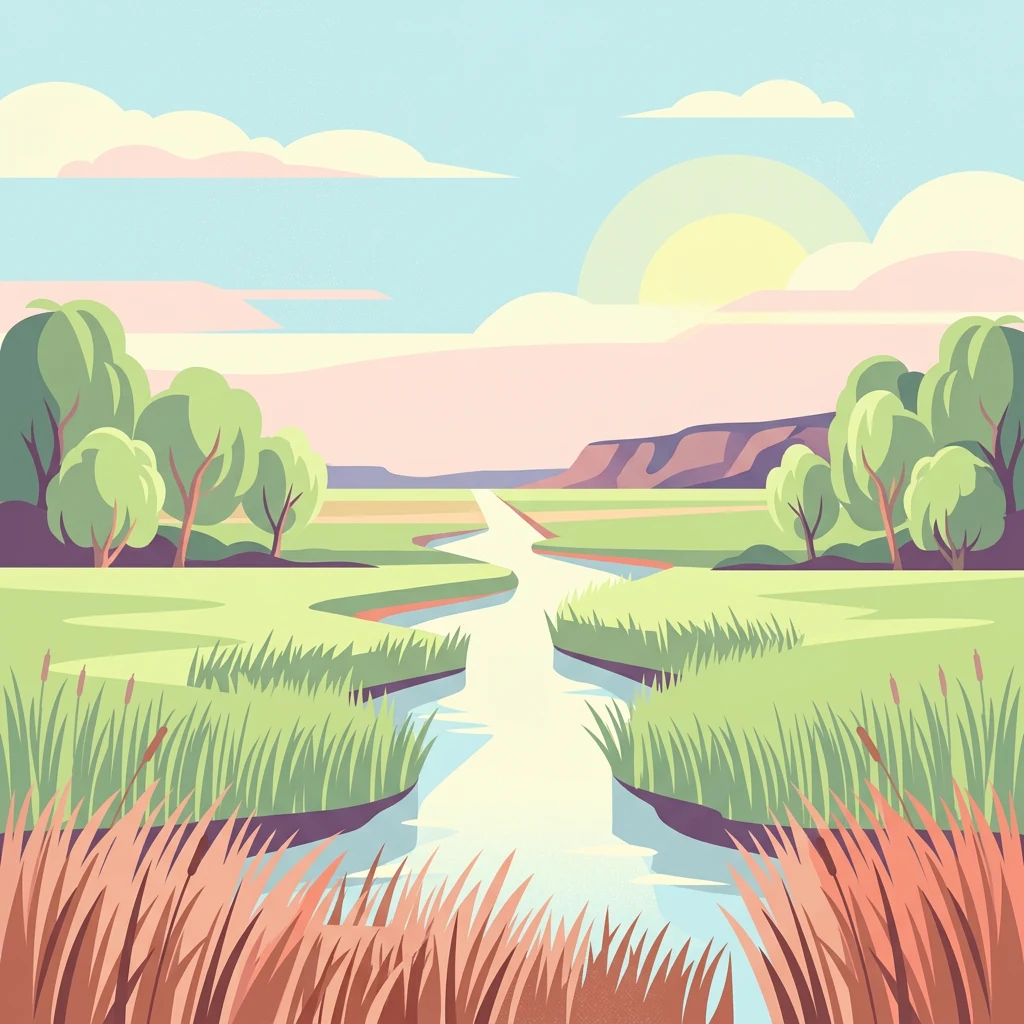
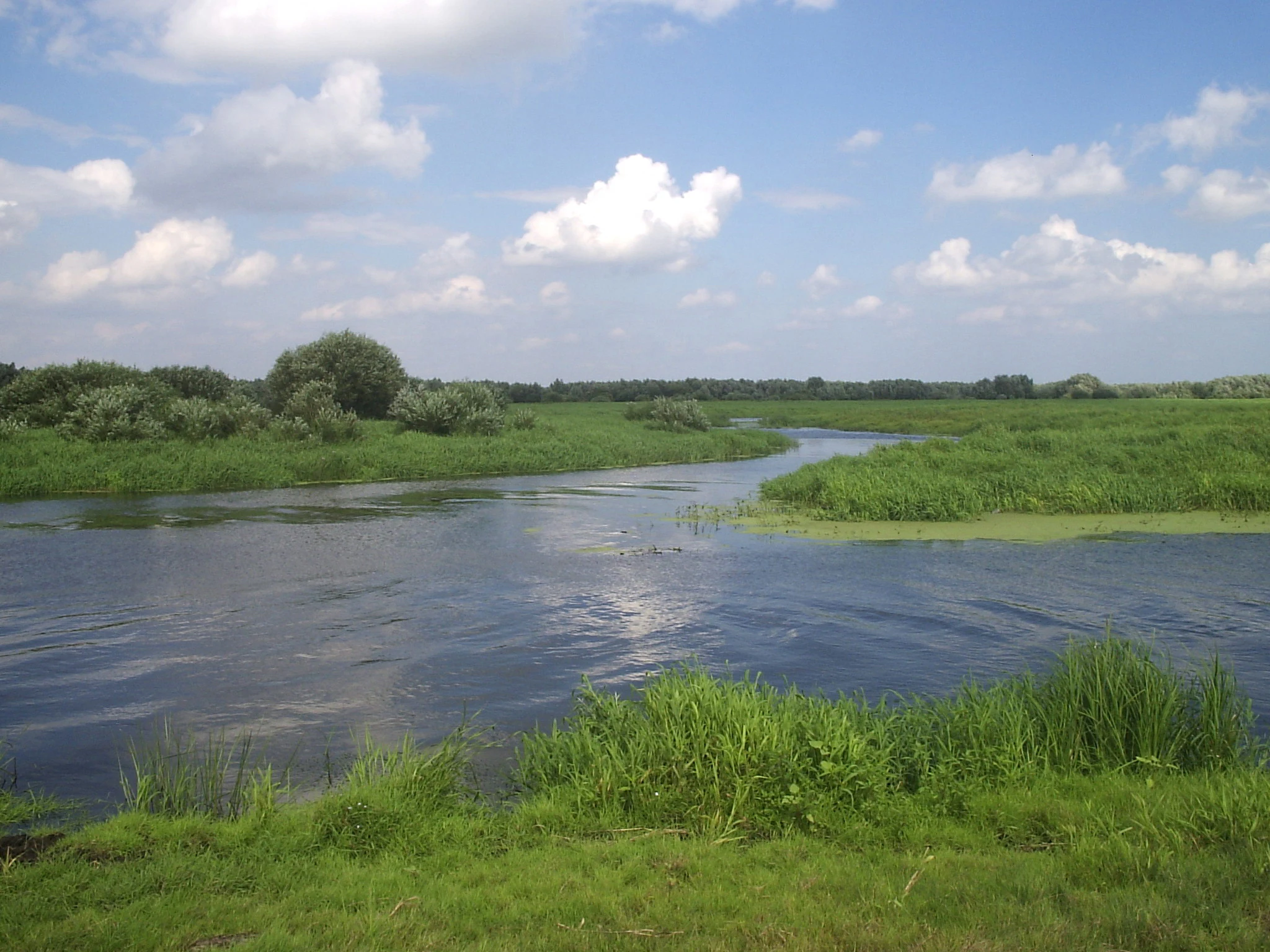
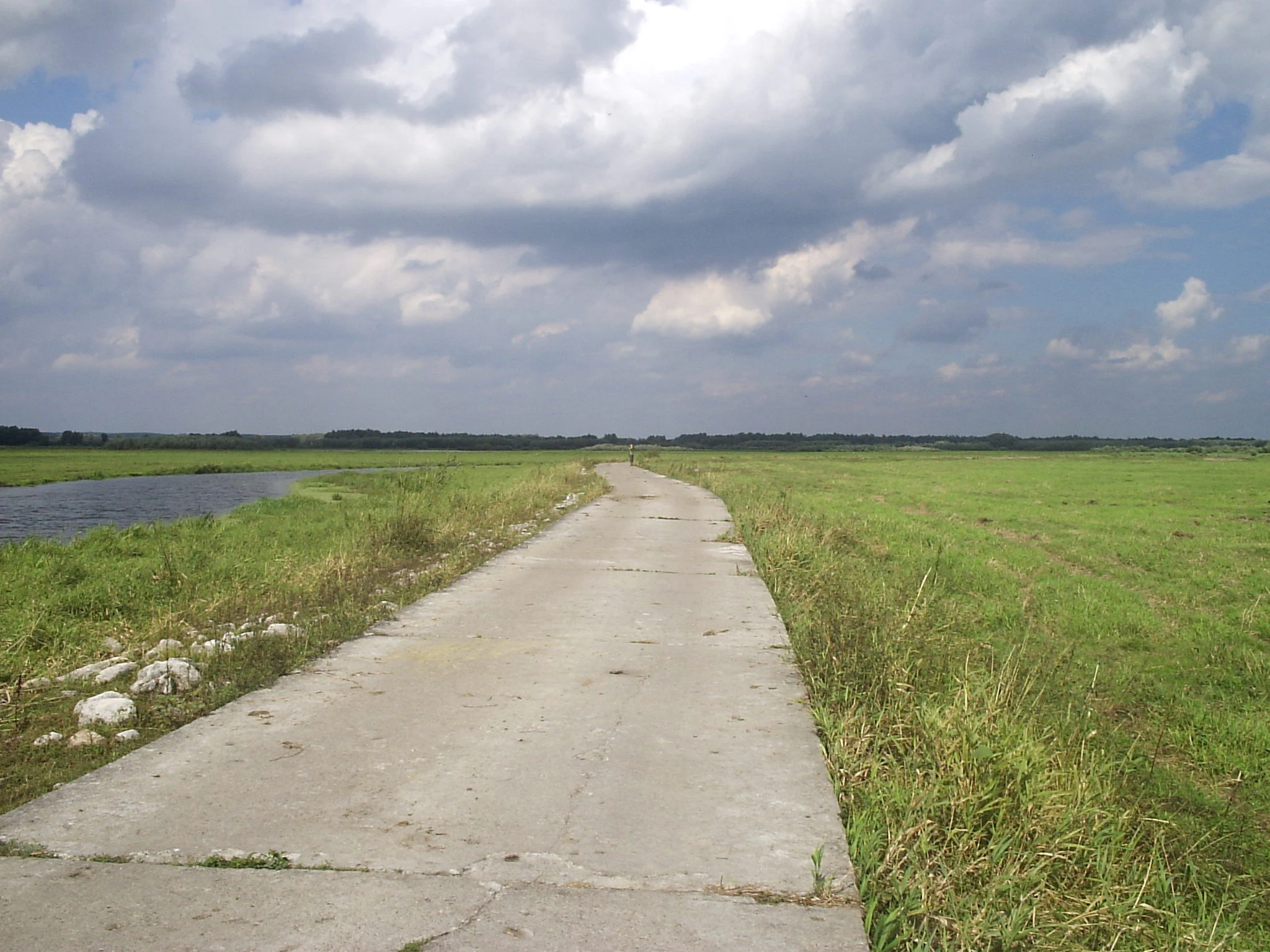
The park occupies low-lying terrain within the Warta River valley as it approaches its confluence with the Oder, forming part of the broader Gorzów Basin and Friedenwald Basin. The landscape is dominated by extensive floodplains, marshy wetlands, and seasonally flooded meadows that create a dynamic mosaic of aquatic and terrestrial habitats. The southern section, centered on the former Słońsk reserve, features expansive wetlands where the Warta's water levels fluctuate dramatically throughout the year, reaching differences of up to four meters between seasons. This section functions as a natural retention basin, holding excessive waters during the wetter periods, particularly in spring (March to April) when water levels peak. The northern section, called the Northern Polder, presents a different character with its network of canals, drainage channels, and man-made structures including levees that separate it from the main river channel. The Postomia River, a tributary of the Warta, plays a significant role in creating the floodplain conditions that define much of the park's wetland character. The terrain is predominantly flat with minimal elevation change, typical of river valley landscapes in this region of Poland.
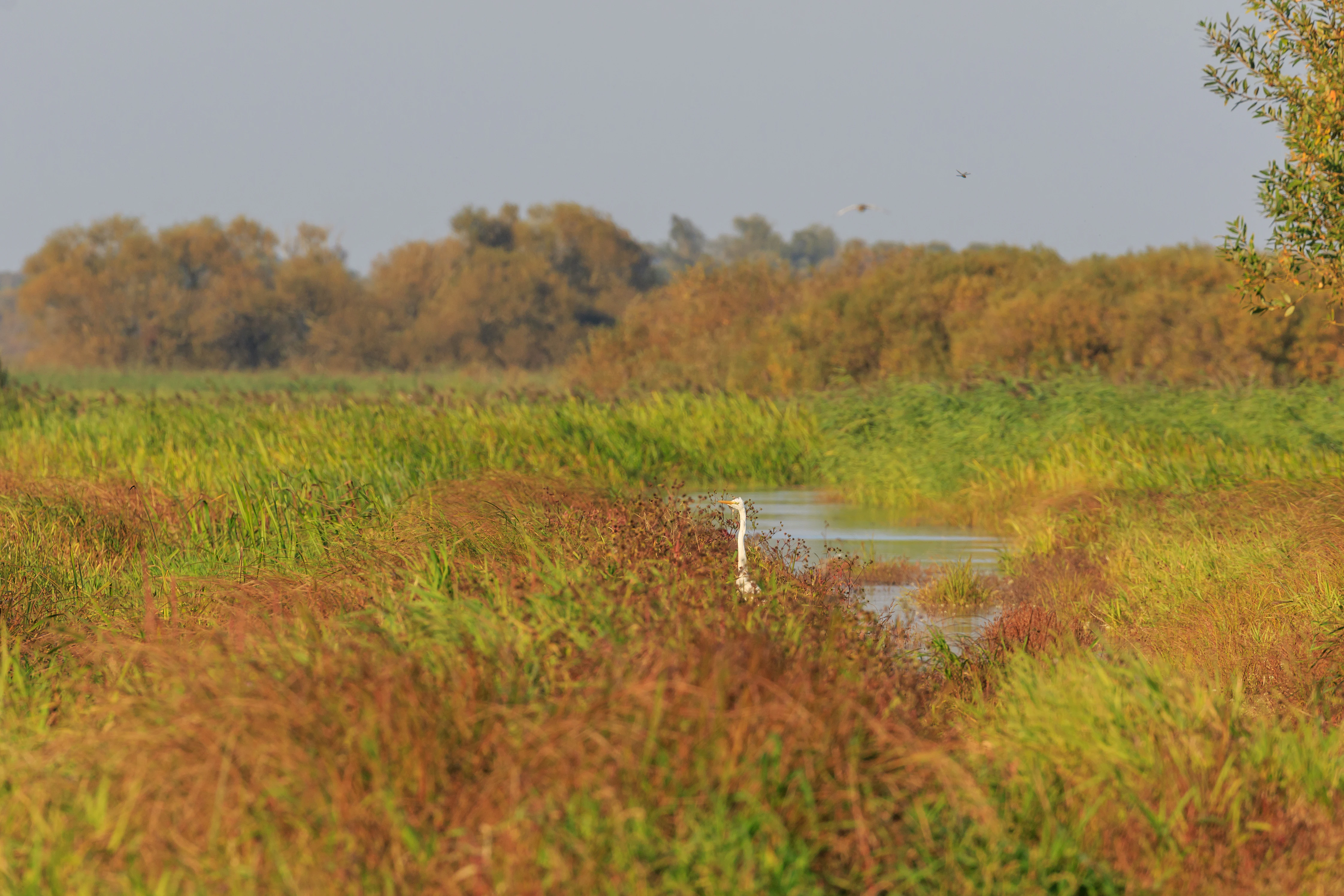
Warta Mouth National Park ecosystems, habitats, and plant life
The park protects one of Poland's most significant wetland ecosystems, characterized by heterogeneous plant communities that are largely natural despite centuries of human activity in the surrounding region. The meadows and pastures of the floodplain represent one of the most important habitats for waterbirds and marsh birds in Poland, supporting exceptional biodiversity in what remains of Europe's largely human-modified river valleys. The wetland habitats include extensive reed beds, marshy grasslands, and seasonal pools that provide crucial breeding, nesting, and foraging grounds for diverse bird communities. The floodplain's ecological significance stems from its relatively unmodified character compared to most major European river valleys, which have been heavily altered by human activities. The area's natural hydrological processes, including the dramatic seasonal water level fluctuations, maintain the dynamic conditions essential for the wetland-dependent species that define this protected area's conservation value.
Warta Mouth National Park wildlife and species highlights
Warta Mouth National Park supports extraordinary bird diversity, with 245 species recorded within its boundaries and 160 species confirmed as breeding residents. The wetlands provide critical habitat for seven to eight duck species and support populations of 26 bird species considered endangered according to the BirdLife International list. Notable species include the aquatic warbler (Acrocephalus paludicola), corn crake (Crex crex), black-tailed godwit (Limosa limosa), common crane (Grus grus), bittern (Botaurus stellaris), little bittern (Ixobrychus minutus), and black tern (Chlidonias niger). The park serves as a major migratory route and staging area, with tens of thousands of geese—including tundra bean geese, white-fronted geese, greylag geese, and lesser white-fronted geese—passing through seasonally. The park holds Poland's largest wintering population of Bewick's swan, and the abundance of wintering waterfowl attracts approximately 30 white-tailed eagles. Mammal populations include 34 species, notably the European otter (Lutra lutra) and European beaver (Castor fiber). The primary ecological threat involves the succession of woody vegetation into the delicate meadow and pasture ecosystems, which would degrade the open habitats essential for ground-nesting bird species.
Warta Mouth National Park conservation status and protection priorities
The park represents one of Poland's most important conservation areas, recognized internationally as a Ramsar Wetland of International Importance since 1984. The protected status acknowledges the wetland's outstanding universal value and the critical role it plays in supporting global bird populations through migration routes. The park protects a remarkable concentration of globally threatened bird species, with 26 species on the BirdLife International endangered list, making it a biodiversity hotspot of European significance. The conservation challenge involves maintaining the open wetland character against natural succession, as the return of taller vegetation to meadows and pastures threatens the ground-nesting bird species that depend on these habitats. Active management through grazing, mowing, and controlled burning helps maintain the ecological conditions necessary for the park's bird communities. The park's designation as a national park provides the highest level of protection in Poland's protected area system, while the surrounding buffer zone extends conservation influence across a broader landscape.
Warta Mouth National Park cultural meaning and human context
While Warta Mouth National Park is primarily valued for its ecological significance, the protected area encompasses cultural landscape elements shaped by traditional agricultural practices. The extensive meadows and pastures that characterize much of the park reflect centuries of human use that created and maintained the open wetland habitats now valued for conservation. The presence of horses, visible in the park's imagery and noted in Polish sources, reflects the continued agricultural character of the region. The park lies within a boundary region historically influenced by both Polish and German cultural spheres given its proximity to the border, though the primary focus of protection remains ecological rather than cultural-historical. The village of Chyrzyno serves as the administrative center, providing a human settlement context within this wetland landscape.
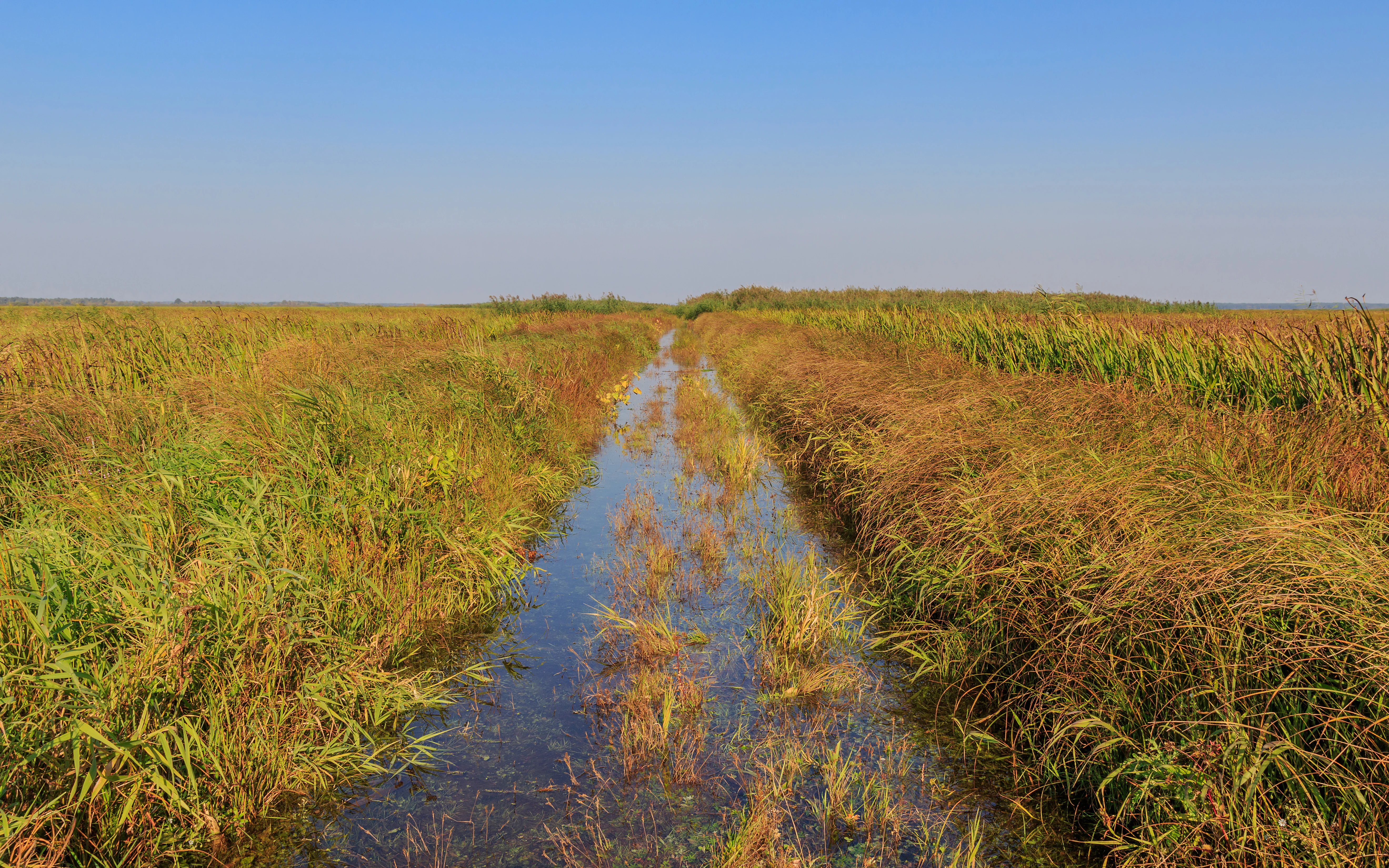
Top sights and standout views in Warta Mouth National Park
Warta Mouth National Park stands as Poland's premier wetland bird sanctuary, protecting the last unmodified section of a major European river valley. The park's Ramsar designation, its 245 bird species including 26 globally threatened species, and its role as Poland's largest Bewick's swan wintering ground define its exceptional conservation significance. The dramatic seasonal flooding in the southern section creates one of Central Europe's most dynamic wetland landscapes, while the northern polder's canal system offers different wetland character. The park's educational facilities, including the Centre of Natural Education and nature trails like Ptasim szlakiem, provide visitor engagement with the wetland environment. The recent symbol change to the tundra bean goose reflects ongoing ecological research and taxonomic refinement at this important migratory bird site.
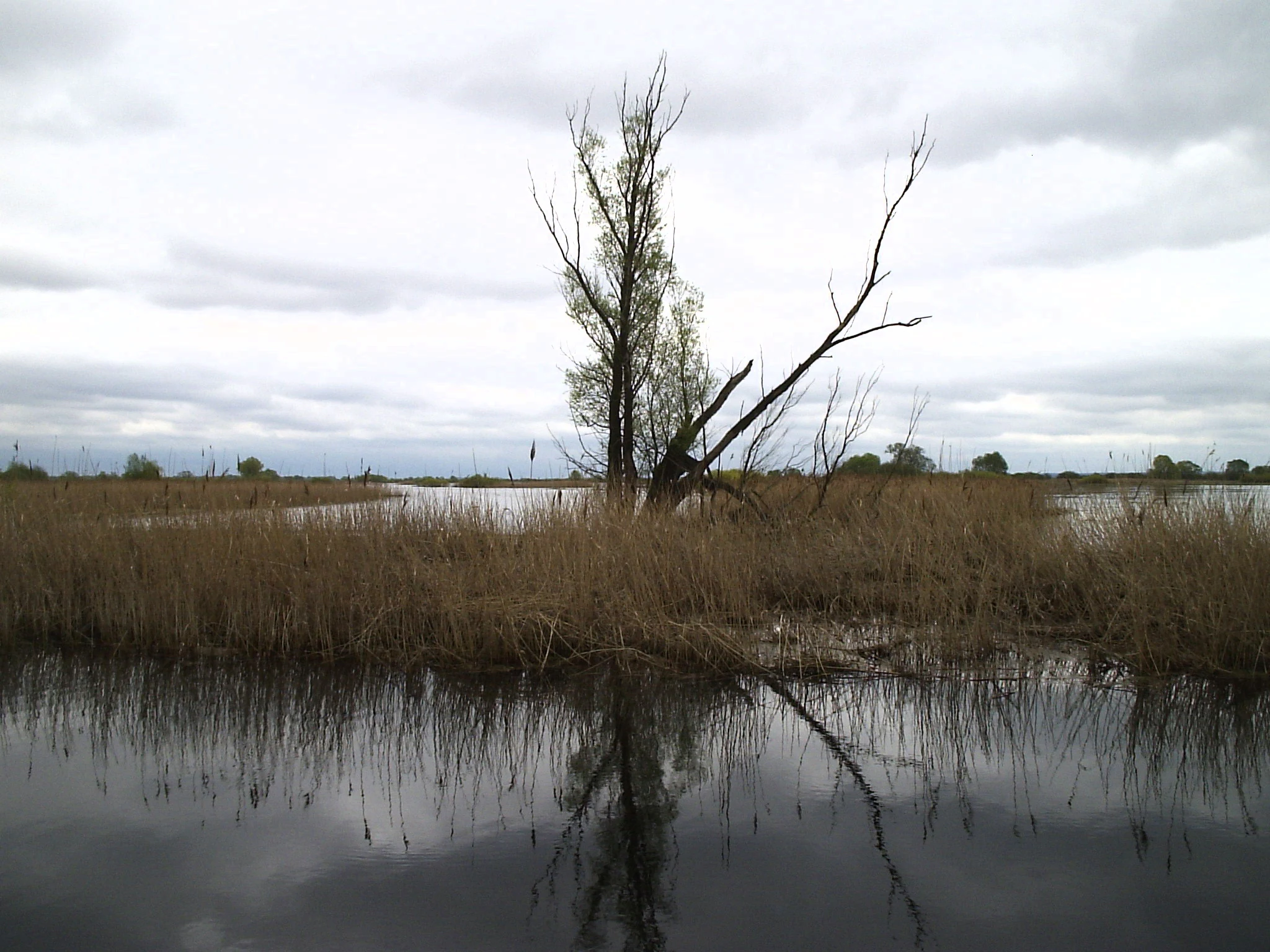
Best time to visit Warta Mouth National Park
The park offers year-round interest, though spring and autumn represent the most dynamic seasons for wildlife observation. Spring (March to April) brings the highest water levels as snowmelt and rainfall swell the Warta, creating extensive flooded areas that attract nesting birds and migratory species. This period offers excellent opportunities to observe the spring migration of waterfowl and cranes. Autumn migration (September to November) brings large flocks of geese moving southward, with tens of thousands of birds passing through the wetlands. Summer provides access to breeding bird activity and supports the park's walking and cycling trails, though mosquitoes and midges are prevalent in wetland areas. Winter, while less comfortable for extended outdoor visits, offers the unique spectacle of large swan and waterfowl flocks wintering in the relatively ice-free channels, and provides good conditions for observing white-tailed eagles that congregate to feed on waterfowl. The park's accessibility via trails makes it suitable for visits during milder winter periods as well.