Why Wolin National Park stands out
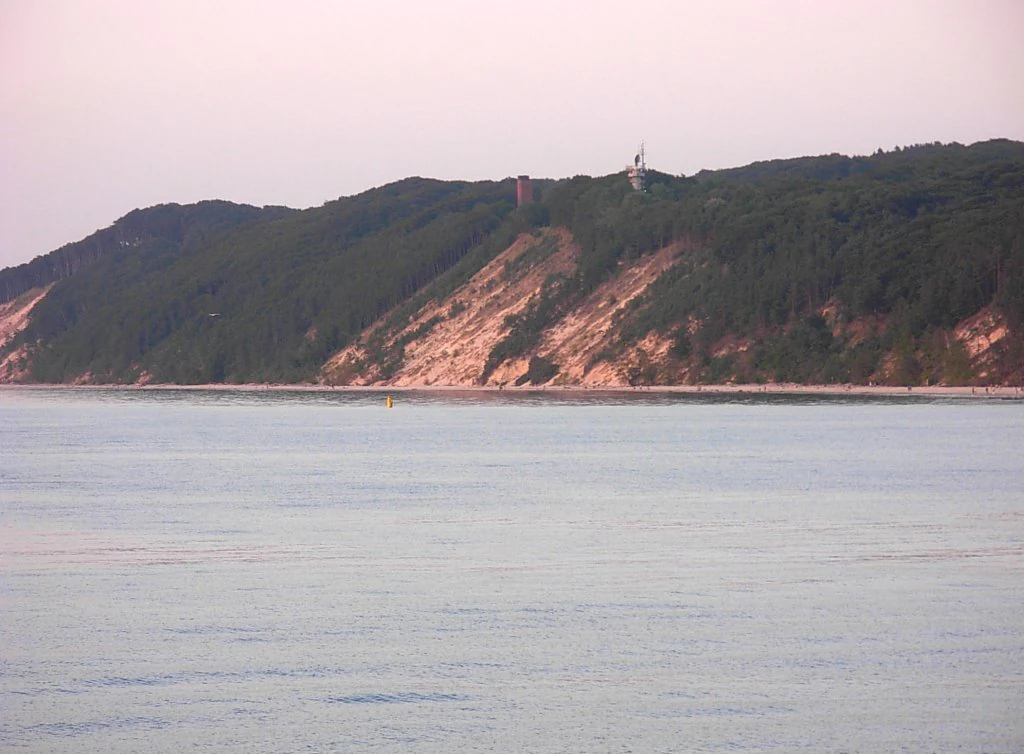
Wolin National Park is best known for its spectacular sea cliffs along the Baltic coast, particularly the Gosań and Kawcza Góra promontories which rank among the highest active cliffs in Poland. The park is also famous for its European bison (wisent) sanctuary and as the site of Poland's first marine protected area. The park's symbol, the white-tailed eagle (bielik), is prominently featured in its logo alongside the sea pea. The park's cultural heritage includes the early medieval fortified settlement of Lubin Grodzisko, one of the oldest ecclesiastical sites in Pomerania, and the V3 bunker complex from World War II, the only such weapons exhibit in Poland.
Wolin National Park history and protected-area timeline
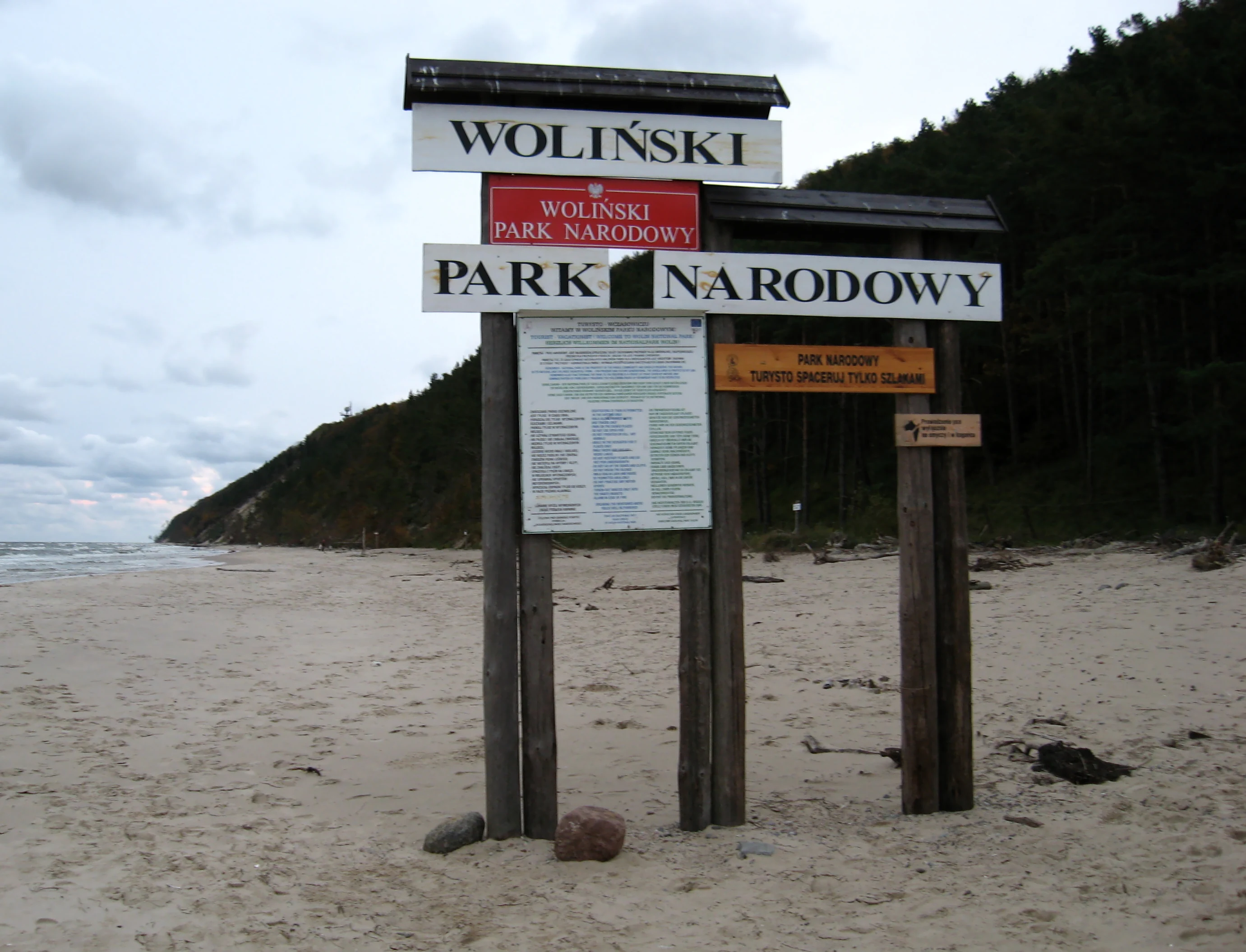
Wolin National Park was established on March 3, 1960, with an initial area of 4,844 hectares, making it one of Poland's earlier national parks established during the post-war period. The concept for the park was developed by Mieczysław Tarchalski, a distinguished forester who had served as a heroic commander of partisan units during World War II. Tarchalski prepared the documentation and draft regulations for the park's creation and was slated to become its first director, though the political climate of the era prevented a 'public enemy' from holding such a position. Leon Niedzielski, who organized and directed the park for twelve years until 1972, became its first director instead. A landmark expansion occurred in 1996 when marine waters of the Baltic Sea and Szczecin Lagoon, along with a coastal island archipelago, were incorporated into the park's boundaries. This transformation made Wolin Poland's first marine national park, establishing a precedent for coastal and marine protection in the country. The park's headquarters have remained in Międzyzdroje at Niepodległości Street 3a, where the Natural History Museum has operated since 1995 in a modern educational center with exhibition halls and aviaries displaying live birds of prey.
Wolin National Park landscape and geographic character
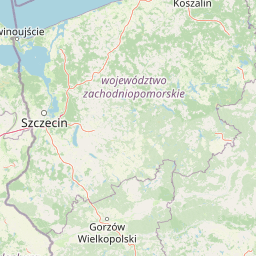
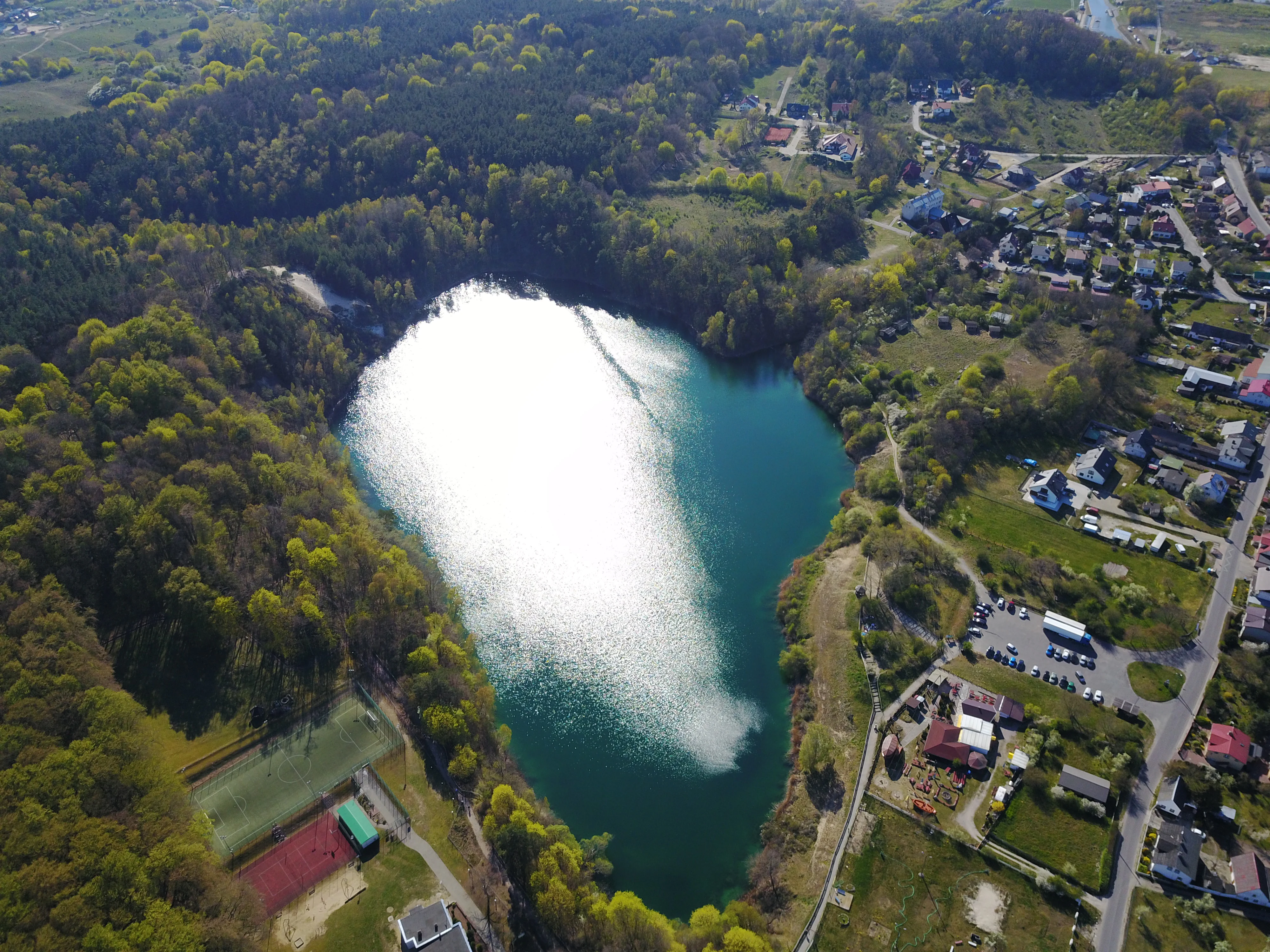
The landscape of Wolin National Park presents a compelling geological story shaped by glacial processes and ongoing coastal dynamics. The dominant terrain consists of terminal moraine ridges forming the Wolin Range and the Lubin-Wapnica Hills, which occupy approximately 75% of the park's area and reach elevations up to 115.9 meters at Mount Grzywacz. These glacial deposits create a hummocky terrain of hills, ridges, and kettle holes that gives the landscape its distinctive character. The park's most dramatic features are its sea cliffs along the northern coast—particularly at Gosań and Kawcza Góra—where active cliffs rise to 95 meters above the Baltic Sea. Coastal abrasion continues to reshape this shoreline, with the cliff line advancing inland by approximately 80 centimeters annually. The eastern part of the park features a distinct landscape of post-glacial lakes including Warnowo Zachodnie, Warnowo Wschodnie, Jezioro Czajcze, Jezioro Domysłowskie, Zatorek, and Wisełka, surrounded by kettle lakes, eskers, and kames. The second major landscape type is the delta of the Świna strait, a dynamic environment of dozens of marshy islands separated by numerous channels where ongoing sedimentation processes continuously reshape the configuration of islands and shallows. A smaller but distinctive landscape occurs in the sandr areas near Wapnica and Karnocice, while artificial lakes such as Jezioro Turkusowe (Turquoise Lake) and Gardno add further diversity to the park's water bodies.
Wolin National Park ecosystems, habitats, and plant life
The natural diversity of Wolin National Park reflects its position at the interface of marine, coastal, and terrestrial ecosystems. Vascular plant surveys have documented over 1,300 species on the island, including numerous protected and rare species. The coastal beach habitats support specialized plants including sea sandwort, sand couch, sea rocket, and prickly glasswort adapted to saline conditions. The halophyte communities of the Świna delta support approximately 30 salt-tolerant species. Steep cliff slopes are covered in dense sea-buckthorn thickets, while the shallow sandy bottom of the Baltic Sea hosts macroalgae including green algae, brown algae, and red algae, with bladder wrack being particularly abundant. The terrestrial forests are dominated by pine, which covers 68% of the park's land area, while beech accounts for 23% and oak 7%. Particularly noteworthy are the beech forests that have retained structural characteristics close to natural old-growth forests, supporting valuable ground flora including spring bellflower, orchids and bulbous bluebell. Near Wisełka, unusual coastal pine heath occurs on podzolic soils developed from loose sands. Rare plant species include royal fern, sea pea, lily-of-the-valley, and wintergreen.
Wolin National Park wildlife and species highlights
Wolin National Park supports exceptional wildlife diversity, particularly as a critical node along the Baltic coastal bird migration corridor. More than 230 bird species have been recorded within the park, including numerous breeding species. The white-tailed eagle, the park's symbol, nests in the area and can be observed in the park's aviaries. The park plays a significant role in protecting wetland bird habitats, particularly during spring and autumn migrations when the Świna delta provides crucial feeding and resting areas for migratory waterbirds. The area has been designated as a bird sanctuary of European importance. Notable species include the aquatic warbler, dunlin, red-backed shrike, and the park is involved in reintroduction efforts for the eagle owl. The insect fauna includes rare species such as the stag beetle and the magnificent longhorn beetle, and scientific surveys have identified three species new to science within the park's boundaries: the beetle Teredus opacus and two springtail species. The marine waters of the Gulf of Pomerania support diverse fish populations and host rarer marine mammals including grey seals and harbor porpoises.
Wolin National Park conservation status and protection priorities
Wolin National Park serves multiple conservation functions across marine, coastal, and terrestrial ecosystems. The seven strict protection areas within the park preserve representative examples of the park's most valuable natural habitats, including old-growth beech forests and coastal ecosystems. The park's marine extension protects the Baltic Sea and Szczecin Lagoon waters, supporting marine biodiversity including fish populations and marine mammals. The park is part of a broader network of European conservation sites, functioning as a Special Area of Conservation under the EU Habitats Directive and a Special Protection Area under the EU Birds Directive through the 'Odra River Estuary and Szczecin Lagoon' site and the 'Wolin and Uznam' bird protection area. The park's management focuses on maintaining ecological processes, protecting rare species, and managing visitor access to balance conservation with public enjoyment. Visitor education is supported by the Natural History Museum and network of nature trails, while ongoing research monitors the park's ecosystems and supports adaptive management.
Wolin National Park cultural meaning and human context
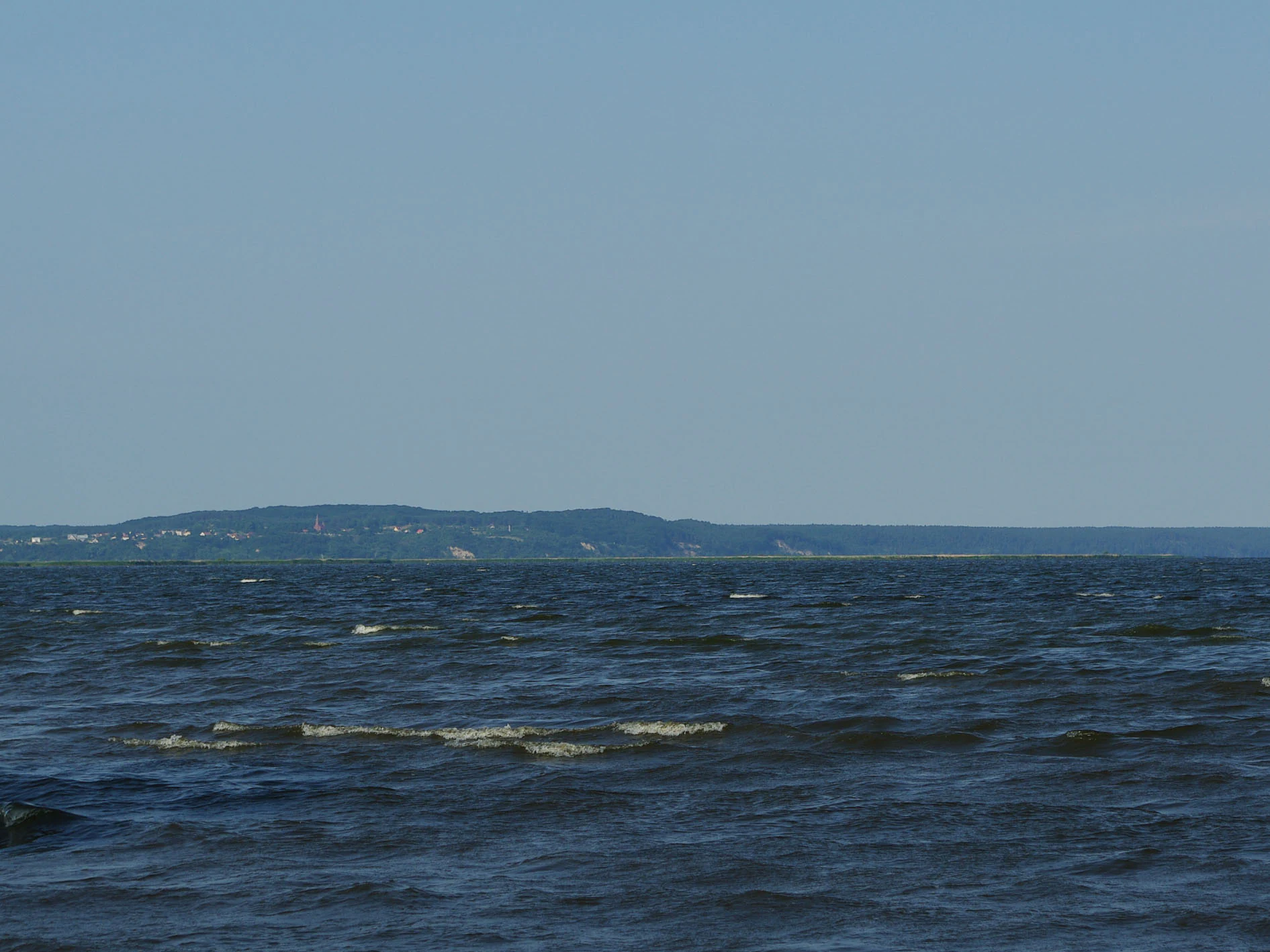
The island of Wolin has served as a significant location in regional history, and the park preserves tangible evidence of human presence spanning centuries. The Lubin Grodzisko site represents the remains of an early medieval fortified settlement that functioned between the 10th and 12th centuries, located at the highest point overlooking the Szczecin Lagoon. At the center of this fortified hilltop, ruins of what may be the oldest church in Pomerania have been identified, and archaeological excavations have uncovered a treasure of over 100 Arabic dirham coins dating to 951 CE. The site offers panoramic views across the Szczecin Lagoon, its 44 islands, the shipping channel between Szczecin and Świnoujście, and the wetlands of the Świna strait. During the World War II period, the area served as a secret German testing range where the V3 supergun was developed. The V3 bunker in Zalesie now houses the only exhibition of this secret weapon in Poland. The Piast Stones, a coastal boulder field between Międzyzdroje and Wisełka, represents another cultural landmark, while the ancient Wolinian Oak stands as a natural monument with historical significance.
Top sights and standout views in Wolin National Park
Wolin National Park combines exceptional natural landscapes with significant cultural heritage in a compact coastal setting. The dramatic sea cliffs at Gosań and Kawcza Góra, among Poland's highest active coastal cliffs, frame sweeping views of the Baltic Sea and serve as iconic park landmarks. The park's designation as Poland's first marine protected area reflects its pioneering role in coastal conservation, with the 1996 expansion incorporating the Baltic Sea and Szczecin Lagoon waters. The European bison sanctuary and the white-tailed eagle, both featured prominently in park branding, represent flagship species conservation efforts. Cultural highlights include the early medieval Lubin Grodzisko with its potentially oldest Pomeranian church foundations, the unique V3 bunker exhibition from World War II, and the archaeological treasure of Arabic dirham coins discovered at the fortified settlement. The park's five scenic viewpoints, network of marked trails, and the Natural History Museum provide visitor engagement opportunities, while the dynamic delta landscape of the Świna strait offers ongoing ecological interest as a continuously evolving ecosystem.
Best time to visit Wolin National Park
The park can be enjoyed throughout the year, with each season offering distinct experiences. Summer brings the warmest conditions for beach activities and cliff-top walking, though this is also the peak visitor season. Spring and autumn offer excellent conditions for wildlife observation, particularly birdwatching during migration periods when the delta and coastal areas host significant numbers of passage birds. The park's forests display seasonal transformations, with spring bringing forest floor wildflower displays, summer offering dense green foliage, autumn presenting colorful beech and oak foliage, and winter providing a different perspective on the landscape's structure and exposed geology. The shoulder seasons of May and September typically offer a good balance of favorable weather with fewer visitors, while winter visits provide opportunities to experience the park's moody coastal landscapes with fewer crowds, though some facilities may have reduced operations.