
Why Jasmund National Park stands out
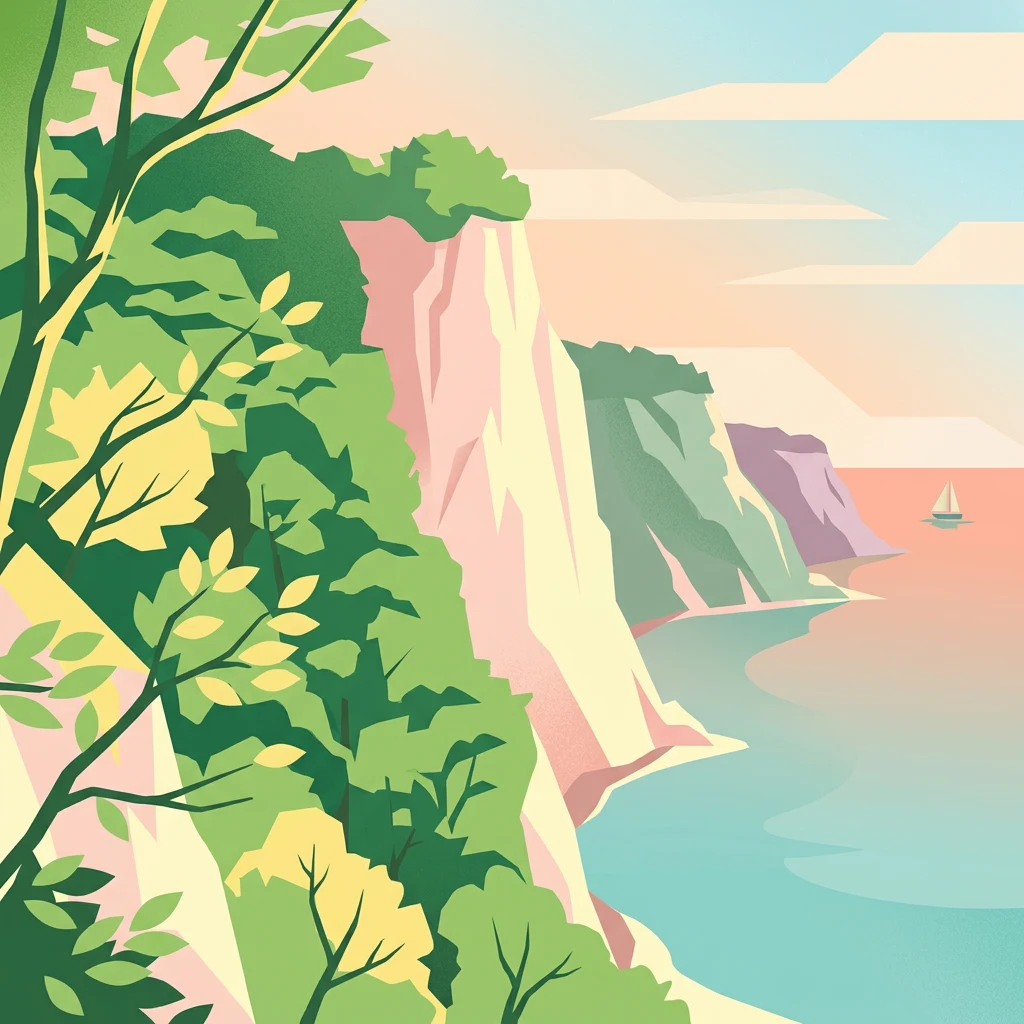
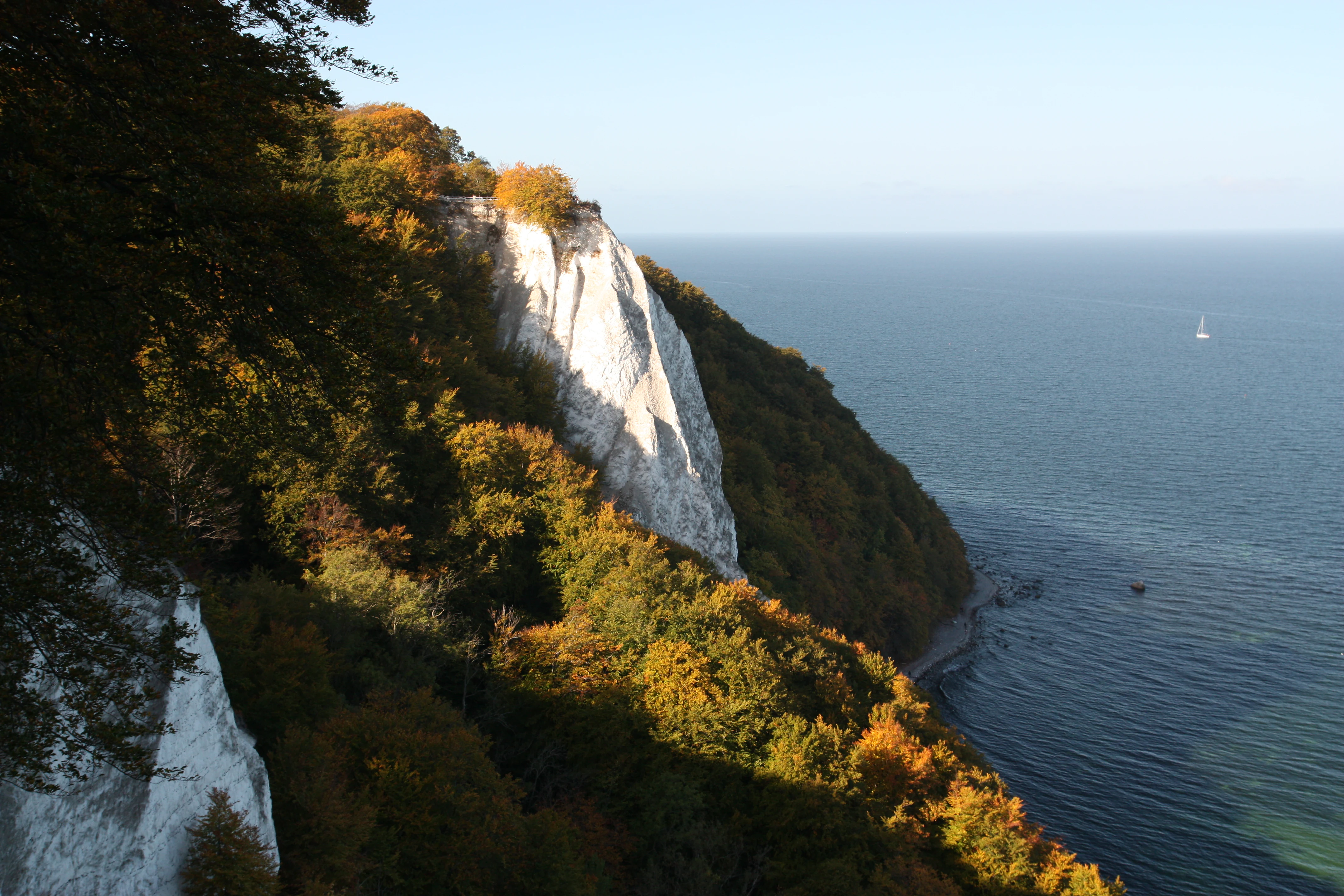
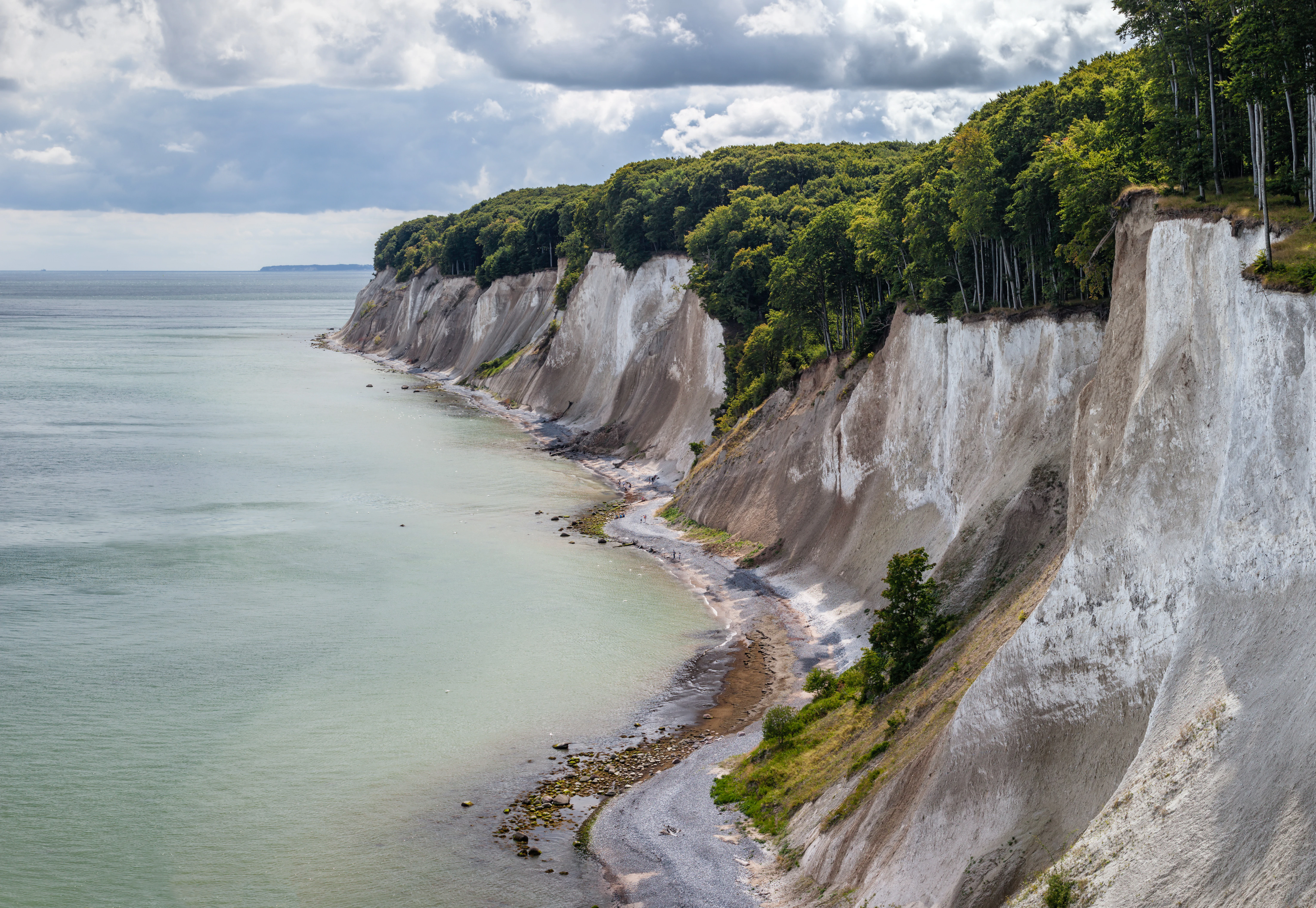
Jasmund National Park is best known for its spectacular white chalk cliffs, which are the largest and most dramatic in Germany. The Königsstuhl, rising 118 meters above the Baltic Sea, is the park's most recognizable landmark and a symbol of the Rügen landscape. The park is also celebrated for its ancient primeval beech forests, which represent one of the last remaining old-growth forest ecosystems in Europe. The distinctive white cliffs, shaped by constant coastal erosion, create one of the most recognizable coastal landscapes in Northern Europe.
Jasmund National Park history and protected-area timeline
The chalk deposits of the Jasmund peninsula have been exploited for centuries, with quarrying operations active in the region for many years. In 1926, when plans emerged to reopen a previously closed chalk quarry along the coast north of Sassnitz, the coastal area was designated as a nature reserve to prevent industrial development. This early protection established the foundation for the area's conservation status.
The modern national park was created on September 12, 1990, during the final months of the German Democratic Republic. This came as part of a comprehensive national park program initiated by East German authorities to protect representative natural landscapes throughout the country. The establishment occurred just months before German reunification in October 1990, making Jasmund one of the last protected areas established under the GDR government.
In 2011, the beech forests of Jasmund were added to the UNESCO World Heritage List as an extension to the existing Primeval Beech Forests of Europe site. This international recognition acknowledged the forest's ecological significance and its role as a living record of post-Ice Age forest development in Europe.
Jasmund National Park landscape and geographic character
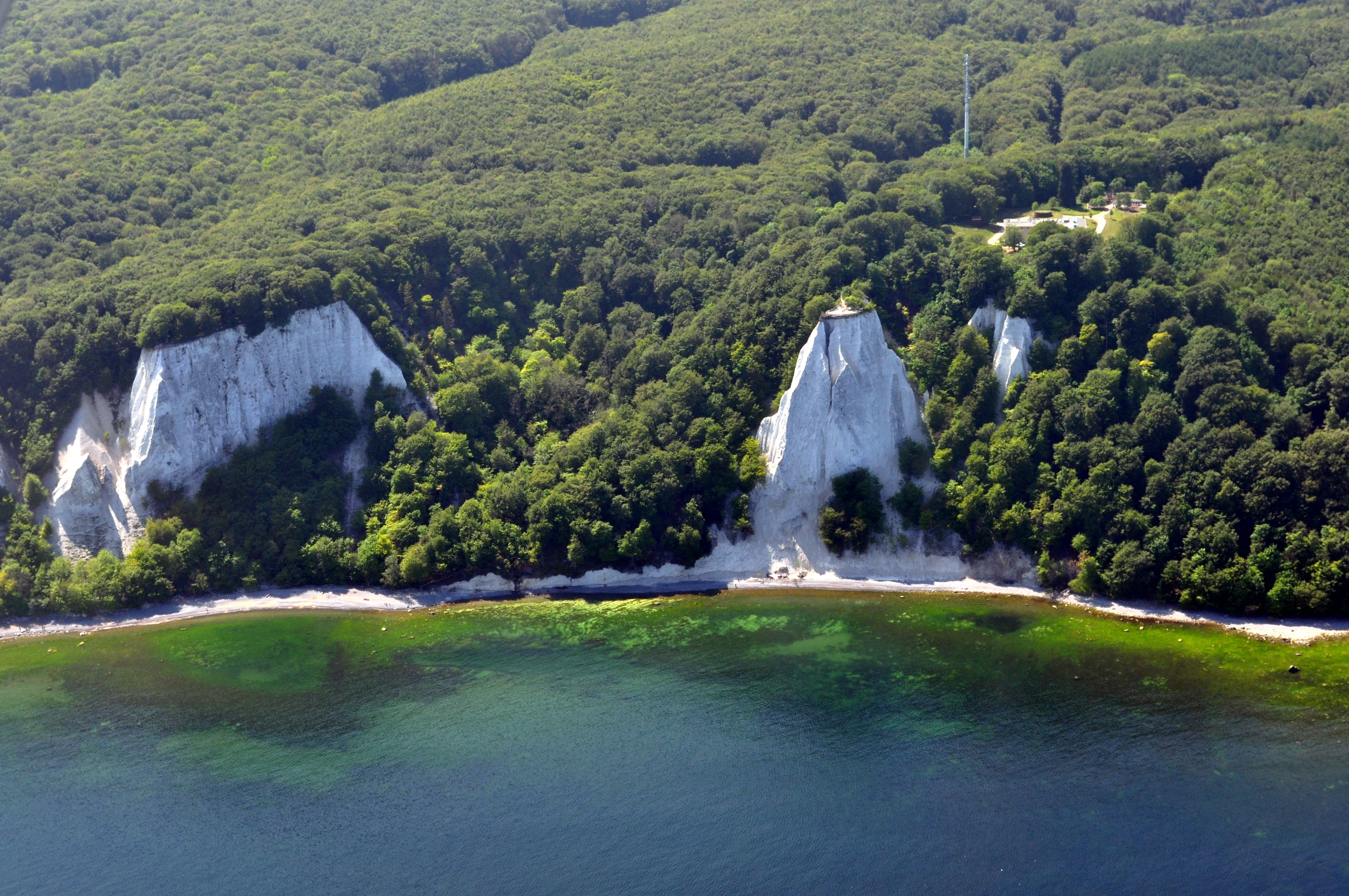
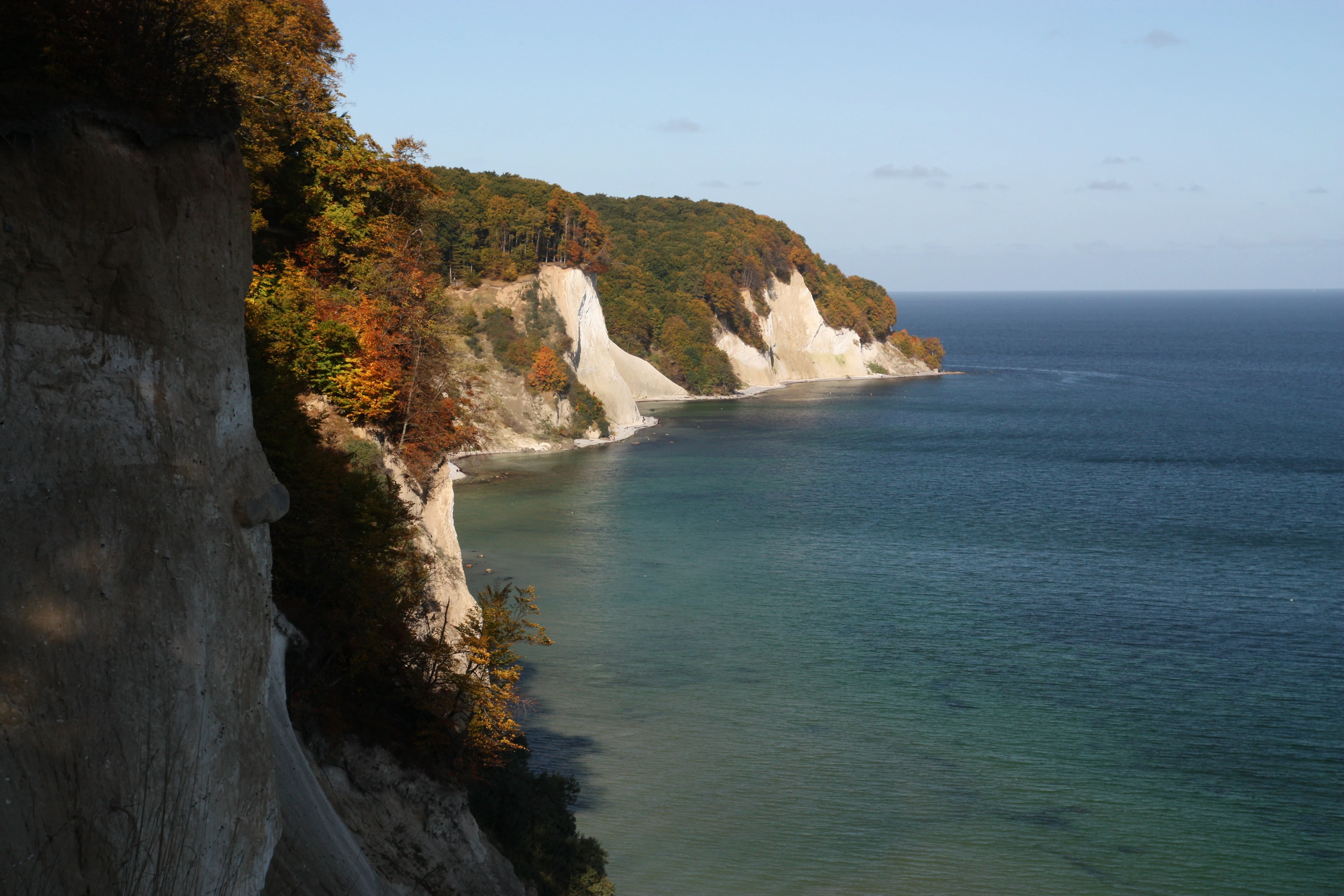
The landscape of Jasmund National Park is defined by the dramatic contrast between its white chalk cliffs and the forested ridge behind them. The chalk cliffs, part of the Rügen Chalk geological formation, rise steeply from the Baltic Sea, with the most impressive section reaching 118 meters at the Königsstuhl. These Cretaceous-age limestone formations are among the most significant geological features in Northern Europe.
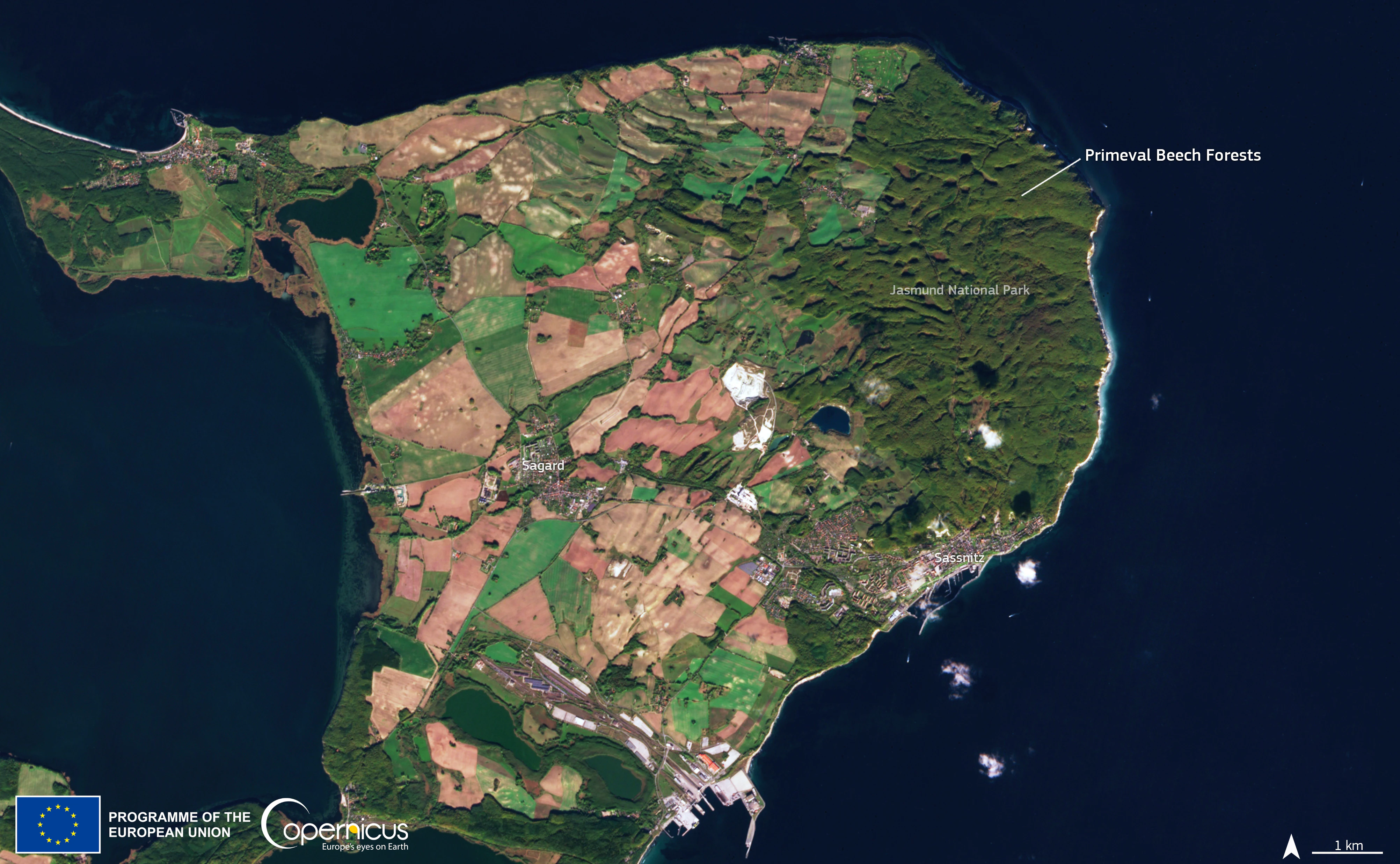
The inland landscape centers on the Stubnitz, a forested ridge that rises to 161 meters at Piekberg, the highest point on Rügen island. This ridge is blanketed in ancient beech forest that has never been clear-cut, creating a landscape that resembles prehistoric European forests. The forest contains numerous small water bodies and depressions formed as ice-age dead-ice melted, leaving hollows that now support wetland communities.
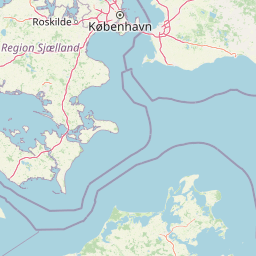
The western portion of the park features a different character, with former chalk quarries, open meadows, peat bogs, and dry grasslands. Several streams originate in the park's moors and flow through the landscape before cascading over the chalk cliffs to reach the Baltic Sea, creating rare waterfalls in this lowland region. The coastal waters extending 500 meters from the shore are also included within the park's boundaries.
Jasmund National Park ecosystems, habitats, and plant life
Jasmund National Park supports a remarkable diversity of habitats within its relatively small area, from marine coastline to ancient forest and wetland systems. The primeval beech forests represent one of the most significant old-growth forest ecosystems in Europe, with trees that have developed in near-natural conditions for centuries. These forests create a complex habitat structure with standing dead wood, fallen logs, and varied microclimates that support specialized ecological communities.
The forest floor contains numerous kesselmoore, bog complexes formed in the ice-age depressions that dot the landscape. These wetland areas, along with streams flowing through the Stubnitz, support communities of black alder and provide critical habitat for moisture-loving species. The unusual presence of the alpine strudelwurm, a species typically found in mountain streams, in the park's lowland waters demonstrates the unique ecological character of these habitats.
The chalk cliffs and coastline support specialized plant communities adapted to the harsh coastal environment, while the dry grasslands and former quarry areas provide conditions for different vegetation types including rare orchid species such as the lady's slipper orchid.
Jasmund National Park wildlife and species highlights
The diverse habitats of Jasmund National Park support a rich community of wildlife, with particular significance attached to several rare and specialized species. The old-growth forests provide essential habitat for cavity-nesting birds and species dependent on dead wood, while the open areas and cliffs support different ecological communities.
Birdlife is diverse and includes impressive species such as the white-tailed eagle, which hunts along the coastline, and the peregrine falcon, one of the fastest animals in the world. The common kingfisher can be observed hunting in the clear streams that flow through the forest, while house martins nest in the chalk cliff faces. However, due to the high number of visitors to the park, some sensitive species like the peregrine falcon and white-tailed eagle have become increasingly difficult to observe.
The invertebrate community is exceptionally rich, with approximately 1,000 beetle species recorded in the park. The Kreideeule, a cream-colored noctuid moth, has its only German population in Jasmund, making it a species of particular conservation concern. The park's streams and wetlands support distinctive communities including species more typical of mountainous regions.
Jasmund National Park conservation status and protection priorities
Jasmund National Park represents one of Germany's most important conservation areas, protecting both internationally significant geological features and irreplaceable ecological systems. The chalk cliffs, as Germany's largest and most dramatic, were recognized in 2006 as a National Geotope, highlighting their geological significance. The ongoing natural erosion processes that reshape the cliffs make them an important site for understanding coastal geological dynamics.
The ancient beech forests gained international recognition through their UNESCO World Heritage inscription in 2011, acknowledging them as outstanding examples of Europe's primeval forest heritage. These forests demonstrate the ecological processes that shaped European forests following the last Ice Age and provide reference ecosystems for understanding forest dynamics.
The park's management focuses on allowing natural processes to proceed with minimal intervention while providing opportunities for public appreciation of the landscape. Visitor management is a central challenge, given the popularity of the Königsstuhl viewpoint, which attracts hundreds of thousands of visitors annually. The National Park Authority works to balance conservation objectives with public access, employing visitor guidance systems and a well-developed trail network.
Jasmund National Park cultural meaning and human context
The dramatic landscape of Jasmund has inspired artists for centuries and holds cultural significance beyond its ecological value. The chalk cliffs of Rügen were immortalized in Caspar David Friedrich's famous 1818 painting "Chalk Cliffs on Rügen," though modern research suggests the view more closely resembles the smaller Stubbenkammer rather than the Wissower Klinken as previously assumed.
The area has a long history of human use, particularly through chalk quarrying that shaped parts of the landscape. The establishment of the nature reserve in 1926 reflected growing awareness of the need to protect the coastline from industrial development, setting a precedent for the later national park designation.
Top sights and standout views in Jasmund National Park
The Königsstuhl (King's Chair) is the park's centerpiece, a 118-meter white chalk cliff offering panoramic views over the Baltic Sea and the surrounding coastline. The platform at the Königsstuhl receives approximately 300,000 visitors annually who come to experience one of Northern Europe's most impressive coastal viewpoints. The visitor center opened in 2004 provides educational context about the park's geology, ecology, and conservation significance.
The primeval beech forests of the Stubnitz represent one of Europe's most significant old-growth forest ecosystems, recognized by UNESCO World Heritage status. The 12-kilometer Hochuferweg trail follows the cliff tops from Sassnitz through the park, passing the remains of the collapsed Wissower Klinken, the Victoria-Sicht viewpoint, and the Königsstuhl before reaching Lohme at the park's northern edge.
Best time to visit Jasmund National Park
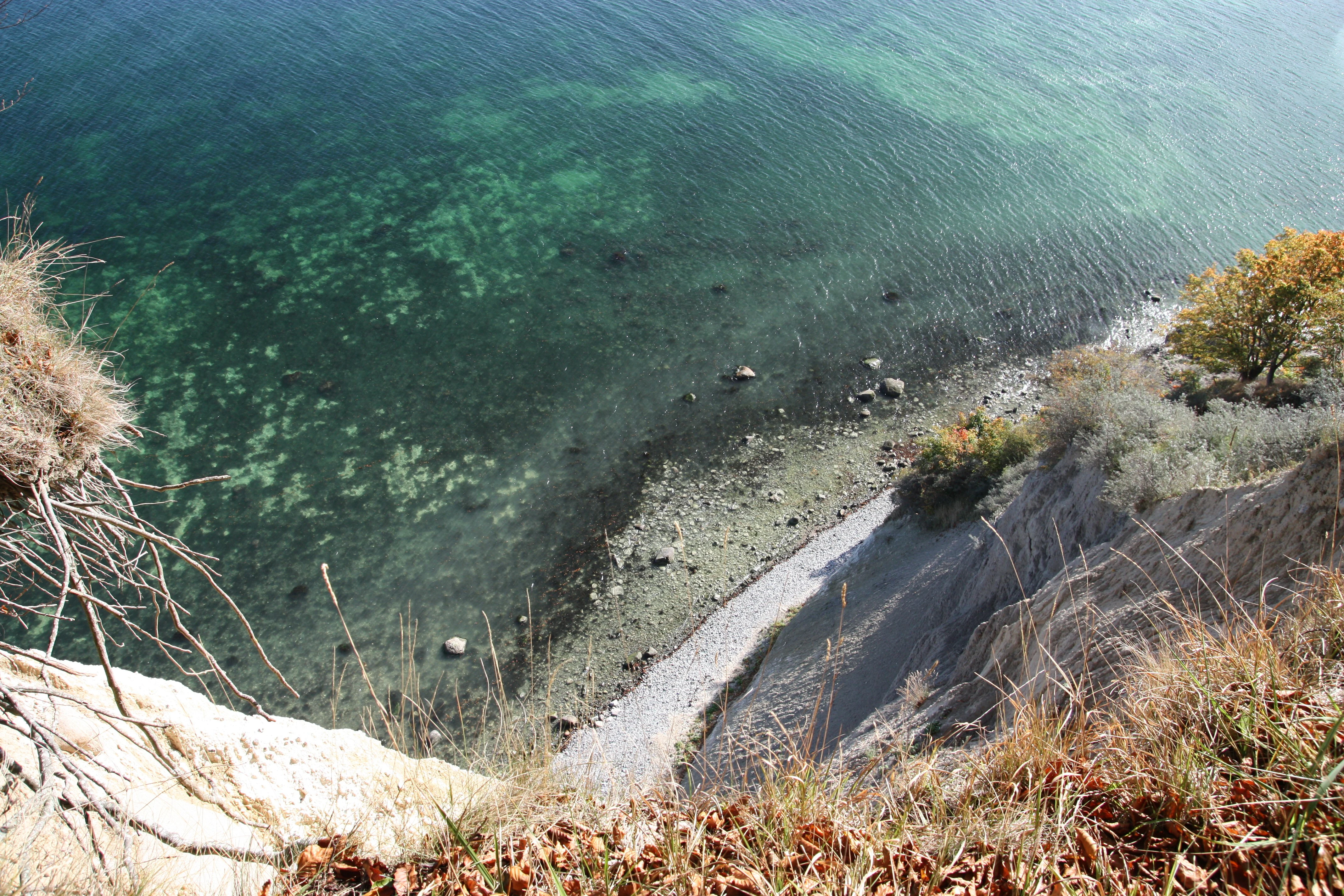
The park can be experienced throughout the year, with each season offering different characteristics. The white chalk cliffs are particularly striking on overcast days when the contrast between the white limestone and gray skies is most pronounced, and during winter when snow caps the cliffs. Spring brings fresh green foliage to the beech forests and migrating birds, while autumn creates atmospheric conditions in the forest as leaves change color. Summer months see the highest visitor numbers, particularly around the Königsstuhl area, so visiting during shoulder seasons may offer a more peaceful experience.