
Mori Atlas logo
National parkDalby Söderskog National Park

Explore the mapped boundaries and unique deciduous forest ecology of Sweden's smallest national park.

Dalby Söderskog National Park: A Compact Protected Landscape of Remarkable Botanical Richness

(Dalby Söderskogs nationalpark)

Dalby Söderskog National Park, situated in Scania, Sweden, represents a unique protected landscape covering just 36 hectares. This national park is renowned for its deciduous broadleaf forest, characterized by elm, ash, and beech trees thriving on fertile limestone bedrock. Its small size belies an extraordinary botanical diversity, highlighted by spectacular spring wildflower displays including snowdrops, wood anemones, and numerous orchid species, making it a significant focus for atlas-based nature discovery.

National ParkSwedenDeciduous ForestBroadleaf ForestSpring FlowersLimestone Geology
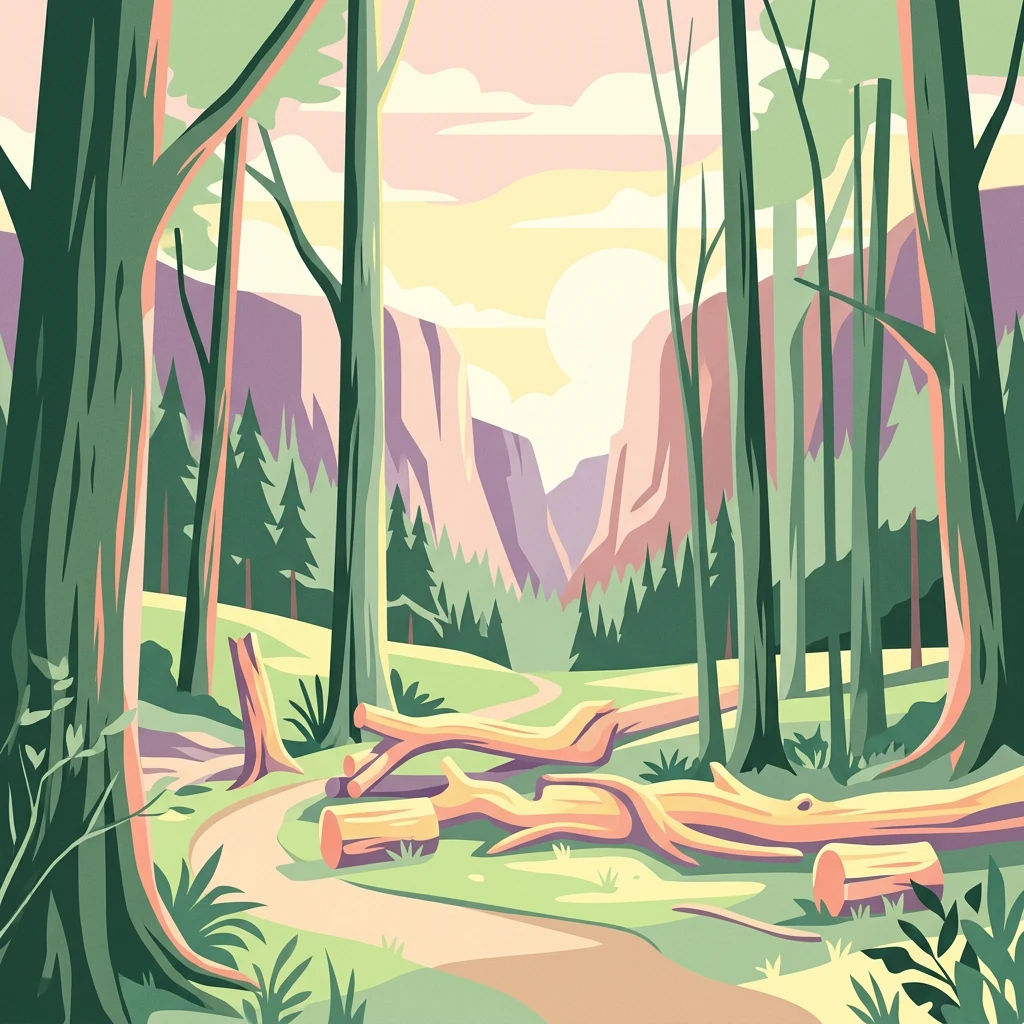
Stylized illustration of a forest path surrounded by tall trees with fallen logs and a mountain backdrop

Dalby Söderskog National Park

National park

Park overview

Structured park overview, official facts, and landscape profile for Dalby Söderskog National Park

Dalby Söderskog National Park park facts, protected area profile, and essential visitor context
Review the core facts for Dalby Söderskog National Park, including designation, size, terrain, visitor scale, habitats, and operating context in one park-focused overview.

About Dalby Söderskog National Park

Dalby Söderskog National Park occupies a distinctive position in Sweden's protected area network as the nation's smallest national park, yet it compensates for its modest size with remarkable ecological richness. Located in the cultural heartland of Scania, Sweden's southernmost province, the park rises gently above the surrounding agricultural landscape near the village of Dalby within Lund Municipality. The park's underlying geology of limestone and chalk creates alkaline soil conditions that are rare in Sweden and form the foundation of the area's botanical significance. While the forest today appears natural and ancient, historical research has revealed that the land was once open meadow pasture with scattered oak trees before active logging ceased around the time of the park's establishment in 1918. The subsequent decades allowed elm, ash, and beech to become the dominant tree species, transforming the landscape into the closed forest visitors experience today. A notable earth embankment encircles portions of the park, its origins debated among archaeologists but potentially representing remains of an Iron Age fortification, adding a layer of historical mystery to the natural environment. The park's designation as a national park rather than a simple nature reserve reflects its national significance despite its limited extent, serving as a living demonstration that even small protected areas can harbor extraordinary biodiversity.

Quick facts and research context for Dalby Söderskog National Park

Dalby Söderskog National Park is Sweden's smallest national park at just 36 hectares, situated in Scania County approximately 10 kilometers east of Lund. The park protects deciduous broadleaf forest growing on limestone and chalk-rich soils, creating ideal conditions for exceptional botanical diversity. Established in 1918, it represents an important example of southern Swedish forest ecology despite its historical use as pastureland. The surrounding earth bank may represent Iron Age fortification remains, adding archaeological interest to the natural landscape.

Park context

Deeper park guide and search-rich context for Dalby Söderskog National Park

Dalby Söderskog National Park history, landscape, wildlife, and travel context
Explore Dalby Söderskog National Park through its history, landscape character, ecosystems, wildlife, conservation priorities, cultural context, and seasonal travel timing in a structured park guide built for atlas discovery and search intent.

Why Dalby Söderskog National Park stands out

Dalby Söderskog is best known for its exceptional spring wildflower displays and rich botanical diversity. The limestone-rich soil supports a remarkable variety of spring flowers, including extensive carpets of snowdrops and wood anemones, along with several orchid species such as Saint Peter's orchid (Sankt Pers nycklar) which is particularly abundant in the eastern part of the park. The park also supports important populations of rare mosses and lichens, though some species have declined due to air pollution and Dutch elm disease affecting the elm trees. The contrast between the park's small size and its ecological richness makes it a notable destination for botanical studies and nature observation in southern Scandinavia.
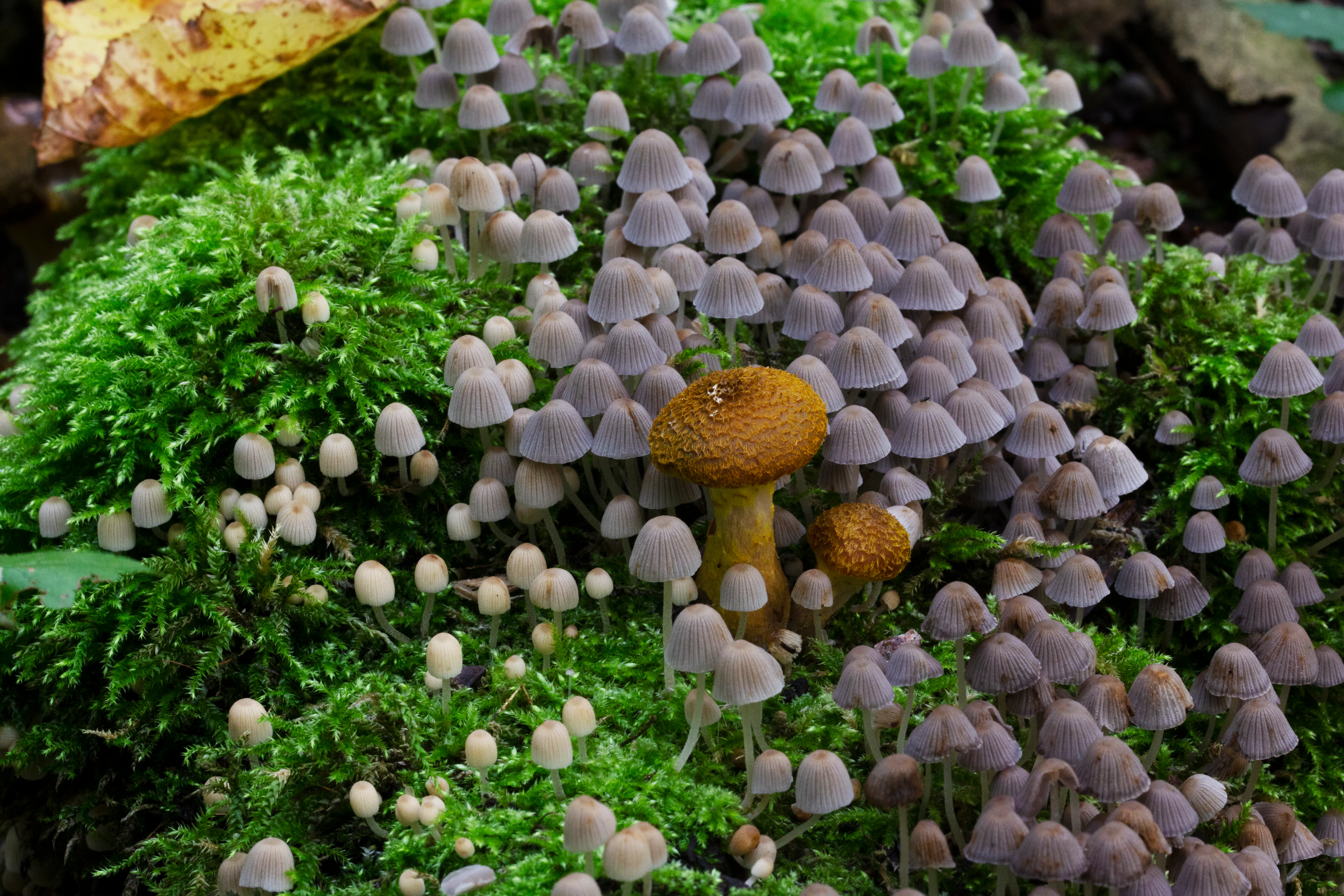
Close-up view of small mushrooms and moss with two larger brown-capped fungi on a lush green forest floor
Mushrooms growing on moss in Dalby Söderskog National Park

Dalby Söderskog National Park history and protected-area timeline

Dalby Söderskog was established on July 5, 1918, making it one of Sweden's older national parks established during the first wave of national park designations in the early twentieth century. At the time of its creation, scientists believed they had identified a rare remnant of the original primeval forest that once covered much of southern Sweden, a notion that contributed to the urgency of protecting the area. However, subsequent botanical and historical investigations revealed that the landscape had actually been managed as meadow and pasture land with a sparse population of oak trees prior to protection. When traditional woodland management practices ceased in the early twentieth century, natural forest succession allowed elm, ash, and beech to become the dominant tree species. This ecological transformation created the appearance of an old-growth forest despite the area's more recent pastoral history. In recent decades, the park has faced challenges from Dutch elm disease, which has significantly impacted the elm population and threatens to alter the forest's character as these trees die and are not replaced. Parts of the Swedish film "Vargens tid" (The Time of the Wolf) by Hans Alfredson were filmed within the park, bringing cultural attention to this small natural area.

Dalby Söderskog National Park landscape and geographic character

The landscape of Dalby Söderskog is characterized by gentle terrain with deciduous broadleaf forest covering its 36 hectares. The underlying limestone and chalk bedrock has produced nutrient-rich, alkaline soils that contrast sharply with the more acidic soils typical of most Swedish forests. The forest canopy is dominated by mature elms, ashes, and beeches, creating a relatively closed forest with varying degrees of canopy closure depending on the health of the elm population. The park's small size means that visitors can traverse its entire area in a short walk, yet the botanical diversity within these boundaries is extraordinary. An earth bank, likely of anthropogenic origin and possibly dating to the Iron Age, encircles parts of the park, creating a subtle topographical feature that adds historical dimension to the otherwise gentle terrain. The park sits at the edge of the village of Dalby, forming part of a larger green space that includes adjacent nature reserves and agricultural land.
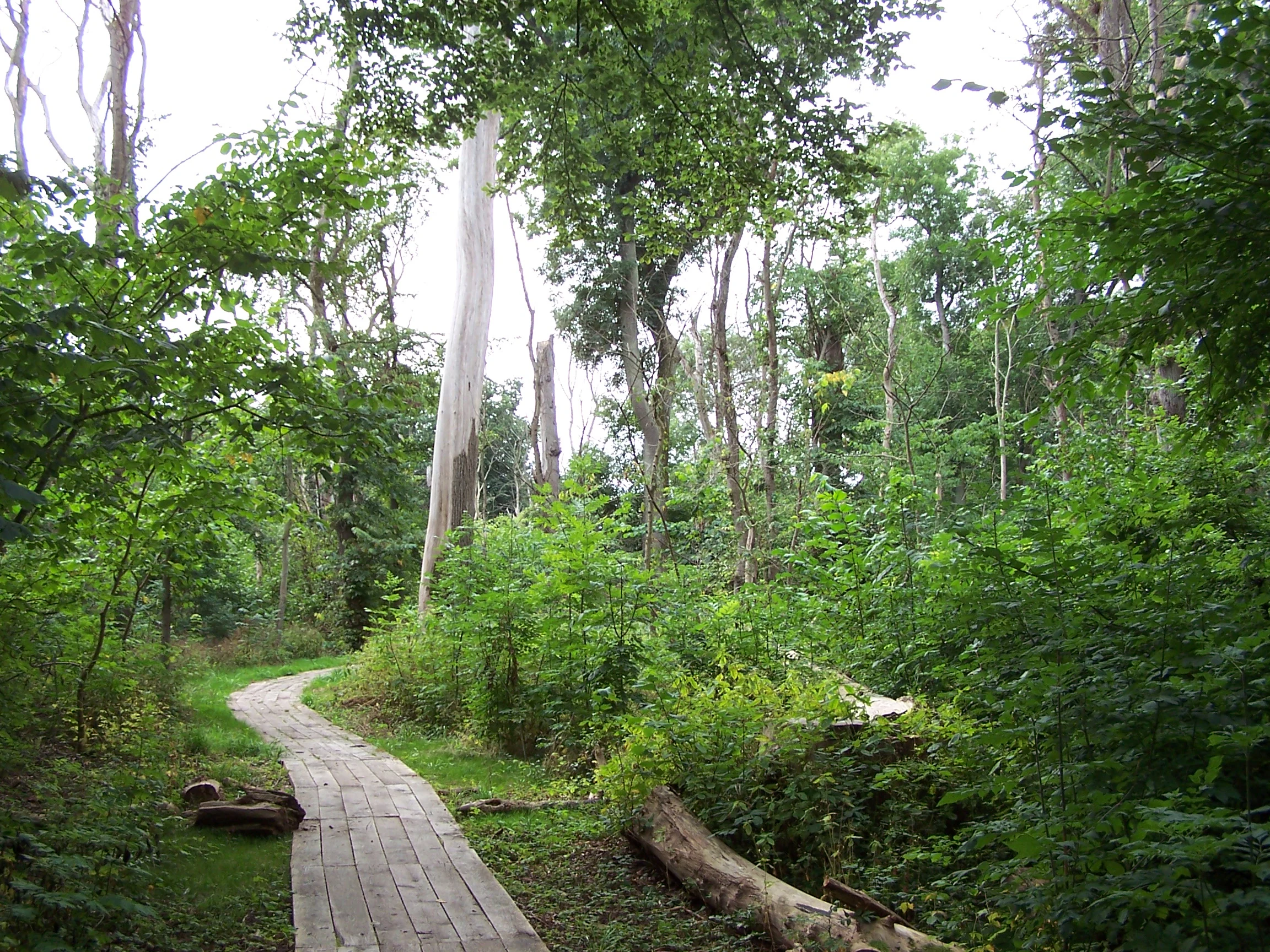
Wooden boardwalk trail winding through dense green forest with tall trees and vegetation
Wooden boardwalk trail winding through dense forest in Dalby Söderskog National Park

Dalby Söderskog National Park ecosystems, habitats, and plant life

The ecological character of Dalby Söderskog is defined by its calcium-rich substrate and the resulting plant community adaptations. The limestone and chalk geology creates soil conditions that support plant species more typical of continental Europe than of northern Scandinavia, making this small park botanically significant well beyond its boundaries. The spring flora is particularly spectacular, with the forest floor transforming into a tapestry of flowering plants including snowdrops (vitsippa), yellow anemones (gulsippa), and several species of toothwort (hålnunneört, smånunneört, sloknunneört). The orchid family is well represented, with Saint Peter's orchid (Sankt Pers nycklar) being especially abundant in the eastern portions of the park, and the rare bird's-nest orchid (nästrot) also present. Late summer brings different botanical highlights, with forest germander (skogsbingel) becoming particularly abundant. The park also supports diverse communities of cryptogams, including numerous rare mosses and lichens, though these have faced pressures from air pollution and the loss of elm trees to disease. The forest structure provides habitat for various invertebrates and fungi, contributing to the overall ecological complexity of this small protected area.
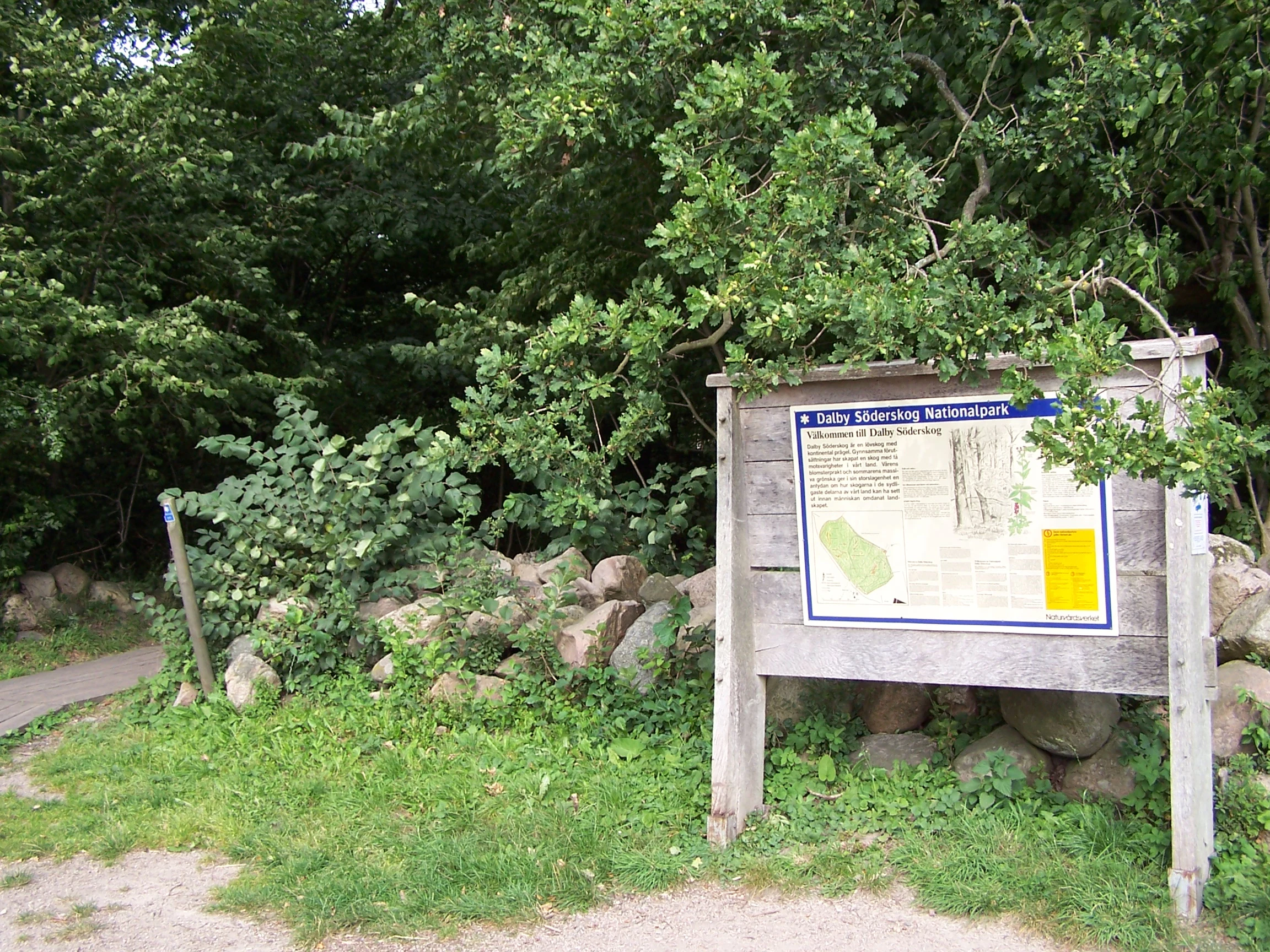
Wooden information sign for Dalby Söderskog National Park mounted on posts with trees and rocks in background
Information sign for Dalby Söderskog National Park surrounded by forest vegetation

Dalby Söderskog National Park wildlife and species highlights

While Dalby Söderskog is primarily celebrated for its botanical richness, the park also supports diverse wildlife populations typical of southern Swedish deciduous forests. The mature elm, ash, and beech trees provide nesting sites and food resources for various bird species, while the diverse ground flora supports insect communities essential for ecosystem functioning. The presence of decaying wood, both from fallen trees and dying elms affected by Dutch elm disease, creates important habitat for saproxylic organisms including beetles and fungi. Small mammals likely utilize the forest for foraging and shelter, though the park's small size means that larger wildlife species are not characteristic inhabitants. The ecological web here centers on the rich plant communities and the invertebrates that depend on them, with the botanical diversity providing the foundation for broader wildlife interest.
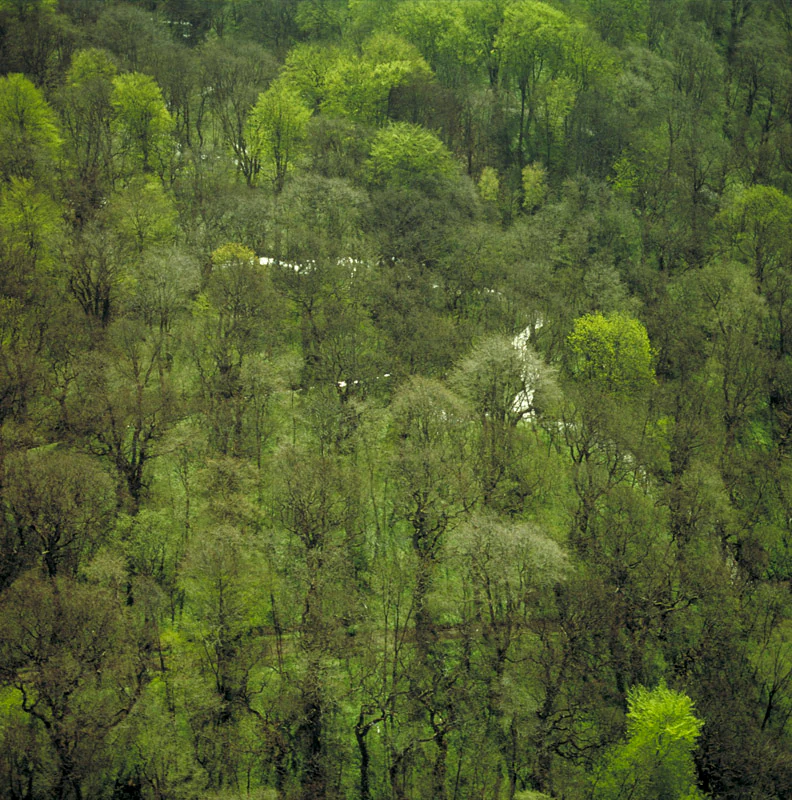
Aerial view of dense green forest with a winding stream through the trees
Aerial view of Dalby Söderskog National Park's dense deciduous forest with a visible stream

Dalby Söderskog National Park conservation status and protection priorities

Dalby Söderskog holds significance as Sweden's smallest national park, demonstrating that even very small protected areas can contain exceptional biodiversity worthy of national conservation recognition. The park's protection reflects the Swedish commitment to preserving representative samples of the nation's natural heritage, including unusual geological formations that support distinct ecological communities. The limestone and chalk geology creates conditions for plant species of conservation concern, and the park's protected status helps ensure the survival of species like Saint Peter's orchid and various rare cryptogams. Conservation challenges include the ongoing impact of Dutch elm disease on the dominant tree species, which threatens to fundamentally alter the forest's character, and atmospheric pollution that has affected moss populations. The park is managed by the County Administrative Board of Skåne (Länsstyrelsen i Skåne län) in coordination with the Swedish Environmental Protection Agency (Naturvårdsverket). The adjacent nature reserve Dalby Norreskog provides additional protection to the broader forest complex, creating a connected conservation landscape.

Dalby Söderskog National Park cultural meaning and human context

Dalby Söderskog exists within a landscape of long human habitation in Scania, one of Sweden's most historically rich provinces. The earth bank surrounding portions of the park, possibly representing ancient fortification remains, attests to human presence and activity in this area over many centuries. The forest's historical use as pasture and meadow reflects traditional land management practices that shaped the Scanian countryside before modern agriculture transformed much of the region. The park's location near Dalby, a village with medieval roots, connects it to the broader cultural landscape of the Lund area. The filming of portions of the Swedish film "Vargens tid" in the park has also created a cultural connection between this natural area and Swedish cinema heritage.

Top sights and standout views in Dalby Söderskog National Park

Dalby Söderskog stands out as Sweden's smallest national park yet offers botanical interest far exceeding its modest 36-hectare extent. The spring wildflower displays, particularly the carpets of snowdrops and wood anemones and the abundance of Saint Peter's orchids, represent seasonal spectacles of remarkable beauty. The limestone-based ecology creates a plant community more typical of central European forests, making this a significant site for understanding southern Swedish biogeography. The mystery of the surrounding earth bank, possibly an ancient fortification, adds archaeological intrigue to a visit. The park's accessibility from Lund makes it a convenient destination for those seeking to experience Swedish nature without extensive travel, while its ecological richness rewards careful observation.

Best time to visit Dalby Söderskog National Park

The optimal time to experience Dalby Söderskog is during the spring months of April and May when the forest floor erupts in flowering plants and the wildflower display reaches its peak. The snowdrops and wood anemones bloom in succession during this period, creating changing scenes of color throughout the spring. Summer offers a different character with lush green foliage and the opportunity to observe the later-flowering species. Autumn provides another season of interest as the beech and ash trees display their fall colors. Winter reveals the forest's structure more clearly with bare branches, though the interest diminishes somewhat during the cold months. The park can be visited year-round, though the spring season offers the most dramatic botanical displays and the most comfortable temperatures for walking through the forest.
Park location guide

Geography guide, regional context, and park location map for Dalby Söderskog National Park

Dalby Söderskog National Park park geography, regions, and map view in Sweden
Understand where Dalby Söderskog National Park sits in Sweden through a broader geographic reading of the surrounding landscape, nearby location context, and its mapped position within the national park landscape.

How Dalby Söderskog National Park fits into Sweden

Sweden, formally the Kingdom of Sweden, is a highly developed Nordic country on the Scandinavian Peninsula in Northern Europe. With a population of 10.6 million and an area of 450,295 km², it is the largest Nordic country by both area and population. Sweden is a constitutional monarchy with Stockholm as its capital and largest city, known for its advanced economy, social welfare system, and membership in the European Union and NATO.

Wider geography shaping Dalby Söderskog National Park in Sweden

Sweden occupies the eastern portion of the Scandinavian Peninsula in Northern Europe. It borders Norway to the west and north, Finland to the east, and shares a maritime border with Denmark to the southwest across the Øresund. The country has an extensive coastline along the Baltic Sea and Gulf of Bothnia, dotted with thousands of islands. The terrain varies from mountainous regions in the northwest to low-lying coastal areas and inland lakes in the south and central parts.

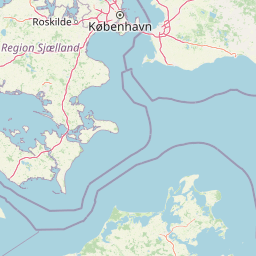
Map view of Dalby Söderskog National Park

Use this park location map to pinpoint Dalby Söderskog National Park in Sweden, understand its exact geographic position, and read its mapped placement within the surrounding landscape more clearly.

Pigeon | © OpenStreetMap contributors

Location context for Dalby Söderskog National Park

Skåne County

Explore the Rich Botanical Scenery and Protected Habitats of Sweden's Smallest National Park

Dalby Söderskog National Park Photos: Visualizing Southern Sweden's Unique Deciduous Forest Landscape
Browse the distinctive landscapes and rich botanical scenery of Dalby Söderskog National Park through a visual gallery of its unique environments. Curated photography reveals the park's deciduous forest, limestone geology, and exceptional spring wildflower displays, offering a deeper understanding of this protected area's character.

Close-up view of small mushrooms and moss with two larger brown-capped fungi on a lush green forest floor

Forest path with green trees, fallen logs, and new leaves on the ground

Wooden boardwalk trail winding through dense green forest with tall trees and vegetation

Wooden information sign for Dalby Söderskog National Park mounted on posts with trees and rocks in background

Aerial view of dense green forest with a winding stream through the trees

Wooden boardwalk path surrounded by tall trees with dense green foliage and dappled sunlight

Park atlas

Trace surrounding protected landscapes and compare regional park geography across Scania, Southern Sweden.

Explore National Parks and Protected Areas Near Dalby Söderskog National Park
After exploring Dalby Söderskog National Park, discover other national parks and diverse protected areas across southern Sweden and its adjacent regions, including those with similar deciduous forests or unique botanical features. Compare distinct protected landscapes, trace regional geographic patterns, and expand your atlas-style understanding of conservation efforts in Scandinavia and beyond.
National parkSkåne County

Stenshuvud National Park: Discover Skåne County's Distinctive Baltic Headland National Park

Explore broadleaf forests, heathlands, and panoramic coastal geography.

Stenshuvud National Park is a notable national park in Sweden's Skåne County, characterized by a prominent hill that rises 97 meters above the Baltic Sea. This protected landscape offers a rich diversity of habitats within a small area, including dense broadleaf forests, open heathlands, and coastal terrains. Its unique geographic position and varied ecosystems make it a key destination for exploring protected natural areas, mapped terrain, and regional landscape context within the MoriAtlas platform.

Area
3.9 km²
Established
1986
IUCN
II
Relief
Lowland
National park

Kongernes Nordsjælland National Park: Protected Landscape Geography and Map Context

Explore North Zealand's protected natural terrain.

Delve into the protected landscape of Kongernes Nordsjælland National Park, a significant national park in Denmark's North Zealand region. This section provides a structured overview of its mapped boundaries and geographic setting, allowing for a detailed atlas-style discovery of its natural terrain. Understand how this protected area contributes to the region's conservation landscape and mapped geography.

Watercolor painting showing chalk cliffs along a coastline with calm water and distant hills
National parkMecklenburg-Vorpommern

Jasmund National Park: Germany's Coastal Chalk Cliffs and Primeval Forest Landscape

Explore the protected geography of Mecklenburg-Vorpommern's Rügen island.

Jasmund National Park showcases one of Northern Europe's most dramatic natural formations, defined by its striking white chalk cliffs plunging into the Baltic Sea and its UNESCO-recognized primeval beech forests. This protected area offers a profound look into geological heritage and undisturbed forest ecosystems. Navigate its mapped boundaries and understand its unique landscape context within the Mecklenburg-Vorpommern region through detailed atlas exploration on MoriAtlas.

Area
30 km²
Established
1990
IUCN
II
Visitors
300K annual
Watercolor illustration showing a coastal lagoon with sandy shoreline, calm water, sand dunes, and sparse vegetation including trees and grasses
National parkMecklenburg-Vorpommern

Western Pomerania Lagoon Area National Park: Detailed Geographic and Protected Landscape Context

Explore its mapped boundaries and unique Baltic Sea coastal geography.

Western Pomerania Lagoon Area National Park is a vital protected landscape in Mecklenburg-Vorpommern, renowned for its complex network of peninsulas, islands, and extremely shallow brackish 'bodden' waters. This page serves as an atlas entry, detailing the park's geographic features, its distinctive wind-driven water level fluctuations, and its ecological importance as a major migratory bird staging area. Users can investigate the mapped extent of this significant German national park and understand its unique place within the regional geography.

Area
805 km²
Established
1990
IUCN
II
Relief
Lowland
Watercolor painting of a landscape featuring mountains, wetland, and forest
National parkJönköping County

Store Mosse National Park: Explore Sweden's Largest Bog Landscape & Protected Area

Detailed park map, geography, and peatland ecosystem context.

Delve into Store Mosse National Park, a significant protected landscape in Jönköping County, Sweden, celebrated for its vast peat bog, the largest south of Lapland. This page provides detailed geographic context, mapping its unique wetland terrain, interspersed lakes like Kävsjön, and surrounding pine forests. Understand the park's ecological importance as a Ramsar site and its place within the South Småland peneplain for structured natural area discovery.

Area
78.5 km²
Established
1982
IUCN
II
Relief
Lowland
Watercolor illustration showing rolling hills, a lake, pink flowering trees, and distant mountains
National park

Mols Bjerge National Park: Protected Landscape and Geographic Atlas

Explore Denmark's second national park, a mosaic of glacial terrain and coast.

Mols Bjerge National Park offers a unique exploration of Denmark's glacial past through its mapped protected landscape. This 180 square kilometre national park on the Djursland peninsula is characterized by the prominent Mols Hills, rising to 137 metres, and diverse coastal environments along the Kattegat. The park preserves a rich mosaic of heath, woodlands, pastures, bogs, meadows, and coastal habitats, alongside significant prehistoric human heritage. Understanding Mols Bjerge National Park's protected boundaries and its place within the regional geography is key to appreciating its atlas value.

Area
180 km²
Established
2009
IUCN
II
Relief
Upland
Watercolor painting depicting mountains, rivers, and green terrain
National parkWest Pomeranian Voivodeship

Wolin National Park: Coastal Protected Landscape and Glacial Terrain in West Pomeranian Voivodeship

Explore Poland's first marine national park and its dynamic geography.

Wolin National Park offers a profound look into Poland's protected coastal geography. This national park in the West Pomeranian Voivodeship is distinguished by its high sea cliffs, inclusion of Baltic Sea and Szczecin Lagoon waters as Poland's first marine protected area, and a landscape sculpted by glacial moraines. Discover the park's complex delta systems, ancient forests, and the mapped terrain that supports significant bird migration, providing a rich focus for atlas exploration.

Area
109.37 km²
Established
1960
IUCN
II
Visitors
1.5M annual
Watercolor painting of a landscape with a lake, trees, and distant hills
National parkMecklenburg-Vorpommern

Müritz National Park: Explore Protected Beech Forests and Glacial Lakelands in Mecklenburg-Vorpommern

Germany's largest national park: mapped boundaries and terrain.

Müritz National Park represents a significant protected landscape within northeastern Germany's Mecklenburg-Vorpommern region. Its expansive territory encompasses not only Germany's largest lake, Müritz, but also substantial tracts of ancient beech forests awarded UNESCO World Heritage status. Users can explore the park's glacial terrain, its intricate network of lakes and wetlands, and understand its position within the regional geography, making it a key destination for structured atlas-based discovery of German protected areas.

Area
318 km²
Established
1990
IUCN
II

Common questions about visiting, size, designation, and location context for Dalby Söderskog National Park

Dalby Söderskog National Park FAQs for park facts, access, geography, and protected area context
Find quick answers about Dalby Söderskog National Park, including protected-area facts, park geography, trail and visitor context, and how the park fits into its surrounding country and regional landscape.
MoriAtlas Explorer

Continue Your Protected Areas Search Across the Global Atlas

Deepen your exploration by continuing the structured search for national parks and protected areas worldwide. Utilize the comprehensive filtering capabilities to compare different conservation landscapes and refine your understanding of global park geography. Discover more about the distribution and characteristics of protected natural areas.

Global natural geography