
Why Dalby Söderskog National Park stands out
Dalby Söderskog is best known for its exceptional spring wildflower displays and rich botanical diversity. The limestone-rich soil supports a remarkable variety of spring flowers, including extensive carpets of snowdrops and wood anemones, along with several orchid species such as Saint Peter's orchid (Sankt Pers nycklar) which is particularly abundant in the eastern part of the park. The park also supports important populations of rare mosses and lichens, though some species have declined due to air pollution and Dutch elm disease affecting the elm trees. The contrast between the park's small size and its ecological richness makes it a notable destination for botanical studies and nature observation in southern Scandinavia.
Dalby Söderskog National Park history and protected-area timeline
Dalby Söderskog was established on July 5, 1918, making it one of Sweden's older national parks established during the first wave of national park designations in the early twentieth century. At the time of its creation, scientists believed they had identified a rare remnant of the original primeval forest that once covered much of southern Sweden, a notion that contributed to the urgency of protecting the area. However, subsequent botanical and historical investigations revealed that the landscape had actually been managed as meadow and pasture land with a sparse population of oak trees prior to protection. When traditional woodland management practices ceased in the early twentieth century, natural forest succession allowed elm, ash, and beech to become the dominant tree species. This ecological transformation created the appearance of an old-growth forest despite the area's more recent pastoral history. In recent decades, the park has faced challenges from Dutch elm disease, which has significantly impacted the elm population and threatens to alter the forest's character as these trees die and are not replaced. Parts of the Swedish film "Vargens tid" (The Time of the Wolf) by Hans Alfredson were filmed within the park, bringing cultural attention to this small natural area.
Dalby Söderskog National Park landscape and geographic character
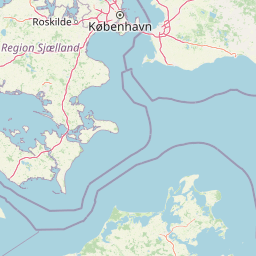
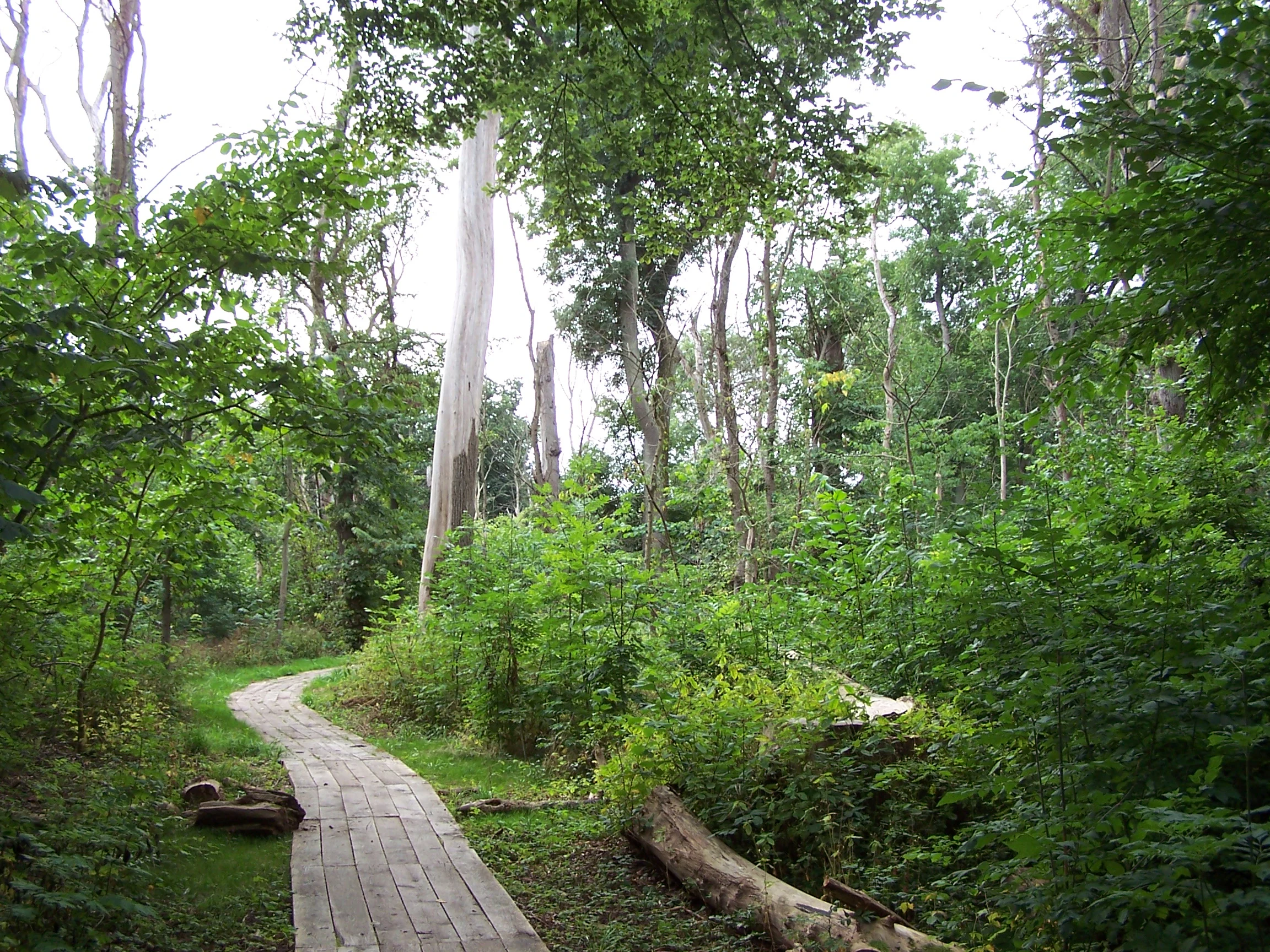
The landscape of Dalby Söderskog is characterized by gentle terrain with deciduous broadleaf forest covering its 36 hectares. The underlying limestone and chalk bedrock has produced nutrient-rich, alkaline soils that contrast sharply with the more acidic soils typical of most Swedish forests. The forest canopy is dominated by mature elms, ashes, and beeches, creating a relatively closed forest with varying degrees of canopy closure depending on the health of the elm population. The park's small size means that visitors can traverse its entire area in a short walk, yet the botanical diversity within these boundaries is extraordinary. An earth bank, likely of anthropogenic origin and possibly dating to the Iron Age, encircles parts of the park, creating a subtle topographical feature that adds historical dimension to the otherwise gentle terrain. The park sits at the edge of the village of Dalby, forming part of a larger green space that includes adjacent nature reserves and agricultural land.
Dalby Söderskog National Park ecosystems, habitats, and plant life
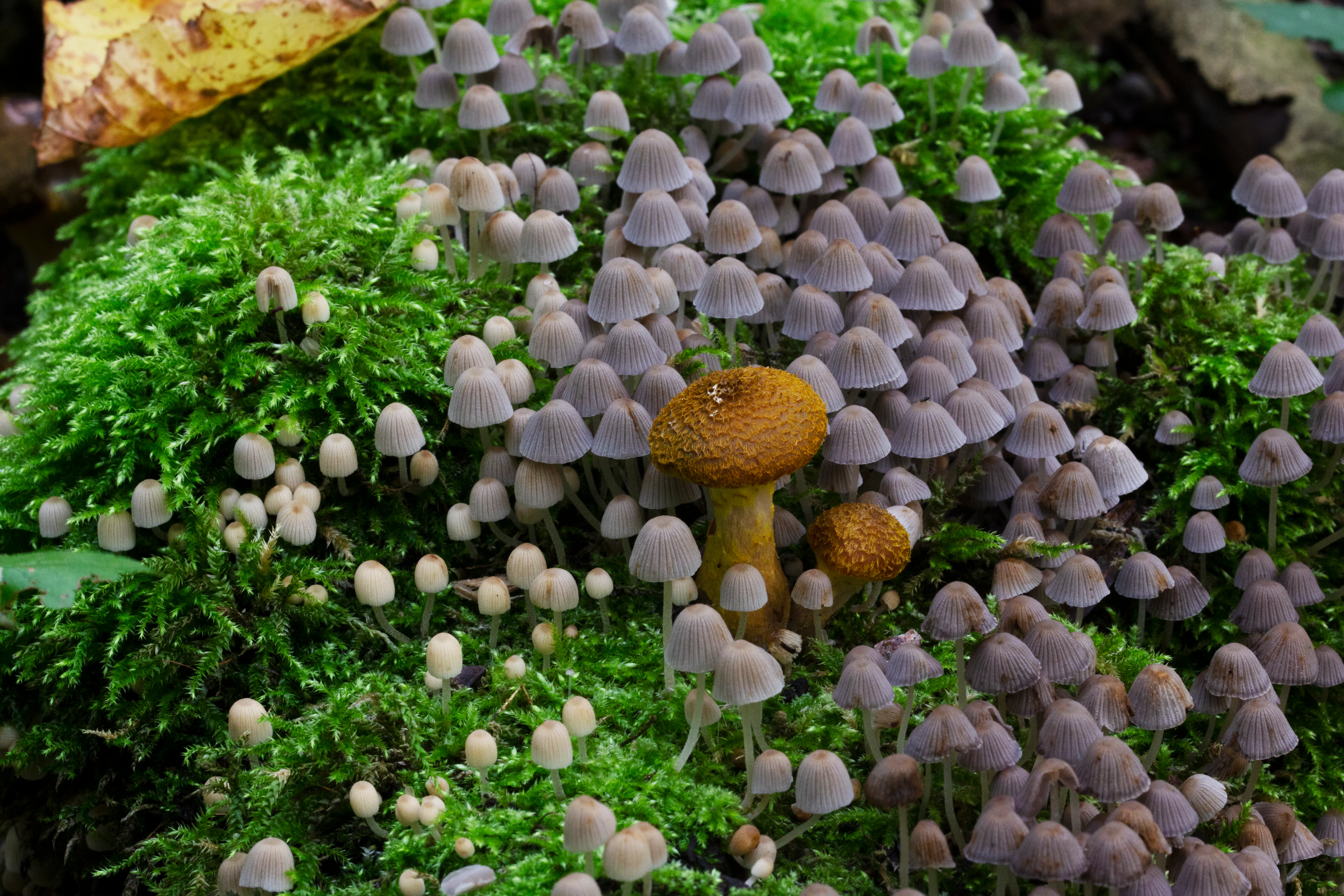
The ecological character of Dalby Söderskog is defined by its calcium-rich substrate and the resulting plant community adaptations. The limestone and chalk geology creates soil conditions that support plant species more typical of continental Europe than of northern Scandinavia, making this small park botanically significant well beyond its boundaries. The spring flora is particularly spectacular, with the forest floor transforming into a tapestry of flowering plants including snowdrops (vitsippa), yellow anemones (gulsippa), and several species of toothwort (hålnunneört, smånunneört, sloknunneört). The orchid family is well represented, with Saint Peter's orchid (Sankt Pers nycklar) being especially abundant in the eastern portions of the park, and the rare bird's-nest orchid (nästrot) also present. Late summer brings different botanical highlights, with forest germander (skogsbingel) becoming particularly abundant. The park also supports diverse communities of cryptogams, including numerous rare mosses and lichens, though these have faced pressures from air pollution and the loss of elm trees to disease. The forest structure provides habitat for various invertebrates and fungi, contributing to the overall ecological complexity of this small protected area.
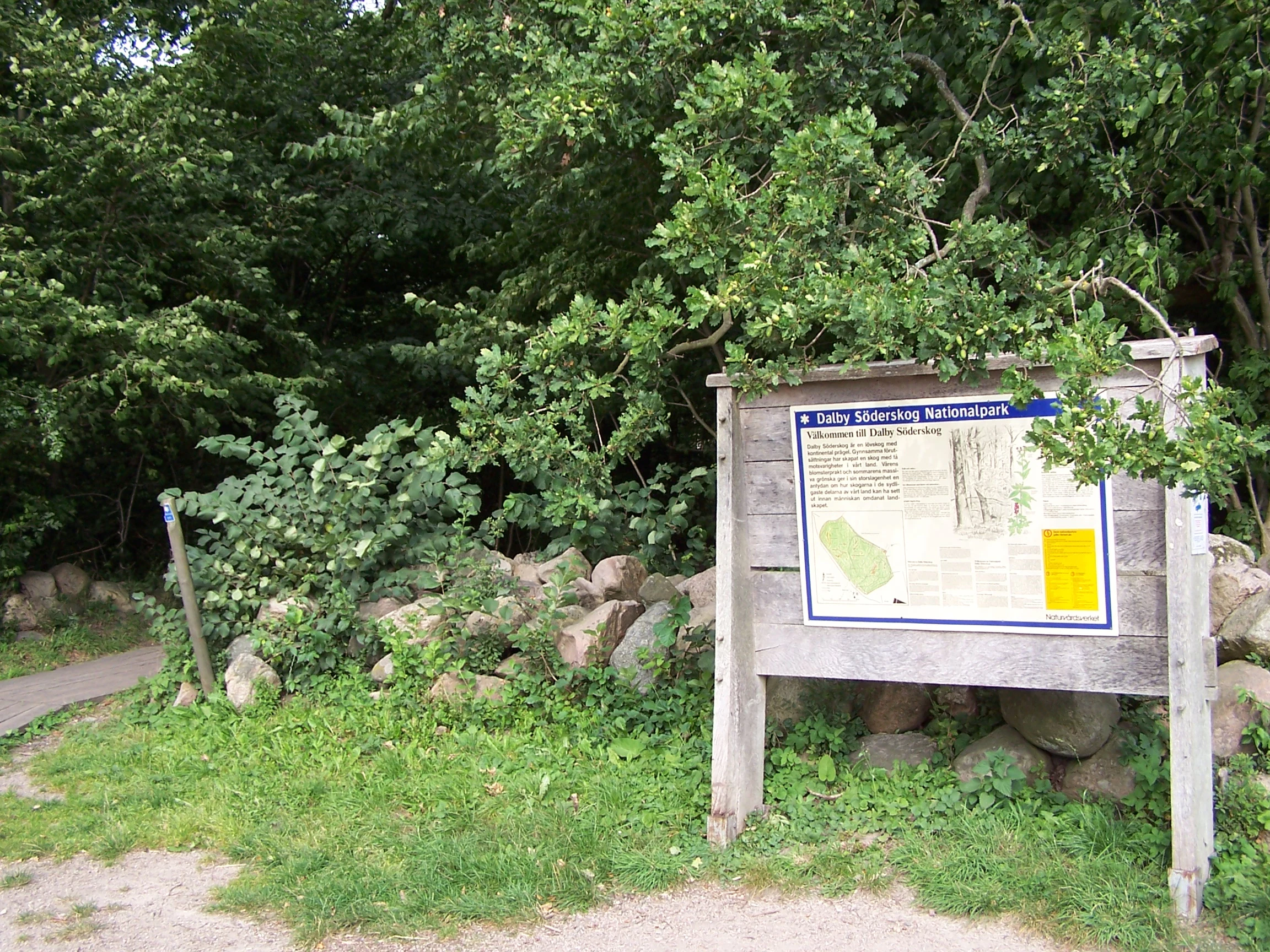
Dalby Söderskog National Park wildlife and species highlights
While Dalby Söderskog is primarily celebrated for its botanical richness, the park also supports diverse wildlife populations typical of southern Swedish deciduous forests. The mature elm, ash, and beech trees provide nesting sites and food resources for various bird species, while the diverse ground flora supports insect communities essential for ecosystem functioning. The presence of decaying wood, both from fallen trees and dying elms affected by Dutch elm disease, creates important habitat for saproxylic organisms including beetles and fungi. Small mammals likely utilize the forest for foraging and shelter, though the park's small size means that larger wildlife species are not characteristic inhabitants. The ecological web here centers on the rich plant communities and the invertebrates that depend on them, with the botanical diversity providing the foundation for broader wildlife interest.
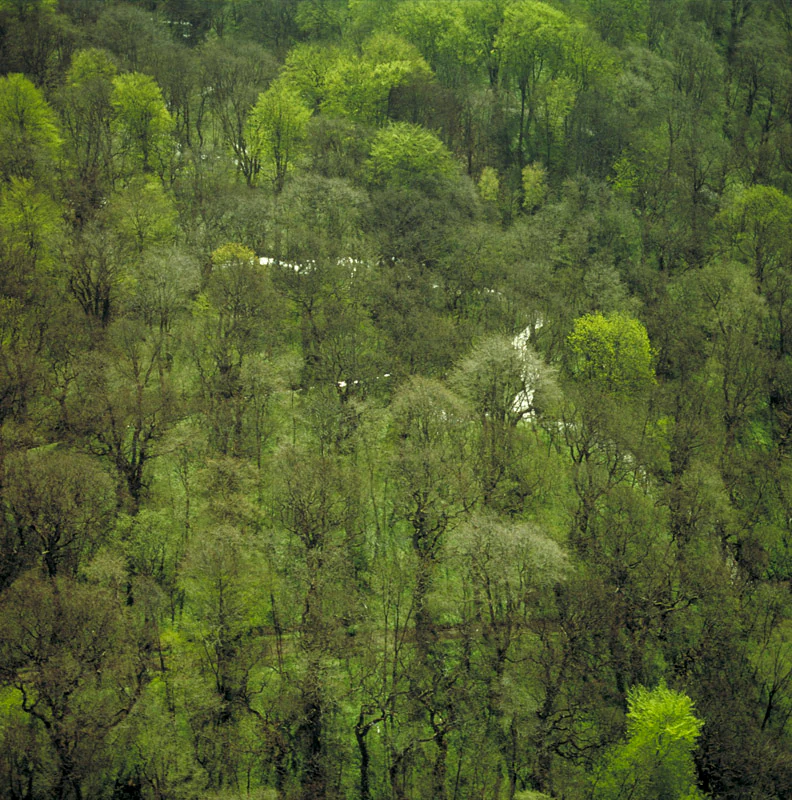
Dalby Söderskog National Park conservation status and protection priorities
Dalby Söderskog holds significance as Sweden's smallest national park, demonstrating that even very small protected areas can contain exceptional biodiversity worthy of national conservation recognition. The park's protection reflects the Swedish commitment to preserving representative samples of the nation's natural heritage, including unusual geological formations that support distinct ecological communities. The limestone and chalk geology creates conditions for plant species of conservation concern, and the park's protected status helps ensure the survival of species like Saint Peter's orchid and various rare cryptogams. Conservation challenges include the ongoing impact of Dutch elm disease on the dominant tree species, which threatens to fundamentally alter the forest's character, and atmospheric pollution that has affected moss populations. The park is managed by the County Administrative Board of Skåne (Länsstyrelsen i Skåne län) in coordination with the Swedish Environmental Protection Agency (Naturvårdsverket). The adjacent nature reserve Dalby Norreskog provides additional protection to the broader forest complex, creating a connected conservation landscape.
Dalby Söderskog National Park cultural meaning and human context
Dalby Söderskog exists within a landscape of long human habitation in Scania, one of Sweden's most historically rich provinces. The earth bank surrounding portions of the park, possibly representing ancient fortification remains, attests to human presence and activity in this area over many centuries. The forest's historical use as pasture and meadow reflects traditional land management practices that shaped the Scanian countryside before modern agriculture transformed much of the region. The park's location near Dalby, a village with medieval roots, connects it to the broader cultural landscape of the Lund area. The filming of portions of the Swedish film "Vargens tid" in the park has also created a cultural connection between this natural area and Swedish cinema heritage.
Top sights and standout views in Dalby Söderskog National Park
Dalby Söderskog stands out as Sweden's smallest national park yet offers botanical interest far exceeding its modest 36-hectare extent. The spring wildflower displays, particularly the carpets of snowdrops and wood anemones and the abundance of Saint Peter's orchids, represent seasonal spectacles of remarkable beauty. The limestone-based ecology creates a plant community more typical of central European forests, making this a significant site for understanding southern Swedish biogeography. The mystery of the surrounding earth bank, possibly an ancient fortification, adds archaeological intrigue to a visit. The park's accessibility from Lund makes it a convenient destination for those seeking to experience Swedish nature without extensive travel, while its ecological richness rewards careful observation.
Best time to visit Dalby Söderskog National Park
The optimal time to experience Dalby Söderskog is during the spring months of April and May when the forest floor erupts in flowering plants and the wildflower display reaches its peak. The snowdrops and wood anemones bloom in succession during this period, creating changing scenes of color throughout the spring. Summer offers a different character with lush green foliage and the opportunity to observe the later-flowering species. Autumn provides another season of interest as the beech and ash trees display their fall colors. Winter reveals the forest's structure more clearly with bare branches, though the interest diminishes somewhat during the cold months. The park can be visited year-round, though the spring season offers the most dramatic botanical displays and the most comfortable temperatures for walking through the forest.