Mori Atlas logo
National parkMüritz National Park

Discover the mapped boundaries and ecological significance of Germany's largest national park.

Müritz National Park: Protected Landscape and Glacial Terrain in Mecklenburg-Vorpommern

Müritz National Park, situated in the heart of Mecklenburg-Vorpommern, stands as Germany's most expansive protected terrestrial area. This national park offers a unique lens into glacial landscapes, featuring over a hundred lakes, expansive old-growth beech forests recognized by UNESCO, and vital wetlands. The park's geography is defined by its Weichselian glacial origins, shaping terminal moraines and outwash plains that create a distinctive terrain ideal for atlas-based discovery of its protected boundaries and natural contours.

National ParksGermanyLakelandOld-Growth ForestsUNESCO World HeritageWetlands
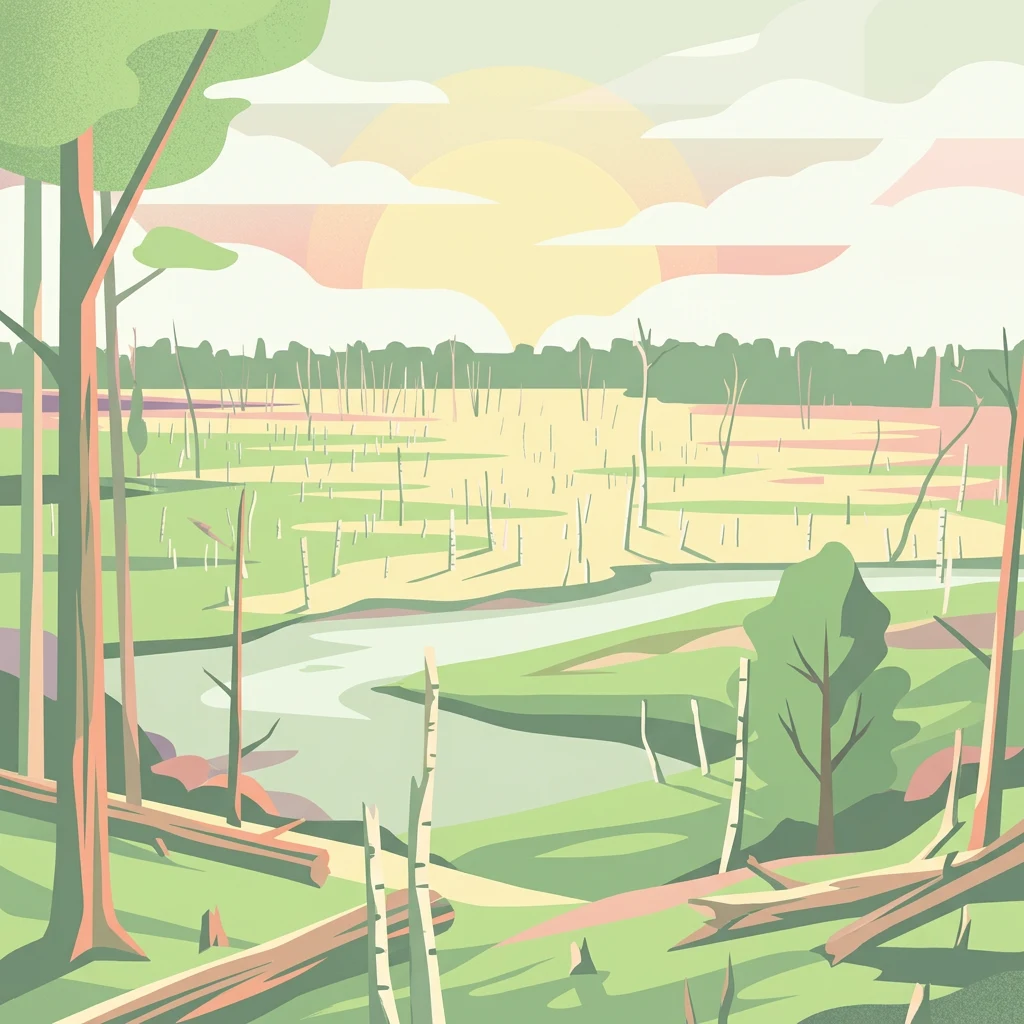
Illustrated view of a river winding through a forested wetland with trees and a sunset sky

Müritz National Park

National park

Park overview

Structured park overview, official facts, and landscape profile for Müritz National Park

Müritz National Park park facts, protected area profile, and essential visitor context
Review the core facts for Müritz National Park, including designation, size, terrain, visitor scale, habitats, and operating context in one park-focused overview.

About Müritz National Park

Müritz National Park represents a remarkable conservation achievement in the heart of Germany's lakeland region. Established in 1990 as one of the final acts of the German Democratic Republic's environmental program, the park was created to protect the outstanding natural values of the Müritz region while allowing for the eventual restoration of more natural forest ecosystems. The park's dual-area structure, with the Müritz section encompassing the eastern hinterland of Germany's largest internal lake and the Serrahn portion extending into the more hilly terrain to the east, creates a diverse protected landscape that spans multiple ecological zones.

The geological foundation of the park dates to the Weichselian glaciation, when massive ice sheets advanced across northern Europe and later retreated, leaving behind the characteristic terminal moraines, glacial valleys, sandur plains, and numerous kettle holes that now form the park's distinctive topography. The Pommersche Hauptendmoräne, or Main Pomeranian End Moraine, runs through the park, creating the higher elevations found in the Serrahn section, including the park's highest points at Hirschberg and Warsberg. The outwash plains created by glacial meltwater deposited the sand-rich soils that dominate much of the park's surface, influencing both the vegetation patterns and the historical land-use limitations.

Today, the park serves as a living laboratory for ecological restoration. While large areas were historically converted to monotonous pine plantations during intensive forestry operations, the National Park administration has undertaken systematic efforts to restore more natural forest conditions. Since 2018, timber harvesting has been completely suspended within the park boundaries. Visitors to the Serrahn section can already observe the transformation underway, where old-growth beech forests demonstrate the ecological potential of allowing natural processes to proceed without human intervention. The restoration of drainage systems and rewetting of peatlands represents another major focus, with former channels and ditches being blocked to raise groundwater levels and restore natural hydrological conditions.

Quick facts and research context for Müritz National Park

Müritz National Park covers approximately 318 square kilometers in northeastern Germany, making it the country's largest terrestrial national park. The protected area comprises about 65% forest, 12% lakes, with the remaining territory consisting of wetlands and meadows. The park contains approximately 108 lakes exceeding one hectare in size, embedded within a terminal moraine and sandur landscape formed during the Weichselian glaciation around 15,000 years ago. Located roughly midway between Berlin and Rostock, the park is administered from Hohenzieritz with visitor information available at the Müritzeum in Waren.

Park context

Deeper park guide and search-rich context for Müritz National Park

Müritz National Park history, landscape, wildlife, and travel context
Explore Müritz National Park through its history, landscape character, ecosystems, wildlife, conservation priorities, cultural context, and seasonal travel timing in a structured park guide built for atlas discovery and search intent.

Why Müritz National Park stands out

Müritz National Park is especially renowned for its extensive old-growth beech forests, which earned UNESCO World Heritage status in 2011 as part of the Primeval Beech Forests of Europe extension. The park protects one of the largest remaining tracts of near-natural beech forest in Germany, particularly within the Serrahn section where visitors can observe primeval forest conditions with abundant deadwood and naturally regenerating tree populations. The park is also celebrated for its remarkable avifauna, including populations of white-tailed eagles, ospreys, black storks, and cranes, which can be observed from designated viewing platforms throughout the reserve. The Müritz lakeland setting, with its countless lakes, glacial kettle holes, and river systems, creates a distinctive mosaic of aquatic and terrestrial habitats uncommon in central European protected areas.
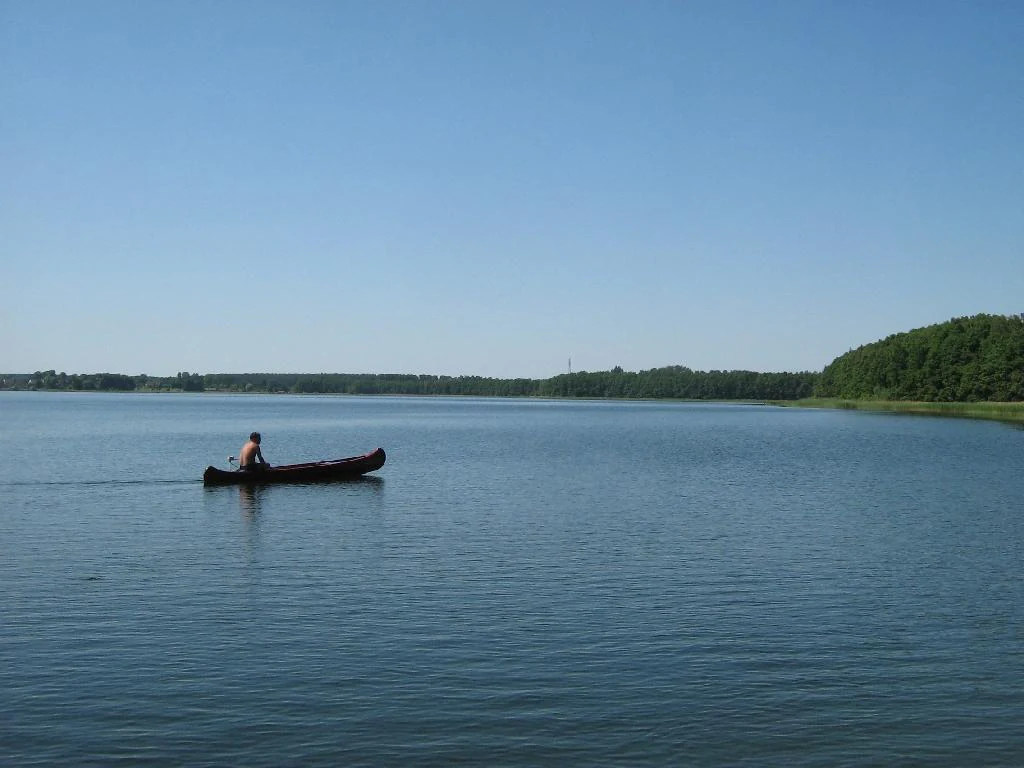
A person paddling a canoe on a calm lake with forested shoreline under a clear blue sky
Canoe on Käbelicksee within Müritz National Park

Müritz National Park history and protected-area timeline

Müritz National Park was established on October 1, 1990, as one of several large protected areas designated during the final months of the German Democratic Republic. The park's creation was driven by Deputy Environment Minister Michael Succow and fellow conservationists who worked within the framework of the DDR's Nationalparkprogramm to secure protection for significant natural areas before political changes might otherwise prevent such designations. This effort represented one of the most ambitious conservation initiatives in East German history.

Prior to the park's establishment, the region experienced intensive human use that significantly altered its natural character. The extremely sparsely populated area was utilized for military exercises by the Soviet Army, with approximately 3,500 hectares in what is now the central Müritz section used as tank training and firing ranges. Large areas were managed as state hunting grounds, with public access prohibited. Intensive forestry operations converted much of the original deciduous forest to coniferous plantations, primarily pine monocultures that replaced the naturally occurring mixed and beech-dominated forests.

The park's history also includes a period of systematic drainage during the DDR era, when extensive canal and ditch systems were constructed to lower groundwater levels for agricultural and forestry purposes. This drainage led to the widespread development of birch woodlands on former wetland areas. Since the park's establishment, significant restoration work has focused on reversing these drainage impacts by blocking channels and allowing natural hydrological conditions to recover, resulting in observable changes as birch stands die back and original wetland vegetation reestablishes itself.

The historic cultural landscape of the region extends much further back, with evidence of human settlement dating to the end of the last glacial period. Both nomadic tribes and later Slavic populations utilized the area for settlement, though the nutrient-poor sandy soils limited agricultural development during medieval times and contributed to the region's relative remoteness until the modern era.

Müritz National Park landscape and geographic character

The Müritz National Park landscape is fundamentally shaped by its glacial origins, presenting a characteristic lakeland terrain of terminal moraines, outwash sandurs, and numerous kettle lakes. The western Müritz section features a generally flatter terrain dominated by the eastern shore of Lake Müritz, with the landscape transitioning from lakeside zones through mixed forests to extensive pine plantation areas. The highest elevation in this western portion is the Käflingsberg at 100.3 meters above sea level, which supports an observation tower offering panoramic views across the park's forested interior.

The eastern Serrahn section presents a more hilly character, with the Serrahner Berge reaching 124.2 meters and the park's highest points at Hirschberg and Warsberg at 143.7 and 143.2 meters respectively. This portion of the park is more heavily forested and less dominated by open water, though it contains significant lakes including the Großer Fürstenseer See, Schweingartensee, and Zwirnsee. The transition zone between the two sections encompasses the urban area of Neustrelitz.

The park contains approximately 108 lakes exceeding one hectare in surface area, along with countless smaller kettle holes, pools, and ephemeral water bodies. The Havel River originates within the park's Müritz section, rising at the watershed between the Baltic Sea and North Sea catchments. The landscape also features extensive juniper heathlands on the eastern shore of Lake Müritz, a cultural landscape element created by centuries of grazing use that has been maintained through conservation management.
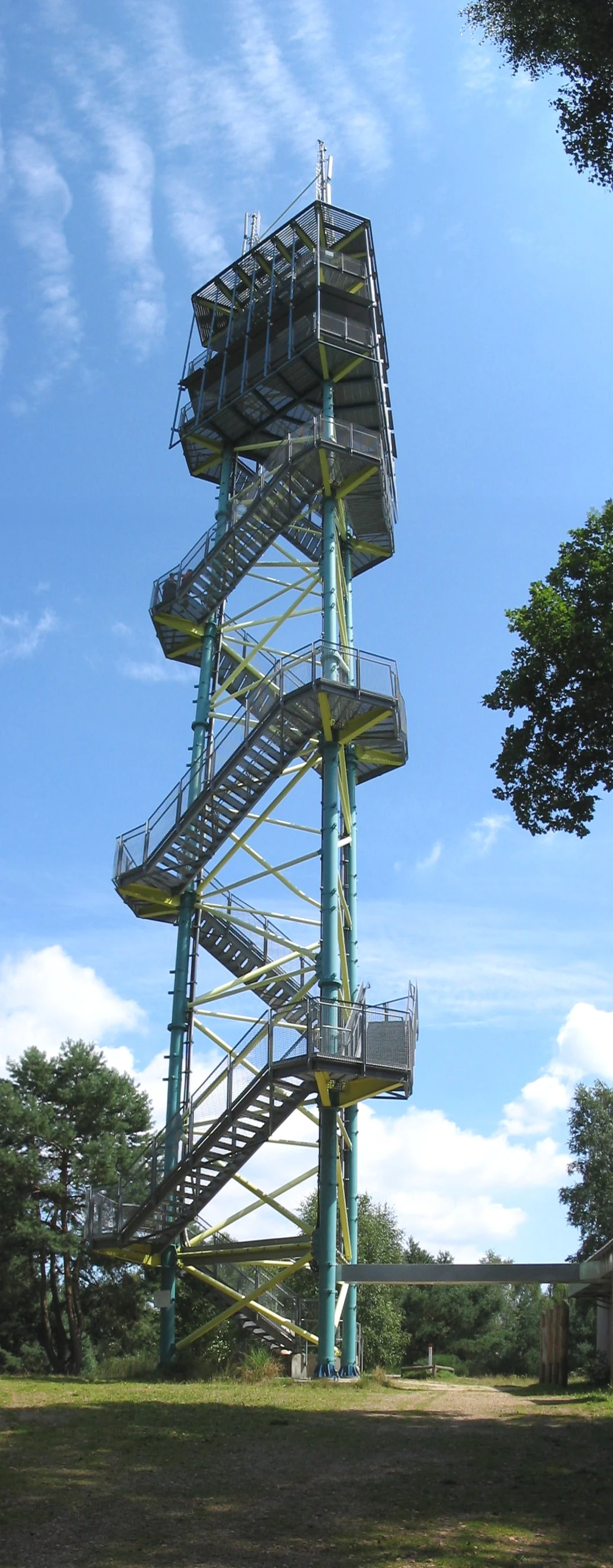
A tall metal observation tower with spiral stairs and multiple viewing platforms surrounded by trees and grass under a clear blue sky.
The Käflingsbergturm observation tower in Müritz National Park, Germany.

Müritz National Park ecosystems, habitats, and plant life

The ecological character of Müritz National Park centers on its extensive forest ecosystems, which cover approximately 72% of the park's territory according to German sources. The old-growth beech forests of the Serrahn section represent the park's most significant ecological treasure, characterized by mature beech trees, substantial quantities of deadwood, and naturally regenerating forest communities that have developed without significant human intervention. These forests were recognized by UNESCO in 2011 as outstanding examples of Europe's primeval beech forests, representing ecological conditions that have persisted since the post-glacial colonization of the continent.

The park's wetland systems constitute another major ecological component, encompassing approximately 8% of the area as bogs and mires. These peatland habitats support specialized plant communities including rare sedge species such as saw grass and provide critical habitat for waterbirds and amphibians. The transition from drained agricultural land to restored wetland ecosystems represents an ongoing ecological restoration priority, with visible results as former drainage channels are blocked and groundwater levels recover.

The aquatic environment, covering about 13% of the park, encompasses not only the major lakes like Müritz but also countless smaller water bodies of glacial origin. These range from large kettle lakes to small sinkholes and ephemeral pools, creating a diverse aquatic habitat mosaic. The seasonal dynamics of water levels, influenced by the park's position at the Baltic-North Sea watershed, contribute to the ecological diversity of shoreline and wetland habitats.
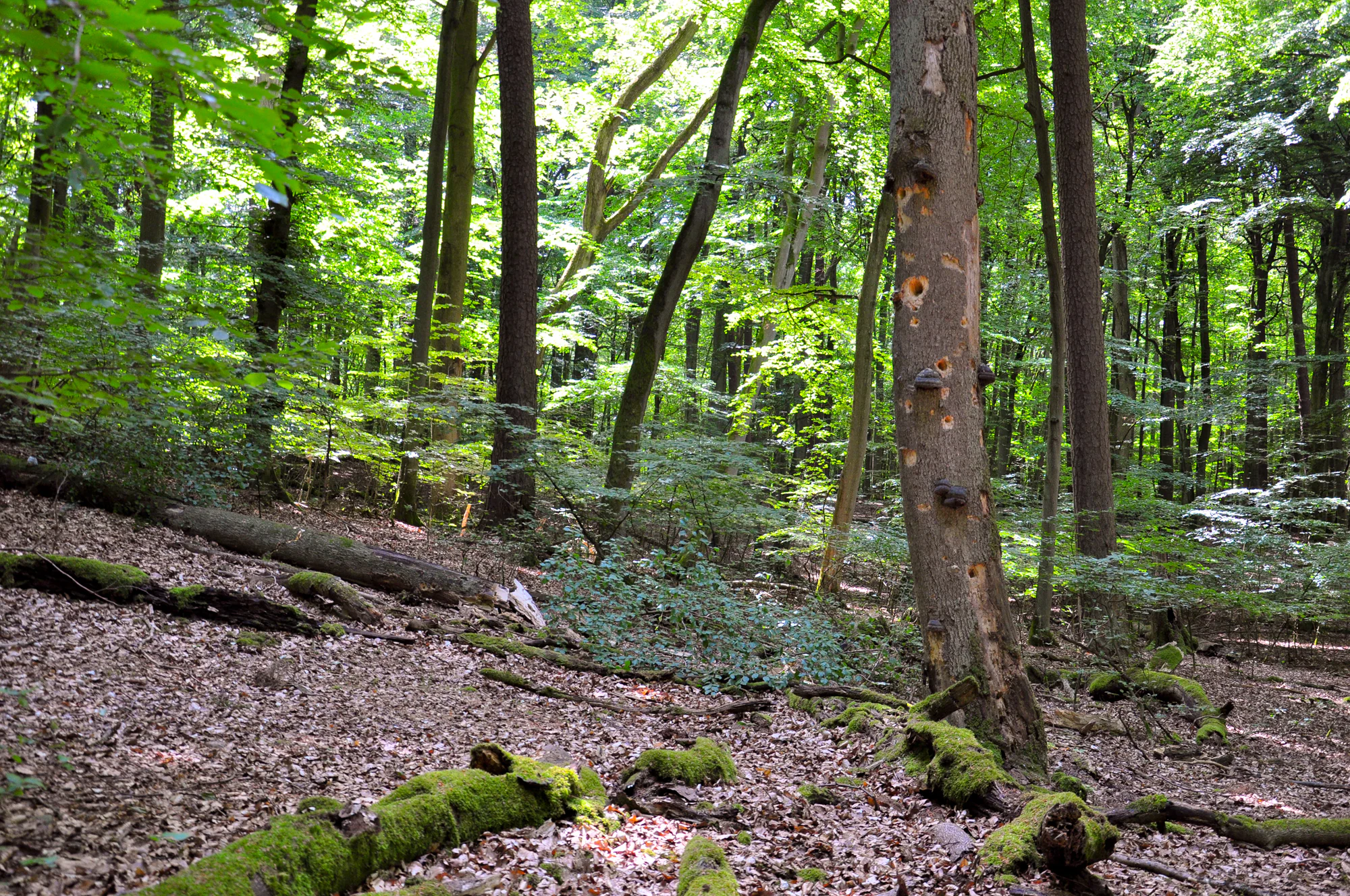
Tall beech trees with moss-covered logs on forest floor, dense green foliage in a natural woodland setting
Old-growth beech forest in the Serrahn area of Müritz National Park

Müritz National Park wildlife and species highlights

Müritz National Park supports a rich wildlife community across its diverse terrestrial and aquatic habitats. The park is particularly notable for its raptor populations, with both white-tailed eagles and ospreys breeding within the reserve and regularly observable from viewing platforms and observation blinds. The white-tailed eagle, Europe's largest eagle species, has recovered significantly across Germany in recent decades, and the Müritz region's extensive forests and lakes provide ideal breeding habitat.

The park's bird fauna includes over 214 documented species, making it one of the most significant ornithological sites in Germany. Wetland and waterbird species are particularly well-represented, with great bitterns, common cranes, black storks, and various duck species including teal, garganey, and the common redshank breeding in the marsh and lake-edge habitats. During migration seasons, the park hosts significant numbers of waders and shorebirds, including little stints, redshanks, and greenshanks that stop over to rest and feed in the shallow wetland areas.

Large mammals include red deer as the most prominent ungulate species, along with populations of roe deer, wild boar, fallow deer, and mouflon. The park has also recorded the presence of wolves, with the first confirmed
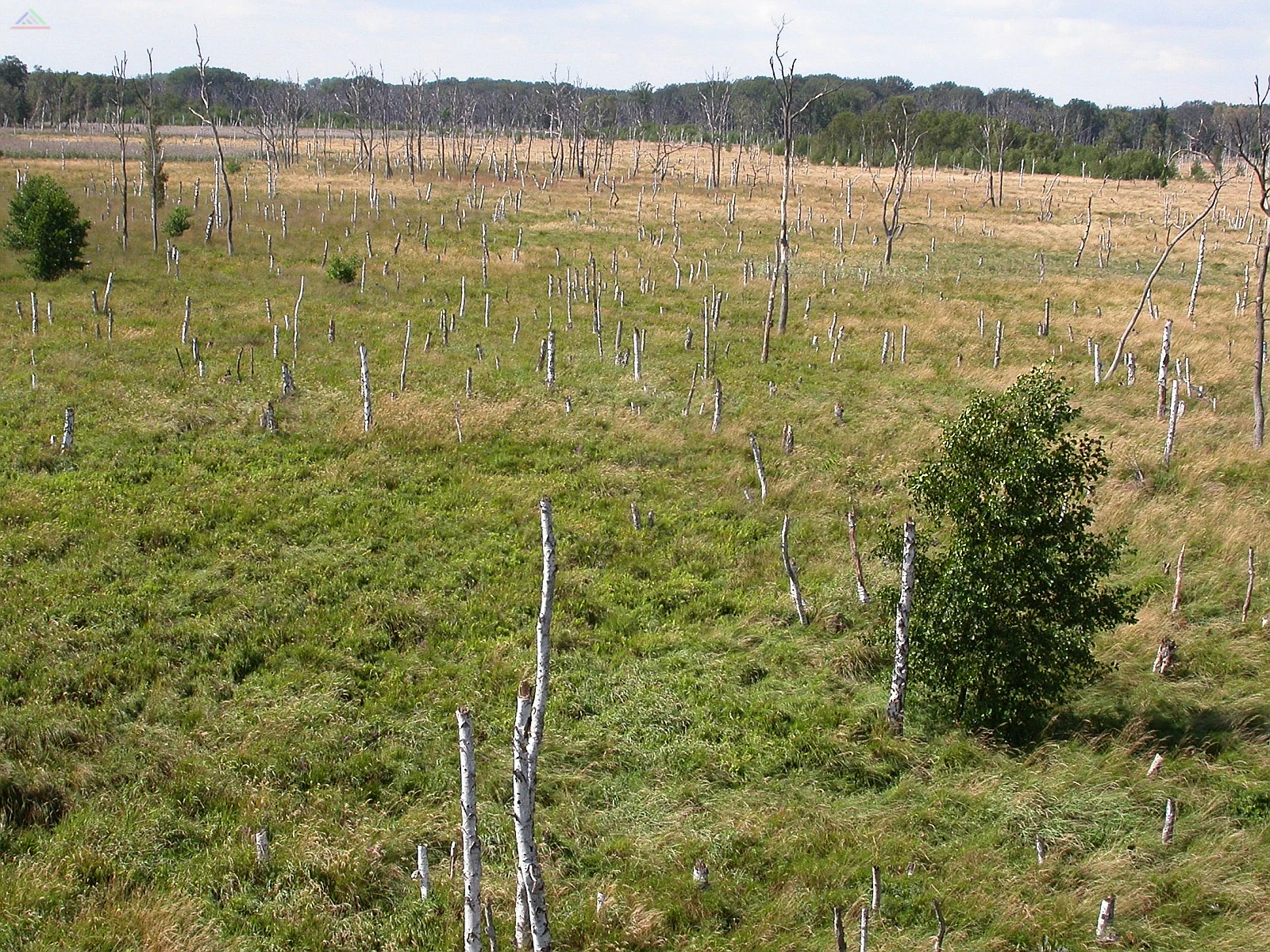
Grassland area with numerous tree stumps and a few remaining trees, indicating a former forest
Former birch forest landscape in Müritz National Park with scattered tree stumps and sparse vegetation

Best time to visit Müritz National Park

Müritz National Park can be visited throughout the year, with each season offering distinct experiences. Spring and early summer bring the most active bird activity, with breeding season providing excellent opportunities to observe cranes, black storks, and nesting waterfowl. The wetland areas come alive with bird song during May and June, while the juniper heaths bloom with colorful wildflowers. Autumn offers excellent conditions for forest walks, particularly in the Serrahn section where the beech forests display spectacular fall coloration, and the onset of the hunting season in September brings increased wildlife activity in the early morning and evening hours. Winter provides a different perspective on the park, with snow-covered forests and frozen lakes creating a serene atmosphere. While some facilities may have reduced services during the colder months, the lack of visitors offers a more isolated wilderness experience. The transitional seasons of spring and autumn can bring variable weather conditions, but also offer the most dramatic atmospheric effects and the best chances for wildlife observation as animals become more active during temperature changes.
Park location guide

Geography guide, regional context, and park location map for Müritz National Park

Müritz National Park park geography, regions, and map view in Germany
Understand where Müritz National Park sits in Germany through a broader geographic reading of the surrounding landscape, nearby location context, and its mapped position within the national park landscape.

How Müritz National Park fits into Germany

Germany is a federal republic in Western and Central Europe with a population of over 83 million across sixteen constituent states. It is Europe's largest economy by nominal GDP and a major global exporter and importer. The capital is Berlin, and the country borders Denmark, Poland, Czech Republic, Austria, Switzerland, France, Luxembourg, Belgium, and the Netherlands.

Wider geography shaping Müritz National Park in Germany

Germany is located in Western and Central Europe, spanning 357,022 km². It borders Denmark to the north, Poland and the Czech Republic to the east, Austria and Switzerland to the south, and France, Luxembourg, Belgium, and the Netherlands to the west. The country has coastlines on the Baltic Sea and North Sea to the north, with the Alps located in the southern region.

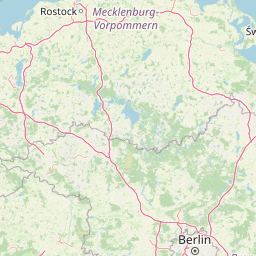
Map view of Müritz National Park

Use this park location map to pinpoint Müritz National Park in Germany, understand its exact geographic position, and read its mapped placement within the surrounding landscape more clearly.

Pigeon | © OpenStreetMap contributors

Location context for Müritz National Park

Mecklenburg-Vorpommern

Explore the diverse protected landscapes and unique glacial terrain that define this significant national park in northeastern Germany.

Müritz National Park Photos: Visualizing Germany's Lakelands, Ancient Beech Forests, and Protected Habitats
Browse comprehensive images showcasing Müritz National Park's distinct glacial landscapes, expansive lakeland terrain, and UNESCO-listed old-growth beech forests. These photographs provide a deeper understanding of the park's protected habitats, diverse ecosystems, and the overall environmental character of this significant German protected area.

A person paddling a canoe on a calm lake with forested shoreline under a clear blue sky

Wide landscape view of Müritz Lake surrounded by dense green forests under a partly cloudy sky

A tall metal observation tower with spiral stairs and multiple viewing platforms surrounded by trees and grass under a clear blue sky.

Tall beech trees with moss-covered logs on forest floor, dense green foliage in a natural woodland setting

Grassland area with numerous tree stumps and a few remaining trees, indicating a former forest

Park atlas

Discover connected protected landscapes, comparing Germany's national parks and conservation areas within the region.

Explore Other Protected Areas and National Parks Near Müritz National Park
After exploring Müritz National Park, continue your discovery by browsing other national parks and protected areas across Germany. Compare diverse landscapes, from glaciated lakelands to old-growth beech forests, to understand regional conservation efforts and their geographic spread.
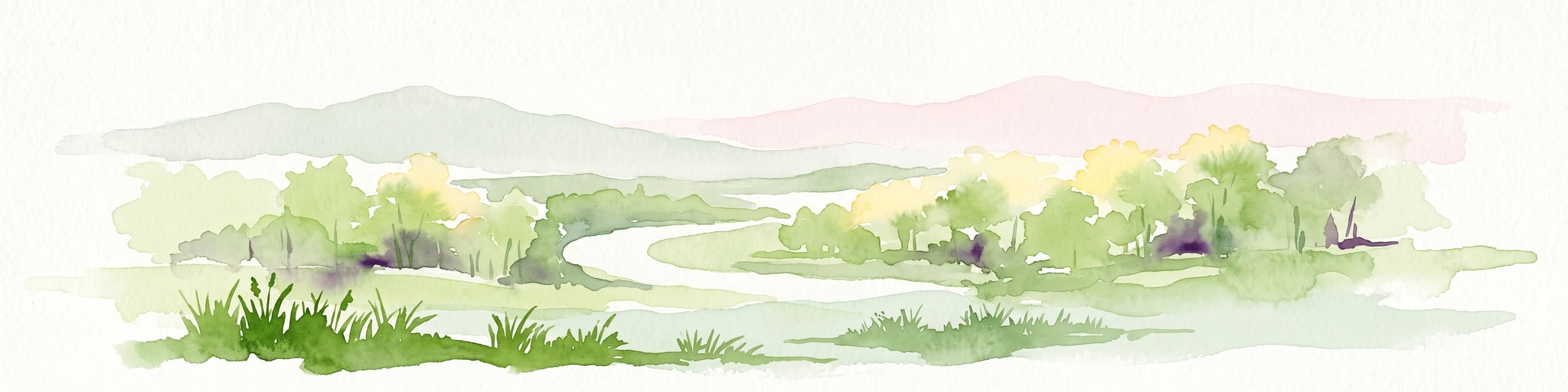
Watercolor painting depicting a river flowing through a valley with green vegetation and distant mountains
National parkBrandenburg

Lower Oder Valley National Park: Unique Polder Landscape and Bird Sanctuary

Discover protected area maps and regional geography in Brandenburg

Delve into the Lower Oder Valley National Park, a national park recognized for its extraordinary polder landscape and extensive wetland ecosystems. This page provides detailed geographic context, highlighting the park's unique engineered floodplain, its role as a sanctuary for numerous bird species, and its position within the regional geography of Brandenburg. Understand the mapped boundaries and ecological importance of this exceptional protected area.

Area
103.23 km²
Established
1995
IUCN
II
Visitors
150K annual
Watercolor illustration showing a coastal lagoon with sandy shoreline, calm water, sand dunes, and sparse vegetation including trees and grasses
National parkMecklenburg-Vorpommern

Western Pomerania Lagoon Area National Park: Detailed Geographic and Protected Landscape Context

Explore its mapped boundaries and unique Baltic Sea coastal geography.

Western Pomerania Lagoon Area National Park is a vital protected landscape in Mecklenburg-Vorpommern, renowned for its complex network of peninsulas, islands, and extremely shallow brackish 'bodden' waters. This page serves as an atlas entry, detailing the park's geographic features, its distinctive wind-driven water level fluctuations, and its ecological importance as a major migratory bird staging area. Users can investigate the mapped extent of this significant German national park and understand its unique place within the regional geography.

Area
805 km²
Established
1990
IUCN
II
Relief
Lowland
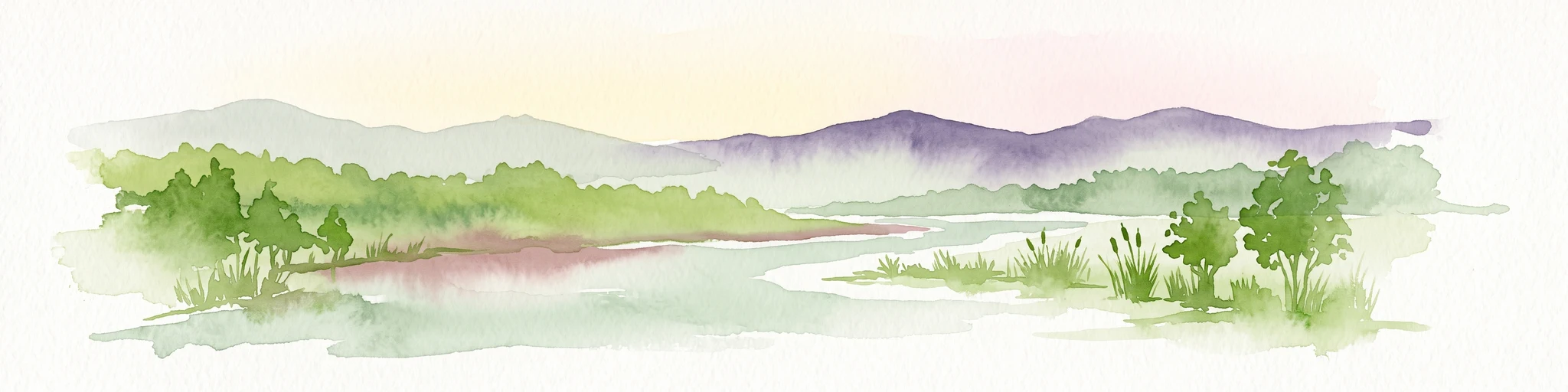
Watercolor painting depicting mountains, rivers, and green terrain
National parkWest Pomeranian Voivodeship

Wolin National Park: Coastal Protected Landscape and Glacial Terrain in West Pomeranian Voivodeship

Explore Poland's first marine national park and its dynamic geography.

Wolin National Park offers a profound look into Poland's protected coastal geography. This national park in the West Pomeranian Voivodeship is distinguished by its high sea cliffs, inclusion of Baltic Sea and Szczecin Lagoon waters as Poland's first marine protected area, and a landscape sculpted by glacial moraines. Discover the park's complex delta systems, ancient forests, and the mapped terrain that supports significant bird migration, providing a rich focus for atlas exploration.

Area
109.37 km²
Established
1960
IUCN
II
Visitors
1.5M annual
Watercolor painting showing chalk cliffs along a coastline with calm water and distant hills
National parkMecklenburg-Vorpommern

Jasmund National Park: Germany's Coastal Chalk Cliffs and Primeval Forest Landscape

Explore the protected geography of Mecklenburg-Vorpommern's Rügen island.

Jasmund National Park showcases one of Northern Europe's most dramatic natural formations, defined by its striking white chalk cliffs plunging into the Baltic Sea and its UNESCO-recognized primeval beech forests. This protected area offers a profound look into geological heritage and undisturbed forest ecosystems. Navigate its mapped boundaries and understand its unique landscape context within the Mecklenburg-Vorpommern region through detailed atlas exploration on MoriAtlas.

Area
30 km²
Established
1990
IUCN
II
Visitors
300K annual
Watercolor illustration showing a river winding through rolling green hills with sparse vegetation
National parkLubusz Voivodeship

Warta Mouth National Park: A National Park Protecting Vital European Wetlands

Explore mapped protected areas and bird habitats in Lubusz Voivodeship.

Warta Mouth National Park, located in Poland's Lubusz Voivodeship, is a significant protected landscape safeguarding the ecologically rich confluence of the Warta and Oder rivers. As the nation's most recently established national park, it provides critical habitat for a vast array of migratory and breeding bird species within its extensive marshlands and floodplains. This park offers a unique opportunity for atlas-driven exploration of Central European wetland geography and the mapped boundaries of a vital conservation area.

Area
80.38 km²
Established
2001
IUCN
II
Visitors
52K annual
Watercolor painting depicting a river flowing through a forested landscape with hills in the background
National parkWest Pomeranian Voivodeship

Drawa National Park: Protected Landscape and River Geography in West Pomeranian Voivodeship

Explore Poland's unique lowland river and ancient forest protected area.

Drawa National Park stands as a vital protected area within West Pomeranian Voivodeship, Poland, celebrated for its exceptional natural geography. The park's core feature is the Drawa River, which carves a distinctive path with fast-flowing currents and deep valleys, presenting a landscape more akin to mountain streams than typical lowland waterways. This area protects one of Poland's most valuable lowland river corridors, featuring ancient beech and oak forests, the rare meromictic Lake Czarne, and diverse wetland habitats. MoriAtlas facilitates structured exploration of Drawa National Park's mapped terrain and protected landscape identity.

Area
115.36 km²
Established
1990
IUCN
II
Visitors
27K annual
Watercolor illustration of a mountainous landscape with forests and a winding path
National parkLower Saxony

Harz National Park: A Mapped Protected Landscape in Lower Saxony's Mountains

Explore geographic boundaries and regional terrain.

Harz National Park is a protected area defined by its unique mountain landscape and extensive forests in Lower Saxony, Germany. This MoriAtlas entry details its geographic scope, allowing for exploration of its mapped boundaries and its place within the regional geography. Understand the terrain, from its highest peaks to its alpine bogs, offering a structured view of this significant protected landscape for atlas-based discovery.

Area
247 km²
Established
2006
IUCN
II
Visitors
4M annual
Watercolor painting of green trees on rolling hills under a pink and orange sunset
National park

Dalby Söderskog National Park: Explore Southern Sweden's Smallest Protected Deciduous Forest

Unique limestone geology, spring flowers, and mapped terrain.

Dalby Söderskog National Park, though only 36 hectares, offers exceptional botanical discovery rooted in its fertile limestone soils. This protected area in Scania, Sweden, showcases a dense deciduous forest ecosystem with remarkable diversity, particularly evident in its vibrant spring wildflower displays. Use MoriAtlas to explore the park's mapped boundaries and understand its significant role within the regional geography and broader protected landscape atlas.

Area
0.36 km²
Established
1918
IUCN
II
Relief
Lowland

Common questions about visiting, size, designation, and location context for Müritz National Park

Müritz National Park FAQs for park facts, access, geography, and protected area context
Find quick answers about Müritz National Park, including protected-area facts, park geography, trail and visitor context, and how the park fits into its surrounding country and regional landscape.
MoriAtlas Explorer

Continue Your Protected Areas Search Across the Global Atlas

Deepen your exploration by continuing the structured search for national parks and protected areas worldwide. Utilize the comprehensive filtering capabilities to compare different conservation landscapes and refine your understanding of global park geography. Discover more about the distribution and characteristics of protected natural areas.

Global natural geography
Müritz National Park: Protected Landscape Atlas & Map | MoriAtlas