
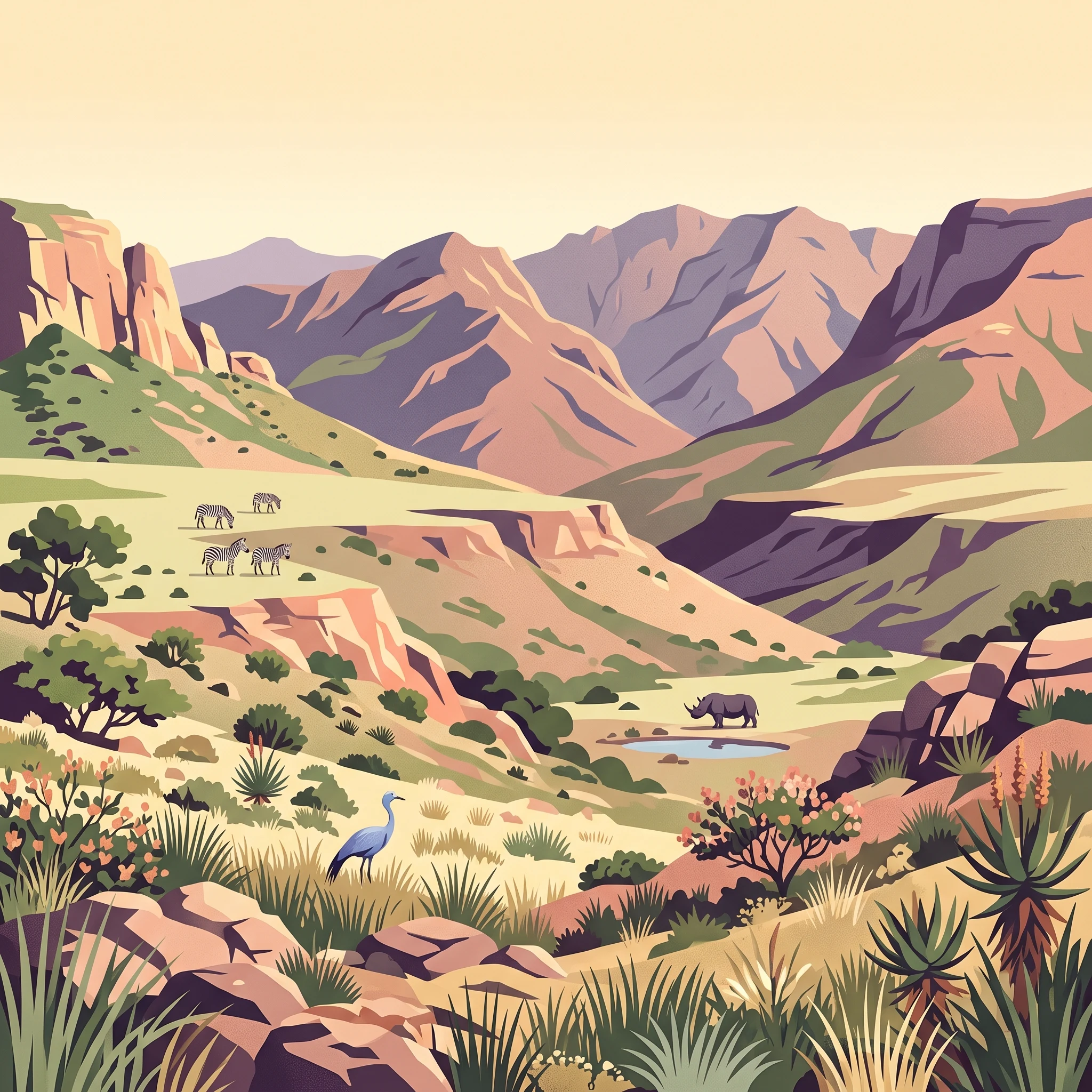
Visit Timing
Best Time to Visit Mountain Zebra National Park: A Quick Overview
Deciding on the best time to visit Mountain Zebra National Park requires balancing your tolerance for heat against the specific landscape and wildlife experiences you seek. This park, located within the semi-arid Karoo environment of South Africa, follows a clear climatic pattern where seasons dictate both the visibility of animals and the physical comfort of your stay. Because the park features rugged mountain terrain alongside open valleys, weather conditions can shift rapidly, making timing a critical component of your planning process.
Seasonal Priorities and Wildlife Dynamics
For many visitors, the winter months represent an ideal window. During this time, the park experiences cooler temperatures that make long days of game viewing and hiking more manageable. Wildlife observation also benefits from the drier conditions, as animals frequently congregate near water sources, making them easier to spot against the stark, open landscape. Conversely, the summer season brings warmer, occasionally intense temperatures that transform the environment. While the heat is more pronounced during the day, this period offers the visual reward of a greener, more lush park landscape, which supports the park's vibrant biodiversity but can sometimes make sightings more challenging due to thicker vegetation.
Understanding the Karoo Climate Influence
The timing of your visit is deeply influenced by the regional climate, which is characterized by significant temperature fluctuations between day and night. At an elevation of over 1,100 meters, the park experiences high daytime heat during the peak summer months, often reaching into the upper 30s Celsius. Winter brings a different set of conditions, with crisp, cold nights and occasionally even snowfall on the higher slopes of the Bankberg mountains. These extreme seasonal transitions mean that there is no single universally superior time to travel. Instead, the right choice depends on whether you prioritize the activity-friendly weather of mid-year or the dramatic seasonal scenery of the warmer months.
Planning Around Environmental Variability
Rather than fixating on a specific month, consider the interaction between daylight hours, temperature, and your intended activities. The park provides different challenges and rewards throughout the year, and understanding these shifts allows you to set realistic expectations for your trip. By weighing the trade-offs between the arid, wildlife-focused winter and the lush, high-temperature summer, you can align your travel dates with the specific experience that matters most to you. Regardless of when you choose to go, always verify current park conditions and weather forecasts before your arrival, as the dynamic nature of this mountain environment can result in unexpected weather patterns that fall outside of historical averages.
Seasonal Planning
Best Months for Visiting Mountain Zebra National Park
Peak Wildlife Viewing Windows: June to August
The winter months of June, July, and August represent the most reliable period for those prioritizing wildlife sightings. During this time, the Karoo vegetation thins and the lack of summer rainfall leads to water scarcity, concentrating animals around the remaining permanent water sources. This naturally increases the probability of encountering the park's flagship Cape mountain zebra, as well as the lions and cheetahs introduced as part of the predator reintroduction program. These months bring crisp, clear days with significantly lower humidity, though visitors must prepare for substantial temperature swings. Nighttime and early morning temperatures frequently drop below freezing, with averages falling toward -3 degrees Celsius. While these periods provide excellent visibility, travelers should accept the trade-off of colder, potentially frosty mornings that necessitate thermal layers for early game drives.
Transition Periods for Moderate Temperatures: April and September
The shoulder months of April and September offer a compromise for travelers who wish to avoid the extreme temperature fluctuations of the deep winter or the intense heat of the peak summer. April sits at the tail end of the wet season, leaving the landscape transitionally lush before the full onset of winter. September, conversely, serves as the precursor to summer, with mean temperatures beginning a steady climb from 14 degrees Celsius toward more comfortable levels. These windows are particularly well-suited for hiking the 39 kilometers of park trails, as the milder daytime highs reduce the physical strain of exploring the rugged mountain terrain. The compromise here is that animal sightings may require more patience than in the driest mid-winter months, as scattered water sources allow wildlife to disperse more widely throughout the diverse valley and plateau habitats.
Lush Landscapes and Higher Heat: November to February
Visiting between November and February rewards travelers with dramatic, green Karoo landscapes, as this window aligns with the primary rainfall period. The scenery becomes vibrant, and this season provides the most daylight, often exceeding 13 hours per day, which extends the potential time for exploring the park. However, this period is defined by significant heat, with average daily maximums frequently exceeding 36 to 38 degrees Celsius. This level of heat often prompts wildlife to seek shade during the hottest parts of the day, potentially making midday game drives less productive. Travelers opting for these months should prioritize early morning or late afternoon excursions to coincide with peak animal activity and lower thermal stress. The primary trade-off is accepting high daytime temperatures and the potential for brief, intense afternoon thunderstorms in exchange for the visual appeal of a revitalized, green mountain environment.
Annual Climate Patterns
Weather and Climate Trends in Mountain Zebra National Park
Understanding the climate of the Eastern Cape requires looking past simple averages. The environmental conditions within these mountainous landscapes are defined by significant diurnal temperature swings and a clear distinction between the hot, moist summer months and the crisp, arid winter period. These long-term climate normals, sampled at an elevation of approximately 1,167 meters, serve as a foundational reference point for the conditions visitors can expect rather than a forecast for specific dates.
Thermal Extremes and Daily Swings
One of the most defining characteristics of the local climate is the dramatic range between daily minimum and maximum temperatures. Throughout the year, the region experiences wide thermal fluctuations, particularly during the transition months. In mid-summer, specifically January and December, daytime maximums frequently climb toward 38 degrees Celsius, yet nights remain manageable. Conversely, the winter months of June and July exhibit the most extreme overnight cooling, with average minimums dipping into negative territory (below freezing). Visitors should be prepared for this rapid shift, as a warm afternoon can transition into a biting, cold evening within hours, necessitating versatile layering regardless of the season.
Rainfall Patterns and Seasonal Moisture
The park follows a semi-arid pattern where precipitation is concentrated, albeit modestly, in the warmer months. January, February, and November emerge as the wettest months, reflecting the summer rainfall characteristic of this region. Even during these peak periods, the precipitation is measured in millimeters per day, suggesting that rain often arrives in brief, intense intervals rather than prolonged grey days. From May through August, the precipitation levels reach their annual low, coinciding with the clearest, sunniest days of the year. While the lack of rain during this period enhances visibility and eases wildlife movement, it also contributes to the dry, dusty conditions typical of the Karoo environment.
Sunlight, Wind, and Atmospheric Clarity
Daylight availability provides a distinct rhythm to the year, peaking in December with over 14 hours of potential light and narrowing to just under 10 hours during the winter solstice in June. This variation significantly influences the effective window for early morning and late afternoon game viewing. Complementing these light patterns are consistent wind speeds, which generally remain moderate throughout the year. The wind reaches slightly higher average speeds between June and November, which can intensify the perceived chill factor during the colder months when ambient temperatures are already low. These breeze patterns are vital to consider for those planning high-altitude hikes, as exposed ridges will inevitably feel cooler than the sheltered valley floors.
Interpretation of Climate Normals
It is essential to distinguish these long-term climate normals from live weather conditions. High-altitude areas within the park boundaries, specifically the higher slopes of the Bankberg Mountains, are subject to localized microclimates that these generalized averages may not fully capture. Winter months can bring brief, unexpected periods of frost or even snow at higher elevations, which are not reflected in standard monthly mean values. Travelers should view these trends as a reliable guide for the expected atmospheric character of the park, while always consulting current meteorological alerts for real-time planning.
Seasonal Characteristics
Understanding Local Weather Phases and Seasonal Patterns in Mountain Zebra National Park
Interpreting the Karoo Climatic Rhythm
Mountain Zebra National Park does not conform to the classic four-season model often applied to temperate regions. Instead, the landscape is defined by two primary climatic phases, separated by brief but distinct transitional windows. These phases are dictated by the semi-arid Karoo environment, where the dramatic elevation of the Bankberg mountains plays a critical role in cooling the air and periodically creating microclimates that feel significantly colder than the surrounding plains. Understanding these rhythms helps clarify why wildlife behavior and visitor comfort shift so noticeably between the middle and the end of the year.
The Dry and Cool Winter Phase
From May through August, the park enters its most stable environmental period. This phase is characterized by minimal precipitation and a high frequency of crisp, clear days. During these months, the primary challenge for visitors is the significant diurnal temperature swing. While daytime highs often reach a pleasant 22 to 27 degrees Celsius, the sun quickly loses its intensity, and overnight temperatures frequently drop below freezing, especially at higher elevations. This is the period when the landscape is at its most dormant. The lack of significant rainfall limits new growth, resulting in thinner valley vegetation that keeps wildlife movement more predictable as animals congregate near permanent water sources. Travelers should prepare for potential frost in the early mornings, which adds to the rugged character of the winter experience without preventing regular park activities.
The Warm and Variable Summer Phase
Starting in November and extending through February, the park shifts into its warmer, more volatile cycle. This period brings the majority of the annual rainfall, which, though relatively modest in total volume, often arrives in the form of localized afternoon thundershowers. Visitors during this phase will notice a rapid transformation of the landscape. As the rains stimulate growth, the valleys turn lush, and the overall vegetation density increases significantly. Temperatures during this phase are notably higher, with daily maximums frequently exceeding 35 degrees Celsius. This heat defines the visitor experience, as wildlife tends to be significantly less active during the peak midday hours, seeking refuge in the shade of dense thickets or rock overhangs. The increased humidity levels, which climb during these months, contribute to the sense of warmth, making early morning or late afternoon game drives essential for those hoping to spot the park's larger mammal populations.
Navigating the Transitional Windows
The periods between these two extremes,September to October and March to April,serve as important buffers. These months are characterized by unpredictable shifts where the park may display traits of both phases. September and October represent a transition from the cold, dry winter into the warming spring, marked by rising daytime temperatures and an increase in wind activity as the atmospheric pressure shifts. Conversely, March and April see the tail end of the summer rains give way to cooling nights and decreasing daylight hours. These windows are often the most difficult to forecast, as they can experience unseasonably warm afternoons followed by sudden, sharp drops in temperature as soon as the sun disappears behind the mountain peaks. For travelers, these months offer a compromise, providing a balance of moderate daytime temperatures that have not yet reached summer extremes, while avoiding the harshest freezing conditions of mid-winter.
Seasonal Experiences
What Visiting Mountain Zebra National Park Is Like Throughout the Year
Balancing Wildlife Viewing and Walking Conditions
Visitors planning a trip to Mountain Zebra National Park often weigh the necessity of comfortable temperatures for hiking against the desire for clear wildlife sightings. Because the park features significant elevation and exposed terrain, the timing of your visit dictates which activities are most accessible. During the cooler, drier months from May through August, daytime temperatures are generally more moderate for long-distance hikes like the Idwala hiking trail. These periods also bring lower humidity levels and a lack of significant rainfall, making the rugged mountain slopes more manageable for those undertaking the park's walking trails. However, because these months see temperatures occasionally drop below freezing overnight, early-morning wildlife drives may feel significantly colder than the afternoon sunshine might suggest.
Timing Predator and Herbivore Observation
Wildlife sightings within the park remain a year-round activity, yet the visibility of animals often shifts with the seasonal climate. During the peak summer heat, from November through February, larger mammals, including the Cape mountain zebra and Cape buffalo, often congregate near water sources or seek relief in the shaded valley vegetation. This concentrated activity can make spotting species easier if you know where to look, though the intense heat of the afternoon can lead to a period of general wildlife lethargy. In contrast, the drier winter months often cause animals to move more frequently across the plateaus in search of grazing. Tracking activities, such as those targeting cheetahs, are sometimes influenced by these movement patterns and the state of the vegetation. When planning these guided experiences, keep in mind that the visibility of smaller inhabitants, such as the rock dassies often found near the main camp, remains consistent regardless of the season, though they are more likely to be active on rocks during the sunny periods of a winter day compared to the height of a summer thunderstorm.
Accessing Cultural and Geologic Heritage
Activities that involve specialized exploration, such as visiting sites with San cave paintings or traversing the park's 4x4 trails, are best scheduled during periods of stable weather. The dry conditions found in the late winter and early spring months reduce the risk of temporary track closures or limited access to remote areas that might otherwise be affected by localized runoff or muddy conditions during the summer wet season. Because the park relies on maintaining access to its more remote uplands for these specific experiences, checking current route statuses with the park authorities is a necessary step before your arrival. While the park is open throughout the year, the logistical ease of navigating between the main camp, the highland viewpoints, and archaeological sites is generally higher when seasonal rainfall is at its lowest, ensuring that your time is spent exploring the landscape rather than navigating weather-related constraints.
Visitor Priorities
Optimizing Your Mountain Zebra National Park Visit by Personal Priority
Selecting Dates for Active Hiking and Exploration
If your primary goal is to maximize time spent on the park's 39 kilometers of hiking trails or specific excursions like the Salpeterkop hike, the transition months of April and September offer the most reliable conditions. During these periods, the daytime temperatures move away from the extreme summer heat, which can easily exceed 35°C, while avoiding the near-freezing overnight lows common in the heart of winter. Hikers benefit from moderate mean temperatures ranging from 14°C to 16°C, providing enough energy for longer walks without the exhaustion caused by intense sun or the struggle of heavy winter gear. The trade-off is the potential for highly variable daily weather; wind speeds during these transitional months remain significant, and you should be prepared for sudden shifts that characterize the rugged Karoo landscape.
Prioritizing Drier Conditions for Safari Visibility
For travelers who prioritize wildlife sightings, specifically the Cape mountain zebra and the park's reintroduced predator species, the dry winter months of June, July, and August are the most scientifically sound choice. Precipitation during these months drops to its annual minimum, often falling below 0.6 mm per day. This lack of rain forces wildlife to frequent predictable water sources, increasing the probability of sightings. Furthermore, the thinner, drier vegetation during the winter season makes it easier to spot lions and cheetahs that might otherwise remain hidden in denser summer foliage. The significant compromise here is the extreme cold: average minimum temperatures frequently drop below freezing, sometimes reaching -3°C. Visitors must balance the ease of animal tracking against the need for thermal layers and the shorter daylight window, which provides only about 10 hours of sunlight compared to the 14-hour days found in December.
Enjoying Extended Daylight and Summer Landscapes
Travelers who prefer longer days for photography or scenic drives may find the late spring and early summer period of November and December most appealing. Daylight hours peak at approximately 14 hours, offering a generous window for morning and evening drives without the pressure of an early sunset. This is the period when the landscape is most likely to show signs of life following the first seasonal rains. However, this preference comes with the trade-off of intense heat. Mean maximum temperatures for these months are high, often remaining in the mid-to-high 30s. Midday heat can significantly limit outdoor activity, and animal activity often slows down during these hotter hours as creatures seek shade. While the landscape is more vibrant, the trade-off is higher humidity and the physical discomfort of the mid-day sun, which necessitates careful planning to stay within vehicles or shaded areas during the peak heat of the afternoon.
Visitor Logistics
Seasonal Access and Practical Trip Planning for Mountain Zebra National Park
Navigating Access and Park Entry
Planning a visit to Mountain Zebra National Park requires an understanding of its logistical framework, specifically regarding how seasonal shifts influence daily operations. The park is accessed via a primary road route, located approximately 14 kilometers northwest of the town of Cradock. While the infrastructure is designed to accommodate standard vehicles for most of the year, visitors should always verify current road conditions with park authorities before departure, especially if significant rainfall has occurred, as localized flooding or muddy tracks can occasionally impact internal routes.
Seasonal Operating Hours
The park operates on a seasonal schedule that aligns with the changing daylight hours in the Eastern Cape. Historically, gate opening and closing times are adjusted to reflect the longer days of summer and the shorter daylight periods of winter. From October through April, the gates typically open at 7:00 AM and close at 7:00 PM. During the cooler, shorter days from May through September, the operating hours shift to 7:00 AM to 6:00 PM. Because these hours are subject to change based on management policy or safety considerations, travelers must verify the current entry times on the official South African National Parks website prior to planning their arrival or departure times.
Self-Drive and Trail Logistics
One of the most practical aspects of visiting is the flexibility afforded to self-drive visitors. You are permitted to use your own vehicle to explore the park, which allows for a personalized pace when wildlife viewing. While internal roads are maintained, the terrain is rugged, and the experience of driving here is influenced by the park's topography. If you plan to utilize the park's hiking trails, please note that these start from the main camp. It is standard practice to consult with the reception staff upon arrival to obtain a current map of the trails and to receive updated advice on any temporary closures or safety guidelines. The park does not require specialized permits for standard self-drive game viewing or hiking on established paths, but always check if specific activities like guided night drives or specialized conservation tours require advance booking or a minimum number of participants.
Planning for Capacity and Bookings
As with many national parks in South Africa, accommodation within the reserve can reach high occupancy during peak holiday periods and school breaks. If your travel dates are flexible, you can often find greater availability by visiting outside of these high-demand windows. Regardless of when you choose to visit, ensure you have confirmed all accommodation and activity reservations well in advance. Since policies regarding entry fees, permit requirements, and booking lead times can be updated by the managing authority, direct all inquiries about reservations and current entry regulations to the official park management channels.
Safety and Preparation
Seasonal Weather Hazards and Packing for Mountain Zebra National Park
Navigating Extreme Diurnal Temperature Swings
Preparation for a visit to the park centers on the significant temperature fluctuations characteristic of the Karoo. While daytime highs can reach or exceed 35°C during the warmer months, the semi-arid environment leads to rapid cooling once the sun sets. This is particularly noticeable in the cooler months, when nighttime temperatures frequently drop below freezing, sometimes reaching negative values. Successful preparation requires layering clothing that can be adjusted hourly. Rather than relying on a single heavy jacket or light shirt, focus on a system of base layers, insulating mid-layers, and a wind-resistant outer shell. This approach ensures you remain comfortable whether you are observing wildlife in the chilly early morning hours or navigating the park during the midday peak.
Preparing for Solar Exposure and High-Altitude Conditions
At an elevation of approximately 1,167 meters, the intensity of solar radiation in the park is substantial, regardless of the time of year. High daylight hours during the summer season, often exceeding 13 hours, mean prolonged exposure to direct sunlight. When packing, prioritize items that offer reliable protection against UV radiation. The rugged nature of the terrain, combined with the dry Karoo air, can increase the rate of dehydration, so it is essential to plan for consistent replenishment throughout your daily activities. Because the park features open plateaus and limited shade in certain sectors, always check current weather forecasts before departing for any hiking trail or scenic drive to understand if high winds or extreme heat indices are expected. Official park alerts and local reception staff provide the most accurate information regarding daily conditions that may impact your safety.
Seasonal Considerations for Rain and Winter Chill
While the park is predominantly semi-arid, precipitation patterns,even when sparse,can influence your field safety and planning. Summer rainfall, though usually limited, can bring sudden shifts in temperature or visibility during afternoon cycles. Conversely, the winter months, while generally clear and dry, introduce the rare but documented possibility of frost or even snow on the higher peaks of the Bankberg mountains. If your visit coincides with the colder period between June and August, anticipate sub-zero night temperatures and prepare accordingly. Always verify current road conditions with park management before attempting to traverse higher-altitude routes if inclement weather has been reported. Safety in this environment is best maintained by staying informed through official channels, respecting park signage, and recognizing that climate normals are not predictors for any specific date. Monitoring local updates ensures your gear and plans remain appropriately aligned with the realities of the mountain terrain.
Decision Guide
How to Choose Your Ideal Time to Visit Mountain Zebra National Park
Selecting your ideal window for a visit depends primarily on the trade-offs between biological activity and your own physical comfort. If your priority is observing the Cape mountain zebra and other resident mammals, the cooler, dry months from June through August offer the most consistent visibility. During this period, lower vegetation density and the need for wildlife to congregate around permanent water sources make sightings more predictable. While these months bring freezing nighttime temperatures and require thermal layering, they provide the clearest air and most comfortable conditions for long hours of game viewing.
Conversely, if you prefer a landscape defined by warmer temperatures and more active birdlife, the summer months from November through February provide a different experience. You must be prepared for significant daytime heat, which often leads to mid-day wildlife dormancy and requires visitors to be active during the dawn and dusk hours. This season also brings a higher probability of convective rain showers, which transform the semi-arid Karoo slopes into lush, green vistas. For those interested in landscape photography or the aesthetic appeal of the park, these months offer vibrant colors, albeit with the necessity of managing high solar exposure and rapid temperature shifts.
Those seeking a middle ground often find the shoulder periods of April and September to be the most balanced choices. These months typically offer milder daytime temperatures that are well-suited for hiking the park trails or exploring the rugged terrain by foot, avoiding both the peak winter cold and the intense summer heat. These transitions are marked by higher volatility in daily weather, however, making them less predictable than the heart of the winter or summer seasons.
Ultimately, your decision should align with your tolerance for temperature extremes and your specific wildlife goals. Because the park climate normals reflect long-term trends rather than specific daily conditions, your final planning must include checking current weather forecasts and official park alerts shortly before your arrival. This ensures that you are prepared for unseasonal rain, temperature spikes, or any operational updates that may influence your movement through the park. By weighing these seasonal characteristics against your own priorities, you can determine the timing that best suits your requirements.