Why Rezerwat przyrody Mszar Rosiczkowy koło Rokitna stands out
The reserve is best known for protecting a sundew-rich bog community, including both the white sundew (Drosera rotundifolia) and the much rarer brown sundew (Rhodora or a comparable species depending on scientific classification), set within a classic raised peatland environment. The site also preserves a mosaic of raised bog sub-habitats, ranging from cottongrass-dominated hummocks with sheathed cottongrass to open pine bog where Scots pine grows in loose stands over the peat surface. Combined, these features give the reserve a strong identity as a compact but ecologically rich peatland refuge within the Lubusz region's protected-area network.
Rezerwat przyrody Mszar Rosiczkowy koło Rokitna history and protected-area timeline
The reserve was established relatively recently in the modern history of Polish nature conservation, created through Order No. 19/2009 of the Regional Director for Environmental Protection in Gorzów Wielkopolski, dated 1 September 2009. Its creation reflects a broader trend in regional environmental management focused on formally protecting surviving fragments of peatland habitat that had not been included in earlier reserve networks.
The legal basis for the reserve was published in the official journal of the Lubusz Voivodeship in 2009. Its designation on lands administered by the Długie and Złotawa forest districts of Nadleśnictwo Strzelce Krajeńskie places its management within the framework of Poland's State Forests, while the conservation objectives are overseen by regional environmental protection authorities. As a young reserve, it represents an effort to secure recognized protection for a habitat type that remains vulnerable to drainage, peat extraction, and forestry-related changes in surrounding lands.
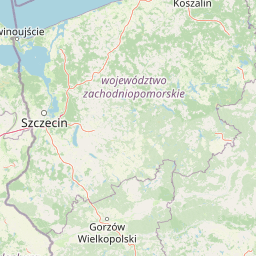
Rezerwat przyrody Mszar Rosiczkowy koło Rokitna landscape and geographic character
The reserve occupies a gently undulating stretch of terrain within the Pojezierze Dobiegniewskie mesoregion, an area shaped by the last glaciation and characterized by a mosaic of lakes, moraines, and forest. Within this broader setting, the reserve itself is defined by the saturated, peat-forming ground of a raised bog.
The bog surface displays the typical microtopography of raised peatlands, including elevated hummocks dominated by cottongrass and other peat-forming plants, as well as wetter hollows. In parts of the reserve, scattered Scots pine rises above the peat in loose, open formation, creating the characteristic airy, stunted woodland appearance of pine bog. The surrounding regional landscape, with its mix of forests and glacial landforms, frames the reserve as a small but ecologically distinct pocket within a much larger forested and lake-dotted countryside.
Rezerwat przyrody Mszar Rosiczkowy koło Rokitna ecosystems, habitats, and plant life
The ecological character of the reserve is defined by its peatland vegetation communities, which include both raised bog and transitional bog habitats. The protected area preserves a sundew-rich bog community centered on white sundew and the much rarer brown sundew, alongside a varied raised-bog complex divided between cottongrass hummocks and open pine bog.
These communities are adapted to waterlogged, acidic, nutrient-poor conditions, where peat has accumulated over long periods. The dominance of sheathed cottongrass in the hummock layer, combined with the presence of scattered Scots pine over the bog surface, gives the reserve a layered vegetation structure that is typical of well-developed raised bogs in the temperate lowlands of Europe. The combination of carnivorous plant species with classic bog flora underscores the site’s botanical richness and its importance for protecting specialized peatland habitats in the region.
Rezerwat przyrody Mszar Rosiczkowy koło Rokitna wildlife and species highlights
The reserve's primary wildlife significance lies in its specialized plant communities, particularly the populations of sundew, small carnivorous plants that depend on the bog’s insect life for nutrients. The presence of these species reflects an active invertebrate community adapted to the bog environment.
The surrounding landscape of the Pojezierze Dobiegniewskie supports forest and wetland fauna, and the reserve, embedded within managed forest lands, contributes to habitat continuity in the area. While the source material does not provide detailed fauna inventories, the combination of bog habitat and forested surroundings creates conditions favorable for amphibians, bog-associated invertebrates, and bird species typical of mixed forest and wetland edge habitats in northwestern Poland.
Rezerwat przyrody Mszar Rosiczkowy koło Rokitna conservation status and protection priorities
The reserve was established specifically to preserve bog and peatland vegetation communities, with particular emphasis on protecting the sundew-bearing mszar community that includes the very rare brown sundew. By formally protecting this habitat, the reserve helps safeguard plant species and ecological processes that are otherwise vulnerable to drainage, peat extraction, and forestry-related disturbance.
Its designation within the Lubusz Voivodeship's network of protected areas adds to the regional effort to maintain functioning peatland ecosystems, which play roles in carbon storage, hydrological regulation, and the preservation of specialized biodiversity. The small size of the reserve makes it a focused conservation unit, but its integration within the larger forest estate of Nadleśnictwo Strzelce Krajeńskie gives it added landscape-level context for long-term habitat protection.
Rezerwat przyrody Mszar Rosiczkowy koło Rokitna cultural meaning and human context
The reserve is located in an area historically shaped by forestry and small-scale rural settlement, with the nearby village of Rokitno forming a local reference point. The region's identity is closely tied to its post-glacial landscape of forests, lakes, and peatlands, features that have long influenced local livelihoods and land use. As a recently designated natural reserve, the site also reflects growing regional recognition of the cultural and ecological value of preserving representative examples of the area’s natural heritage.
Top sights and standout views in Rezerwat przyrody Mszar Rosiczkowy koło Rokitna
Among the reserve's most distinctive features are its rare sundew populations, particularly the presence of brown sundew alongside the more common white sundew, which gives the site strong botanical significance. The reserve also preserves a notably differentiated raised bog complex, combining cottongrass hummocks and open pine bog, illustrating key stages of bog succession in a compact area.
Its small size makes the reserve a focused conservation site, while its position within the Pojezierze Dobiegniewskie mesoregion and the broader Lubusz Voivodeship protected-area network gives it regional importance as a representative example of northwestern Poland's peatland heritage.
Best time to visit Rezerwat przyrody Mszar Rosiczkowy koło Rokitna
Peatland reserves like Mszar Rosiczkowy koło Rokitna are most rewarding to visit during the warmer months, when the bog vegetation is fully active and access conditions on surrounding forest paths are generally most favorable. Late spring through early autumn typically offers the best conditions for observing the bog’s plant communities, including sundew and cottongrass in active growth.
In all seasons, visitors should expect the saturated, soft ground typical of raised bogs, which limits movement within the reserve itself. The surrounding forested landscape of the Strzelce Krajeńskie forest district provides additional context for understanding the reserve’s setting throughout the year.