
Visit Planning
When is the Best Time to Visit Nairobi National Park: A Quick Overview
Deciding when to visit Nairobi National Park requires an understanding of how its specific geography and climate patterns influence wildlife behavior. The best time to visit often aligns with the drier months, typically between July and September, when reduced rainfall makes animals more predictable and easier to spot as they congregate around diminishing water sources. This period is particularly famous for the seasonal migration of wildebeest and zebra, which brings high-density game viewing into the park boundaries. Because the park serves as a dry-season refuge for herbivores moving across the broader Athi-Kapiti plains, the drier months provide the most consistent opportunities to witness this dynamic ecosystem in action.
The Impact of Rainfall on Wildlife Sightings
Nairobi National Park experiences two distinct rainy seasons that alter the landscape and wildlife dispersion. During the wetter months, the savanna transforms into dense, green growth, which often makes spotting cats or the park's iconic black rhinoceros more challenging. While the lush vegetation is visually striking and provides excellent conditions for birdwatching, the abundance of water throughout the park means animals disperse widely, reducing the likelihood of concentrated sightings along the established track network. Understanding these precipitation patterns allows for a more realistic expectation of the safari experience, as the trade-off for vibrant scenery is often a lower density of observable mammals.
Balancing Temperature and Daily Conditions
Temperature ranges in the park remain relatively moderate due to its elevation, typically ranging between 1,500 and 1,700 meters above sea level. This elevation helps temper the equatorial heat, though visitors should still account for significant shifts between cool mornings and warm afternoons. Rather than seeking a single ideal climate, it is more useful to consider how wind and daylight hours interact with your preferred activities. For example, consistent daytime temperatures throughout the year mean that the decision rests more heavily on rainfall and the resulting density of wildlife rather than the threat of extreme heat or cold. Visitors should be aware that the park's climate normal data serves as a guide for these patterns, though daily weather is subject to local variance that can influence short-term wildlife visibility.
Defining Your Travel Priorities
Ultimately, your choice depends on whether your priority is reliable game viewing or experiencing the park during its quieter, greener transition periods. By recognizing that the park acts as a functional wildlife sanctuary rather than a static exhibit, you can align your schedule with the seasons that best suit your interests. While the peak dry season is widely favored for its accessibility and wildlife density, the shoulder months offer a different, more tranquil character that highlights the diversity of this protected landscape. Choosing when to go is less about finding a universally perfect date and more about matching your expectations to the natural cycles of the Nairobi environment.
Visit Planning
Best Months to Visit Nairobi National Park for Wildlife and Weather
Peak Wildlife Viewing Windows
For travellers prioritising consistent wildlife sightings, the dry months from July through September offer the most reliable conditions. During this period, vegetation thins out and water sources within the park become scarce, drawing animals to the remaining pools. This concentration makes spotting rhinoceros, lions, and leopards significantly more straightforward. The annual migration of wildebeest and zebra, which brings herds through the park in July and August, adds a dynamic layer to the safari experience. While temperatures remain moderate during these months, visitors should be prepared for cooler morning temperatures, as the elevation typically brings significant thermal variation throughout the day.
Transition Periods and Variable Scenery
If you prefer a balance between drier conditions and a less crowded environment, the shoulder months of January, February, and late September are worth consideration. February, in particular, often sees warmer maximum temperatures, frequently exceeding 30 degrees Celsius, which can lead to clearer, albeit hotter, days for photography. These months act as transitions between the main dry and rainy seasons. You may encounter intermittent cloud cover or the early arrival of showers, which quickly revitalizes the savanna. This transition period is ideal for those who are flexible with their schedule and who value a slightly more solitary experience away from the mid-year peak.
The Lush Rainy Seasons
Visiting during the wetter periods, specifically around April and November, requires a different set of expectations. While the park is less accessible in terms of visibility due to the thick, lush green growth that provides camouflage for predators, these months offer a unique perspective on the landscape. The rain transforms the dusty plains into vibrant grasslands, which can be visually striking. However, these months coincide with higher humidity levels and more frequent precipitation, which may impact your time in the field. Travellers choosing these windows should prioritise the photographic potential of the lush, green backdrop and the birth seasons for many plains animals, understanding that the trade-off is a higher degree of unpredictability regarding daily conditions.
Summary of Timing Priorities
- July to September: Best for guaranteed animal visibility and witnessing the local migration movements.
- January and February: Best for warm, dry weather and clear skies, ideal for photography when conditions remain stable.
- April and November: Best for lush, green scenery and lower visitor density, provided you are comfortable with intermittent rain and lower wildlife visibility.
Climate Conditions
Nairobi National Park Weather and Climate Trends by Month
Understanding the climate of this protected area requires looking beyond single-month averages to identify the broader atmospheric trends that shape the savanna. The park exhibits a distinct bi-modal climate pattern driven by its equatorial proximity and elevated position at approximately 1642 meters. While these long-term normals provide a consistent baseline for travel planning, visitors should treat them as historical markers rather than reliable short-term weather forecasts, as local conditions can fluctuate daily.
Patterns of Temperature and Daily Variability
Temperature dynamics in the park are defined more by the difference between day and night than by drastic seasonal fluctuations. The warmest conditions typically occur during the transition months of February and March, alongside September and October, where daily maximums frequently climb above 31 degrees Celsius. Despite these daytime peaks, the high altitude ensures that temperatures drop significantly after sunset. Minimum temperatures hover consistently in the 10 to 13 degree Celsius range throughout the year, with the coolest nights generally recorded between June and August. This creates a significant diurnal swing, often exceeding 15 to 20 degrees Celsius, which is a critical consideration for packing and early morning game drives.
Precipitation Cycles and Relative Humidity
Rainfall follows a two-season pattern that directly influences the visibility and lushness of the terrain. The most significant precipitation occurs in April and November, which serve as the wettest months of the year. During these periods, relative humidity levels rise, often averaging above 70 percent, which can make the air feel heavy and increase the likelihood of overcast skies. Conversely, the dry intervals are most pronounced in June, July, and August, where precipitation levels drop to their lowest annual values. In these months, humidity also remains lower, often dipping toward the 60 percent mark. This reduction in atmospheric moisture and rainfall is a primary factor in the thinning of vegetation, which effectively increases the visibility of wildlife moving through the open savanna landscape.
Wind and Sunlight Considerations
Wind and daylight hours provide a stable, consistent rhythm to the park environment. Daylight duration varies minimally throughout the year, staying very close to the 12-hour mark consistently. This stability ensures that safari windows remain reliable across all seasons. Wind patterns, however, show a more noticeable shift. The period between November and January often sees higher wind speeds, which can influence the feel of the temperature and affect the drift of dust across the plains. During the quieter mid-year months of June and July, wind speeds tend to be lower, contributing to the calmer conditions often experienced during the peak game-viewing windows. Understanding that these values are long-term climate normals is essential, as the park is an open ecosystem where local terrain, including valleys and exposed ridges, may cause micro-climate variations that depart from these general averages.
Seasonal Cycles
Seasonal Weather Patterns and Climatic Transitions in Nairobi National Park
Defining the Park's Climatic Phases
Nairobi National Park does not follow a conventional four-season calendar. Instead, its climatic rhythm is defined by a bimodal rainfall pattern that dictates the annual transition between parched, wildlife-concentrated periods and lush, dispersed periods. Recognizing these phases is essential for understanding how the environment influences the visibility of rhinoceros, lions, and migratory herds. The park cycles primarily between dry phases and transitional wet windows, each lasting for distinct blocks of the year.
The Extended Dry Phase: July to October
This period represents the most stable climatic phase in the park. Beginning in July and stretching through September into October, the landscape undergoes a drying process. Precipitation reaches its annual minimum, often dropping below 1 mm per day in July and August. During these months, the park experience is defined by thinning vegetation and the recession of water sources to permanent points, which forces wildlife into predictable concentrations. The cooling effect of the dry air, combined with moderate temperatures, creates a distinct atmosphere that differs significantly from the humid heat of the early year. This phase is not merely a lack of rain, but a critical biological bottleneck where the park serves as a refuge for herbivores.
The Short Rains and Transitional Humidity: November to December
Transitioning out of the dry period, November marks a distinct shift toward higher atmospheric moisture and increased precipitation. Humidity levels rise sharply, often exceeding 70 percent, as the short rains begin. This period is categorized by a change in landscape color from dry gold to emergent green. Unlike the prolonged dry phase, this is a transitional interval where the environment becomes less predictable. Wildlife begins to disperse as temporary water pools appear across the grasslands, reducing the reliance on specific boreholes or permanent river stretches. Visitors during this time often notice a softening of the terrain and a marked increase in cloud cover.
The Hot and Dry Prelude: January to March
Following the short rains, the park enters a warm, relatively dry phase that peaks in February. This period is characterized by the highest daily maximum temperatures, frequently exceeding 30 degrees Celsius. The climate feels noticeably more intense, with lower humidity and increased wind speeds compared to the preceding wet months. This is a preparatory window for the landscape, as the vegetation begins to dry out rapidly, concentrating animals once again before the onset of the long rains. It is a period of high visibility but also one of significant heat exposure for visitors, distinguishing it from the cooler, stable dry conditions experienced in the middle of the year.
The Long Rains: April to May
April and May define the final distinct phase, characterized by the highest precipitation volumes and persistent humidity. This is the period of greatest landscape transformation, where the dry, open savanna becomes dense and vibrant with vegetation. While not a period of constant, day-long deluge, the increased rainfall limits movement in low-lying areas and makes tracking specific wildlife more challenging due to the thick ground cover. This phase concludes the annual cycle, resetting the environment before the return of the dry, cooling winds in June.
Annual Visitor Experience
What Visiting Nairobi National Park Is Like Throughout the Year
Navigating Savannah Landscapes Through the Seasonal Cycle
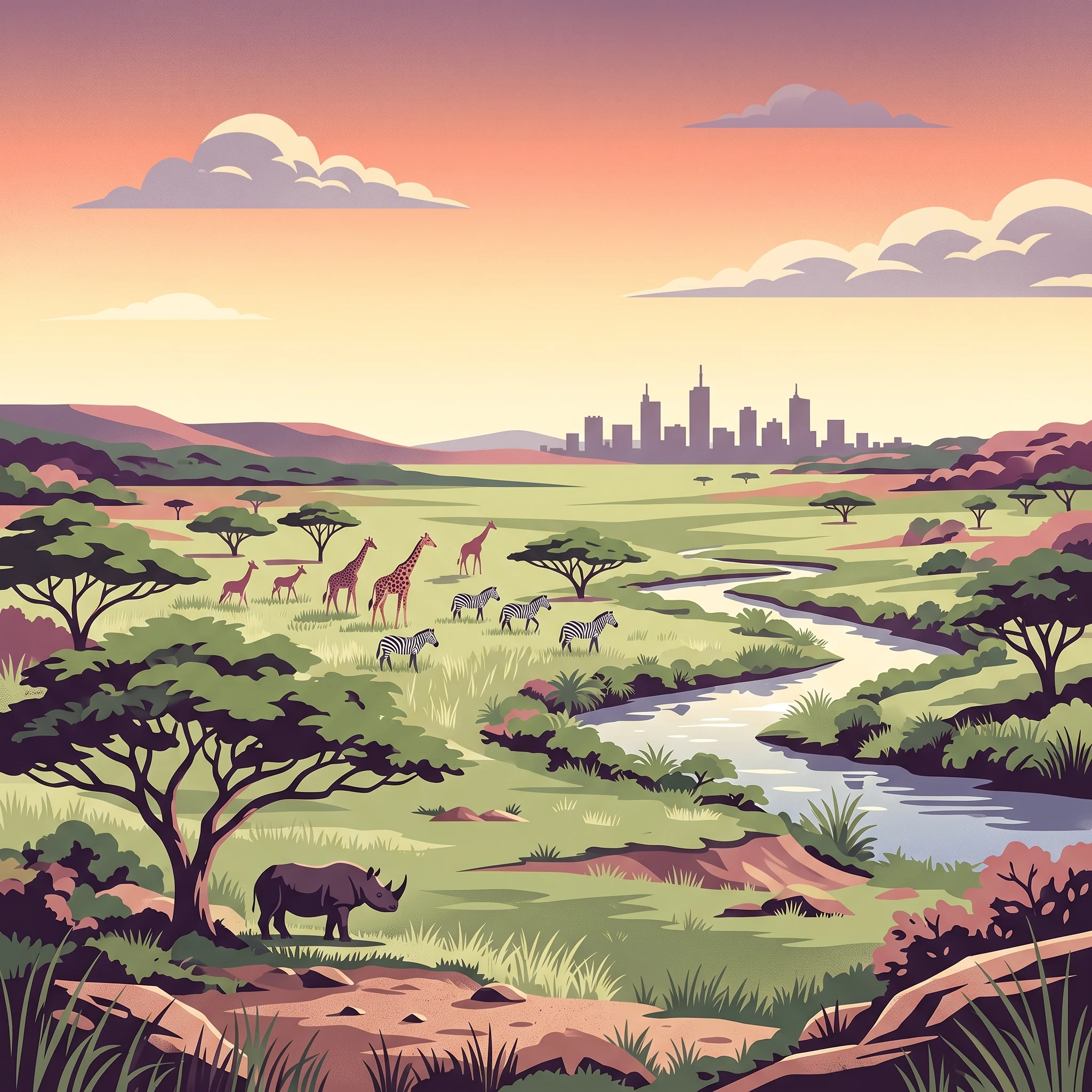
The experience of exploring the park is defined by the shifting accessibility of the open savanna and the density of wildlife near essential water sources. During the dry season, which typically spans from July to September, the landscape transforms into a classic, sun-scorched stage. The vegetation thins significantly, providing a clearer view of the plains where lions, rhinos, and large herds of zebra and wildebeest congregate around the park's dams. This is the period when the contrast between the wild interior and the nearby Nairobi city skyline is most pronounced, as the lack of foliage allows for unobstructed sightlines across the horizon. For visitors focused on spotting the park's black rhinoceros population, these drier months offer the most reliable conditions because the animals are less likely to disappear into dense, tall grasses.
Wildlife Sightings and Migration Patterns
The park's status as a migratory refuge means that the timing of your visit directly influences the frequency and variety of wildlife encounters. July and August often align with the movement of wildebeest and zebra through the park as they traverse between the Athi-Kapiti plains and the protected area. While the park is a year-round destination due to its resident population of rhinos and predators, these mid-year months are when the plains reach their highest activity levels. In contrast, during the transition into the wetter periods, the migratory herds may disperse outside the park boundaries into the southern grazing lands. If you are specifically hoping to witness these large-scale movements, focus your planning on the peak of the dry season, while keeping in mind that these patterns fluctuate naturally and are not guaranteed to occur within the same dates every year.
Engaging with Conservation Education and Walking Trails
Beyond game drives, the visitor experience includes established conservation sites such as the Nairobi Safari Walk and the animal orphanage. These facilities remain accessible throughout the year, but they offer distinct experiences depending on the climate. On clear, warmer days in February or September, walking through the Safari Walk is comfortable, allowing for a slower pace in an open-air environment. During the wetter months, such as April or May, the trails may be muddy, and the frequent rain showers can disrupt outdoor educational activities. Since these experiences are primarily for conservation awareness rather than wild game viewing, they provide a valuable alternative when weather conditions limit visibility in the main park areas. Always check with the relevant authorities regarding the operational status of these specific sites, as they may have different visiting hours or temporary closures compared to the main park gates. The Ivory Burning Site Monument and historical markers within the park boundaries remain accessible regardless of the season, providing a permanent historical connection to Kenya's conservation story that serves as an grounding point during your visit regardless of the time of year.
Visitor Priorities
Optimizing Your Nairobi National Park Safari by Travel Priority
Prioritizing Milder Temperatures and Comfortable Exploration
If your primary goal is to avoid the intense heat of the late-summer afternoons, focus your visit on the mid-year window of June through August. During these months, average maximum temperatures hover near 28 to 29 degrees Celsius, providing a notably cooler experience compared to the 32-degree peaks seen in February and March. This period also features the lowest humidity levels of the year, which makes the dry heat significantly more manageable for those planning extended time outdoors. The trade-off for these milder conditions is the presence of cooler mornings and evenings, where temperatures can dip toward 10 degrees Celsius. Visitors should prepare for these shifts by wearing layers, as early game drives in an open-sided vehicle can feel quite crisp before the sun climbs higher.
Targeting the Driest Conditions for Predictable Access
Travellers who prioritize clear, dry conditions and minimal interference from rainfall should target the months of July, August, and September. These months represent the most stable, low-precipitation period in the park, with averages often remaining well below one millimeter of rainfall per day. This consistency is ideal for those who prefer reliable travel logistics and want to avoid the potential for muddy tracks, which can occur during the wet season. However, the compromise here is a more arid, dusty landscape. While this thin vegetation dramatically improves wildlife visibility, the dust can be pervasive, particularly during transit on unpaved park roads. If pristine, lush, green backgrounds are a priority for your safari, you will find these months less visually appealing than the verdant periods immediately following the rainy seasons.
Seeking Longer Daylight and Warm, High-Sun Days
For those who prefer maximum daylight and consistently warm, sunny afternoons, the months of January, February, and October offer the best alignment. These months exhibit some of the year's highest daily maximum temperatures and longer periods of direct sunlight, generally reaching approximately 12 hours of daylight. February, in particular, stands out for its high-sun, hot-dry conditions that draw wildlife toward more permanent water sources. This heat can be intense, and midday temperatures require careful planning for hydration and sun protection. The trade-off is the limited respite from the sun, as the lack of cloud cover during these dry, hot months provides little shade during peak afternoon hours. If you are sensitive to high solar radiation, these months require a more structured approach to mid-day rest compared to the cloudier, cooler transition months.
Access and Logistics
Seasonal Access and Practical Planning for Nairobi National Park
Navigating Park Entry and Operational Realities
Access to Nairobi National Park is defined by its proximity to the capital, yet its operational management remains distinct from the urban infrastructure surrounding it. Because the park acts as a controlled conservation area, entry is strictly regulated. Travelers must verify current gate protocols, entrance fees, and the specific requirements for citizen, resident, and non-resident visitors directly through the Kenya Wildlife Service (KWS) before departing. Do not rely on third-party travel forums for current fee structures or permit requirements, as these are subject to administrative changes that may not be reflected in outdated online documentation.
Seasonal Route Considerations
While the park landscape features a network of tracks suitable for standard safari vehicles, the condition of these routes shifts significantly with the bimodal rainfall cycle. During the long rains in April and May, certain unpaved tracks may become muddy or temporarily restricted to prevent vehicle damage and erosion. Conversely, the dry, dusty months of July through September generally offer the most predictable transit across the park. Regardless of the season, there is no guarantee that every route remains open at all times. Visitors should check in at the main gate for up-to-date guidance on restricted zones, seasonal track closures, or areas designated as off-limits due to ongoing conservation efforts or wildlife management activities.
Planning for Proximity and Transport
Given the park's location just seven kilometers from the city center, logistics are relatively straightforward compared to remote Kenyan reserves. However, this proximity means that park access can be impacted by urban traffic patterns, especially during morning and evening rush hours. If you are planning a half-day game drive, build in extra time for transit to the gate. Visitors often rely on private hire vehicles or pre-arranged safari tours for entry. If you are hiring a vehicle or driver, confirm whether your service provider is fully licensed to operate within the park. Relying on unofficial transport can lead to complications at the gate, so ensure your operator provides clear confirmation of their status and documentation ahead of your visit.
Wildlife Sightings and Entrance Timing
While the park is accessible year-round, your entry time dictates your experience more than the season itself. Wildlife, particularly predators like lions and the park's signature rhinoceros, are most active during the cooler early morning hours. Aiming to be at the gate at opening time allows you to maximize your viewing window before midday temperatures rise. Please verify the current daily opening and closing hours, as these may vary depending on the time of year or specific park authority decisions. Relying on historical opening hours can lead to disappointment if park management has adjusted schedules for administrative or safety reasons.
Safety and Preparation
Seasonal Weather Safety and Safari Preparation for Nairobi National Park
Adapting to Seasonal Temperature Swings and Sun Exposure
The park elevation (between 1,533 and 1,760 meters) significantly influences daily temperature patterns, resulting in cool mornings and nights followed by warm, often intense midday periods. During the warmer months of January through March, when daily highs can exceed 30 degrees Celsius, visitors should anticipate high levels of solar radiation. Preparation for these periods is not just about temperature management, but about sun safety. Wearing lightweight, breathable long sleeves and wide-brimmed hats is more effective than relying solely on topical protection, particularly during extended game drives where you are exposed to the sun for hours. Because the park features open savanna landscapes with limited natural shade, the midday heat can be taxing. Plan your longest drives for the early morning or late afternoon when temperatures are milder.
Preparing for Muddy Terrain and Rain-Related Disruptions
Rainfall patterns, particularly during the peak of the long rains in April and May and the short rains in November, can dramatically alter track conditions. While the park is accessible throughout the year, internal roads can become saturated and slippery, especially in areas with black cotton soil which is notorious for poor drainage. When visiting during these windows, focus your preparations on footwear that is suitable for potentially muddy paths if you plan to utilize the walking trails or transit between facilities. Never attempt to drive through water-logged tracks or flooded low-lying areas, as these conditions are unpredictable and change rapidly based on localized rainfall. If your travel dates coincide with these months, monitor official park status updates regularly to understand which routes may be temporarily impassable.
Managing Daylight and Visibility Constraints
Daylight hours in the park remain relatively consistent, hovering around 12 hours throughout the year. However, the quality of light and visibility changes significantly based on the season. During the hazy, dry months, dust can become a factor on unpaved roads. If you suffer from respiratory sensitivities or allergies, the increased particulate matter in the air during the peak dry season from July to September may require extra awareness. Similarly, morning mist or thick cloud cover during the transitions between wet and dry seasons can reduce visibility, making it difficult to spot animals at distance. Always check the daily forecast, as changing wind speeds,often peaking around 5 meters per second,can influence how quickly weather systems and dust patterns move across the plains, affecting your visibility during a game drive.
Trip Decision Framework
How to Choose the Best Time for Your Nairobi National Park Visit
Deciding when to visit Nairobi National Park requires weighing your specific objectives against the distinct rhythm of the local climate. Because the park serves as a critical dry-season refuge, your timing effectively dictates the wildlife density you will encounter. If your priority is maximizing the chances of clear-sky game viewing, the period from July through September offers the most consistent weather conditions. During these months, the thinner vegetation and reliance on perennial water sources concentrate animal populations, making the park’s iconic rhinoceros, lions, and migratory herds significantly easier to track.
For travellers who prefer to avoid the peak dust and higher visitor numbers associated with the primary dry season, the transitional windows remain a compelling alternative. Early in the year, specifically January and February, provide warm, sunny days that offer excellent visibility, though you should expect higher temperatures compared to the mid-year months. Conversely, the cooler, damper months during the transitions often yield more dramatic landscapes and reduced heat, but these periods necessitate more flexibility regarding track conditions and activity scope. The lush, verdant environment that follows the rainy phases offers a different photographic appeal, characterized by vibrant scenery rather than the stark, open vistas found in the peak dry months.
Your final choice should be grounded in these clear, evidence-based trade-offs. If comfort and reliable, accessible transit are your primary goals, prioritizing the drier months reduces the likelihood of navigating difficult ground on the park’s black cotton soil. If you are comfortable with more variable weather and potential access limitations in exchange for a quieter, greener experience, the transition months serve as a viable middle ground. Regardless of when you choose to arrive, remember that regional climate trends describe long-term averages rather than daily certainties. Before finalizing your logistics, always confirm current operating hours, park entry requirements, and any localized alerts issued by the Kenya Wildlife Service. By aligning your expectations with these known seasonal patterns and maintaining a flexible approach to local conditions, you ensure a purposeful and well-prepared visit.