Why Periochi Agias Theklas - Liopetri stands out
Periochi Agias Theklas - Liopetri is best known as a Natura 2000 Special Protection Area on the southeastern coast of Cyprus that was established specifically to protect a community of 31 bird species. Its recognition is tied directly to avian biodiversity rather than to landscape or habitat-type protection, placing it among the smaller but ecologically targeted bird-focused protected sites in the Cypriot Natura 2000 network.
Periochi Agias Theklas - Liopetri history and protected-area timeline
The Periochi Agias Theklas - Liopetri site entered the formal conservation system when it was declared a Special Protection Area under the Natura 2000 framework in April 2008. Its designation was specifically tied to the protection of 31 animal species, all of them birds, reflecting Cyprus's obligations under the European Birds Directive to safeguard important sites for vulnerable and migratory avian fauna.
The site's establishment did not arise from a long history of prior national protection, but rather from a targeted biodiversity assessment that identified the area around Agia Thekla and Liopetri as supporting a notable concentration of bird species of European conservation concern. Once designated, the site became part of Cyprus's growing Natura 2000 network, contributing to the island's coverage of protected bird-relevant areas along its southern and southeastern coasts.
Periochi Agias Theklas - Liopetri landscape and geographic character
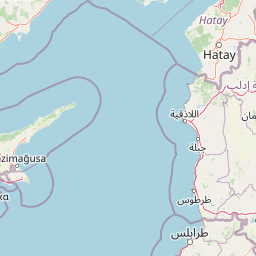
The landscape of the Periochi Agias Theklas - Liopetri area belongs to the southeastern coastal zone of Cyprus, in the broad setting of the Famagusta Bay region. Topography here is generally low-lying, with gentle transitions between coastal flats, lightly undulating inland terrain, and the margins of agricultural and rural landscapes typical of this part of the island.
Vegetation follows Mediterranean patterns, with a mix of low scrub, dry garrigue, scattered maquis, cultivated plots, and open ground that creates a varied but largely treeless coastal environment. The proximity to the sea shapes both the climatic conditions and the bird populations present, while the surrounding rural land use adds habitat edges and open foraging areas. There are no dramatic relief features within the protected boundary itself; the defining characteristic of the landscape is its coastal, low-lying Mediterranean character rather than any single striking landform.
Periochi Agias Theklas - Liopetri ecosystems, habitats, and plant life
Ecologically, Periochi Agias Theklas - Liopetri sits within the Mediterranean ecoregion and reflects the typical coastal habitat mosaic of southeastern Cyprus. The site is entirely terrestrial and, although it does not include any formally listed Natura 2000 habitat types, the broader ecological setting around it combines coastal flats, dry scrub, low garrigue vegetation, patches of taller maquis, and adjacent agricultural land.
This habitat mosaic supports the conditions that Mediterranean birdlife depends on, providing feeding, resting, and breeding opportunities across different seasons. The site works ecologically as part of the wider network of lowland coastal habitats that link Cyprus into the Mediterranean flyway, supporting species that depend on open ground, freshwater margins, and mixed land-use mosaics near the coast.
Periochi Agias Theklas - Liopetri wildlife and species highlights
The wildlife significance of Periochi Agias Theklas - Liopetri lies almost entirely in its bird fauna, since the site was specifically designated to protect 31 bird species. These range from wading birds and water-associated species to dry-ground and scrubland birds typical of Mediterranean lowlands.
Among the species associated with the site are the common sandpiper (Actitis hypoleucos), the common kingfisher (Alcedo atthis), the tawny pipit (Anthus campestris), the grey heron (Ardea cinerea), the purple heron (Ardea purpurea), the cattle egret (Bubulcus ibis), the Eurasian stone-curlew (Burhinus oedicnemus), the short-toed lark (Calandrella brachydactyla), the ruff (Calidris pugnax), the red-rumped swallow (Cecropis daurica), the Kentish plover (Charadrius alexandrinus), the common ringed plover (Charadrius hiaticula), the greater sandplover (Charadrius leschenaultii), the western marsh harrier (Circus aeruginosus), the common quail (Coturnix coturnix), the cream-colored courser (Cursorius cursor), the little egret (Egretta garzetta), the cinereous bunting (Emberiza caesia), the ortolan bunting (Emberiza hortulana), the black-winged stilt (Himantopus himantopus), Audouin's gull (Larus audouinii), the yellow-legged gull (Larus cachinnans), the black-headed gull (Larus ridibundus), the woodlark (Lullula arborea), the night heron (Nycticorax nycticorax), the European golden plover (Pluvialis apricaria), the pied avocet (Recurvirostra avosetta), the whinchat (Saxicola rubetra), the stonechat (Saxicola torquatus), the wood sandpiper (Tringa glareola), and the hoopoe (Upupa epops). The combination of waders, herons, and Mediterranean scrubland passerines gives the site a richly mixed bird community that spans freshwater-edge, open-ground, and scrubland habitats.
Periochi Agias Theklas - Liopetri conservation status and protection priorities
From a conservation standpoint, Periochi Agias Theklas - Liopetri is significant primarily because it is one of the small but targeted Special Protection Areas that together form the backbone of bird conservation on Cyprus. Its designation under the Natura 2000 network, with site code CY3000009, places it within the broader European effort to safeguard important areas for wild birds, including migratory, wintering, and breeding species.
The site's value is not related to formally listed habitat types, since it does not include any protected habitat categories under Natura 2000 standards. Instead, its conservation importance lies in the diversity of protected bird species that rely on it, ranging from waterbirds such as herons, egrets, and waders to dry-country birds like larks, buntings, and the hoopoe. By protecting this stretch of the southeastern Cypriot coast, the site contributes to maintaining ecological continuity along a key part of the eastern Mediterranean flyway and supports the long-term viability of bird populations that depend on the island.
Top sights and standout views in Periochi Agias Theklas - Liopetri
Periochi Agias Theklas - Liopetri stands out within Cyprus's protected-area network as a compact, bird-focused Natura 2000 site along the southeastern coast. Its designation for 31 bird species, including waders, herons, gulls, larks, buntings, and the hoopoe, gives it a clear ecological identity centered on Mediterranean avifauna. While the site does not protect named habitats, its bird-based designation ties it into the European flyway system and the wider Natura 2000 effort to maintain ecological connectivity across the Mediterranean basin.
Best time to visit Periochi Agias Theklas - Liopetri
Because Periochi Agias Theklas - Liopetri is primarily a bird-protection site, the most meaningful seasons to consider for visiting or observing its values are during spring and autumn migration, when the area hosts passage species moving along the eastern Mediterranean flyway. Winter can bring additional waterbirds and waders to the coastal zone, while late spring and early summer support breeding populations of Mediterranean scrubland and open-ground birds. Summer conditions in this part of Cyprus are typically hot and dry, shaping bird activity patterns toward dawn and dusk, while winter is mild by European standards. Visitors interested in ornithology or in understanding the site's conservation role will find the transitional seasons and cooler months generally most rewarding.