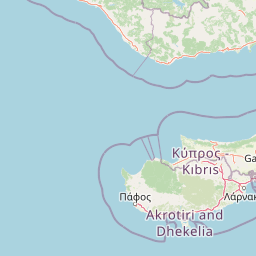
Why Periochi Kokkinokremmos stands out
Periochi Kokkinokremmos is best known for its dense concentration of Mediterranean habitats compressed into a small area, including thermophilic scrub, calcareous cliff vegetation, cypress-dominated forests, oriental plane and liquidambar galleries, and Mediterranean pine woodlands with endemic mesogean pines. The site is also notable for its conservation-focused role as a nesting and migratory bird refuge, supporting raptors such as Bonelli's eagle and the peregrine falcon, alongside many migratory and endemic species including the Cyprus wheatear.
Periochi Kokkinokremmos history and protected-area timeline
Periochi Kokkinokremmos was formally recognized as a Site of Community Importance through the Natura 2000 framework established under Council Directive 92/43/EEC of 1992, the European Union's primary legislation for the conservation of natural habitats and of wild flora and fauna. Its designation placed it within the broader European effort to assemble a coherent network of protected areas maintaining or restoring favorable conservation status for threatened habitats and species.
In Cyprus, the Natura 2000 network has served as a foundational tool for structured biodiversity conservation, complementing other national and supranational protections. Registered under the code CY5000002, the site joined this network as part of the island's contribution to pan-European habitat conservation, formalizing protection for its seven habitat types and 48 protected plant and animal species. Its establishment reflects both the recognition of the area's existing biodiversity value and ongoing concern about habitat fragmentation in the Mediterranean context.
Periochi Kokkinokremmos landscape and geographic character
The landscape of Periochi Kokkinokremmos is shaped by its Mediterranean setting within the interior of Cyprus, where carbonate bedrock and seasonal climatic rhythms give rise to a varied topography. The terrain combines rocky slopes and exposed cliff faces with vegetated valleys and gently sloped forest tracts.
Calcareous cliffs and rocky outcrops form dominant structural features, providing vertical habitat for chasmophytic vegetation adapted to grow in narrow crevices. These rocky elements contrast with lower-lying areas where gallery forests follow seasonal watercourses, softening the landscape with wider-leaved, moisture-loving trees such as oriental plane and liquidambar. The overall terrain pattern reflects the alternating dry, sun-exposed slopes and sheltered microhabitats typical of the island's Mediterranean uplands.
Periochi Kokkinokremmos ecosystems, habitats, and plant life
Ecologically, Periochi Kokkinokremmos belongs firmly to the Mediterranean ecoregion, where vegetation communities are shaped by hot, dry summers and mild, wet winters. The site's botanical character is defined by a layered mosaic of seven natural habitat types, ranging from low scrub to mature forest.
At the drier end, thermomediterranean and pre-desert scrubs occupy exposed slopes with low, drought-tolerant woody vegetation. Calcareous cliffs add vertical habitat with specialist plants rooted in rock fissures. Cypress-dominated woodlands occupy middle elevations, alongside Mediterranean pine forests that host endemic mesogean pines of regional biogeographic importance. Olive and carob formations reflect long-standing cultural-natural landscapes, while relict galleries of willow, poplar, oriental plane, and oriental liquidambar occupy the most sheltered microhabitats and contain some of the more uncommon elements of the site's flora. The presence of the protected plant Phlomis brevibracteata and an additional 16 inventoried plant species highlights the botanical richness compressed within the area.
Periochi Kokkinokremmos wildlife and species highlights
The wildlife significance of Periochi Kokkinokremmos is heavily weighted toward bird conservation, with 47 protected species formally recognized under the site's Natura 2000 designation. These include resident raptors such as Bonelli's eagle and the peregrine falcon, soaring species like the griffon vulture, and broad-scoped predators including the long-legged buzzard and honey buzzard.
Migratory and passage species form another major element of the bird community. Species such as the European honey buzzard, common crane, demoiselle crane, red-footed falcon, lesser kestrel, and several harriers pass through or use the area seasonally. The site's breeding and stopover value is further supported by a long list of passerines including the European roller, red-backed shrike, lesser grey shrike, woodchat shrike, European bee-eater, Eurasian golden oriole, common cuckoo, Eurasian hoopoe, common nightjar, and several warbler and wheatear species. The presence of the endemic Cyprus wheatear (Oenanthe cypriaca) adds particular regional significance, as this species is restricted to the island.
Periochi Kokkinokremmos conservation status and protection priorities
Periochi Kokkinokremmos holds conservation value as part of the European Natura 2000 network, the largest coordinated network of protected areas in the world. Its designation under the EU Habitats Directive reflects formal recognition of habitat types and species in need of protection at the European scale. By formally protecting seven habitats and 48 plant and animal species, the site contributes to broader goals of maintaining and restoring favorable conservation status across the Mediterranean.
The conservation framework also links the site to ongoing monitoring and reporting obligations at the EU level, ensuring that its ecological condition remains subject to structured assessment. In the broader Cypriot and regional context, small sites like Periochi Kokkinokremmos help maintain habitat connectivity and act as refugia for species that depend on Mediterranean structural diversity, including elements of forest, cliff, and gallery ecosystems that have been progressively reduced elsewhere on the island.
Top sights and standout views in Periochi Kokkinokremmos
Periochi Kokkinokremmos stands out for the unusual ecological density it achieves within a small footprint, bringing together seven distinct Mediterranean habitat types, from thermophilic scrub and cliff vegetation to relict tree galleries and Mediterranean pine forests with endemic pines.
The site is also distinguished by its strong bird-focused conservation profile, hosting protected populations of Bonelli's eagle, peregrine falcon, griffon vulture, the endemic Cyprus wheatear, and dozens of other protected species drawn from across Europe's migratory and resident avifauna.
Best time to visit Periochi Kokkinokremmos
As a small, rocky and forested Mediterranean site, Periochi Kokkinokremmos is best appreciated in spring, when cooler temperatures support active bird migration and breeding activity, wildflowers are at their peak in scrub and cliff microhabitats, and the landscape retains moisture that softens an otherwise rugged setting. Late autumn can also be productive, as reduced foliage improves visibility in gallery forests and woodland edges, and seasonal migrants pass through the area.