
A comprehensive index of alpine peaks, glacial cirques, and wilderness waterways.
Named Natural Features and Geographic Landscapes of the Popo Agie Wilderness in Wyoming
Explore the structured catalog of natural formations associated with the Popo Agie Wilderness within the southern Wind River Range. This collection documents the rugged terrain, from the granite towers of the high-alpine interior to the expansive subalpine basins and glacial lakes that define the Greater Yellowstone Ecosystem. By tracking these distinct landforms and waters, this resource provides geographic context for the wilderness beyond its primary protected boundaries.
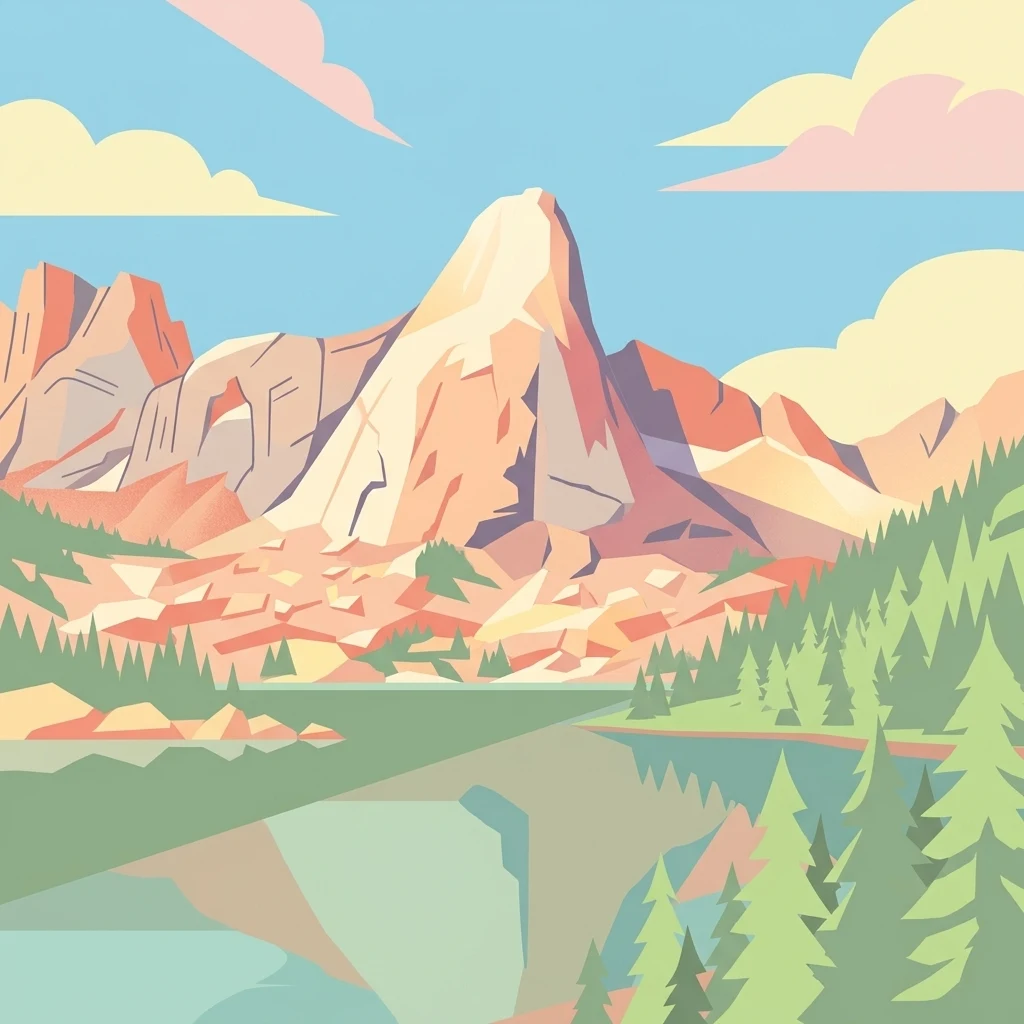
Relate Popo Agie Wilderness features to mountain cliffs, forest, lakes, and rivers
Mountain cliff, forest, lake, river, and island records in Popo Agie Wilderness
Geographic structures and alpine range connections
Mountain ranges
Browse the mountain range features associated with the Popo Agie Wilderness. This collection highlights the structural diversity and interconnected ridges, massifs, and basins that define the high country geography of this protected wilderness.
Explore the Protected Landscapes of the Popo Agie Wilderness
Deepen your understanding of the Popo Agie Wilderness through its mapped alpine geography and high-country terrain. Discover how this massive protected area in the Wyoming Wind River Range contributes to the broader Greater Yellowstone Ecosystem and shapes the surrounding mountain landscape.