Why Prameniště Jankovského potoka stands out
The reserve is especially known for its well-preserved spring headwaters of the Jankovský potok stream and for a complex of oligotrophic, peat-influenced, and moist meadows that have been maintained through long-running conservation management. It stands out among Czech wetland sites because of its combination of nutrient-poor plant communities and exceptionally rare fauna, including the freshwater pearl mussel, the common snipe, and several highly localized butterflies. A defining feature is the historical and ongoing effort to restore the freshwater pearl mussel population through captive breeding and reintroduction, an unusual conservation initiative that has shaped the reserve's modern management identity.
Prameniště Jankovského potoka history and protected-area timeline
The area that now forms the Prameniště Jankovského potoka nature reserve has a long history of human influence that extends back to the 13th and 14th centuries, when deforestation of the surrounding slopes began. The cleared land was subsequently used for extensive agriculture, and over the centuries this traditional land use helped create and sustain the open, meadow-rich landscape that characterizes the site today.
From a formal protection perspective, the territory became part of the national natural monument Jankovský potok in 1992, giving it an initial layer of legal safeguarding at the national level. Beginning in 1993, targeted conservation interventions have been carried out, focused particularly on maintaining the valuable wet meadows and the condition of the stream itself. These long-running management efforts have shaped the ecological character of the site and continue to influence its present-day condition.
A particularly notable chapter in the reserve's history involves the freshwater pearl mussel, a highly threatened European species. Conservation measures for the mussel population have been a central part of the site's management for decades. Among the most significant interventions was the reintroduction in 2005 of individuals raised in a captive breeding facility on the Blanice, an effort aimed at reinforcing the local population of this critically imperiled mollusk. The reserve's current independent status, granted in 2018, reflects a recognition of the site's distinct ecological importance and the success of these long-term conservation initiatives.
Prameniště Jankovského potoka landscape and geographic character
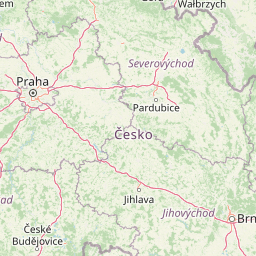
The landscape of Prameniště Jankovského potoka is shaped by the spring area of the Jankovský potok stream and the gently sloping terrain that surrounds it. Elevations within the reserve range roughly from 590 to 670 meters above sea level, placing it firmly within the upland character of the Bohemian-Moravian Highlands. The terrain is not dramatic in elevation but is defined by subtle hydrological variation, with groundwater emerging from the slopes to feed a network of wet meadows, sedge stands, and peat-influenced zones.
The stream itself flows through a narrow floodplain that anchors the reserve's geography. This valley bottom contrasts with the drier surrounding slopes and creates a clear ecological gradient from saturated, peat-forming ground near the channel to drier, more species-poor grasslands further upslope. The floodplain acts as both a hydrological and biological corridor, concentrating moisture, nutrients, and biological activity into a comparatively narrow belt.
Human land use has left a visible imprint on the scenery. Formerly forested slopes, opened up during medieval colonization, have been maintained as open meadows, giving the reserve a semi-open, pastoral appearance interrupted by willow and alder stands along the stream and by isolated patches of surviving woodland. The overall impression is of a quiet, gently undulating highland landscape where the interplay between water, meadow, and historical human activity defines the visual character of the site.
Prameniště Jankovského potoka ecosystems, habitats, and plant life
Ecologically, Prameniště Jankovského potoka is defined by oligotrophic communities, meaning plant and animal assemblages adapted to soils and waters with low nutrient availability. This nutrient-poor condition is a key driver of the site's botanical richness, as it favors specialized species that cannot survive in more fertile, more heavily disturbed environments. The reserve's habitat mosaic includes wet meadows, peat-influenced grasslands, sedge-dominated mires, and mat-grass (smilkové) communities, each contributing to a layered ecological profile.
The spring area and stream itself support a distinct set of aquatic and wetland-dependent species. Cold, clean, mineral-poor groundwater emerging at the head of the Jankovský potok creates conditions suitable for organisms that depend on stable water quality, including sensitive mollusks and amphibians. The floodplain functions as a transitional zone between fully aquatic and terrestrial habitats, sustaining a continuous gradient of moisture conditions that supports both wetland plants and the animals that rely on them.
Because much of the reserve's habitat has been maintained through active conservation management rather than abandonment, the ecological communities here reflect a deliberate balance between preserving existing conditions and managing succession. This management continuity has helped the site retain its oligotrophic character at a time when many similar meadow and mire habitats across central Europe have been lost or degraded.
Prameniště Jankovského potoka wildlife and species highlights
The reserve is a significant refugium for moisture-loving and wetland-dependent animals. Its species of particular conservation interest include the common snipe, a wading bird closely associated with soft, waterlogged meadows; the Eurasian otter, a top predator of clean stream systems; and the alpine newt, an amphibian typical of cool, spring-fed environments. The presence of these species reflects the integrity of both the wet meadow habitats and the stream itself.
Lepidoptera are also well represented. The false heath fritillary and the dusky large blue are among the notable butterflies documented at the site, both of which depend on very specific combinations of host plants, hydrology, and microclimate that are only found in well-preserved wet meadow complexes. Their occurrence here is a strong indicator of habitat quality and continuity.
The most ecologically significant animal in the reserve, however, is the freshwater pearl mussel, a species that has declined catastrophically across much of Europe. The reserve's population has been the focus of long-term conservation action, including a 2005 reintroduction of captive-bred individuals from the Blanice breeding facility. This work has given the site an outsized importance for the regional survival of the species and makes it one of the more closely monitored freshwater mussel sites in the Czech Republic.
Prameniště Jankovského potoka conservation status and protection priorities
From a conservation perspective, Prameniště Jankovského potoka is important because it concentrates multiple rare and threatened habitat types into a small, manageable area. The combination of oligotrophic plant communities, peat-influenced meadows, and a near-natural stream creates a layered set of conservation objectives that are unusually concentrated for a reserve of this size. Its designation as a national nature reserve in 2018, after decades as part of a broader national natural monument, reflects growing recognition of the site's distinct ecological value.
Management at the site has been continuous since the early 1990s, with interventions aimed at maintaining open wet meadow habitats, regulating water conditions along the stream, and preventing succession by woody species. This long-term, active management has been essential to keeping the reserve's oligotrophic communities intact, as these habitats depend on regular disturbance and traditional mowing practices to persist.
The most distinctive element of the reserve's conservation profile is its work for the freshwater pearl mussel. Once widespread across central Europe, the species has been eliminated from many of its former river systems, and surviving populations require intensive protection. The 2005 reintroduction of captive-bred mussels from the Blanice facility marked a milestone in this effort and positioned the reserve as one of the focal points for pearl mussel conservation in the Czech Republic. The site's broader significance lies in its role as a refuge for species that depend on a combination of clean water, low nutrient levels, and traditionally managed meadows, a combination that has become increasingly rare across the European landscape.
Prameniště Jankovského potoka cultural meaning and human context
The cultural dimension of Prameniště Jankovského potoka is closely tied to centuries of rural land use. The area has been shaped by human activity since the 13th and 14th centuries, when colonization brought widespread deforestation of the surrounding slopes. The cleared land was then maintained through extensive, low-intensity agriculture, particularly haymaking on the wet meadows along the stream.
This traditional land management is not merely a historical backdrop; it remains ecologically significant today. Without the continuation of mowing and related practices, the open meadow character that supports so many of the reserve's species would gradually be lost to scrub and woodland succession. The site thus represents a place where long-standing rural practices and modern conservation management overlap, with traditional land use serving as an active tool for biodiversity preservation rather than as a relic.
Top sights and standout views in Prameniště Jankovského potoka
The reserve's main highlights include its well-preserved spring headwaters of the Jankovský potok, its oligotrophic meadow and peatland plant communities, and the unusual concentration of rare wetland-dependent species found in such a compact area. Equally notable is the freshwater pearl mussel reintroduction program, which has made the site regionally important for mollusk conservation.
The site's other strengths lie in its long continuity of conservation management. Decades of targeted intervention have helped stabilize the wet meadows and the stream system, creating conditions in which sensitive species such as the dusky large blue, the false heath fritillary, and the Eurasian otter can persist. Few Czech reserves of comparable size combine such a high concentration of rare species with such consistent, management-led protection.
Best time to visit Prameniště Jankovského potoka
The character of the reserve shifts meaningfully with the seasons, and visitors familiar with central European wetland landscapes will find different qualities throughout the year. Late spring and early summer are typically the richest periods for botanical interest, as wet meadows come into flower and the full diversity of the plant communities becomes visible. These months also offer the most active period for many of the reserve's invertebrates, including rare butterflies.
Summer brings the most extensive greenery and the fullest expression of the meadow landscapes, though it can also coincide with mowing activities associated with conservation management. Autumn tones the meadows and surrounding vegetation into warmer colors, while quieter conditions may make wildlife observation easier, especially for species along the stream corridor. Winter generally offers the least biological activity but the clearest view of the site's hydrological structure, with the spring area and stream channel standing out against the dormant vegetation. Because the reserve is a protected natural area with sensitive habitats, any visit should be undertaken with care for the ground conditions, particularly along wet and peat-forming sections.