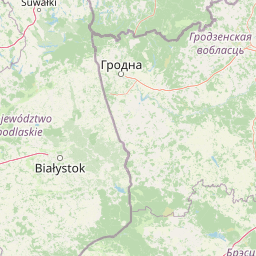

Why Puszcza Białowieska stands out
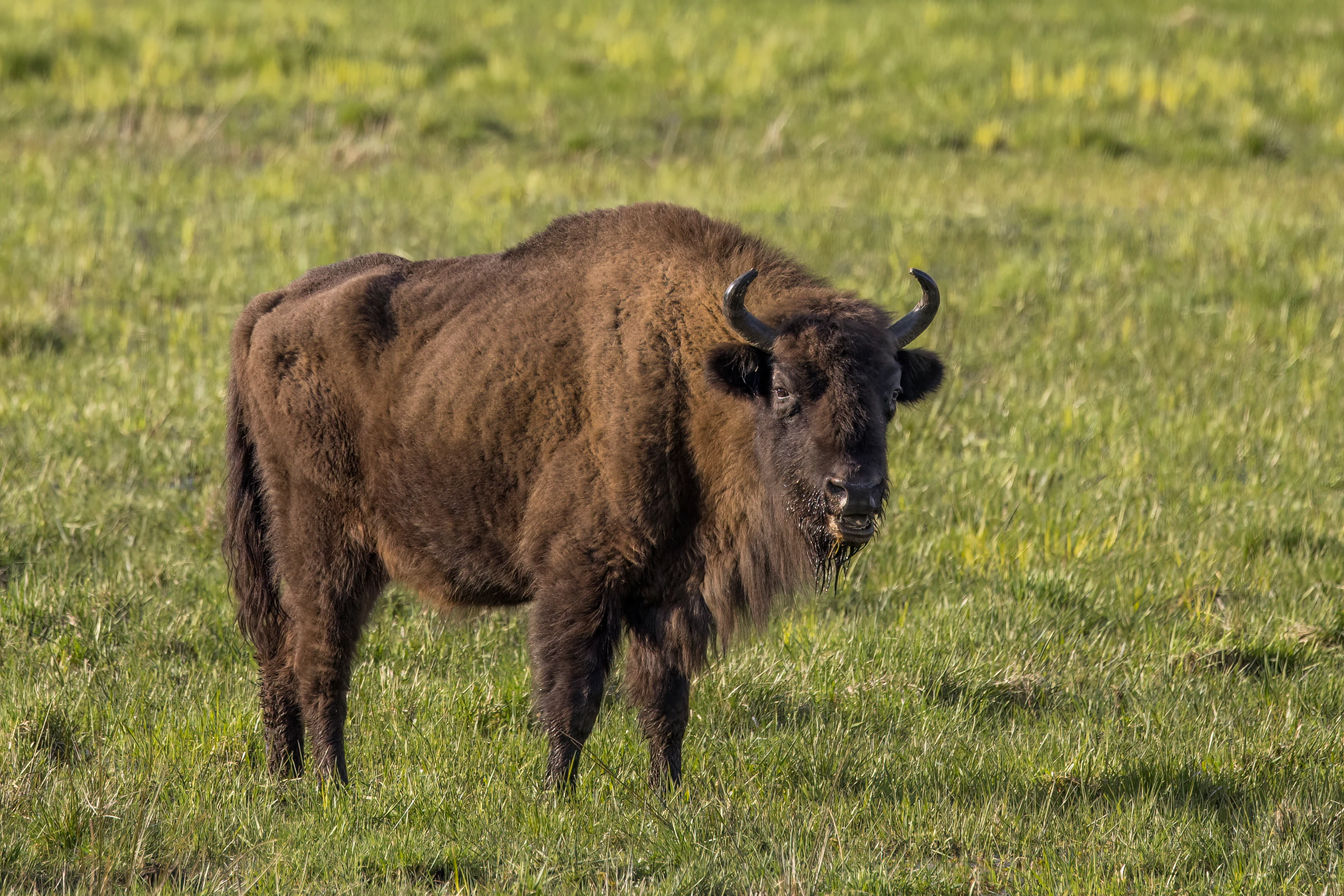
Puszcza Białowieska is best known for being the largest surviving tract of primeval and old-growth lowland forest in lowland Europe, distinguished by multi-layered stands, abundant deadwood, and continuous natural regeneration. It is recognized globally as the sanctuary of the European bison, whose wild population here is the largest anywhere, and for the coexistence of large carnivores including wolves and Eurasian lynx. Equally central to its identity is its extraordinary biodiversity at every level, from fungi and lichens to beetles, butterflies, and one of the richest forest bird communities on the continent, including nine woodpecker species. The forest's combination of close-to-natural forest dynamics, reintroduced and persistent megafauna, and centuries of regulated protection defines what makes it ecologically unique and scientifically irreplaceable.
Puszcza Białowieska history and protected-area timeline
The history of Puszcza Białowieska stretches back to the late Pleistocene and early Holocene, when the region transitioned from tundra-like vegetation to birch, pine, and later broadleaf forests as glaciers retreated. Continuous forest cover developed at the end of the last glaciation, with successive waves of tree species shaping today's species composition after thousands of years of natural selection. The earliest documented human traces in the area date from the Neolithic, around 4500 years ago, with sparse farmsteads and small-scale iron smelting using bog ore appearing in later prehistoric periods.
From the early fifteenth century onward, the forest became a royal hunting ground for the dukes of Lithuania and the kings of Poland. Woodland law was enforced by specialized forest guards, who regulated access and protected game across a network of hunting refuges and corridors. Royal hunts of Władysław Jagiełło in 1409 and 1426 are the earliest written records of the forest and already emphasize its megafauna, particularly the European bison. Successive monarchs, including Sigismund the Old, Sigismund Augustus, Stefan Batory, and the Saxon kings Augustus II and Augustus III, refined this system of regulated protection while occasionally permitting limited industrial exploitation such as tar burning and timber rafting.
After the partitions of the Polish-Lithuanian Commonwealth, the forest passed to Russian imperial control, where initial overexploitation under Catherine II and Paul I was followed in 1802 by renewed protection under Alexander I. The nineteenth century saw modern forestry management introduced, culminating in the construction of the imperial hunting palace in Białowieża and the creation of a vast game park. The forest suffered severe damage during both World Wars; German occupation in 1915 to 1918 and again from 1941 to 1944 involved massive timber extraction, and the last free-ranging bison fell in 1919.
Post-war conservation began with the formal establishment of the Białowieża National Park in 1932 and the experimental reintroduction of European bison from zoo stock, a process that produced today's wild herds. Following World War II the Polish and Belarusian sides diverged sharply, with the Soviet authorities protecting most of their territory while intensive logging prevailed across much of the Polish portion. UNESCO World Heritage inscription in 1979 and the expansion of the Biosphere Reserve in 2005 reflected international recognition of the forest's outstanding value. The early twenty-first century brought renewed controversy over active forest management and bark beetle control, culminating in 2017 to 2018 decisions by the European Court of Justice that halted large-scale logging, reinforcing the legal framework for protection of this ancient woodland.
Puszcza Białowieska landscape and geographic character
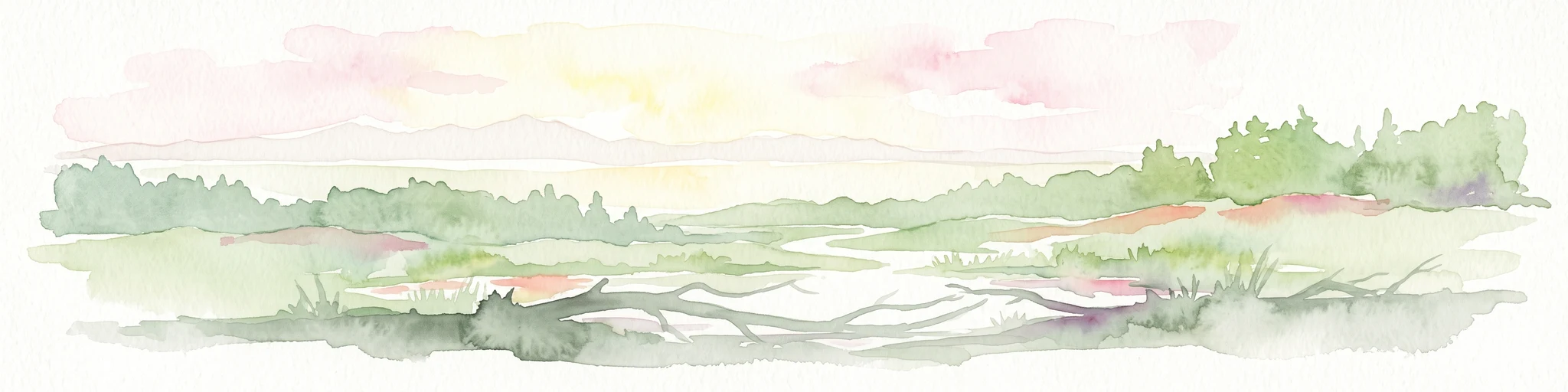
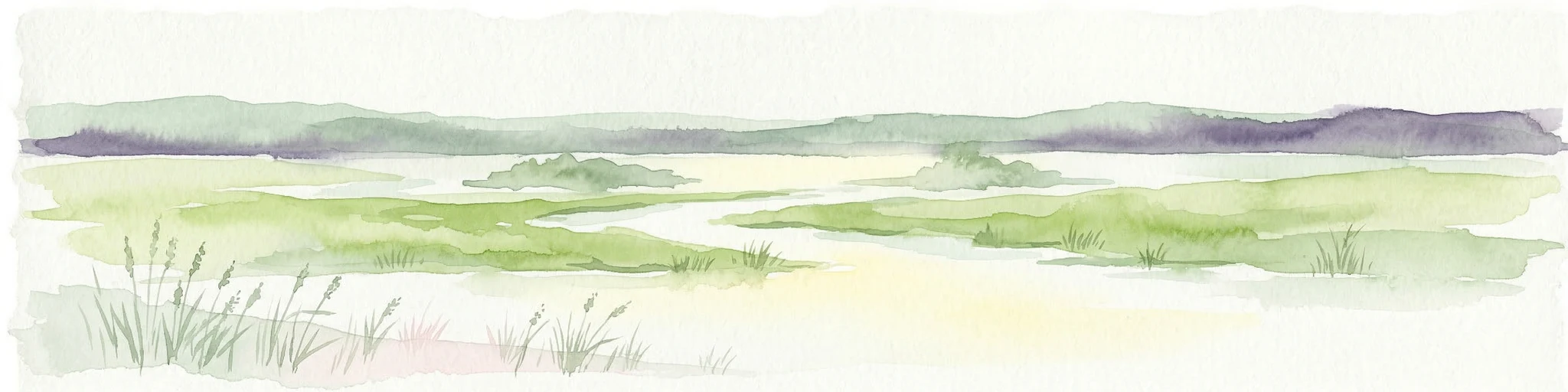
The landscape of Puszcza Białowieska is dominated by gentle, undulating terrain shaped by the retreat of the Middle Polish glaciation. The forest rests on ancient morainic uplands with flat till plains, rolling ablation moraines, and patches of outwash sands, all grouped into four major landscape types that determine soil conditions and vegetation. Roughly 40 percent of the Polish part consists of flat, loamy ground-moraine plains covered by deciduous oak-lime-hornbeam forest, the most characteristic and biologically diverse landscape unit of the forest.
Sand-dominated ablation moraines, around 30 percent of the Polish area, form slightly higher watershed heights supporting mixed coniferous forest and dry, lichen-rich pine communities, including rare thermophilous oakwoods and xerothermic grasslands. Around 17 percent consists of low-lying biogenic plains along the rivers, occupied by ash-alder floodplain forests, raised bog fragments, and bog-spruce woodlands, while sandy aeolian plains and dunes account for the remaining 11 percent of the mosaic. On the Belarusian side, the eastern extremity of the complex contains extensive raised, transitional, and lowland peat bogs that form a regionally distinctive bog landscape rarely seen on the Polish side.
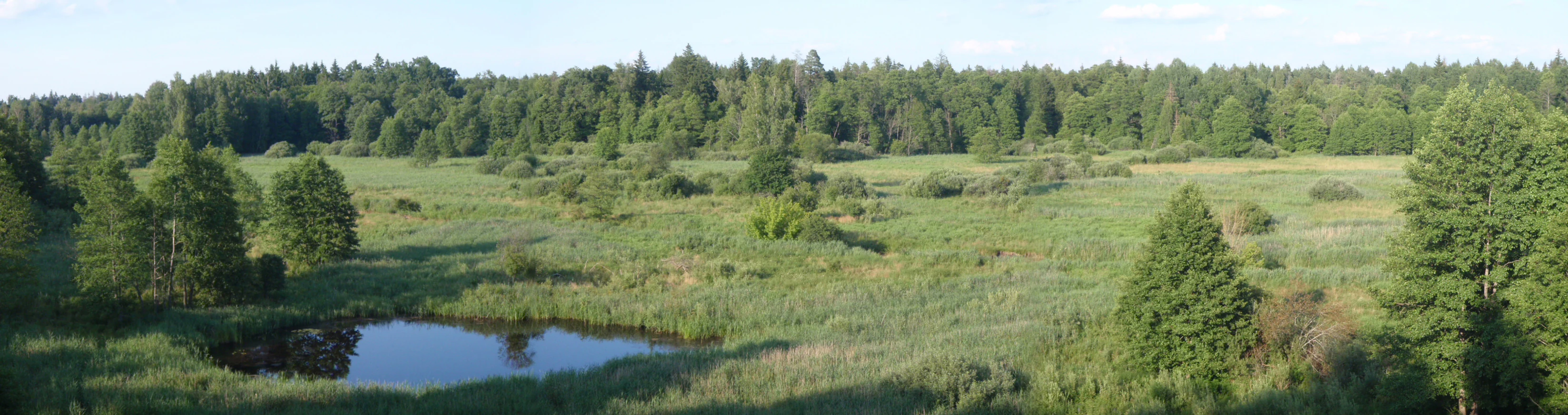
The hydrological network is shaped by the Narew and Bug basins, with the Narewka and Leśna Prawa serving as the principal rivers and many smaller, partly seasonal streams. These rivers carve broad, flat valleys that form natural corridors for wildlife movement and create the moist, periodically flooded conditions essential to the forest's riparian vegetation. Small artificial reservoirs, meadows, and ancient clearings known as polanas break the otherwise continuous canopy, while scattered glacial erratic boulders and a few rocky outcrops add geo-morphological variety.
Puszcza Białowieska ecosystems, habitats, and plant life
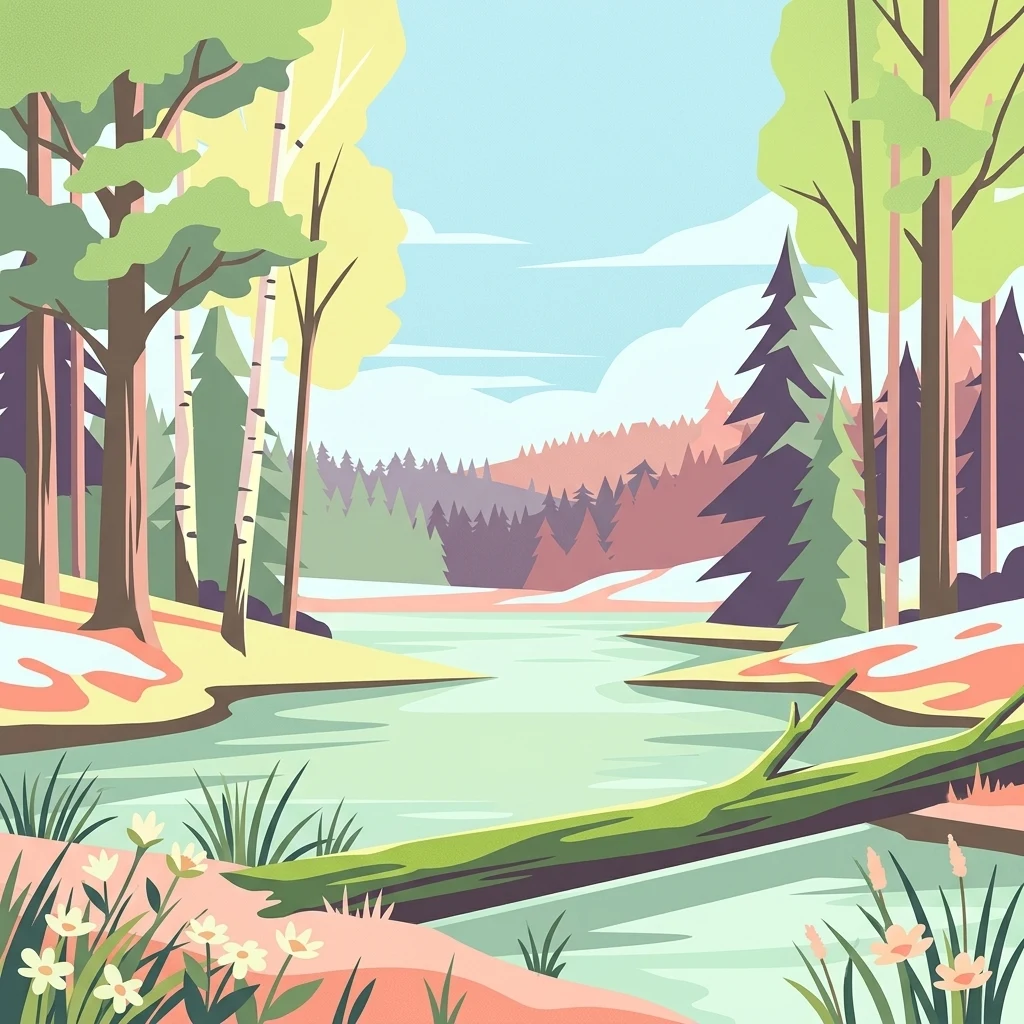
Puszcza Białowieska shelters one of the most complete temperate lowland forest ecosystems in Europe, with habitats ranging from dry pine and lichen-rich barrens through mixed oak-pine forests to permanently waterlogged alder and spruce swamps. Roughly half of the forest's area in Poland is covered by oak-hornbeam and oak-lime forests, with coniferous and mixed stands on drier sites, while peatland and floodplain habitats host specialized bog and swamp communities. Continuous forest cover and a century-long legacy of limited commercial use have allowed the development of multi-aged stands with large volumes of standing and lying deadwood.
The vegetation includes more than a thousand vascular plant species, around two hundred mosses, fifty liverworts, and roughly four hundred lichen species. Among these are boreal and sub-boreal relicts such as Linnaea borealis, Betula humilis, Salix myrtilloides, and Saxifraga hirculus, of which some reach their southern European limits here. The forest is particularly notable for its rich orchid flora, with more than twenty orchid species including the critically endangered ghost orchid, and for its abundance of rare protected species linked to old-growth conditions such as Pulsatilla patens and Thesium ebracteatum.
Mushroom diversity is exceptional, with estimates of up to four thousand fungal species, of which a substantial share are saproxylic and dependent on deadwood. The forest's combination of old trees, large logs, and undisturbed microclimate supports many species found nowhere else in Poland, including the famously rare Rhodotus palmatus and others tied to ancient woodland conditions that have largely disappeared elsewhere in Central Europe's managed forests.

Puszcza Białowieska wildlife and species highlights
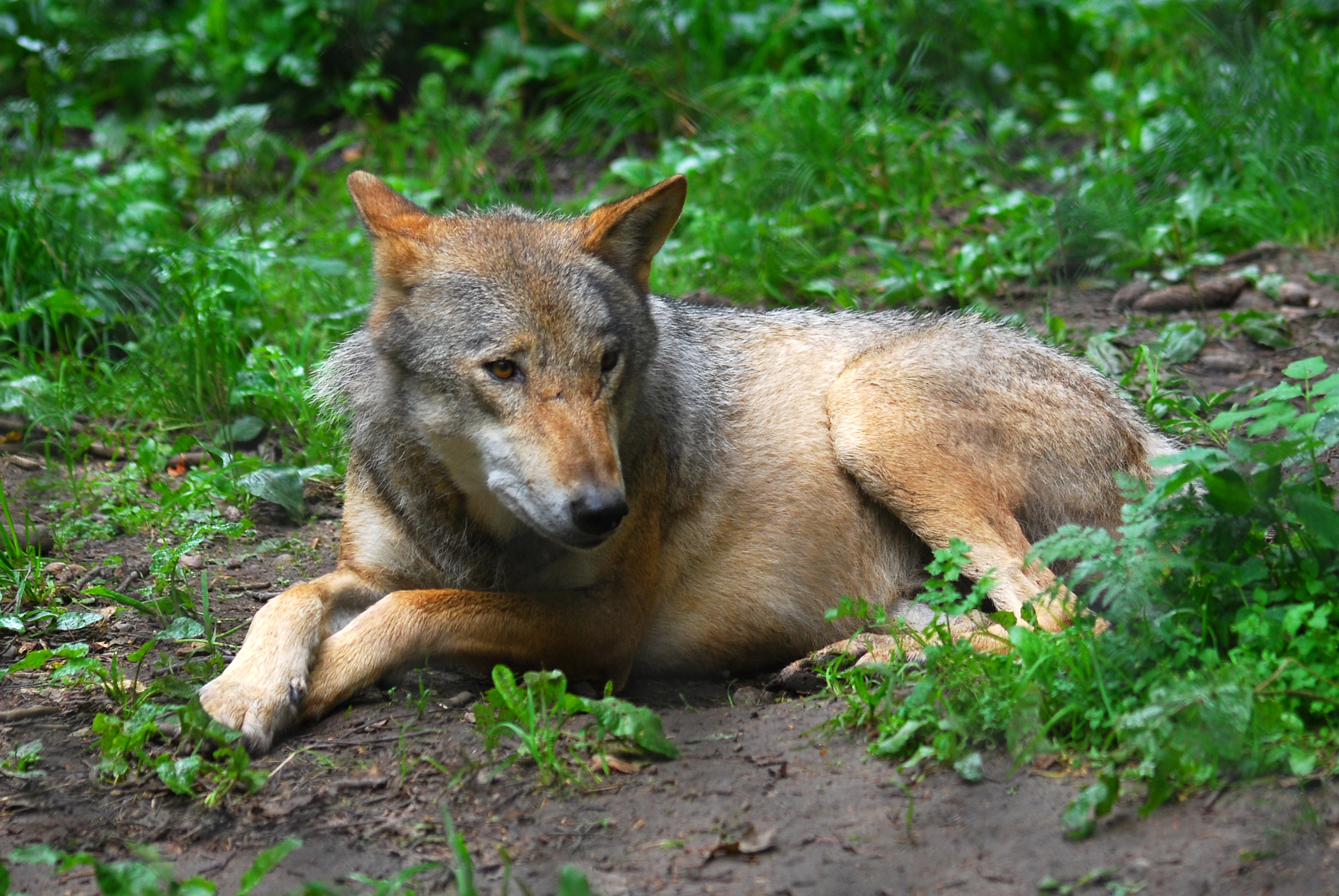
The wildlife of Puszcza Białowieska is one of the richest and most ecologically intact in lowland Europe, with around sixty mammal species, approximately 260 bird species of which around 240 breed locally, twelve amphibian species, seven reptile species, and a fish fauna of about thirty species inhabiting its rivers and ponds. The forest is most famous for the European bison, whose free-ranging population here is the largest in the world, but it is equally important for its predator guild: wolves form several packs across the complex, while a small, isolated population of Eurasian lynx lives partly on the Polish side and partly in Belarus.
The herbivore community includes red deer, roe deer, wild boar, and small numbers of moose, while the very large rodent assemblage is dominated by the bank vole and yellow-necked mouse. Beavers are key ecosystem engineers in the forest's waterways, transforming riparian habitats and supporting an exceptionally rich community of aquatic insects, fish, and amphibians. Thirteen bat species inhabit the forest, with several depending on the old hollow trees and veteran oaks that are abundant in the strict protection zone.
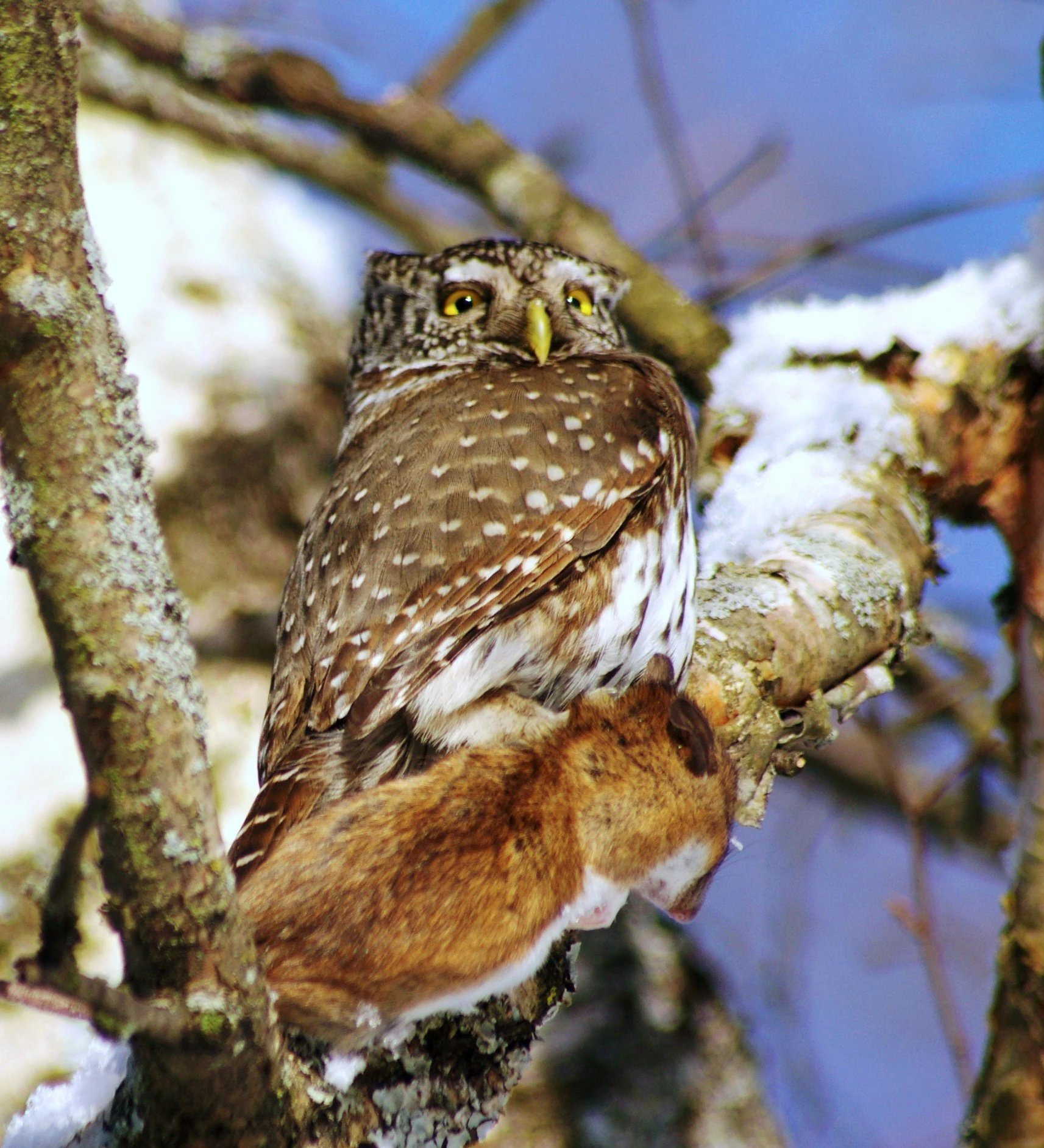
The forest's bird community is remarkable. Puszcza Białowieska hosts Europe's most fully developed guild of forest-interior birds, including nine woodpecker species such as the white-backed, three-toed, and middle spotted woodpeckers, plus iconic forest owls like the Eurasian pygmy owl, Tengmalm's owl, and the Ural owl. Raptors are well represented, including lesser spotted eagles, honey buzzards, and the rare Booted Eagle. The site is also a crucial refuge for wetland and meadow birds, including aquatic warbler in the bog-rich Belarusian sector, and supports large breeding populations of black stork, common crane, and several nationally important passerines.
Puszcza Białowieska conservation status and protection priorities
Puszcza Białowieska has been formally protected since the early fifteenth century and now forms one of the most heavily layered conservation landscapes in Europe. The forest is anchored by the strictly protected core of the Białowieża National Park on the Polish side and the Belovezhskaya Pushcha National Park on the Belarusian side, while the surrounding managed forest is overseen as a Forest Promotional Complex with aims to maintain ecological continuity. Across roughly half the forest area, nature reserves, protective zones around rare species such as black stork, lesser spotted eagle, and Ural owl, and a dense network of individual tree protections safeguard key ecological features.
On the international stage, the forest has been a UNESCO World Heritage site since 1979, was recognized as a Biosphere Reserve in 1977 and expanded to cover the entire Polish part of the forest in 2005, and forms a core component of the European Natura 2000 network. BirdLife International lists it as an Important Bird Area, and the forest supports significant national populations of species listed under Annex I of the EU Birds Directive. Conservation efforts focus on sustaining natural forest dynamics, maintaining deadwood and old trees, restoring hydrology in former meadows, and creating ecological corridors that connect the forest with neighboring woodland complexes.
The forest is also at the center of broader debates about active management versus strict protection, particularly regarding the spruce bark beetle outbreaks of the early twenty-first century. Logging controversies culminated in 2017 and 2018 rulings by the European Court of Justice that prompted Poland to halt large-scale interventions in the Natura 2000 area, reinforcing the legal weight of EU habitat and bird protections. Today, Puszcza Białowieska is treated both as a working example of long-term forest protection and as a politically contested reference case for how European primary forests should be conserved into the future.
Puszcza Białowieska cultural meaning and human context
Puszcza Białowieska carries a deep cultural legacy rooted in centuries of royal hunting tradition, regulated forest use, and the rural communities that have lived at its edges. Medieval kings of Poland and Lithuania prized its game and codified elaborate hunting privileges that effectively functioned as early conservation law, while authorized local uses such as gathering deadwood for fuel, cutting meadow hay, and traditional beekeeping in hollow trees shaped both the forest's structure and the regional economy. The old craft of tree beekeeping, with bee colonies kept in specially carved trunk hives known as barci, is still remembered in museums and cultural exhibits around Białowieża.
The forest has also been a stage for major historical events, from royal hunts of the Jagiellonian and Saxon kings to the devastation of both World Wars, when occupying armies exploited its timber on an industrial scale and forcibly displaced local villages. Twentieth-century history saw the forest become a symbol of ecological renewal through the painstaking international effort to save the European bison from extinction, an endeavor that has become a foundational story in modern European wildlife conservation. Today, Białowieża village and the surrounding forest combine scientific research institutions, traditional rural landscape, and tourism focused on wildlife observation, all within a setting shaped by the long interplay between people, monarchy, and the natural world.
Top sights and standout views in Puszcza Białowieska
Primeval lowland oak-lime-hornbeam forests with multi-aged stands and abundant deadwood represent the forest's most distinctive ecological treasure. The world's largest free-roaming population of the European bison gives the complex an unmatched megafauna profile, while the presence of Eurasian lynx alongside several packs of wolves confirms a fully functional large predator community. The nine-species woodpecker guild, the rich assemblage of forest-interior owls, and the exceptional diversity of saproxylic fungi and beetles mark this out as a globally significant site for forest species conservation.
Best time to visit Puszcza Białowieska
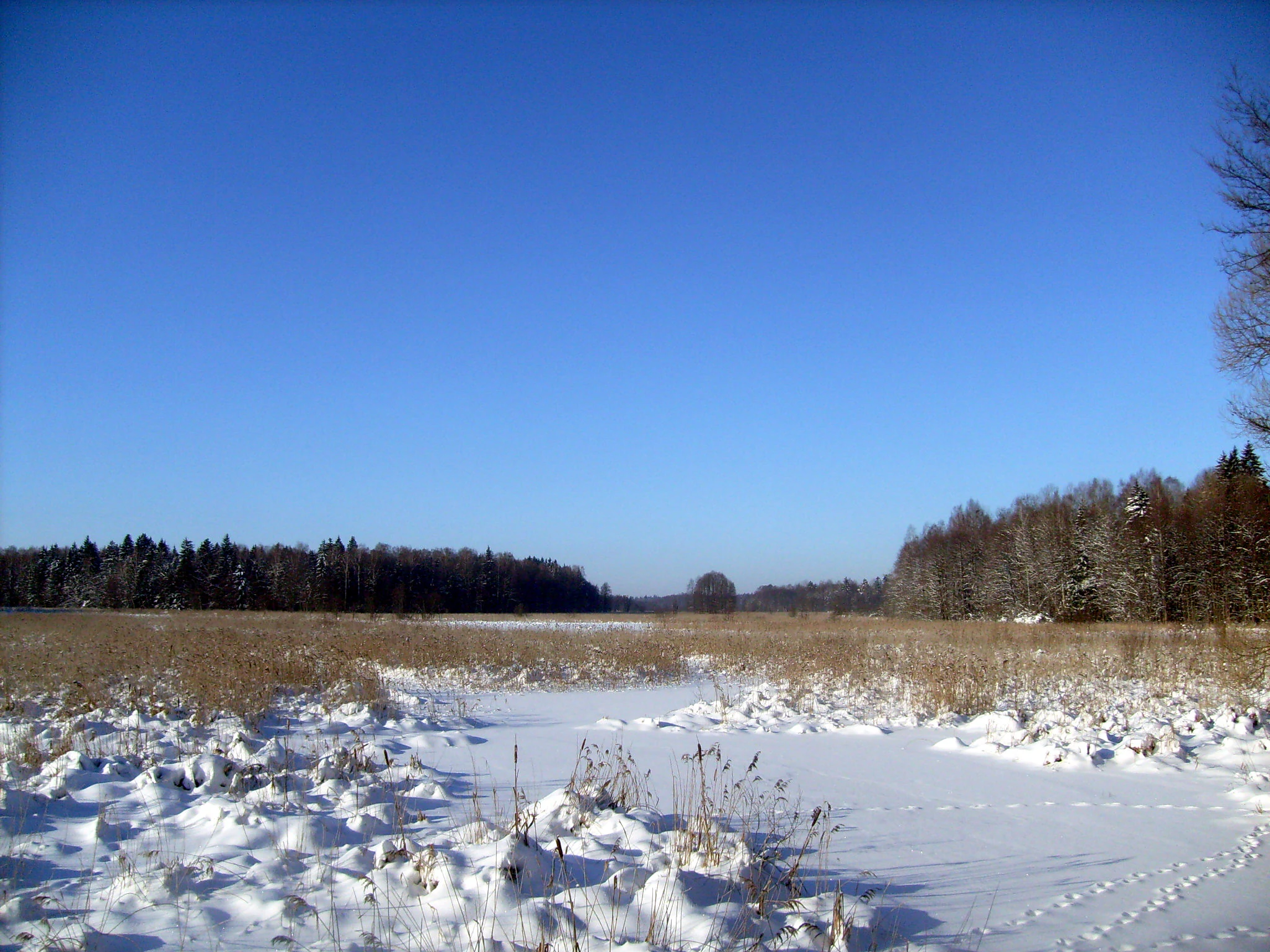
Spring and early summer are excellent for visiting Puszcza Białowieska, when deciduous trees are leafing out, woodland flowers bloom, and many bird species are at their most observable, including woodpeckers, warblers, and raptors. Late summer and early autumn bring rich mushroom fruiting in the forests, an iconic cultural and natural feature of the region. Winter transforms the landscape into a stark, deeply atmospheric setting with persistent snow cover for around three months, making bison, deer tracks, and the structure of old forest stands especially easy to observe from forest roads and designated trails. The long, cold continental winter character is itself part of the forest's identity, and each season reveals different aspects of its ecological richness.