
Why Bastberg Hill Regional Nature Reserve stands out
The reserve is best known for its calcareous grasslands on thin limestone soil, an unusual concentration of wild orchid species on a very small site, and an insect fauna of more than 500 species that includes rare butterflies and grasshoppers of regional conservation concern. Its steep, sun-exposed slopes and dry conditions create habitat conditions that recall sub-alpine environments, despite the hill’s modest elevation of around 326 meters. These botanical and entomological riches are the main reason the upper Bastberg was given formal protection. The combination of orchid-rich grasslands and warm, dry microclimates makes the site a small but ecologically distinctive island within the broader Alsatian landscape.
Bastberg Hill Regional Nature Reserve history and protected-area timeline
The Bastberg hill first received formal nature protection on 1 December 1989, when it was classified as a voluntary nature reserve under the French system that allowed private landowners and local bodies to designate sites for conservation. This initial status reflected recognition of the hill’s unusual dry grassland habitats, its orchid flora, and its rich invertebrate fauna.
In 2012, the site was reclassified under the regional nature reserve framework. The decision to upgrade its status was made by the Conseil régional d’Alsace on 16 March 2012, and the reserve was formally inaugurated on 25 October 2012. The ceremony was attended by Philippe Richert, then president of the regional council, Danielle Buchi, mayor of Bouxwiller, and Théo Trautmann, president of the Conservatoire des Sites Alsaciens, marking a more formal integration of the site into the regional conservation network.
Management of the reserve has been carried out by what is now known as the Conservatoire d’espaces naturels Alsace, which oversees ongoing work to maintain the open character of the calcareous grasslands through scheduled mowing and grazing, the traditional practices that have helped shape the Bastberg’s habitats over many decades.
Bastberg Hill Regional Nature Reserve landscape and geographic character
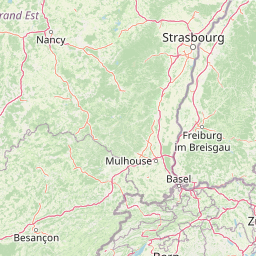
The Bastberg is a freestanding limestone hill rising out of the surrounding Alsatian countryside near Bouxwiller. Its summit reaches about 326 meters in elevation, a figure that gives it a strikingly prominent profile relative to its surroundings. From a regional perspective, the hill is a clear local landmark, with slopes that fall steeply enough on several sides to give the impression of a much larger relief feature.
Geologically, the Bastberg is built on limestone bedrock, and this geological character defines the landscape of the reserve. Soils across the upper slopes are thin and stony, often barely covering the underlying rock. Combined with the relatively dry local climate and the southern exposures of parts of the hill, this produces conditions that are notably warmer and drier than the more typical Alsatian farmland and forest.
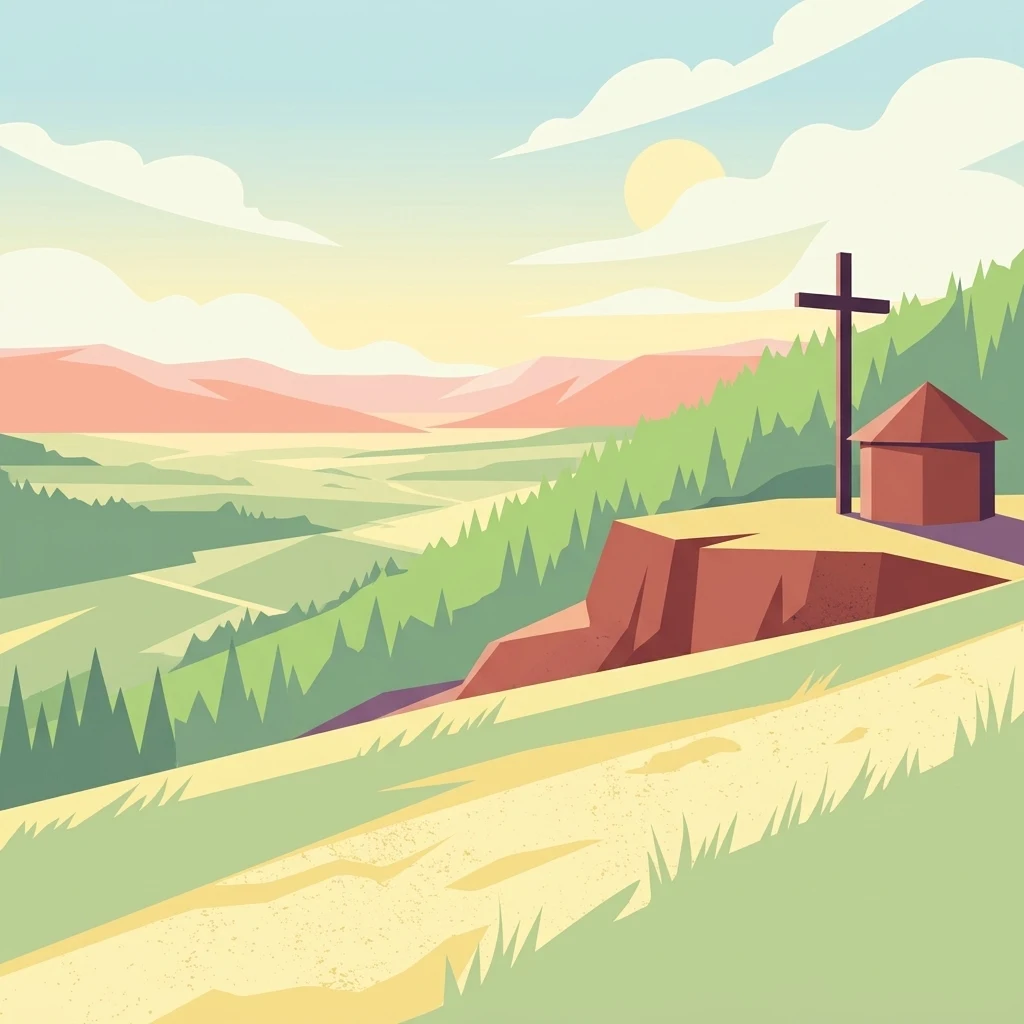
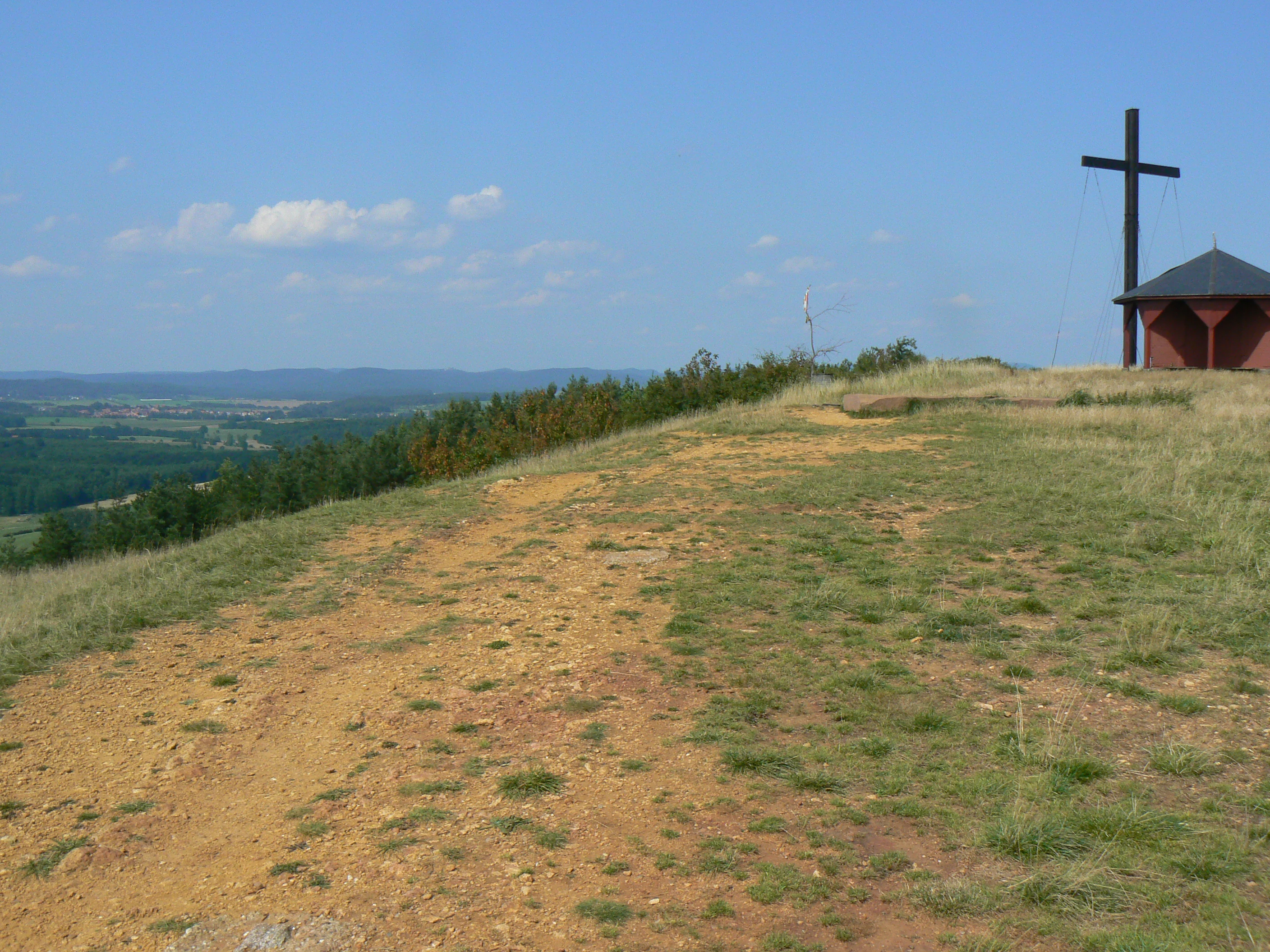
The result is a landscape dominated by open calcareous grasslands rather than closed woodland or cultivation. Stone outcrops and rocky breaks interrupt the grassy mantle, and the terrain feels bare and sunlit, almost Mediterranean in summer. These visual qualities, together with the steep slopes and panoramic views toward the surrounding lowlands and the nearby Vosges, give the Bastberg a memorable character for visitors despite its modest height.
Bastberg Hill Regional Nature Reserve ecosystems, habitats, and plant life
Ecologically, the Bastberg reserve is defined by its calcareous grasslands, a habitat known in France as pelouses calcicoles. These dry, species-rich grasslands develop on shallow limestone soils and are maintained through traditional land use, in this case a combination of mowing and grazing that prevents woody encroachment. They host a highly specialized flora adapted to drought, thin soils, and strong sunlight.
Beyond the grasslands themselves, the reserve also includes transitional habitats such as rocky outcrops, scrubby edges, and fringes of woody vegetation. The juxtaposition of different microhabitats across a small area gives the Bastberg an outsized ecological value. Despite occupying just a few hectares, the site functions almost as an ecological island within the broader agricultural matrix of the Bas-Rhin countryside.
Dry calcareous grasslands of this kind are a priority conservation habitat in France and across much of Europe, having declined sharply as a result of agricultural intensification or, conversely, abandonment and scrub overgrowth. The Bastberg is therefore an important local reference site for this habitat type in Alsace.
Bastberg Hill Regional Nature Reserve wildlife and species highlights
The wildlife of the Bastberg Hill Regional Nature Reserve is dominated by invertebrates, reflecting the importance of dry calcareous grasslands for warm-loving insect communities. The site is recognized for hosting more than 500 insect species, a remarkably high diversity for such a small area.
Among the insects of particular conservation interest are butterflies listed on the regional red list of threatened species in Alsace. These include species such as the Agreste and the Mélitée de Nickerl, both associated with dry, flower-rich grasslands. Other notable invertebrates found at the site include the Dectique verrucivore, a robust bush-cricket of dry habitats, and the Mante religieuse, the praying mantis, both of which depend on the warm, structured vegetation that the reserve’s grasslands provide.
While vertebrates are less prominent in the available documentation, the mosaic of open grassland, scrub, and rocky edge habitat is typical of the dry hill country of Alsace and supports the usual small-scale fauna associated with such environments. The reserve’s most distinctive wildlife significance, however, lies firmly in its invertebrate richness.
Bastberg Hill Regional Nature Reserve conservation status and protection priorities
The primary conservation purpose of the Bastberg Hill Regional Nature Reserve is the protection of calcareous grassland habitats, their associated orchid flora, and the rich invertebrate communities they support. Calcareous grasslands have declined substantially across much of France and Europe, and surviving fragments like the upper Bastberg carry significant responsibility for maintaining these habitats at the regional scale.
The reserve’s status as a regional nature reserve under French law gives it formal protection against activities that could damage the grassland habitats or the species they contain. It is classified under the international UICN system as Category IV, a designation for habitat and species management areas requiring active intervention to maintain biodiversity values.
Active management is a core part of the conservation approach. The Conservatoire d’espaces naturels Alsace carries out regular mowing and grazing to keep the grasslands open, mimicking the traditional land use that created these habitats in the first place. This management helps prevent scrub encroachment and maintains the conditions that specialist orchids and insects depend on.
Bastberg Hill Regional Nature Reserve cultural meaning and human context
The name Bastberg refers to a hill long associated with the rural landscape around Bouxwiller, a small market town in the Bas-Rhin that serves as the closest urban neighbor to the reserve. The hill itself is a recognizable mark on the local horizon, and its open slopes have long provided grazing land for livestock in a region where mixed agriculture has shaped the countryside for centuries.
The cultural dimension of the reserve is closely tied to this agricultural heritage. The calcareous grasslands it protects are not pristine wild ecosystems but cultural landscapes, shaped and maintained by human activity. Traditional mowing and grazing, now continued as active conservation management, reflect the long-standing relationship between local farming communities and the hill. The nearby Pays de Hanau region, of which the Bastberg is part, retains a strong sense of regional identity rooted in this agricultural tradition.
Top sights and standout views in Bastberg Hill Regional Nature Reserve
The reserve’s standout features include a small but exceptionally orchid-rich calcareous grassland, a landscape with almost sub-alpine character despite a maximum elevation of just 326 meters, and an invertebrate fauna of more than 500 species that includes threatened regional butterflies. Its compact size and proximity to Bouxwiller make it an accessible example of a habitat type that has become scarce across much of lowland France.
Best time to visit Bastberg Hill Regional Nature Reserve
Because the Bastberg reserve’s main attractions are botanical and entomological, late spring through early summer is the most rewarding window for a visit, when orchids and many of the grassland wildflowers are in bloom and butterfly activity is at its peak. The dry, sun-exposed slopes feel at their most characteristic during warm, settled weather, when the open calcareous grasslands give the hill its distinctive Mediterranean-like atmosphere. Autumn and winter visits can still be pleasant for walking and landscape appreciation, though the site’s floral and insect interest is greatly reduced outside the warmer months.